‘Disaster Relief’: Why helicopters are vital during disaster and rescue missions

Helicopters are indispensable in disaster relief due to their unique ability to land without runways and hover over danger zones. From plucking survivors from floodwaters using hoists to acting as "flying ambulances" and precision firefighters.
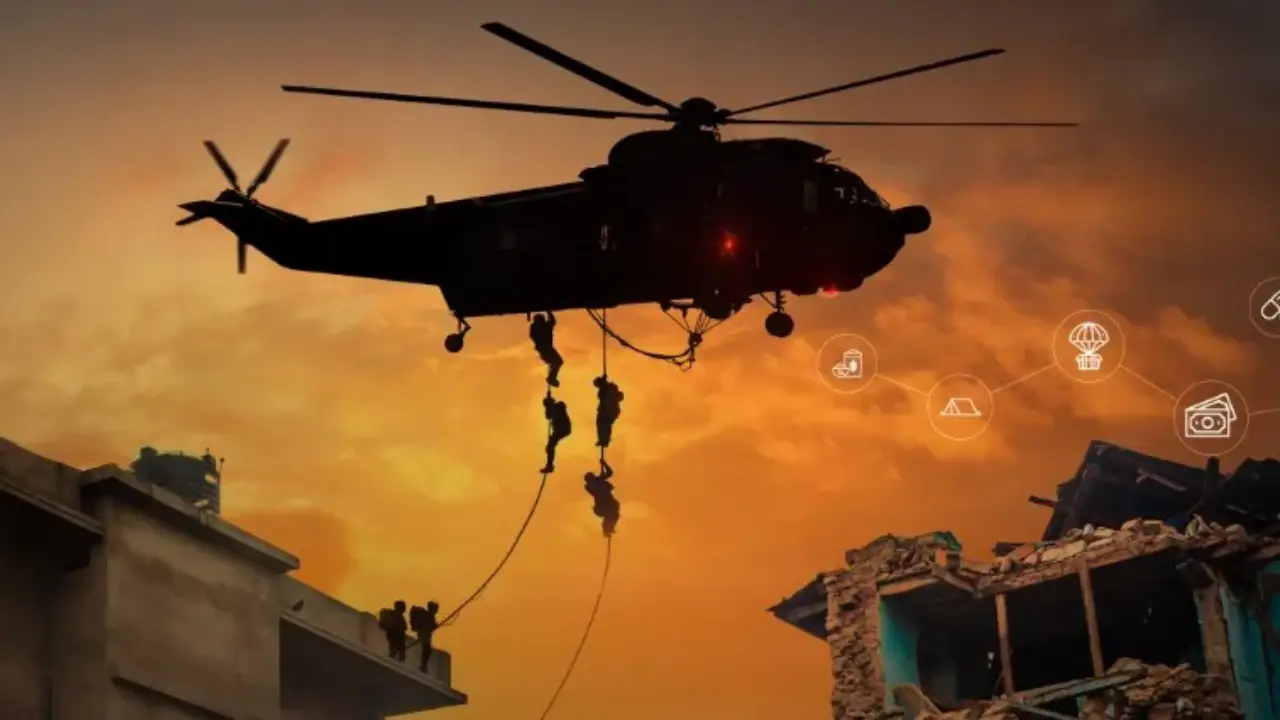
No Runway Required Vertical Take-off and Landing
Unlike aeroplanes that need long airstrips, helicopters can take off and land vertically in confined spaces. Fair Lifts notes this allows them to operate from rooftops, clearings, or even the middle of a disaster zone where infrastructure is destroyed.
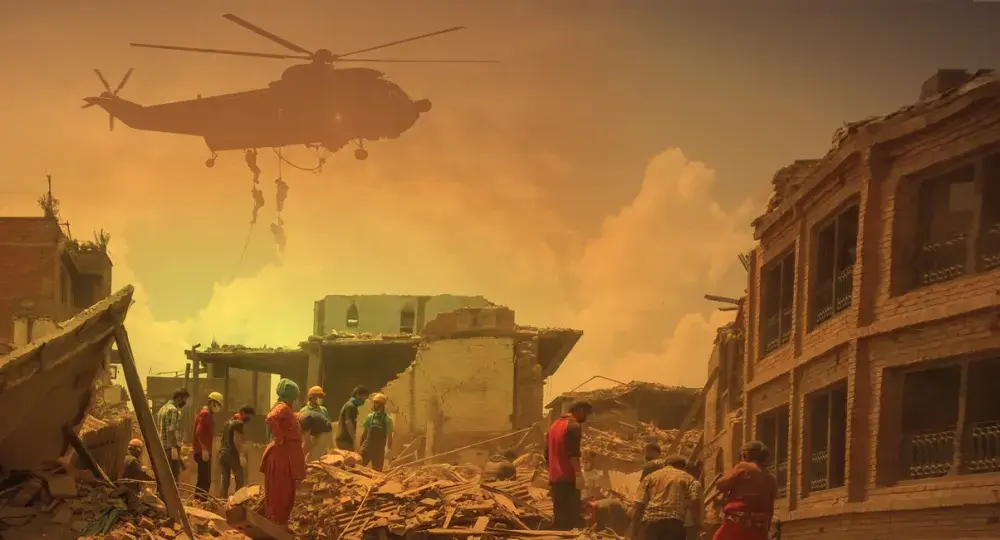
Accessing the Inaccessible Reaching Isolated Communities
When floods or earthquakes cut off roads and bridges, helicopters are often the only link to the outside world. Helicopter Express highlights their ability to deliver aid to mountain peaks or flooded islands that ground vehicles cannot reach.
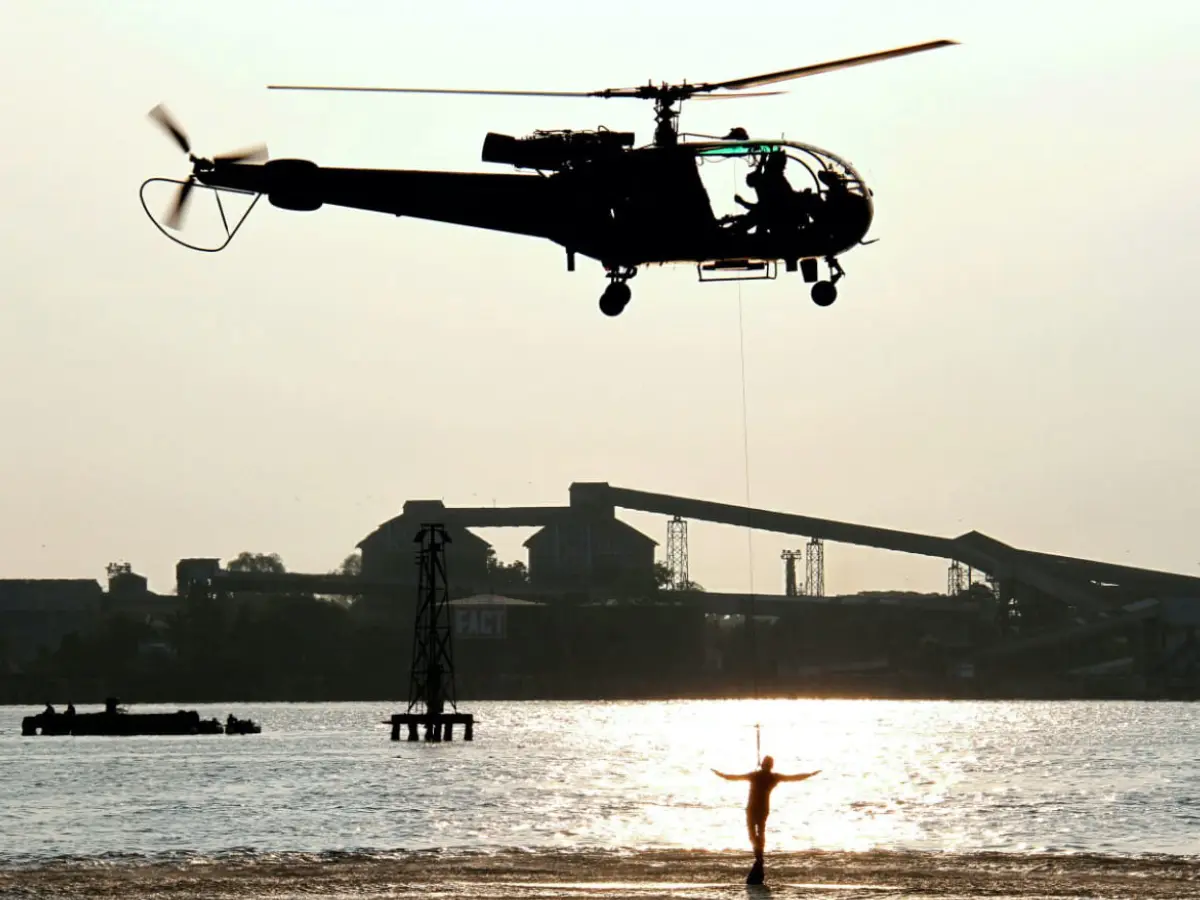
The 'Hover and Hoist' Rescue Plucking Survivors from Danger
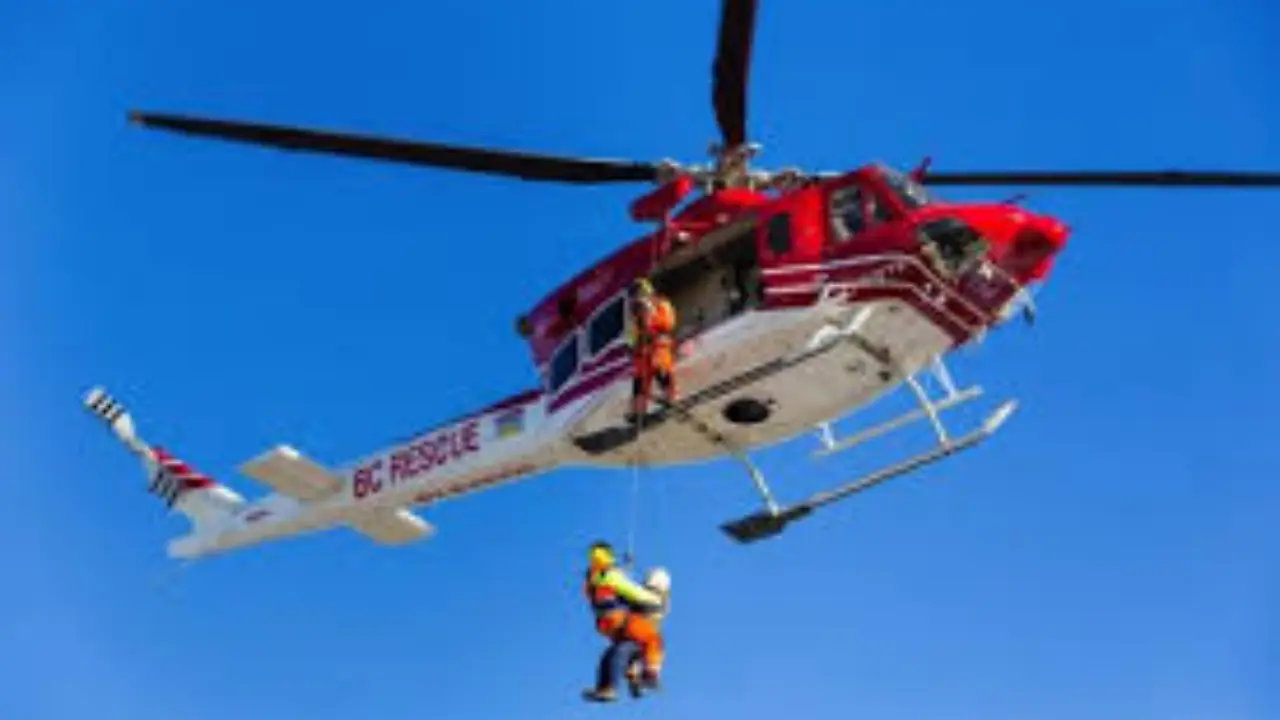
Helicopters can hover stationary in mid-air to rescue survivors trapped on rooftops or in water. crews use winch hoists to lower medics and lift victims to safety without the aircraft ever touching the ground.
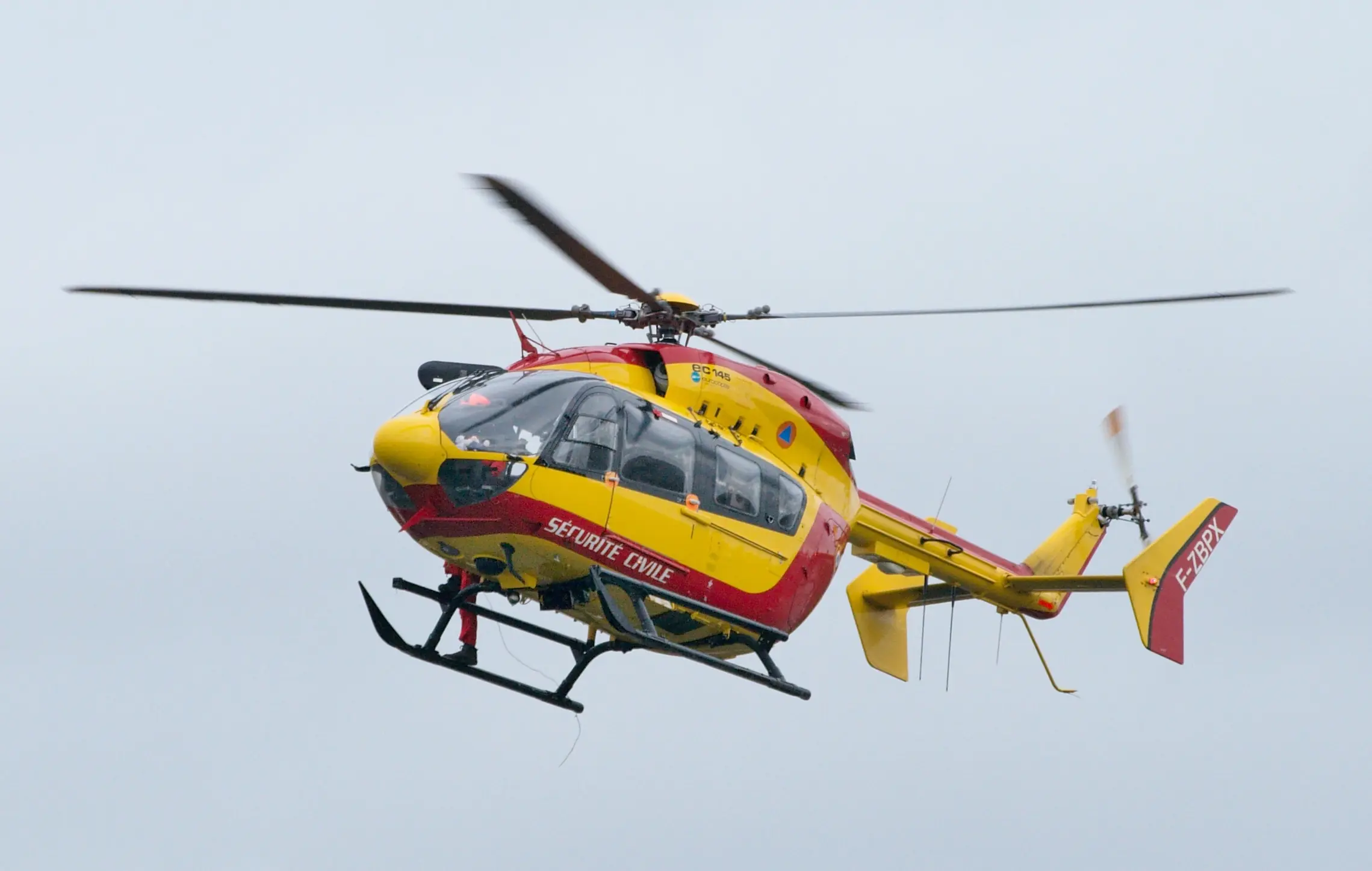
Flying Ambulances The 'Golden Hour' Advantage
Speed is critical in trauma cases. Wikipedia reports that air ambulances can bypass traffic and rubble to transport patients to hospitals within the critical "golden hour," significantly increasing survival rates compared to ground transport.
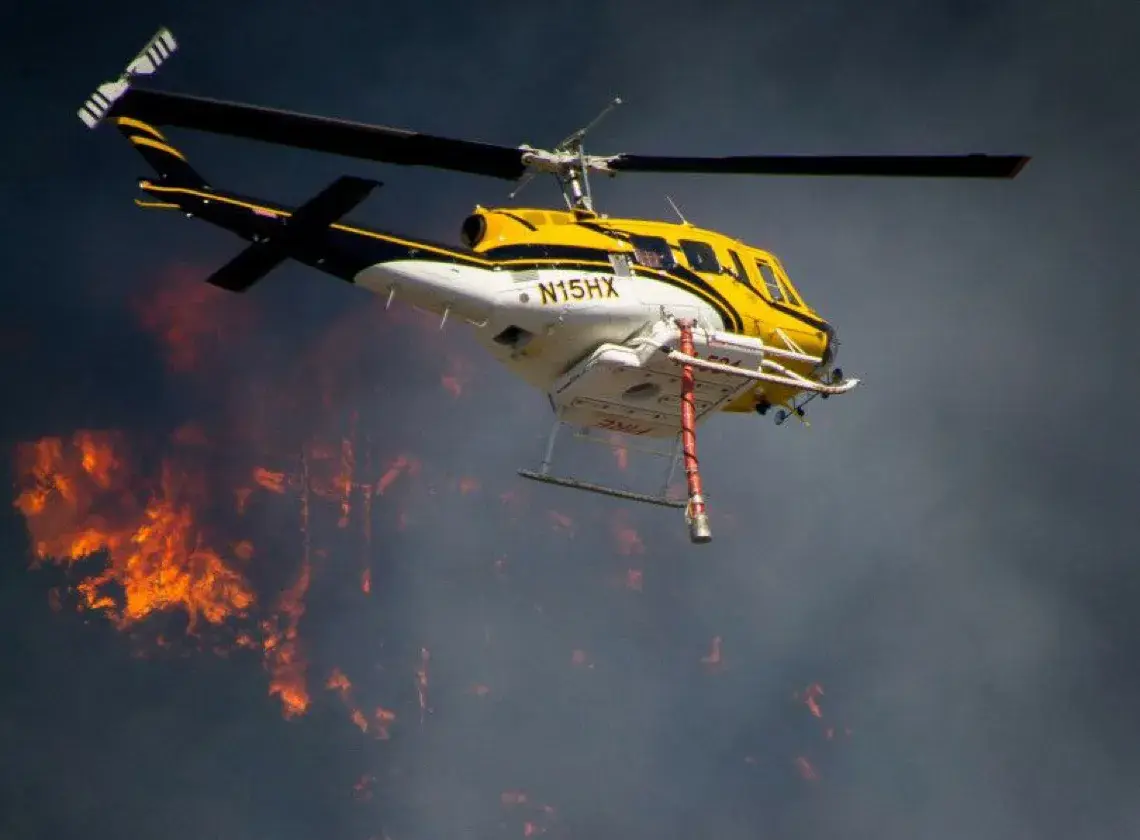
Aerial Firefighting Water Bombing from Above
In wildfire disasters, helicopters act as precision water bombers. Airbus describes how they use "Bambi Buckets" or belly tanks to drop thousands of litres of water or retardant directly onto fire lines to protect homes and evacuation routes.
Eyes in the Sky Rapid Damage Assessment
Immediately after a disaster, gaining a clear picture is crucial. Internet Scientific Publications states that commanders use helicopters for reconnaissance, allowing them to survey vast damage quickly and direct ground teams to where they are needed most.
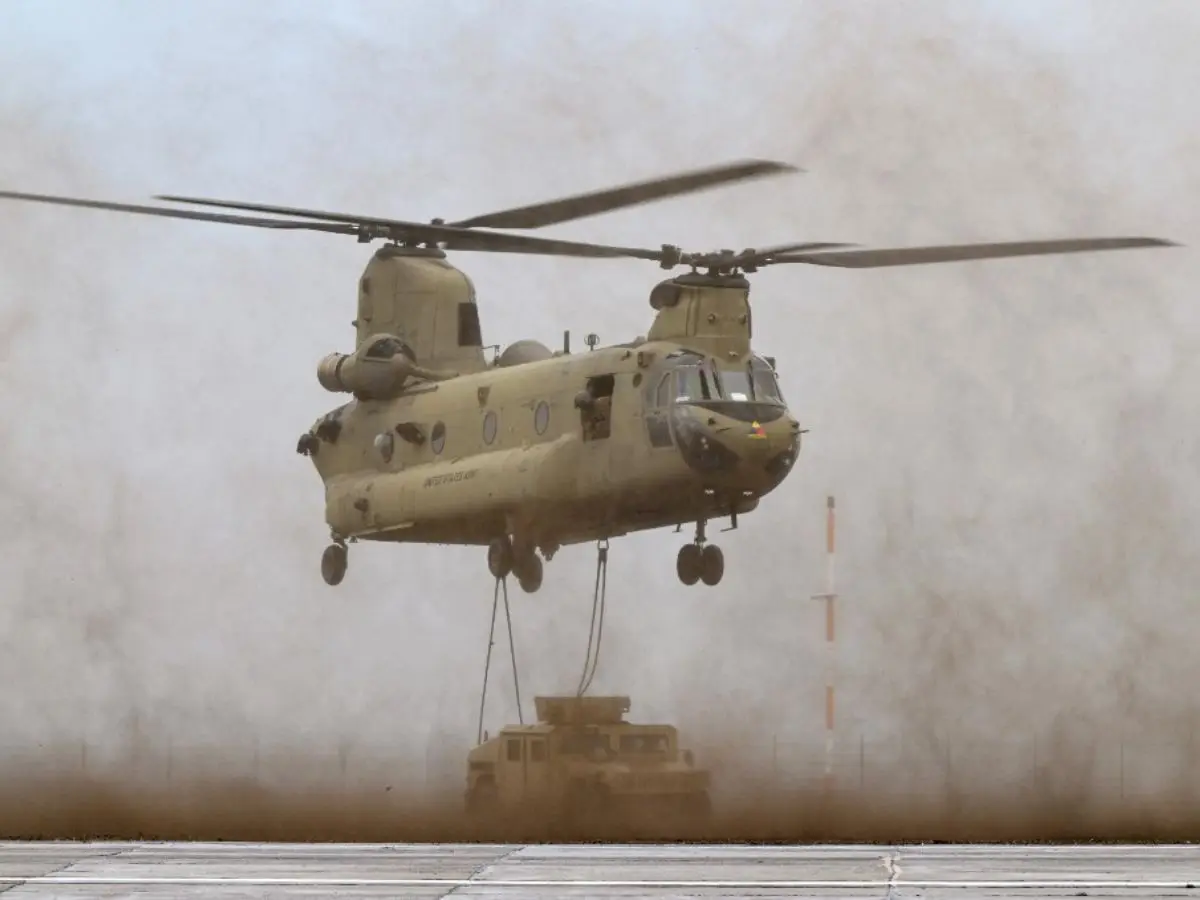
Heavy Lifting Logistics Delivering Tons of Aid
Large helicopters act as flying cranes, carrying heavy loads of food, water, and generators. The National Interagency Fire Center notes that heavy-lift choppers can transport thousands of pounds of supplies externally, sustaining communities when supply chains break.
)
)
)
)
)