‘Deep-sea threats’: How MH-60 helicopters on the USS Abraham Lincoln support US blockade operations

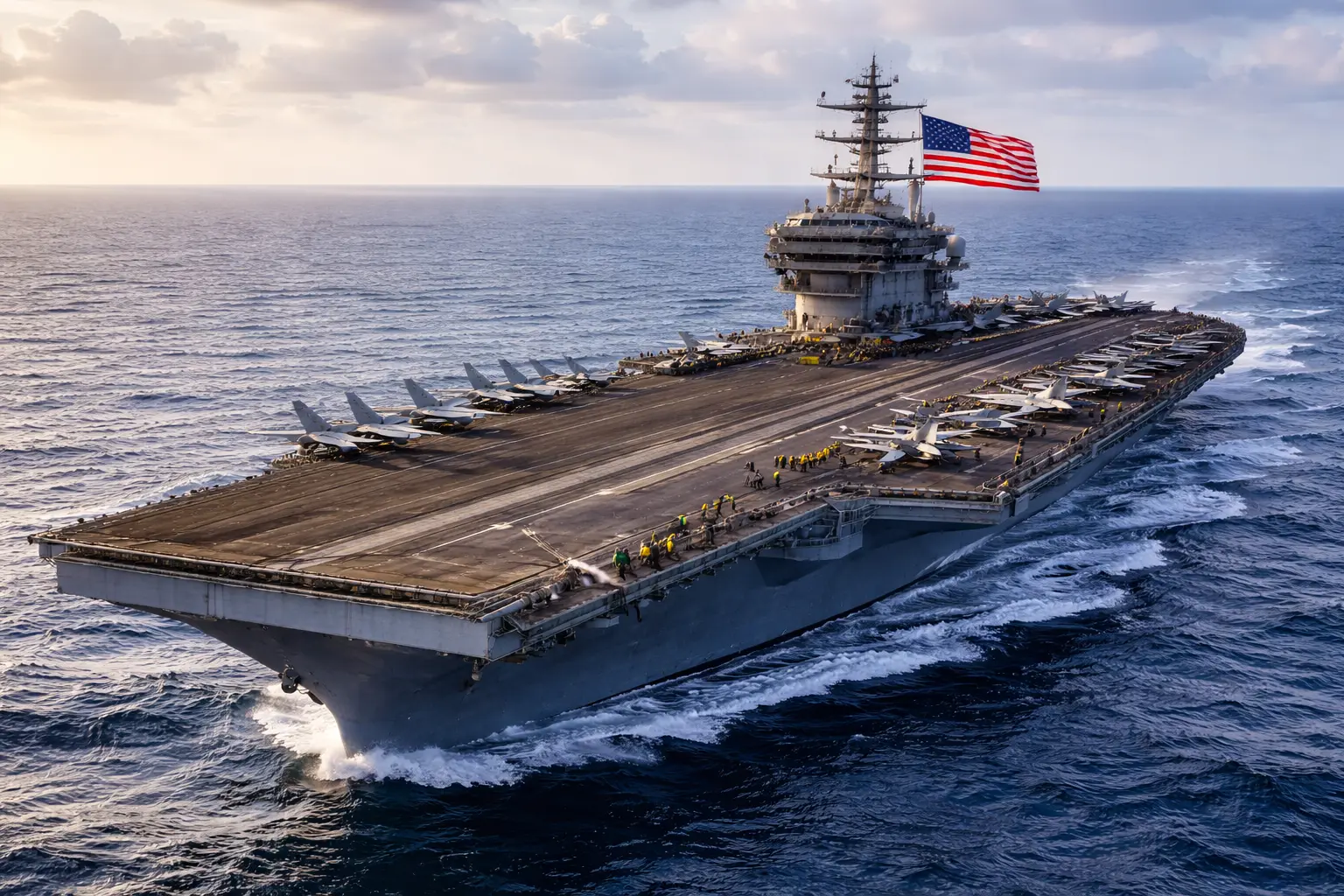
As the US military enforces a naval blockade against Iranian ports, the USS Abraham Lincoln relies heavily on its MH-60 helicopter fleet. These advanced aircraft hunt enemy submarines, destroy floating sea mines, and intercept hostile vessels attempting to break the maritime embargo.
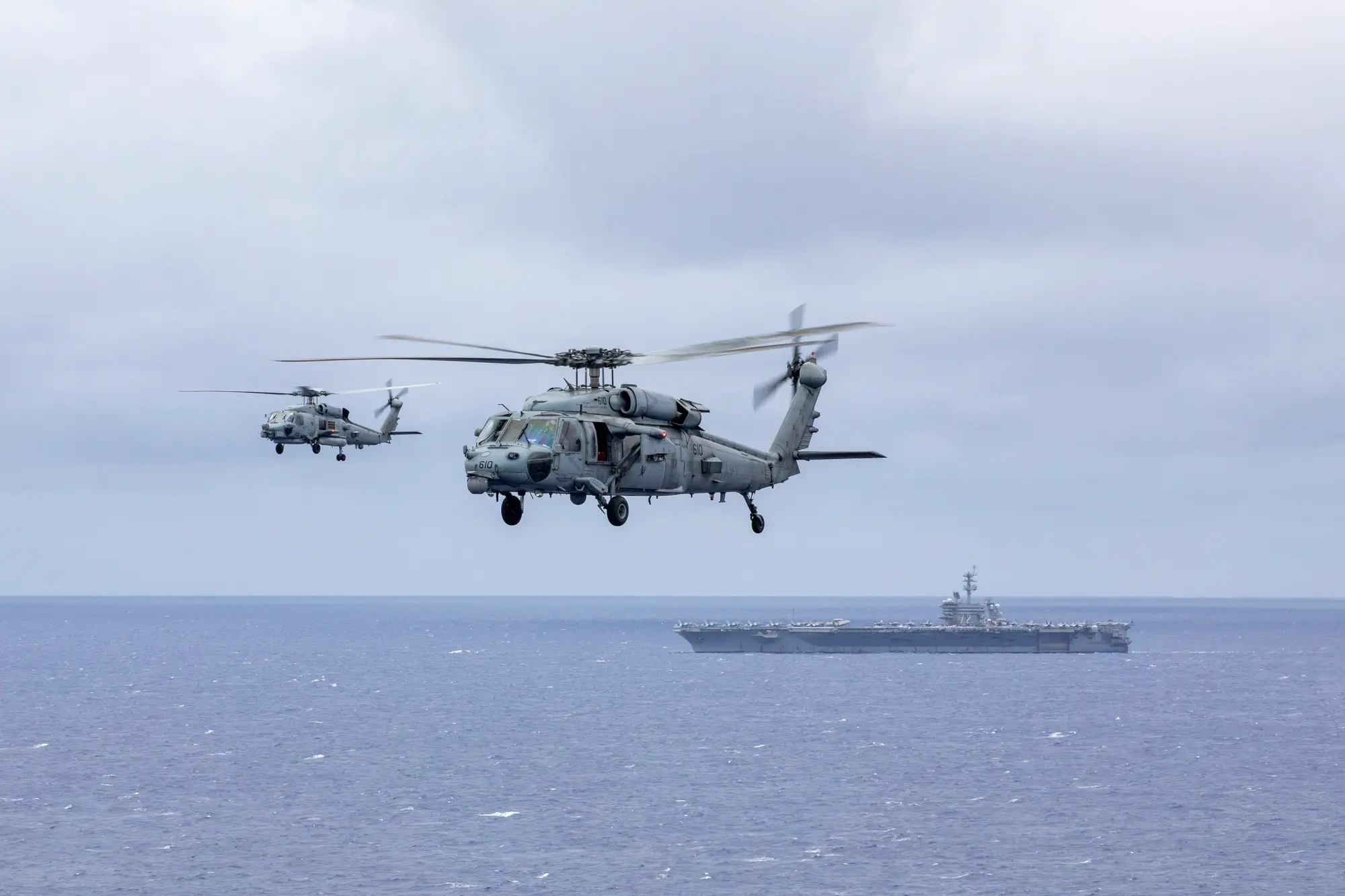
The Carrier's Eyes and Ears
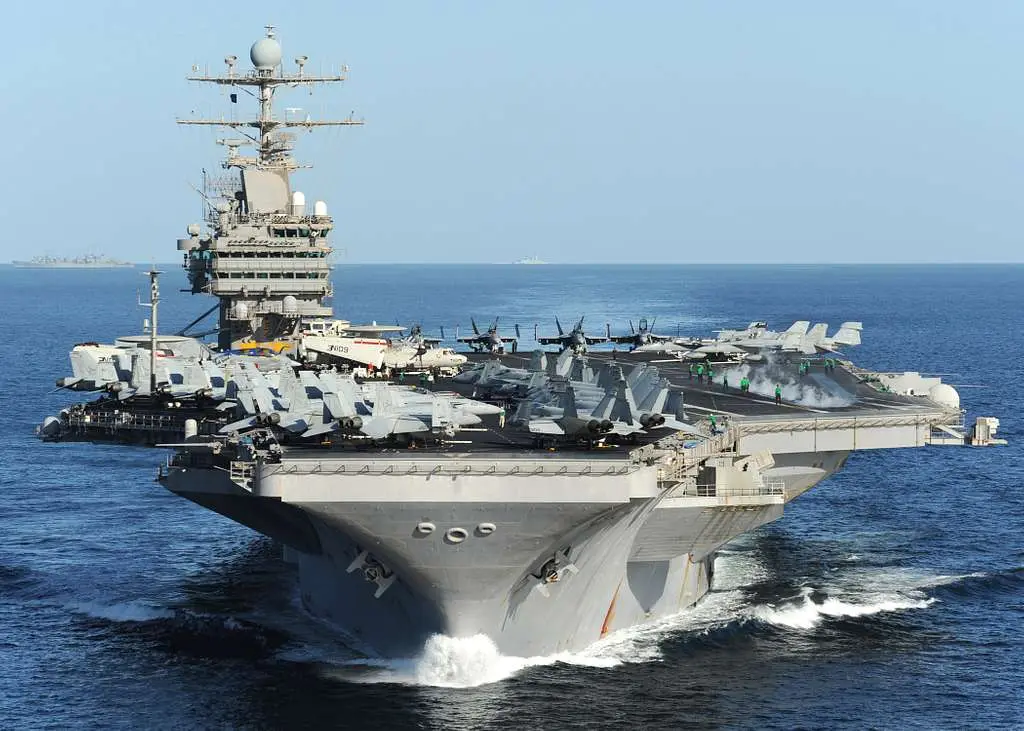
Operating from the flight deck of the USS Abraham Lincoln, the MH-60 Seahawk fleet serves as the ultimate maritime shield. The US Navy deploys both the MH-60R and MH-60S variants to enforce the ongoing naval blockade and protect multi-billion dollar destroyers from asymmetric threats.
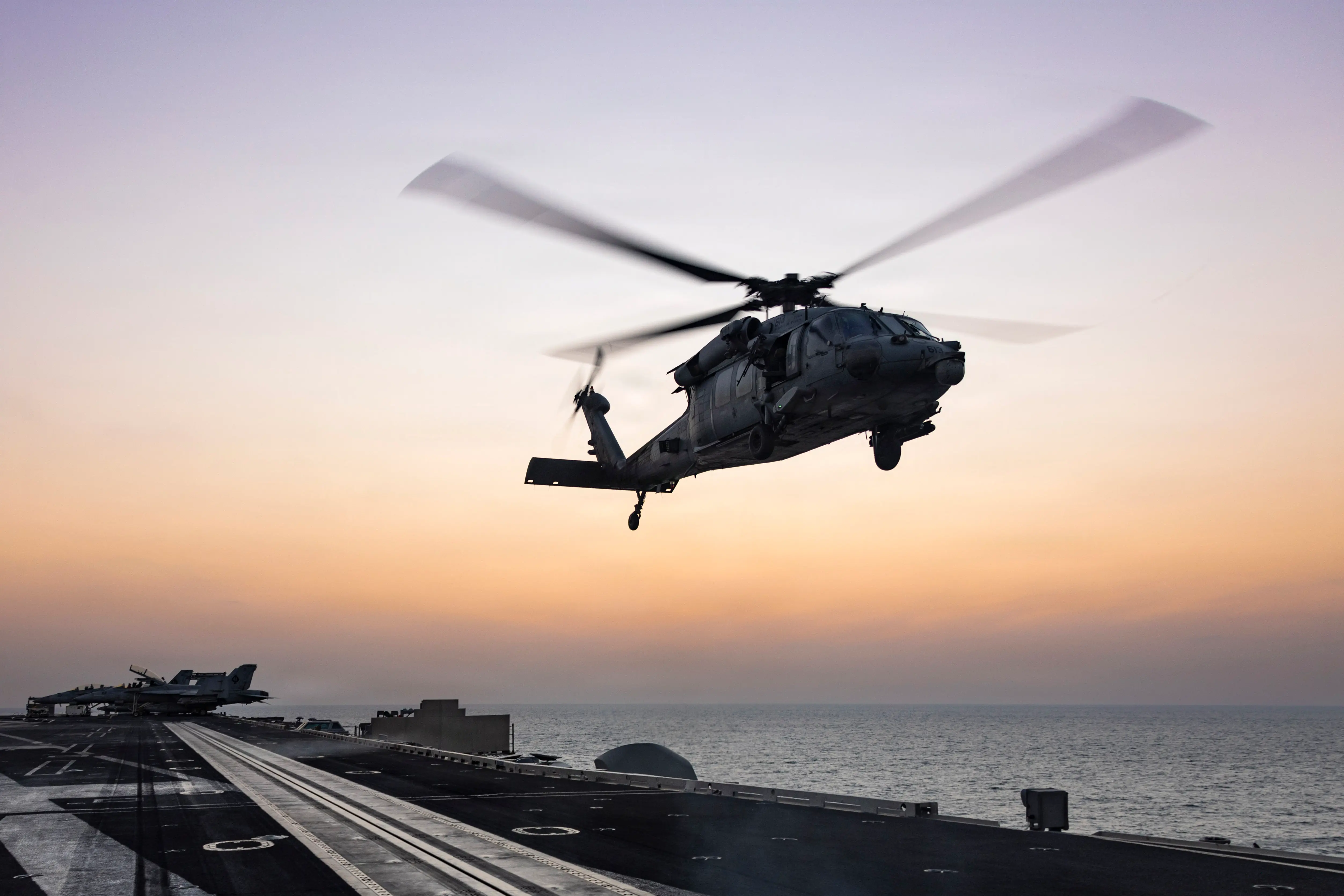
Hunting Deep-Sea possible threats
To detect submerged Iranian submarines, the MH-60R 'Romeo' variant utilises the Airborne Low Frequency Sonar (ALFS) system. By dipping active sonar arrays deep into the Persian Gulf, these $40 million helicopters can pinpoint quiet diesel-electric submarines lurking beneath the blockade line.
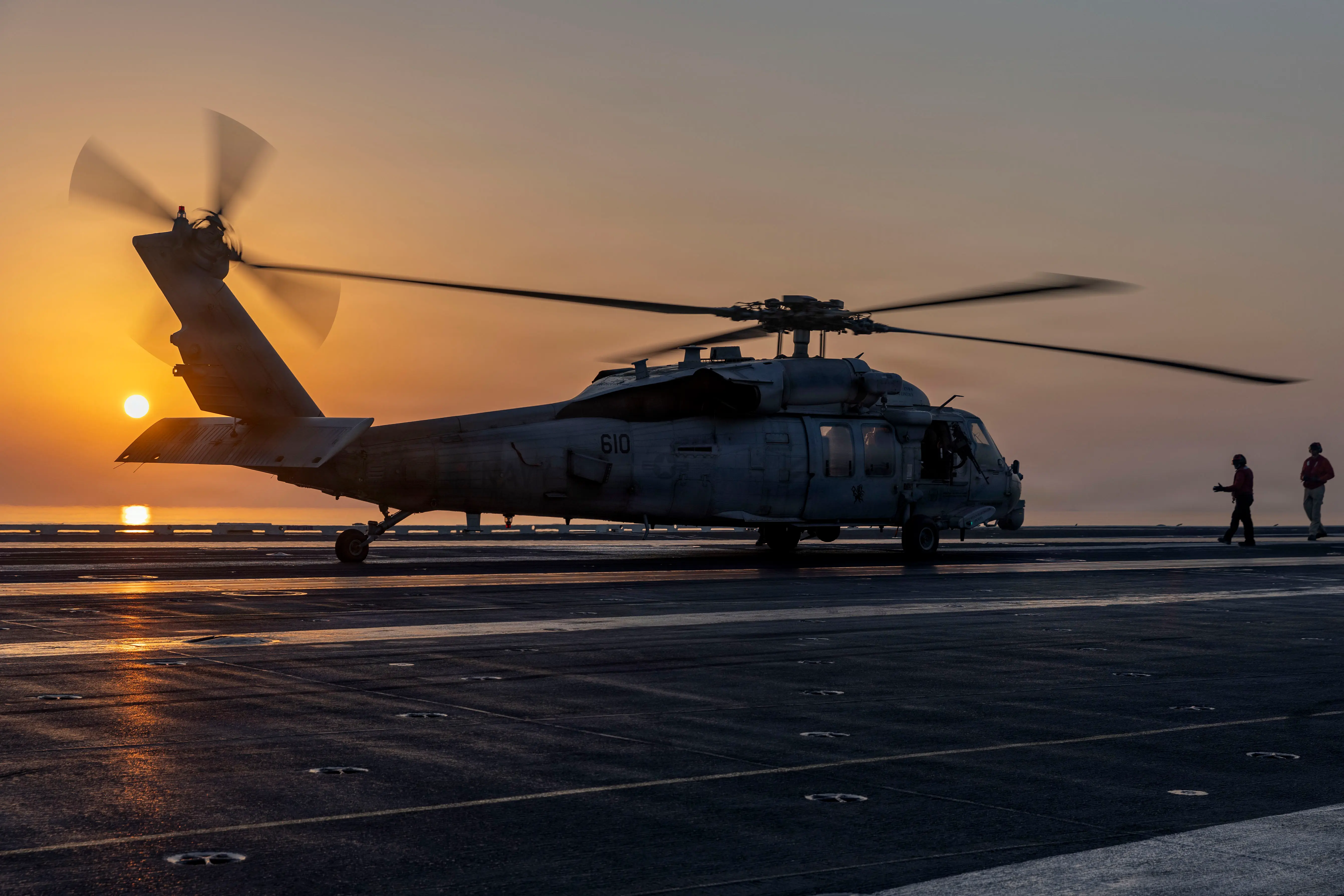
Airborne Laser Mine Detection
Drifting sea mines remain the deadliest threat to commercial shipping and US warships. The MH-60S 'Sierra' variant counters this by deploying the Airborne Laser Mine Detection System (ALMDS), which fires pulsed laser beams into the ocean to instantly locate hidden explosives.
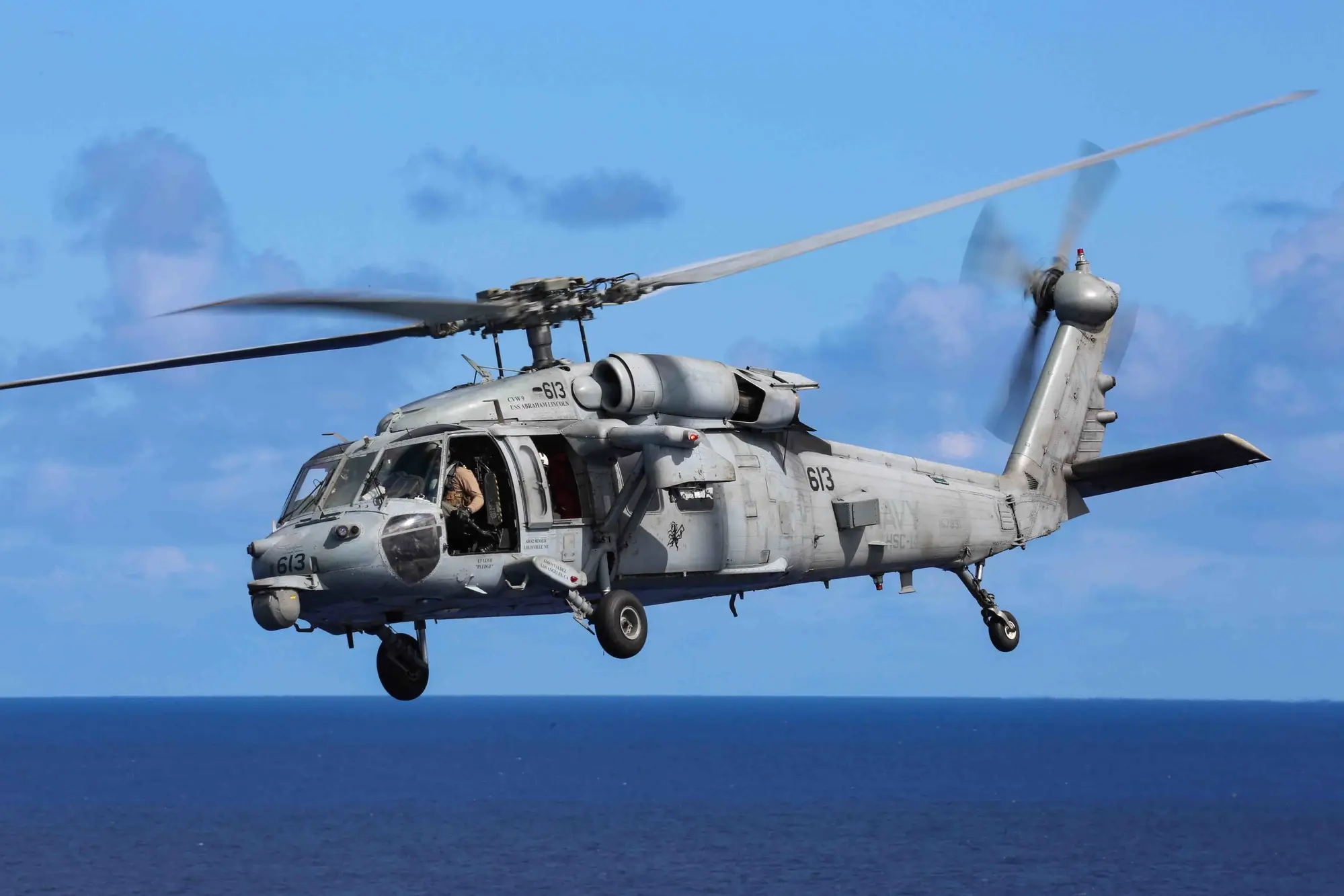
Neutralising Underwater Explosives
Once a floating mine is detected, the MH-60S can deploy the Airborne Mine Neutralisation System (AMNS). This system launches a highly advanced, fibre-optic guided robotic torpedo that swims directly into the Iranian explosive, safely detonating the threat without risking American sailors.
The Hellfire Missile Arsenal
To stop fast-attack boats attempting to run the blockade, the MH-60R is heavily armed for surface warfare. The helicopter carries AGM-114 Hellfire missiles and precision-guided rockets, allowing pilots to instantly destroy small, fast-moving hostile vessels from miles away.
Dropping Mark 54 Torpedoes
If an enemy submarine attempts to break the US embargo or target allied shipping, the MH-60R can launch a devastating counterattack. The aircraft is equipped with Mk 54 lightweight torpedoes, designed to track and destroy deep-sea targets in complex acoustic environments.
Search and Rescue Overwatch
Beyond lethal combat operations, the MH-60S provides critical Combat Search and Rescue (CSAR) capabilities for the carrier strike group. If an F-35C or F/A-18 fighter jet goes down during blockade enforcement, these heavily armed helicopters are the first to launch into hostile territory to extract the pilots.
)
)
)
)
)