‘Day or Night’: When can the USS Abraham Lincoln attack Iran more efficiently?

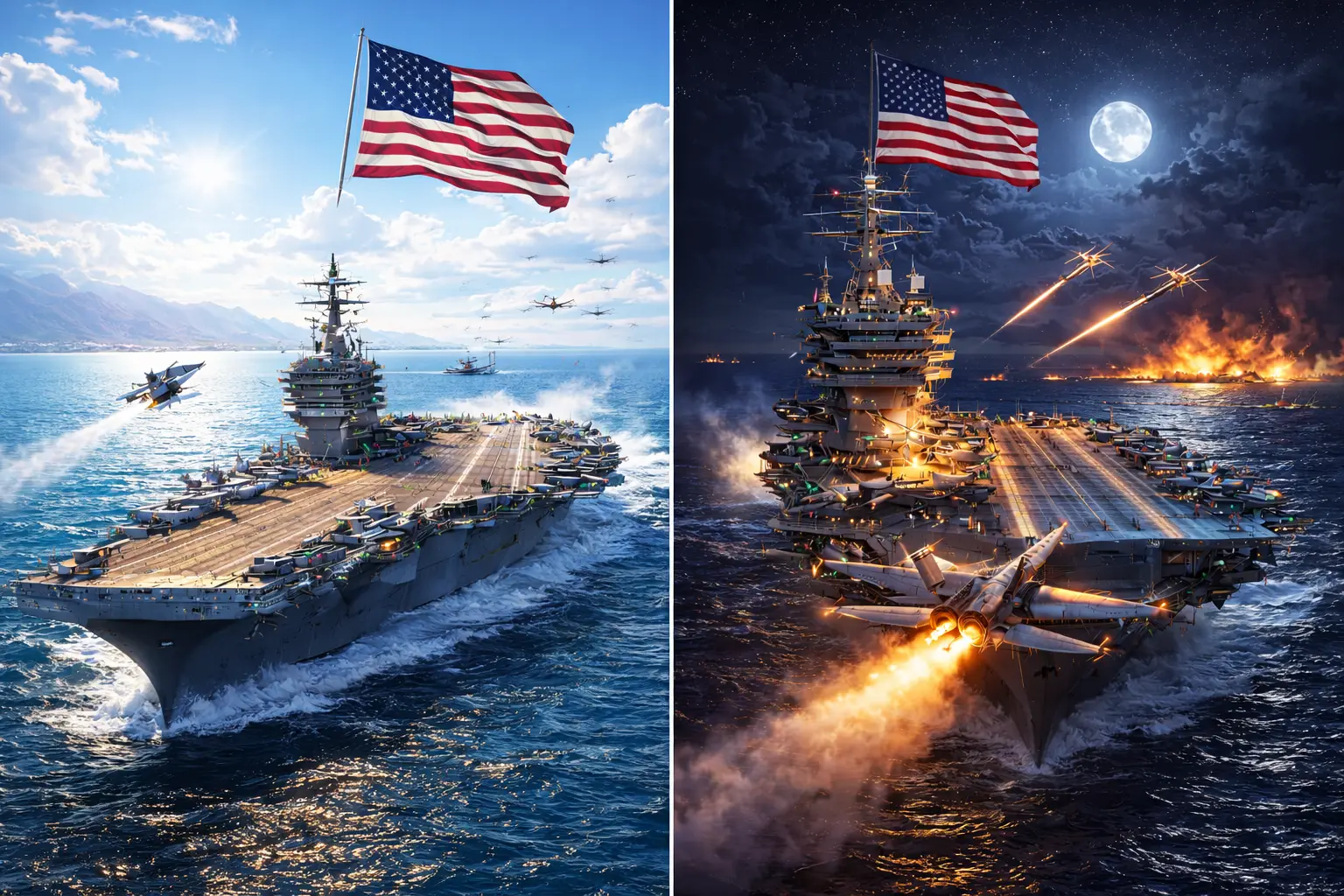
The USS Abraham Lincoln relies on advanced stealth fighters and electronic warfare to launch highly effective night strikes. Operating under the cover of darkness significantly reduces the risk from enemy air defences.
24/7 Strike Readiness
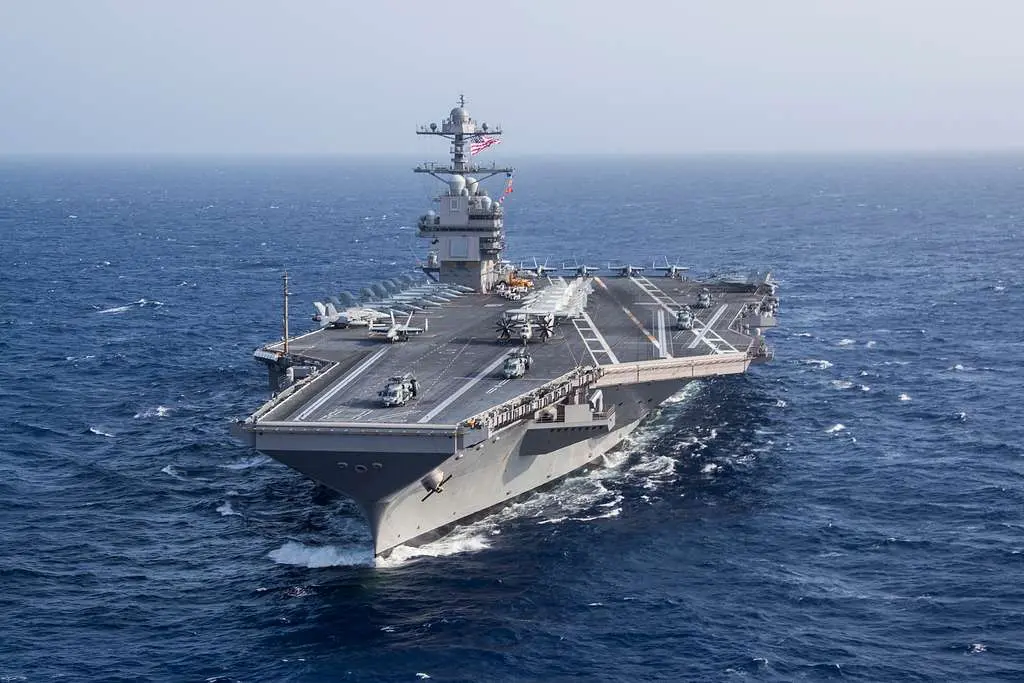
The USS Abraham Lincoln maintains a constant state of combat readiness in the Arabian Sea. This allows commanders to launch coordinated fighter strikes at any hour, depending entirely on immediate tactical requirements.
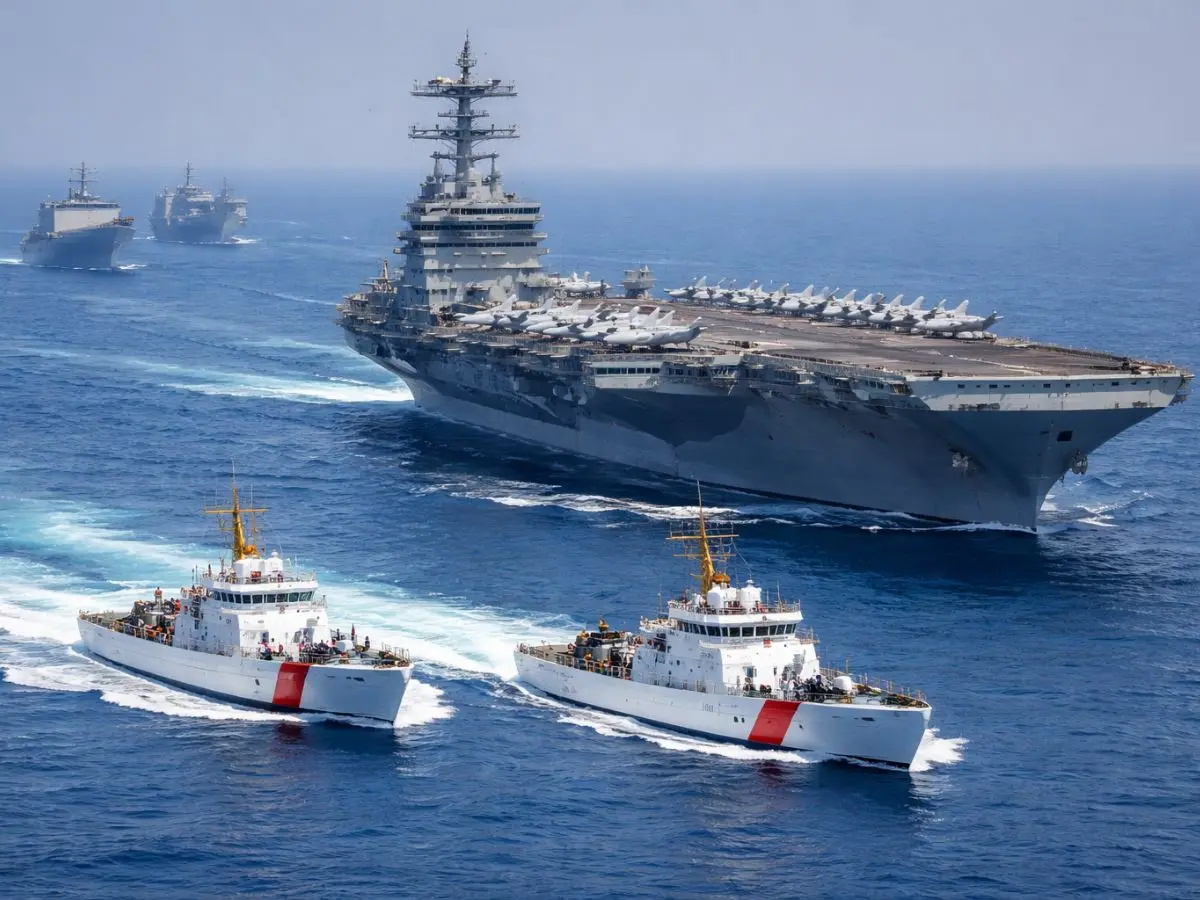
100 Per Cent Darkness
Night operations provide a massive advantage against adversary air defence networks. The absence of daylight enhances the stealth profile of the embarked F-35C fighters, making visual tracking by ground forces nearly impossible.
FLIR Targeting Precision
During night sorties, American aviators use advanced Forward Looking Infrared technology. This enables pilots to locate and strike hardened military facilities with extreme accuracy, completely bypassing the need for natural light.
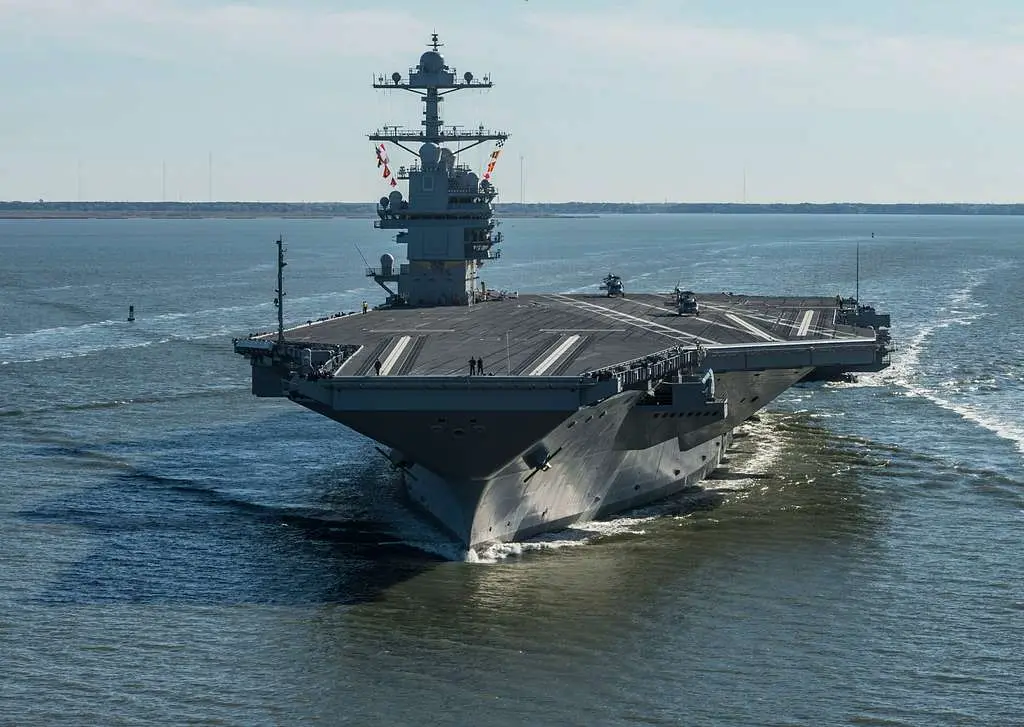
Zero Visual Detection
Attacking at night significantly weakens manually aimed anti-aircraft artillery. Without daytime visibility, hostile ground troops and shoulder-fired missile operators cannot effectively track or engage fast-moving incoming aircraft.
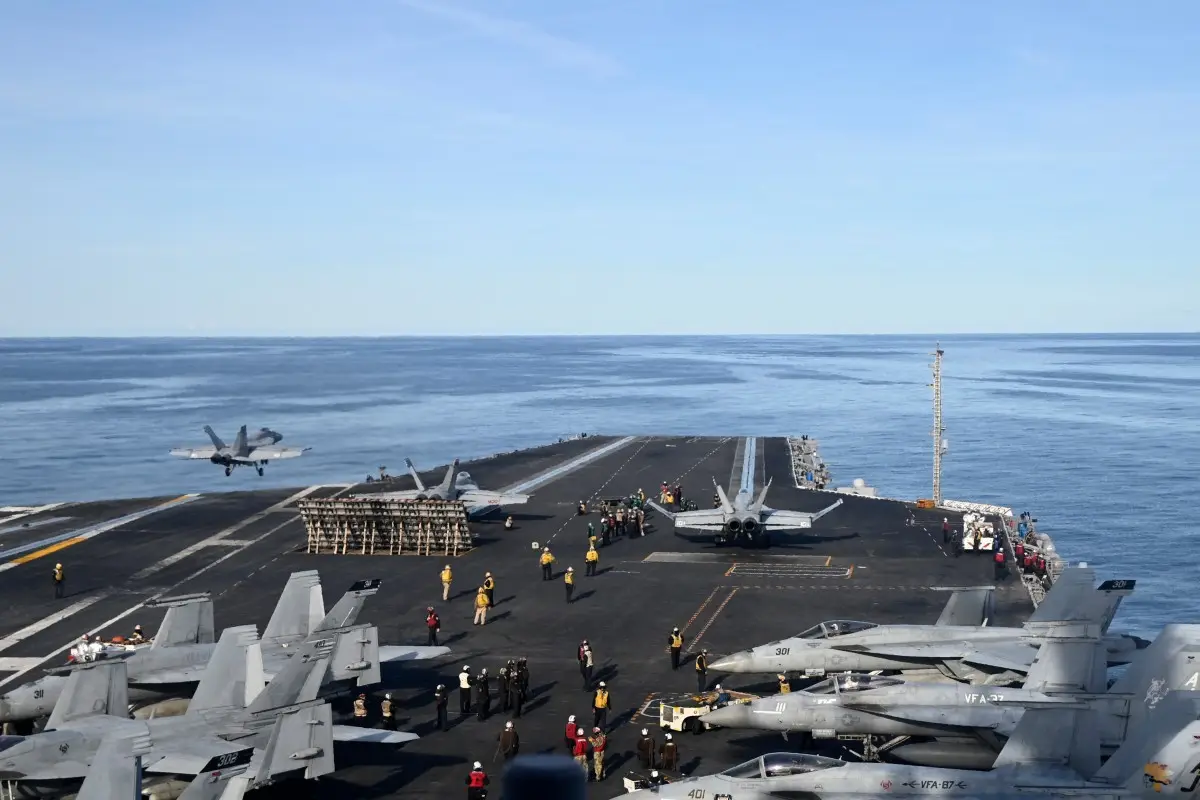
90-Aircraft Strike Capacity
The nuclear-powered carrier can deploy a fleet of up to 90 jets and helicopters. A massive, coordinated nighttime assault using this firepower easily overwhelms enemy radar frequencies and missile defence systems.
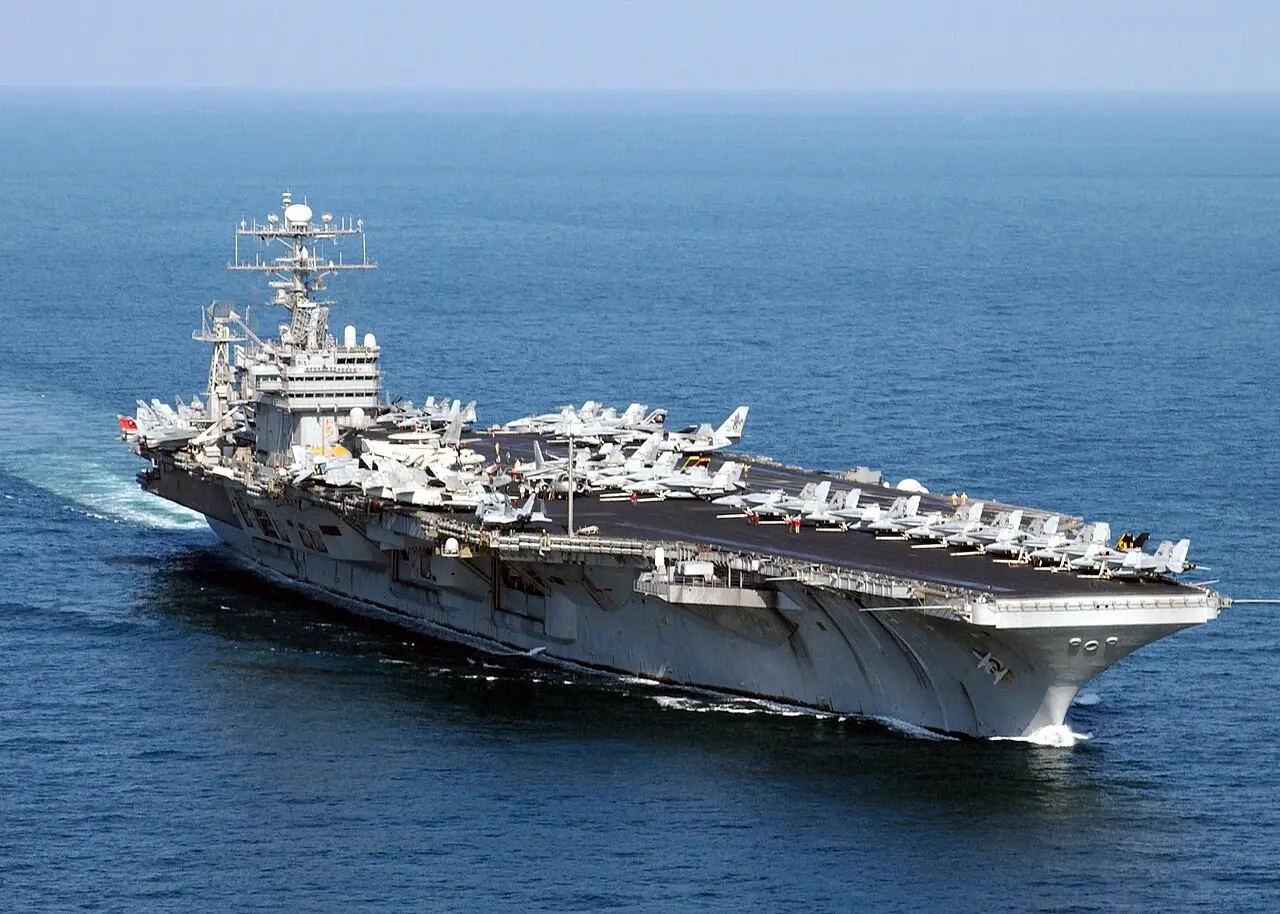
EA-18G Electronic Warfare
Night strikes are heavily supported by EA-18G Growler electronic warfare jets. These aircraft actively jam hostile radar signals, creating a digital blackout that perfectly complements the physical darkness shielding the strike group.
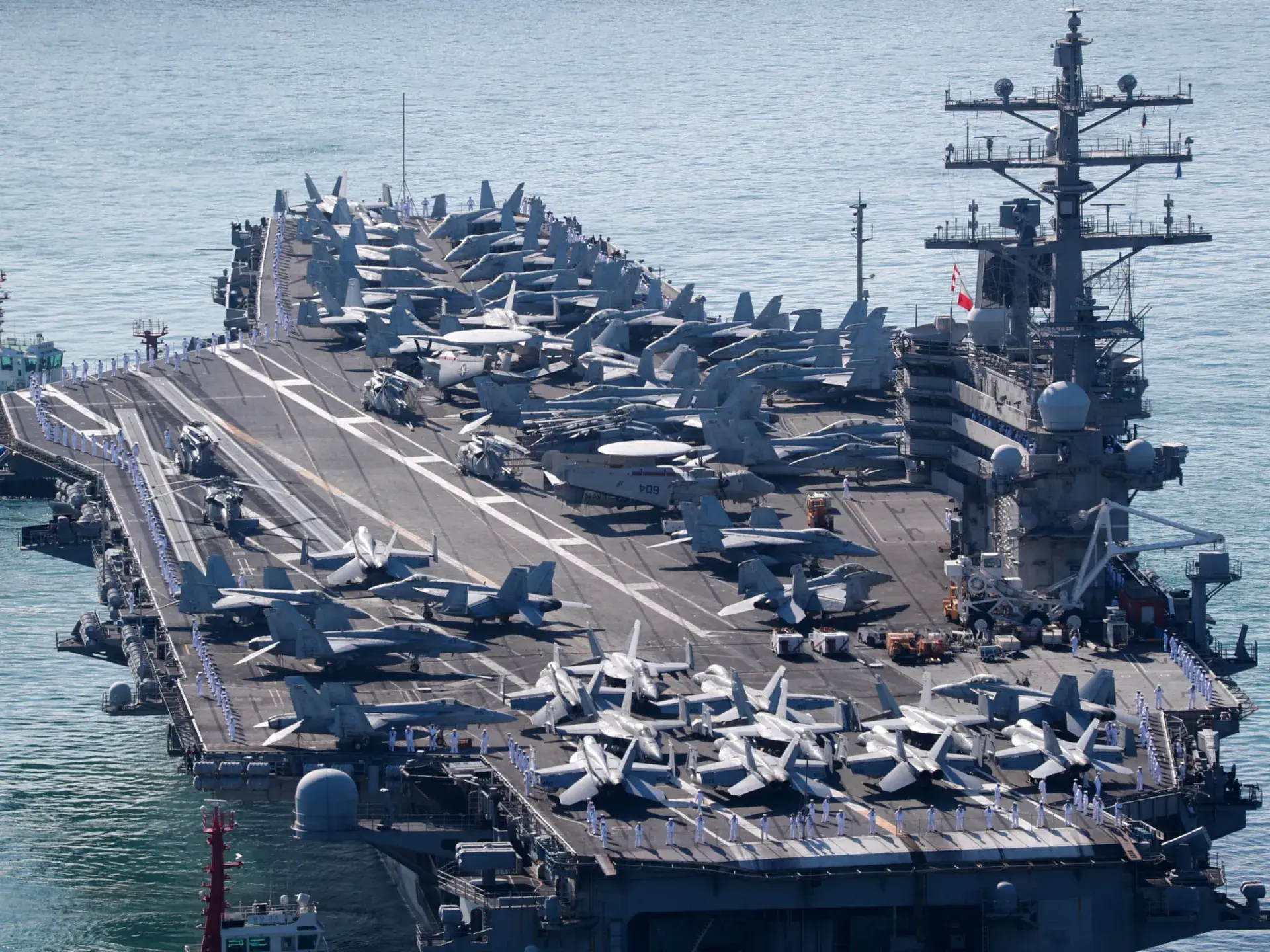
24-Hour Battle Assessment
Daylight operations historically offered better visual confirmation of battle damage. However, modern targeting pods now give strike groups clear, high-resolution damage verification even in the dead of night.
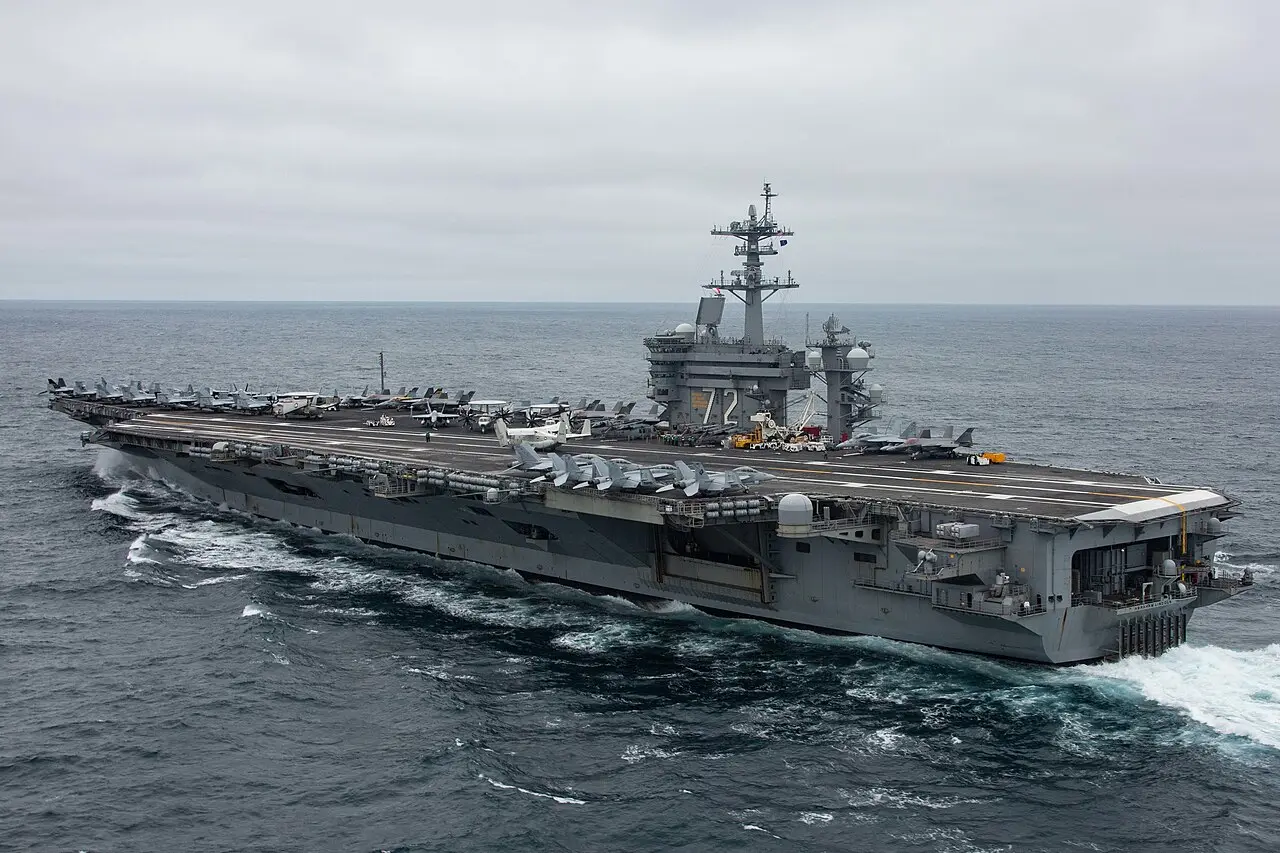
30-Knot Evasion Speed
The Nimitz-class carrier manoeuvres at speeds exceeding 30 knots. Repositioning rapidly at night prevents opposing forces from tracking the ship and accurately predicting the angle of the next incoming attack.
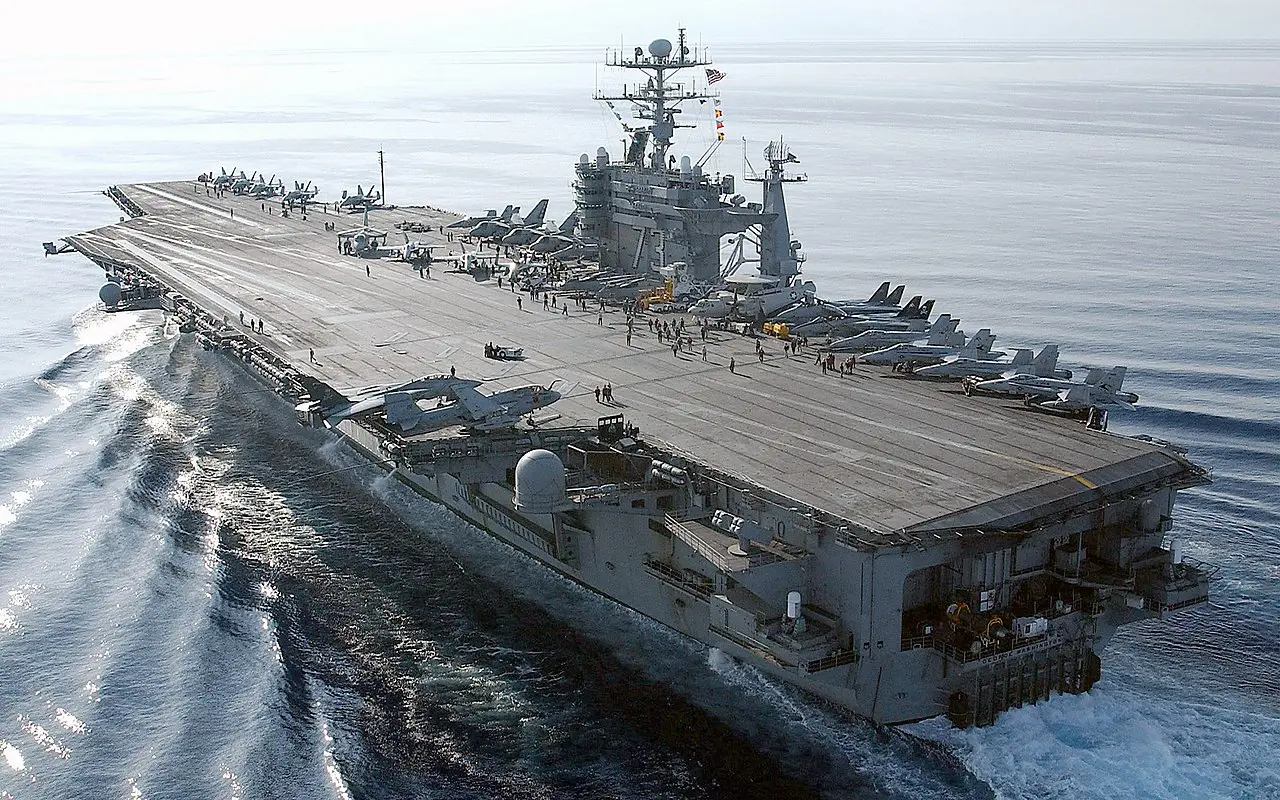
360-Degree Threat Coverage
The USS Abraham Lincoln operates highly efficiently during both day and night. However, nighttime strikes offer superior stealth and survivability, making them the preferred choice for penetrating heavily guarded enemy airspace.
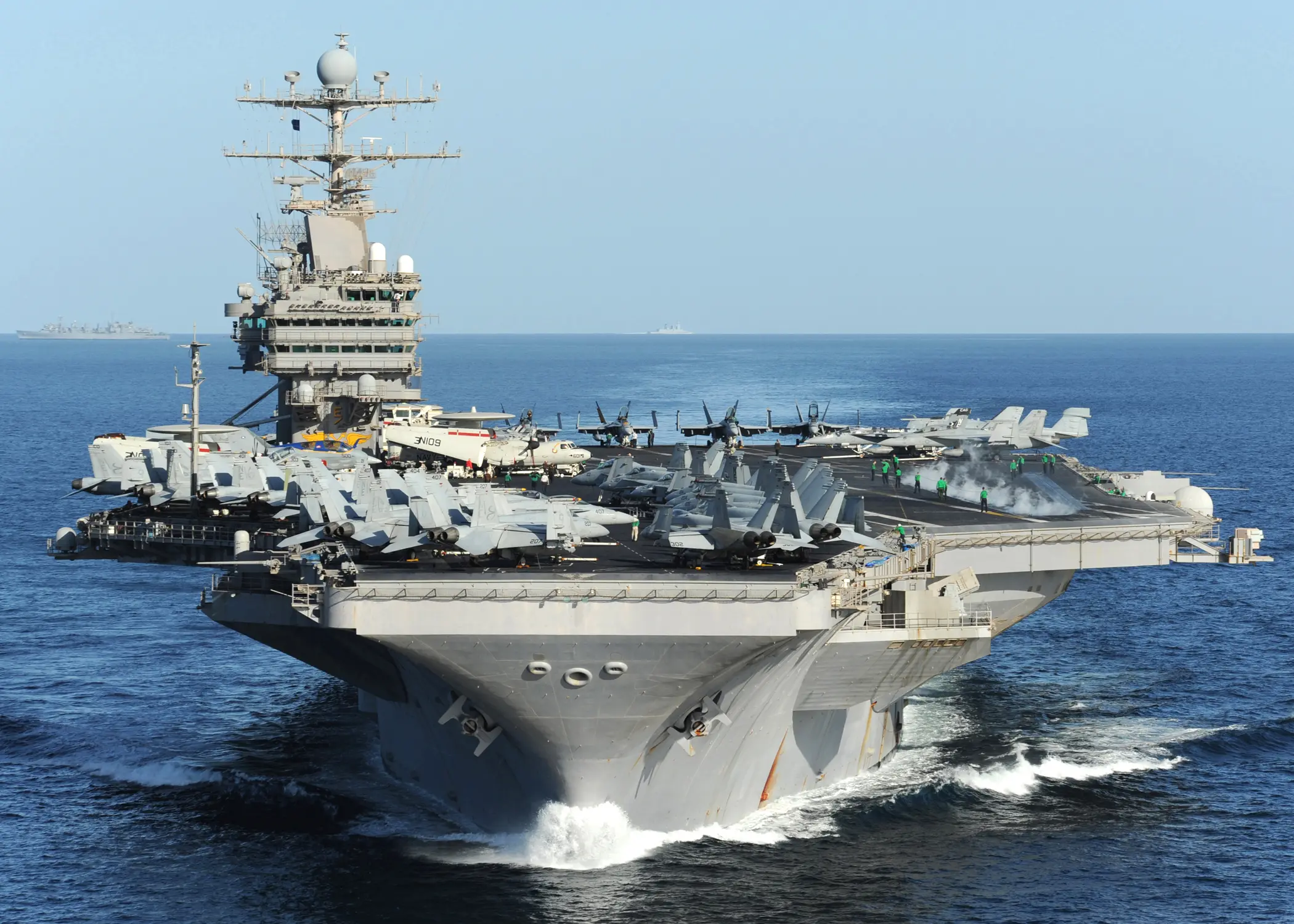
Stealth Strike Payload
To maintain complete radar invisibility during deep-penetration night missions, the F-35C carries its ordnance entirely internally. Armed with up to 5,700 pounds of internal payload, including highly accurate 2,000-pound precision-guided penetrator bombs, these stealth fighters can systematically dismantle hardened command centres and air defences without ever exposing themselves to hostile radar.
)
)
)
)
)