‘Charging overnight’: Does it actually damage your iPhone's battery?

Heat is the main factor that affects battery health. If the phone becomes warm due to a case, bedding, or poor ventilation during overnight charging, chemical aging speeds up. The risk isn’t the duration of charging but the temperature while charging.Untitled Summary
1. How iPhone Batteries Work
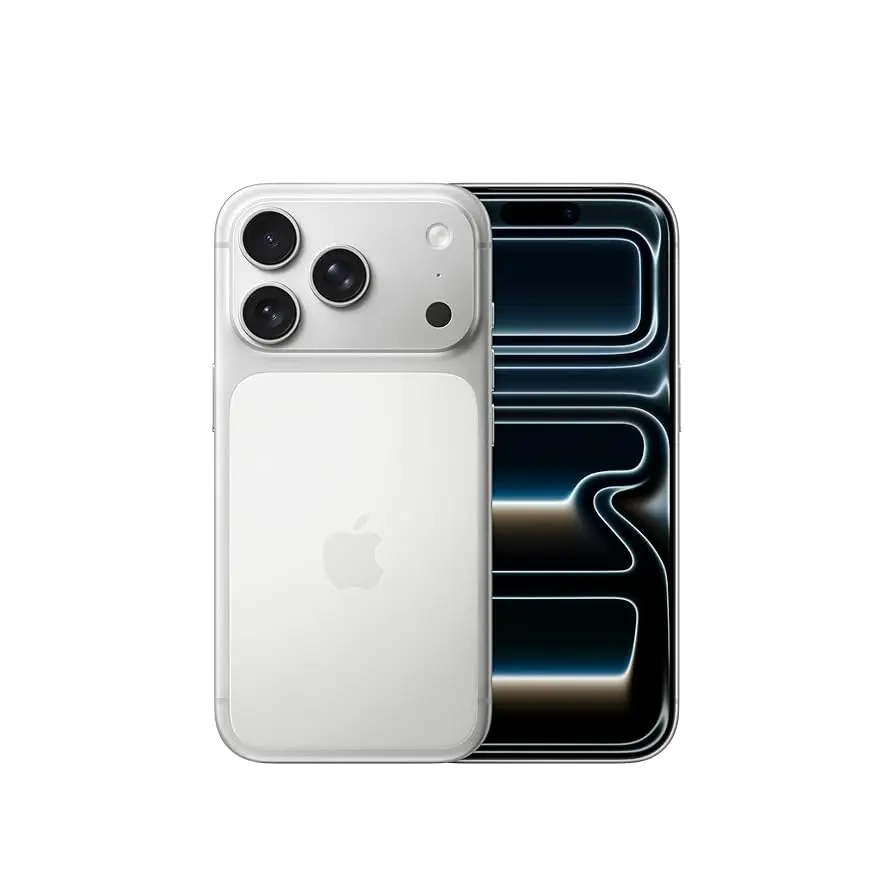
iPhones use lithium-ion batteries, which degrade gradually with each charge cycle. Degradation is influenced by temperature, charge levels, and long-term chemical aging. Overnight charging doesn’t immediately harm the battery, but certain conditions accelerate wear over time.

2. What Actually Happens When You Charge Overnight
When the battery reaches 100% per cent, the iPhone stops charging and runs on external power. It then allows small discharges and top-ups to maintain 100 per cent. These small cycles contribute slightly to long-term wear but are controlled to reduce damage.
3. Temperature Is the Real Risk Factor
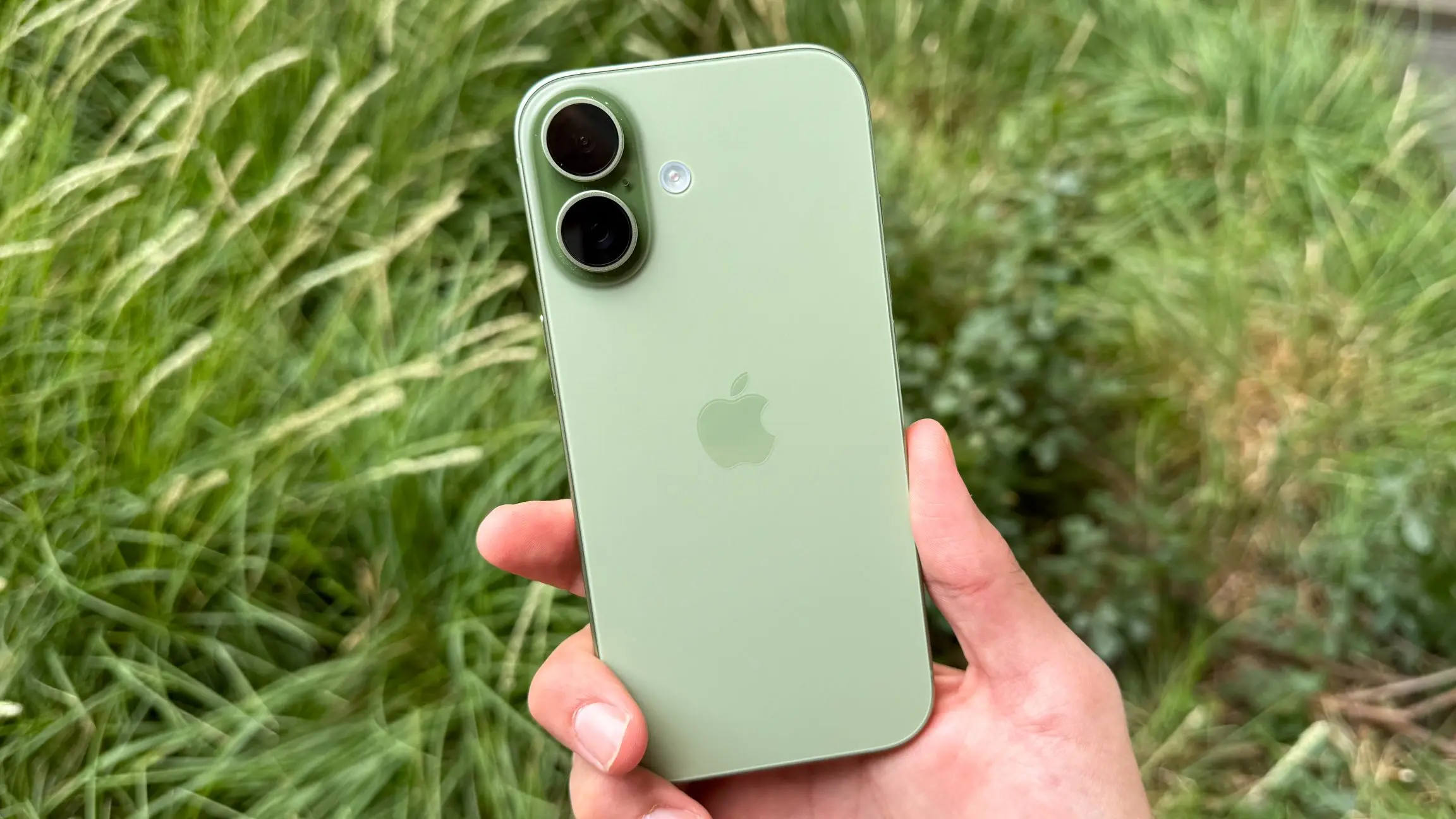
Heat is the main factor that affects battery health. If the phone becomes warm due to a case, bedding, or poor ventilation during overnight charging, chemical aging speeds up. The risk isn’t the duration of charging but the temperature while charging.

4. Optimised Battery Charging Reduces Stress
Recent iOS versions include “Optimised Battery Charging.” It learns your charging habits and waits to complete the last 20% until closer to when you typically unplug. This reduces the time the battery stays at 100%, which helps slow aging.

5. High Charge Levels for Long Hours Affect Battery Chemistry
Lithium-ion batteries age faster when held at 100 per cent for extended periods. Overnight charging keeps the battery at full charge longer than needed, which contributes to gradual wear. It’s not harmful immediately but has a cumulative effect over months and years.
6. Using Fast Chargers Overnight Has No Extra Short-Term Risk
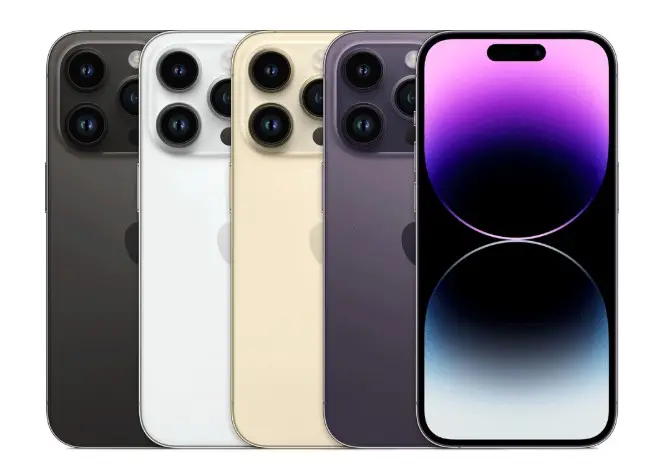
Fast chargers follow Apple’s power management. The phone regulates how much power it draws, preventing overcharging. The main factor remains heat, not the charger wattage. If the phone stays cool, fast charging overnight does not cause additional damage.
7. Practical Conclusion for iPhone Users
- Does overnight charging damage the battery?
Not instantly, but it contributes slowly to long-term chemical aging. - Major risk?
Heat and keeping the battery at 100% for long durations. - Is it unsafe?
No — iPhones have built-in protection systems.
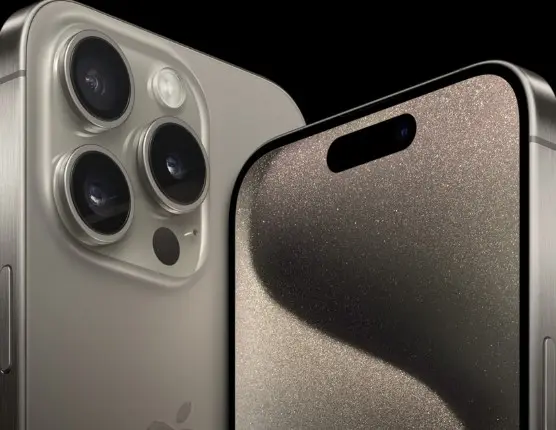
Using “Optimised Battery Charging,” removing thick cases during charging, and avoiding charging under pillows or blankets minimizes long-term battery wear.
)
)
)
)
)