'Capable of stopping drones and missiles midair’: What protects the Gulf from ballistic missile attacks?

The UAE protects its airspace using a multi-layered defence network. Systems like THAAD, Patriot, and Pantsir-S1 work together to track and intercept ballistic missiles and drones midair, successfully neutralising threats while managing the risks of falling debris.

A multi-layered defence strategy
Rather than relying on a single system, the UAE uses overlapping air defence layers to intercept threats at different altitudes. The Ministry of Defence confirmed this architecture successfully stopped recent massive aerial assaults.
The THAAD high-altitude shield
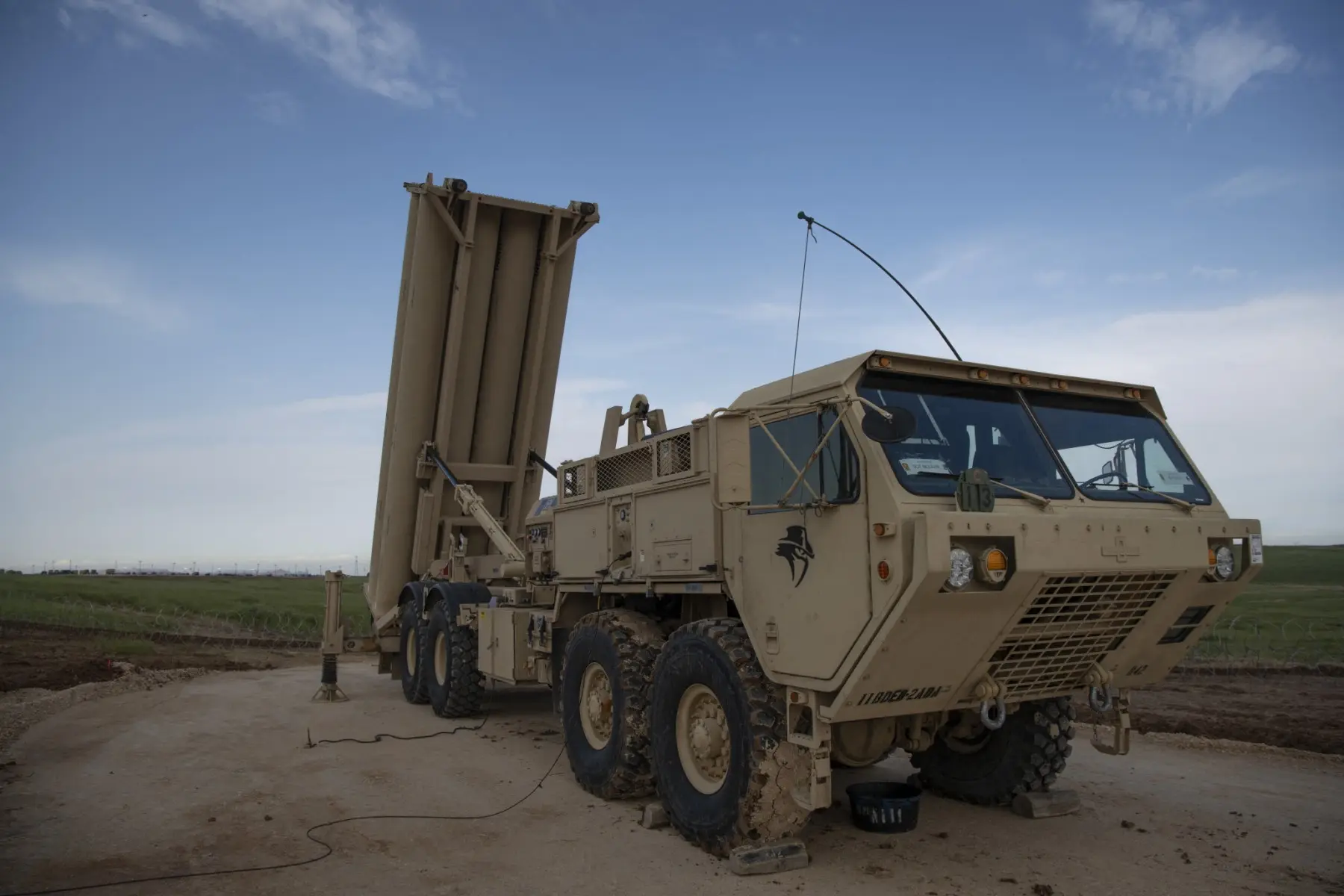
To intercept ballistic missiles outside or just inside the Earth's atmosphere, the UAE deploys the American-made THAAD system. It uses 'hit-to-kill' kinetic technology to destroy incoming missiles during their final descent.

Patriot PAC-3 batteries
If a ballistic missile bypasses THAAD, the MIM-104 Patriot system engages the threat at a lower altitude. These combat-proven batteries are specifically designed to shoot down tactical missiles and hostile aircraft.
Neutralising drone swarms
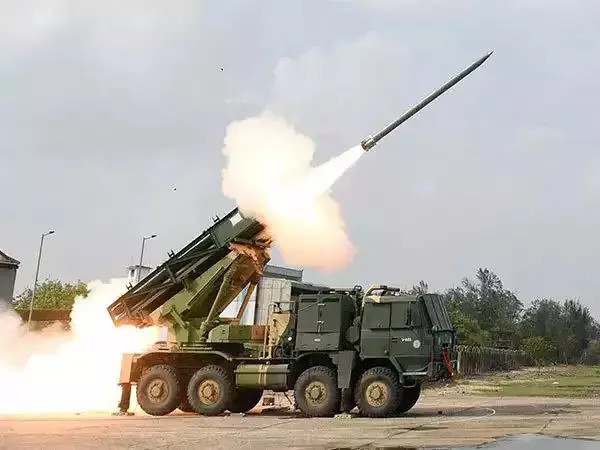
To counter low-flying threats like drones, the Emirati military utilises the Russian-made Pantsir-S1 and the SkyKnight system. These short-range defences combine rapid-fire cannons and missiles to protect critical infrastructure.

Medium-range interception
The UAE recently expanded its shield by integrating South Korea's Cheongung II (M-SAM) and the jointly developed Barak-8 systems. These additions enhance the country's capability to intercept precision-guided munitions midair.
Advanced radar detection
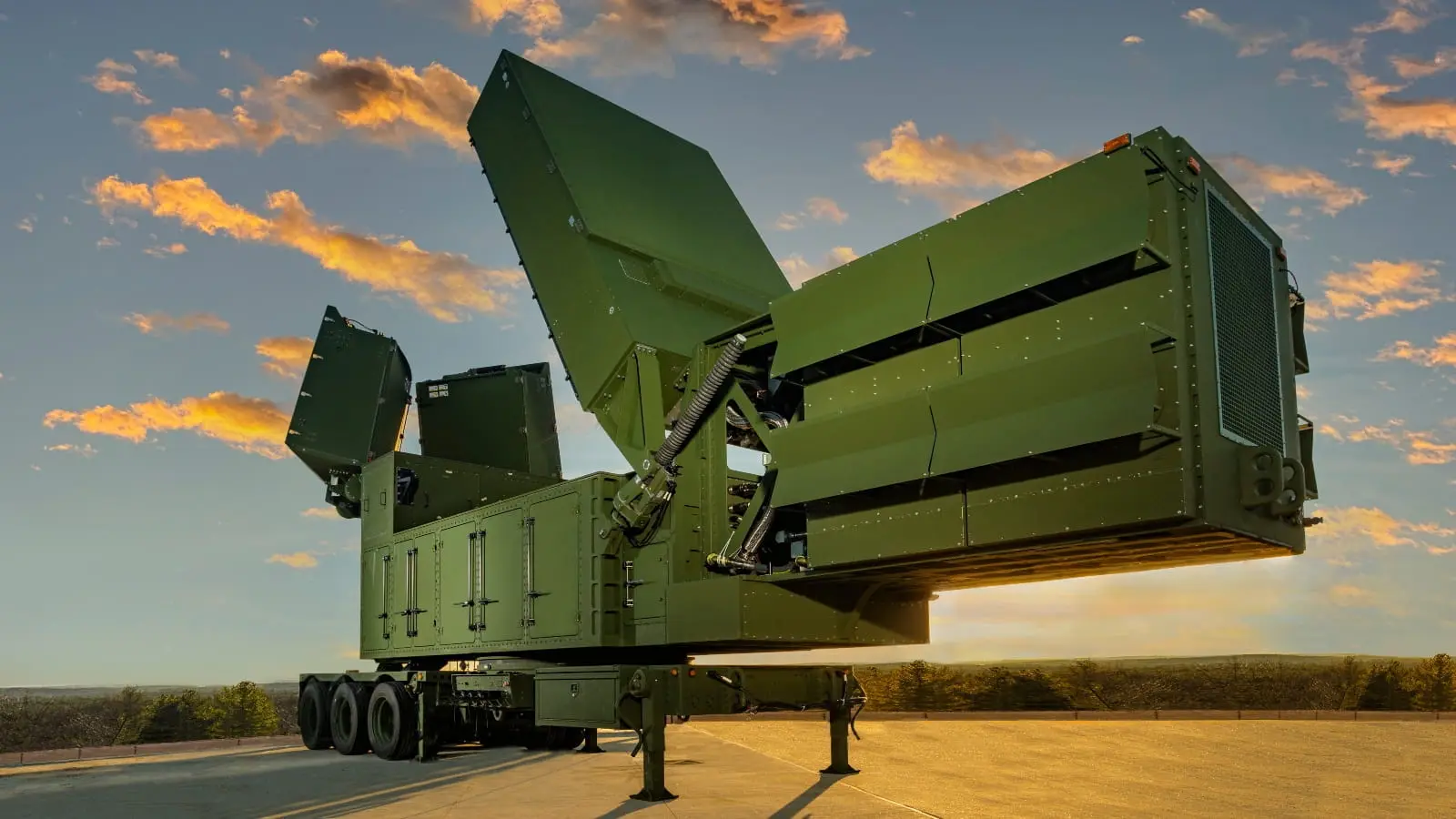
Intercepting a missile travelling at hypersonic speeds requires early-warning sensors that detect launches within seconds. High-powered tracking radars instantly calculate the speed and trajectory to guide interceptors to a precise midair collision point.

The risk of falling debris
While these systems boast a 96 per cent interception rate, destroying a missile midair scatters structural fragments over wide areas. Officials note that falling debris remains a deadly risk to civilians even during successful defence operations.
)
)
)
)
)