'Brass Screws': How the USS Abraham Lincoln pushes 100,000 tons

The 100,000-tonne USS Abraham Lincoln uses two nuclear reactors and four 30-tonne bronze screws to generate 260,000 horsepower, allowing speeds over 30 knots to support 90 aircraft.
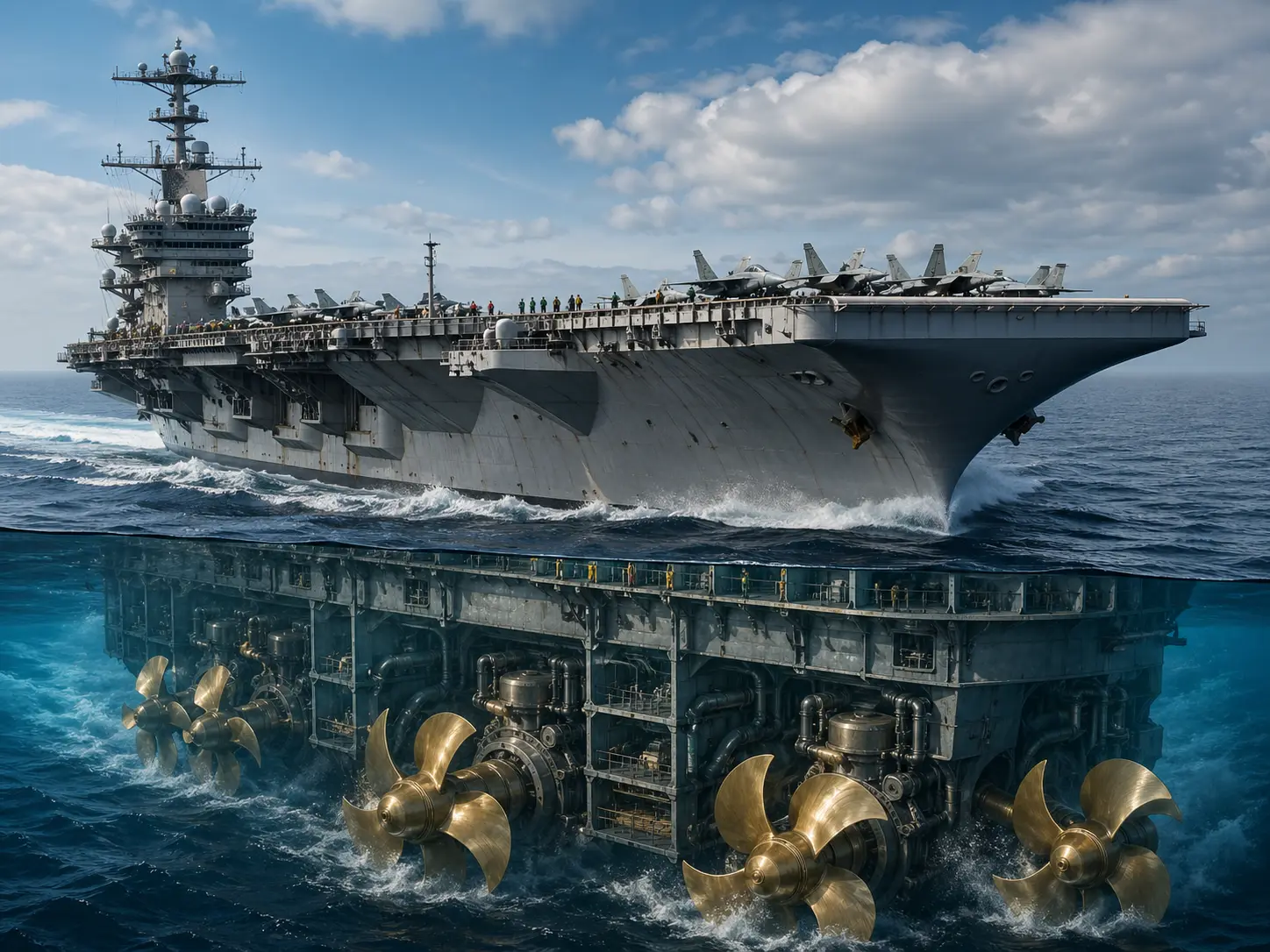
100,000 Tonnes Displaced Water
The USS Abraham Lincoln displaces approximately 100,000 tonnes of water when fully loaded for deployment. Moving this significant weight requires a continuous and heavy-duty propulsion system. The ship relies on nuclear energy to navigate through various sea conditions globally.
Two A4W Nuclear Reactors
Two onboard Westinghouse A4W pressurized water reactors generate the heat needed for the propulsion system. This heat boils water into high-pressure steam, directed through a complex piping network. These reactors allow the carrier to operate for over 20 years without refuelling.
260,000 Shaft Horsepower Output
The high-pressure steam drives four main turbines located deep inside the hull. These turbines collectively produce 260,000 shaft horsepower. This energy is transferred directly to four heavy propulsion shafts running to the stern of the vessel.
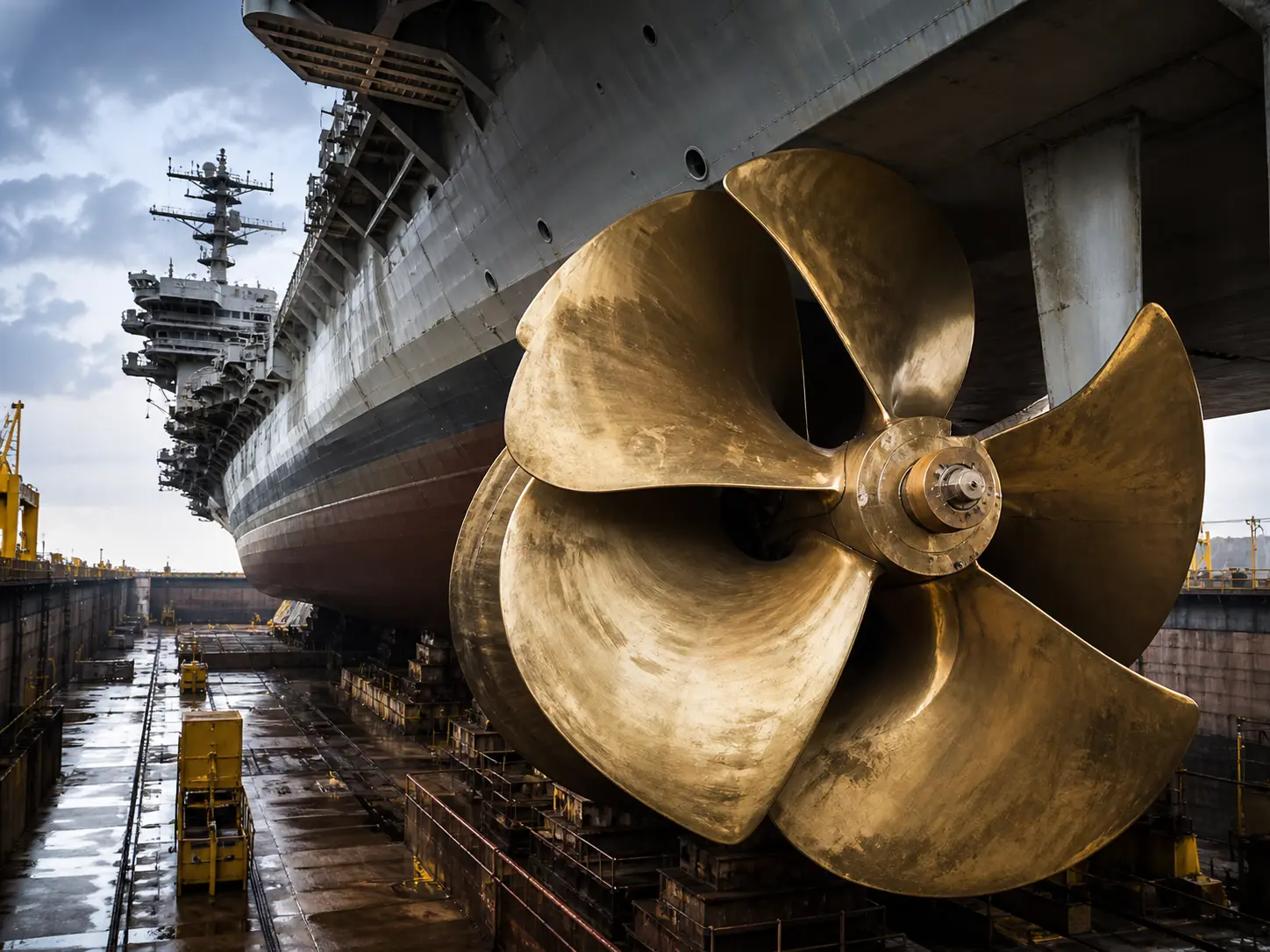
Four 30-Tonne Brass Screws
At the end of each shaft sits a five-bladed propeller, commonly referred to as a screw. Each screw is cast from a high-strength manganese-bronze alloy and weighs 30 tonnes. They measure 6.4 metres in diameter, designed to efficiently bite into the ocean water.
Over 30-Knot Top Speed
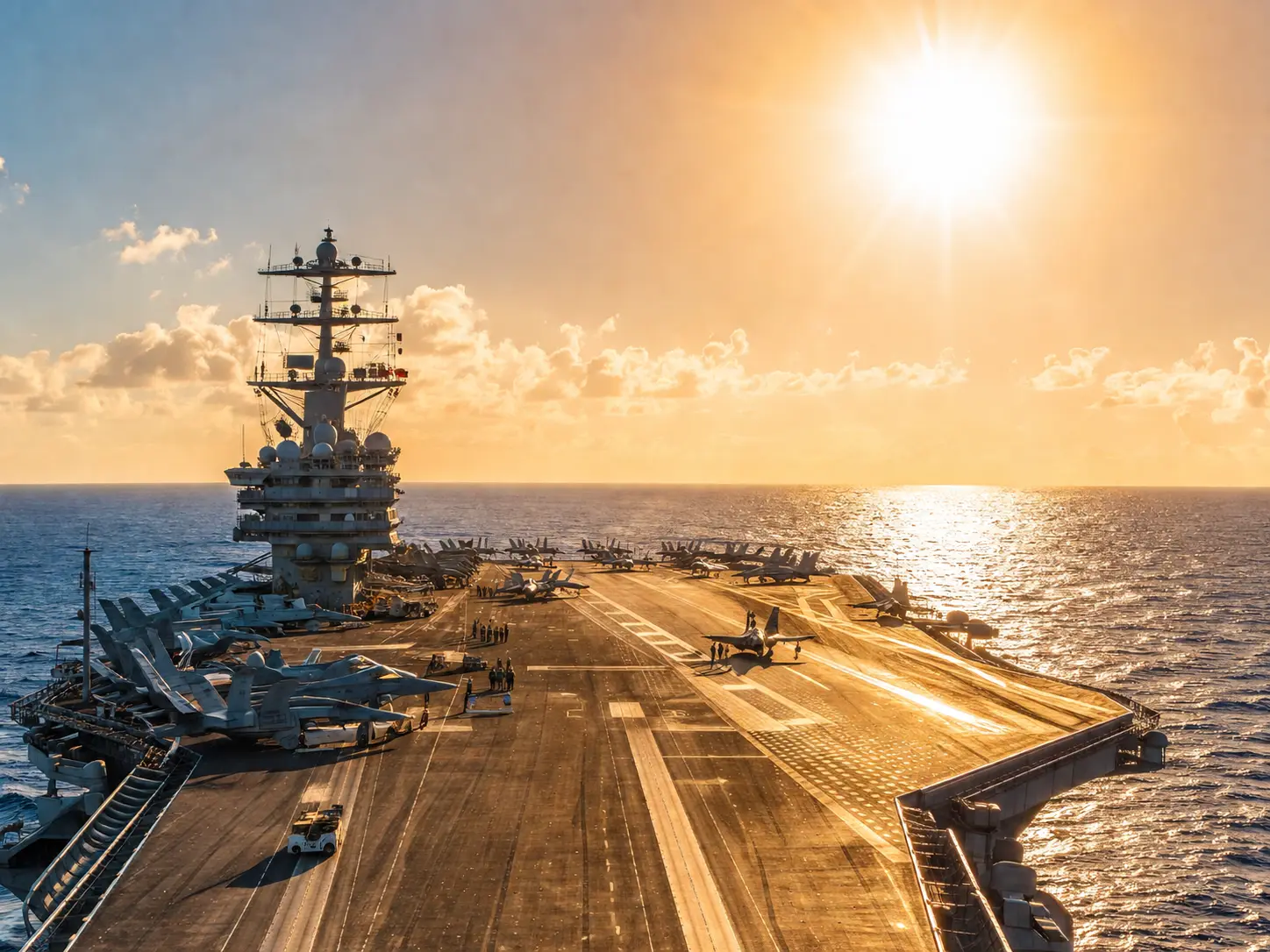
When all four screws operate at maximum capacity, the aircraft carrier can achieve speeds exceeding 30 knots. This translates to roughly 56 kilometres per hour on the open ocean. Speed is an operational requirement for creating the necessary wind over the deck to launch jets.
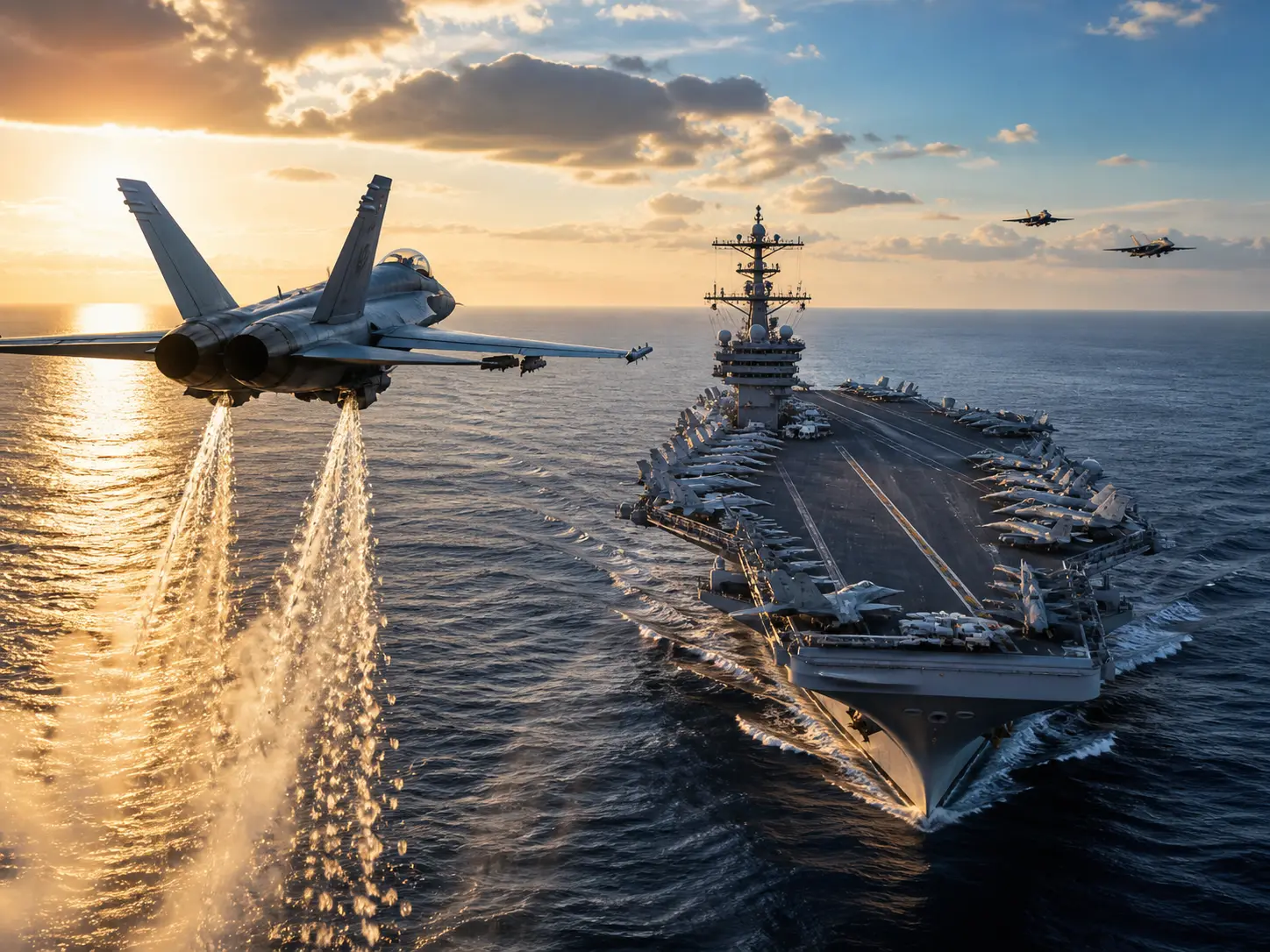
90 Aircraft Capacity Maintained
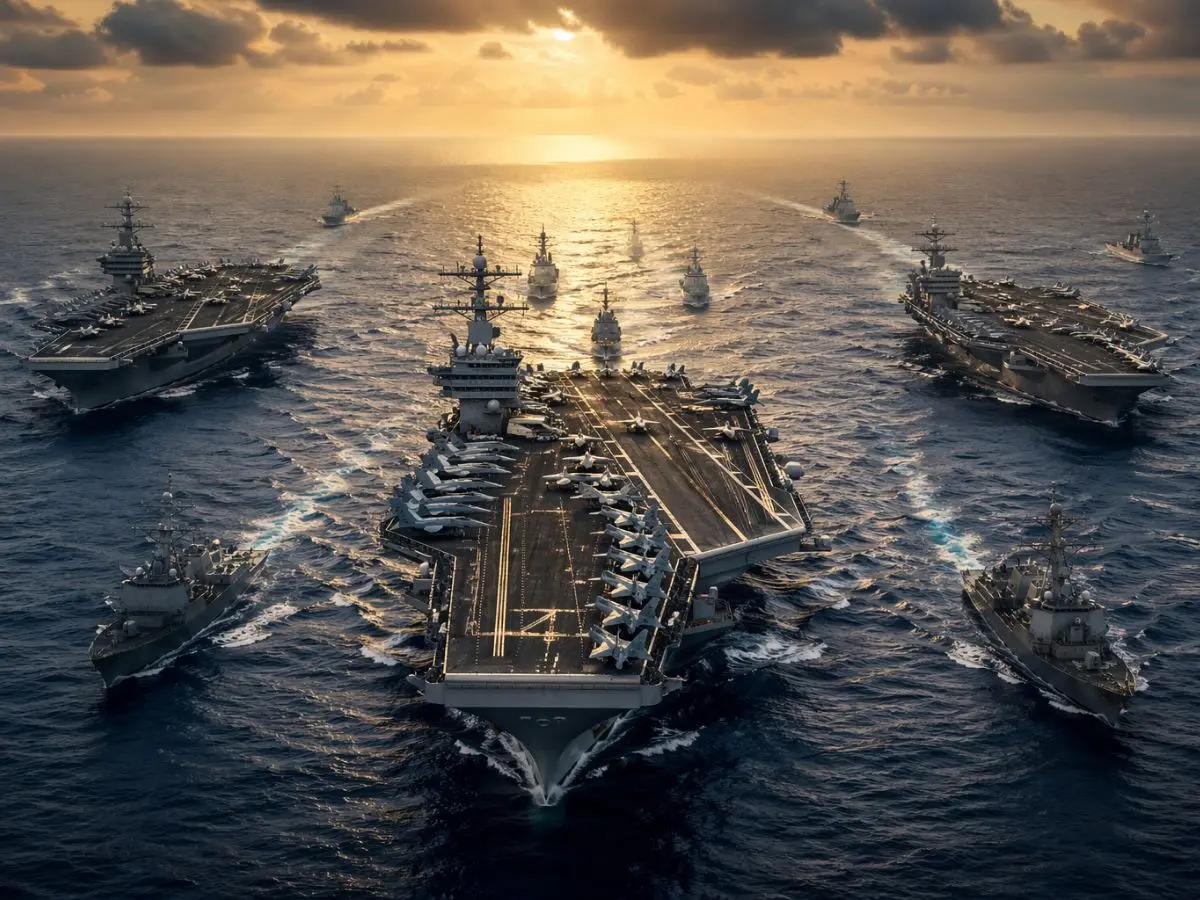
The propulsion system must be reliable to maintain a constant wind speed for daily flight operations. The carrier houses up to 90 fixed-wing aircraft and helicopters at any given time. Maintaining a steady course ensures pilots can land safely during day or night missions.
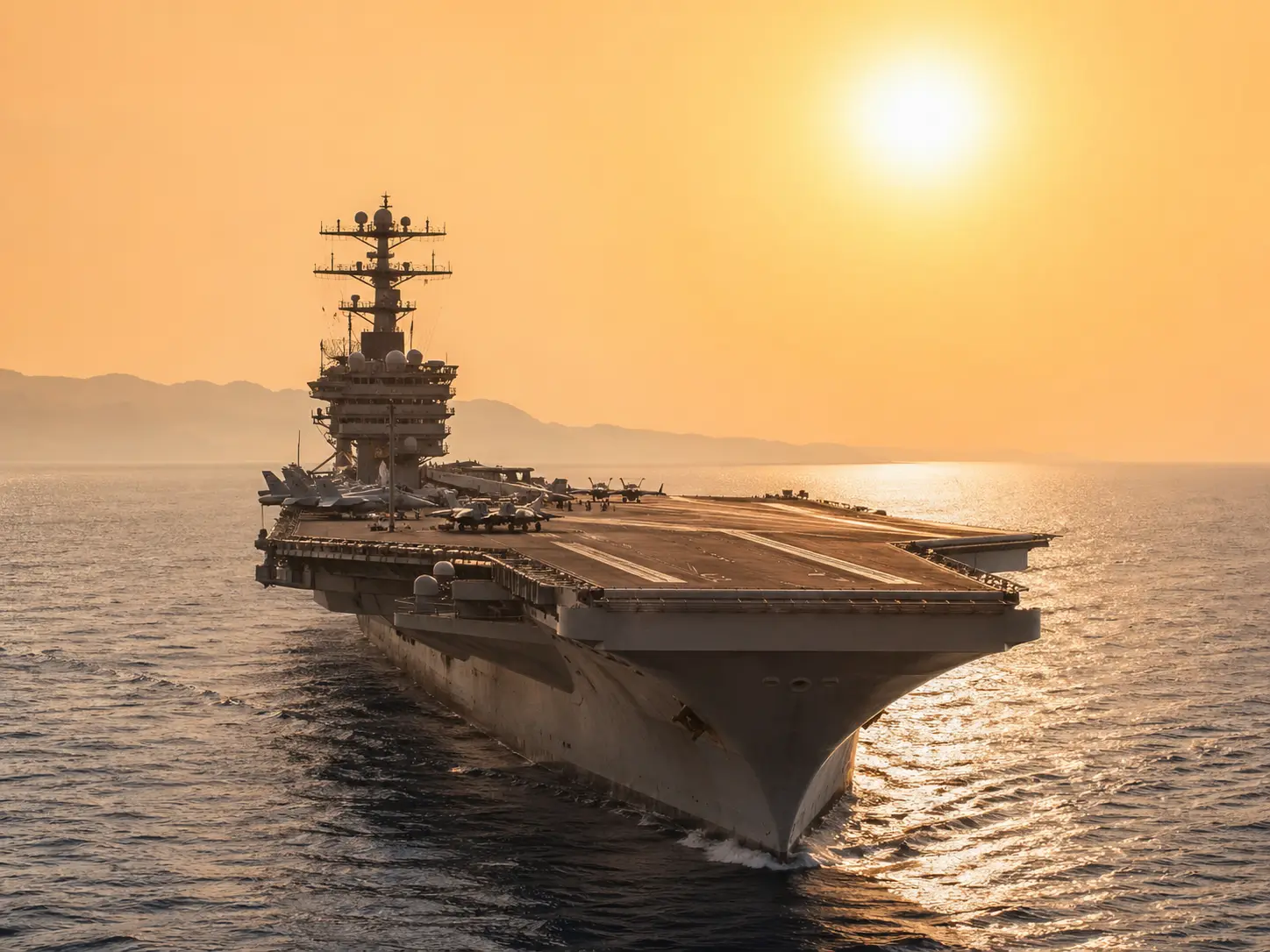
50 Years Service Life
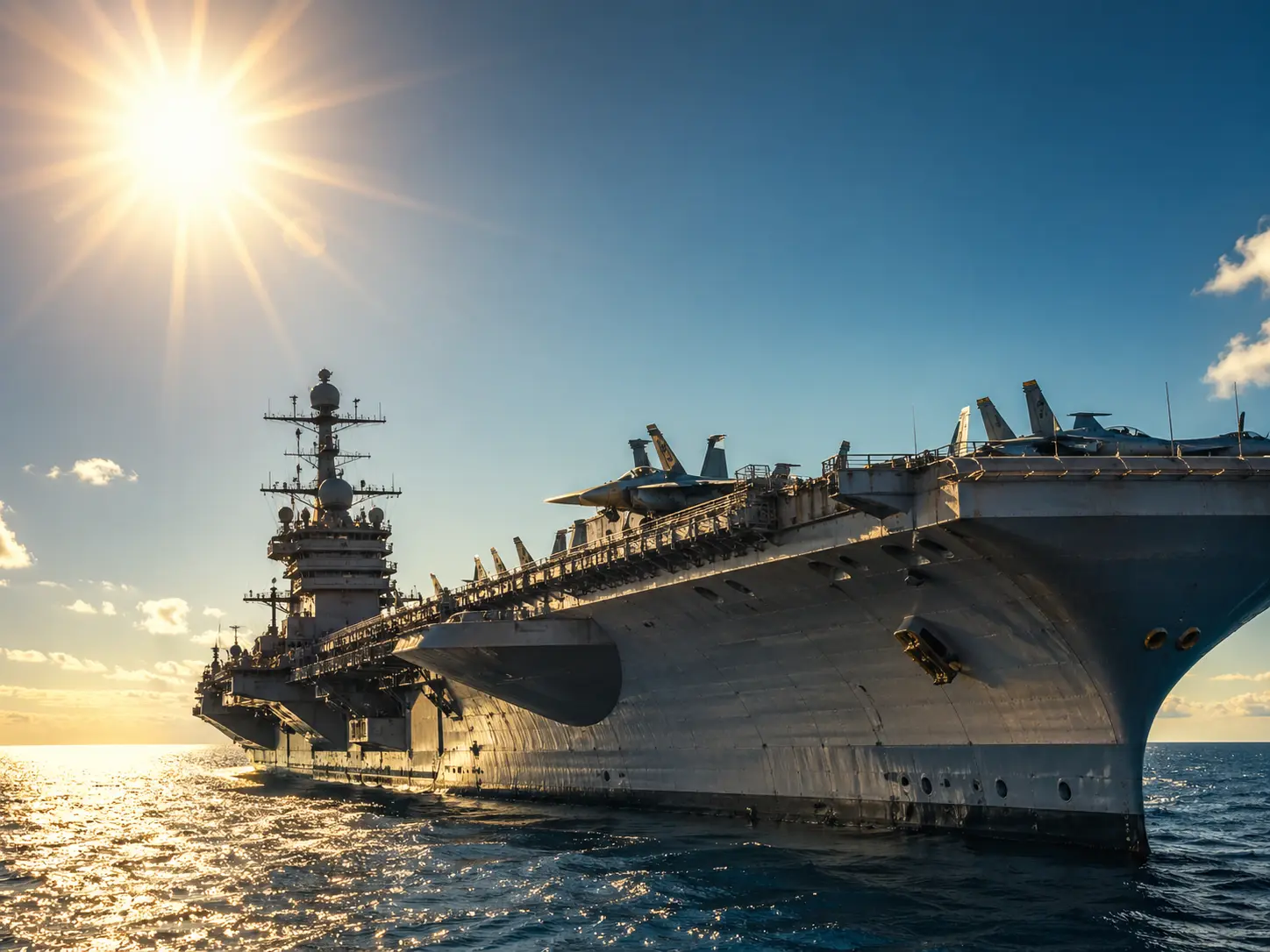
The use of durable materials like the manganese-bronze alloy prevents severe structural damage over time. The five-bladed design reduces underwater cavitation, meaning the propellers push water efficiently without wasting energy. The vessel is designed to have a service life of over 50 years.
)
)
)
)
)