‘Beyond yellow gold’: 10 countries producing the most white gold in the world

China, Russia, Australia, Canada, and the US lead white gold production. Their refining processes create durable, elegant alloys used worldwide in jewellery and industry.
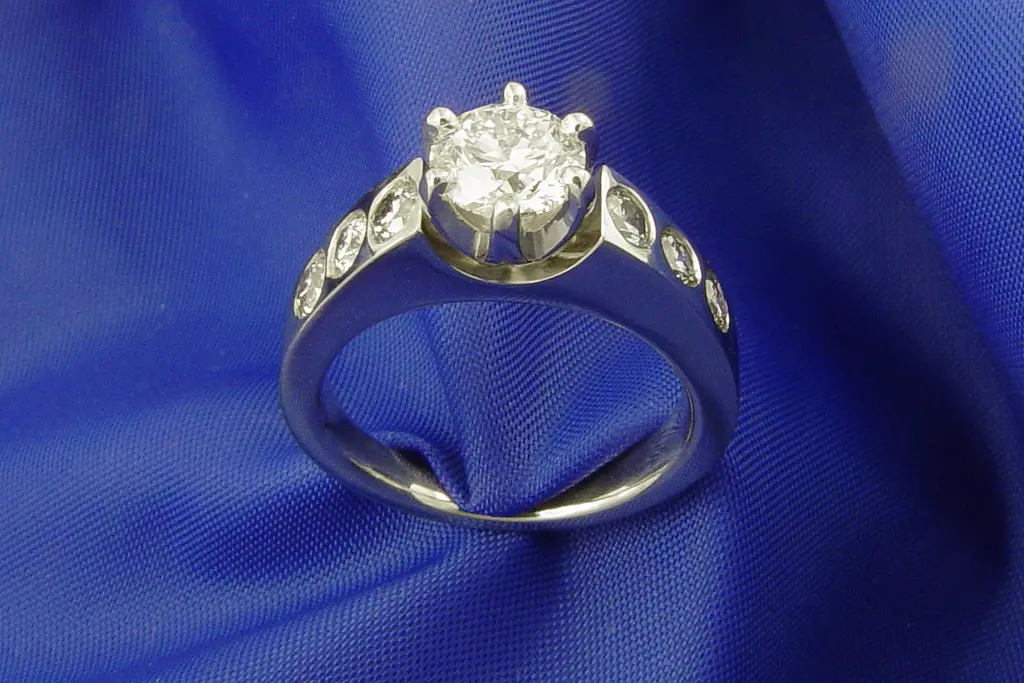
White Gold?
White gold is made by mixing pure gold with metals like palladium, nickel, or silver. This alloy gives white gold its bright silvery shine. It is popular for jewellery because it resembles platinum but is more affordable and durable. White gold production requires quality refining and precise alloying techniques to keep purity and strength high.
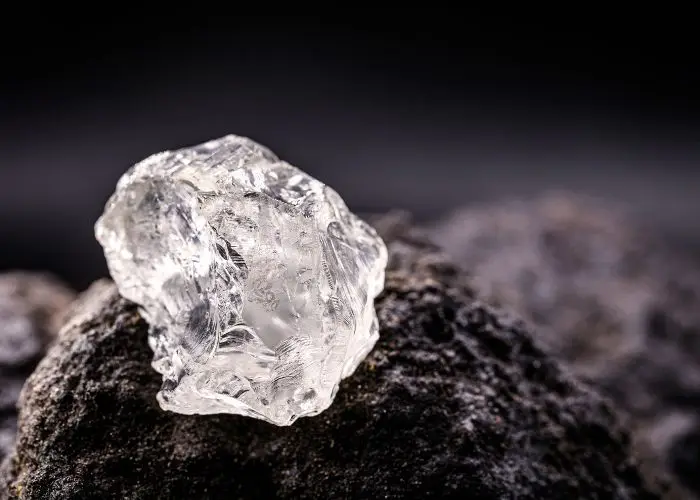
China
China leads global gold production with an output close to 380 metric tonnes in 2025. Key mining states like Shandong and Inner Mongolia focus on mining and refining gold, which is then mixed to make white gold alloys for jewellery and industrial uses worldwide.

Russia
Russia produces around 320 metric tonnes of gold annually. Russian refineries excel at combining gold with palladium and other metals to produce strong white gold alloys. Mining in Siberia supplies much of this, helping Russia remain a global player in precious metals.
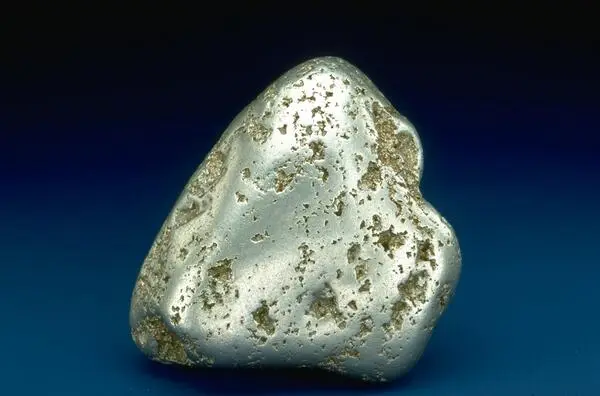
Australia
Australia mines about 310 metric tonnes of gold per year. It is known for sustainable mining practices and uses advanced refining technology to create high-quality white gold. Australian white gold has high demand both locally and internationally.
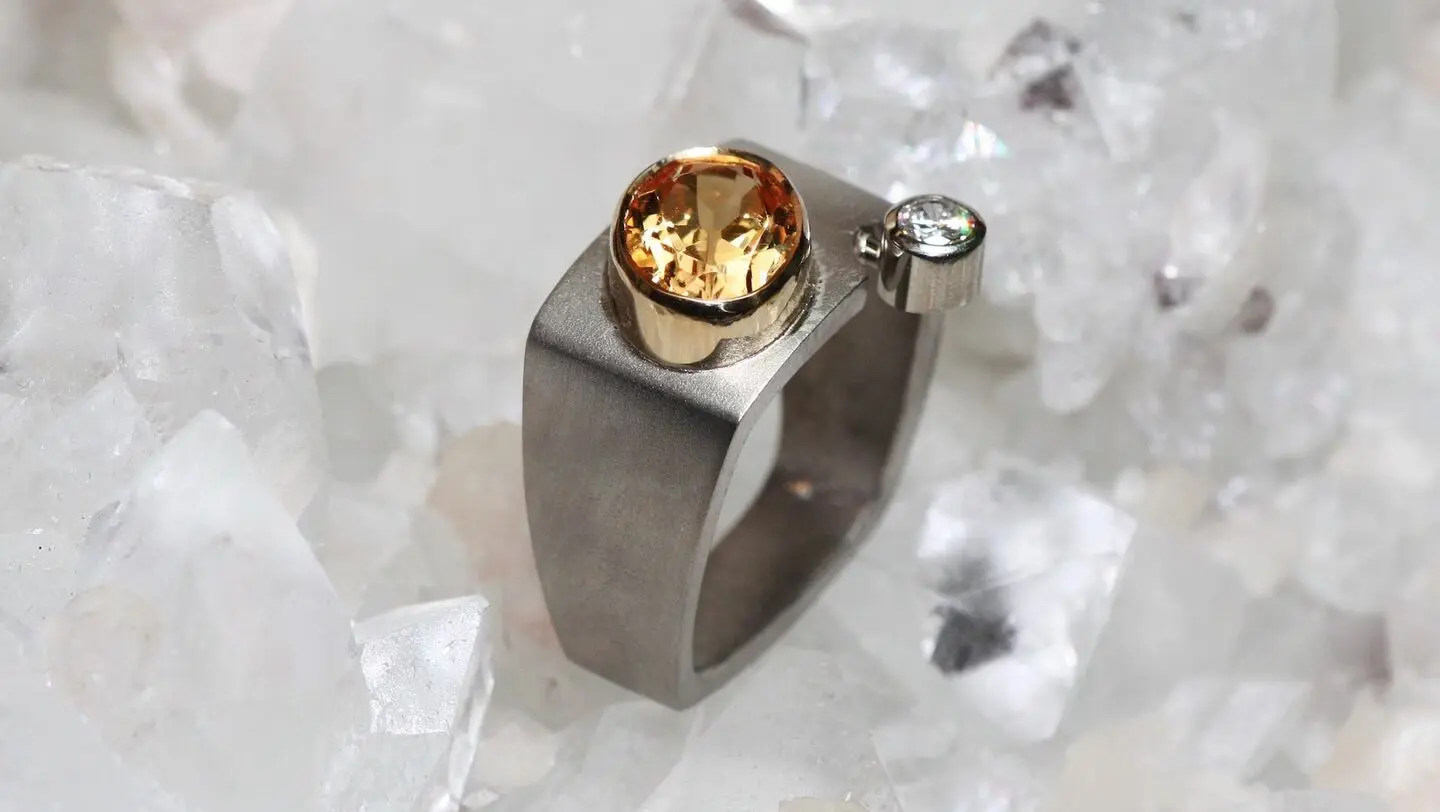
Canada
Canada produces roughly 200 metric tonnes annually with a focus on premium gold purity. Canadian producers use clean refining methods to produce white gold often used in luxury jewellery lines. Mining regions like Ontario are vital.
United States
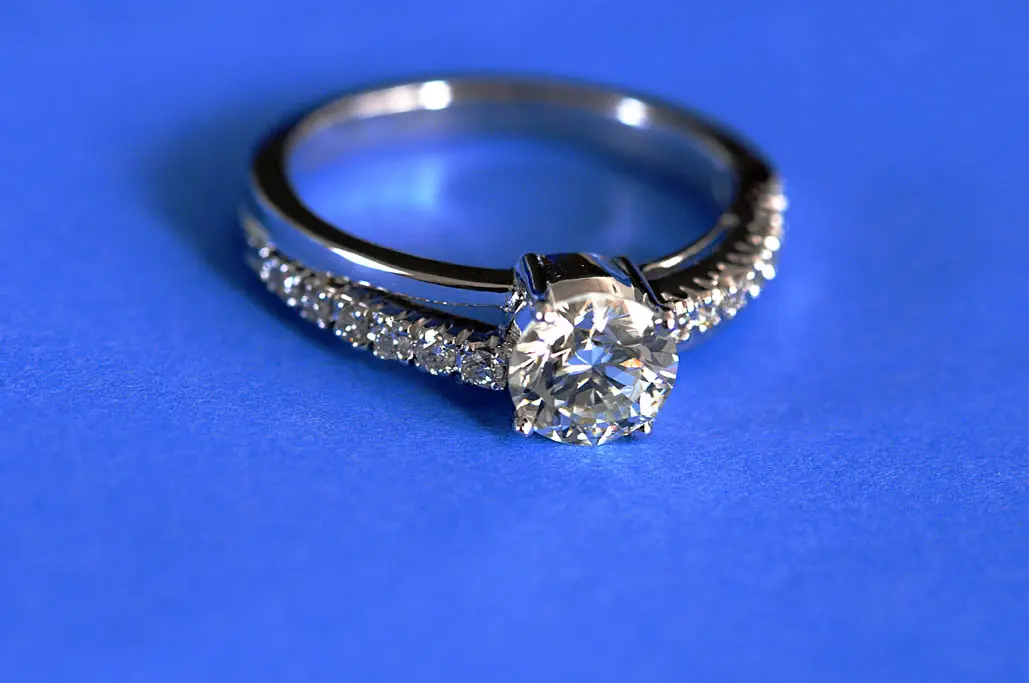
The US mines about 170 metric tonnes yearly. US refineries are leaders in developing hypoallergenic white gold using palladium alloys. This innovation suits people with nickel allergies and expands white gold’s jewellery market.
South Africa
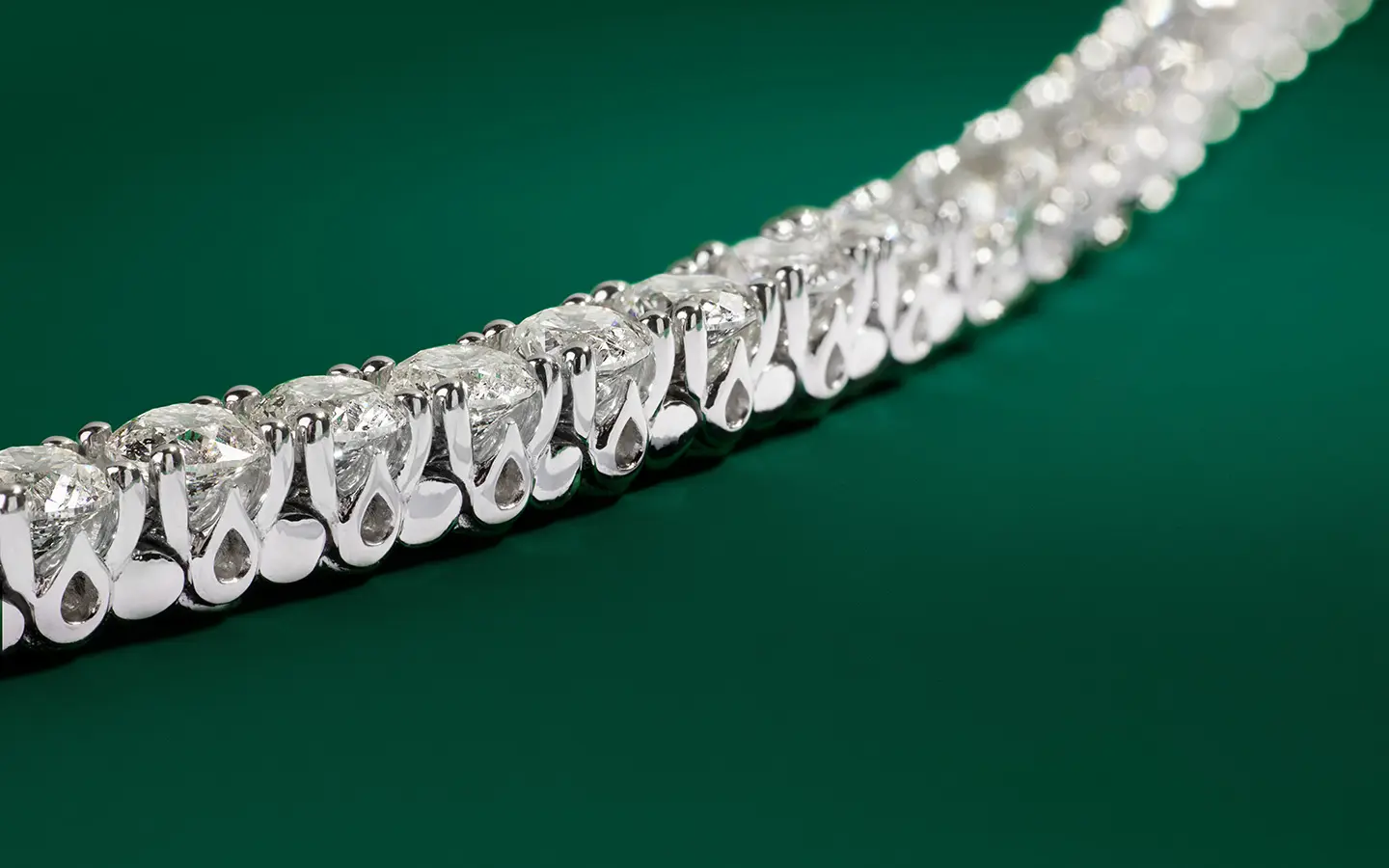
South Africa mines roughly 100 metric tonnes. With a rich mining history, South Africa refines gold into various alloys including white gold. Its expertise lies in reliable refining processes supporting global jewellery brands.
Peru
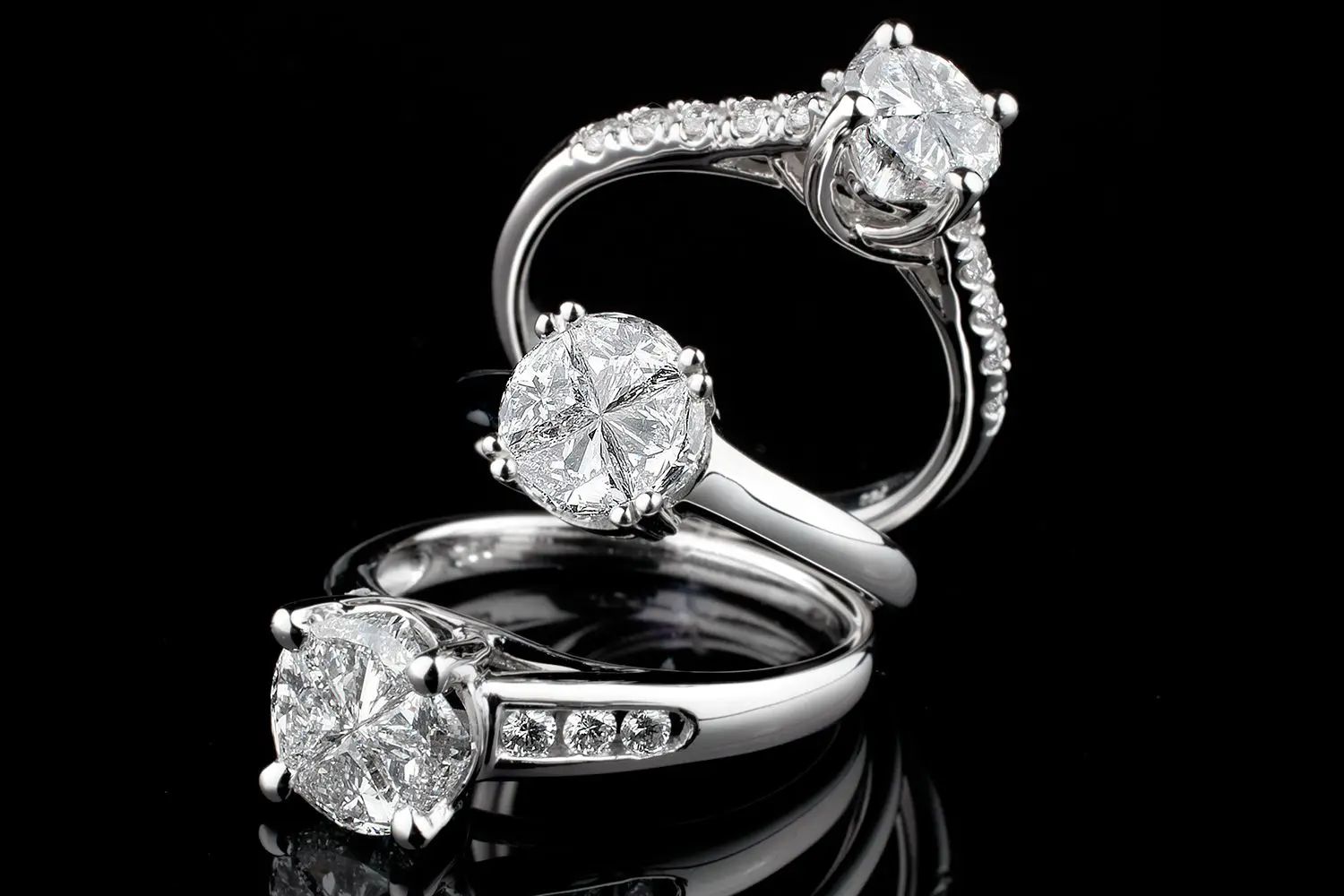
Peru produces around 130 metric tonnes of gold yearly. Investments in modern technology have improved mining and refining, allowing Peru to increase white gold production for export.
Mexico
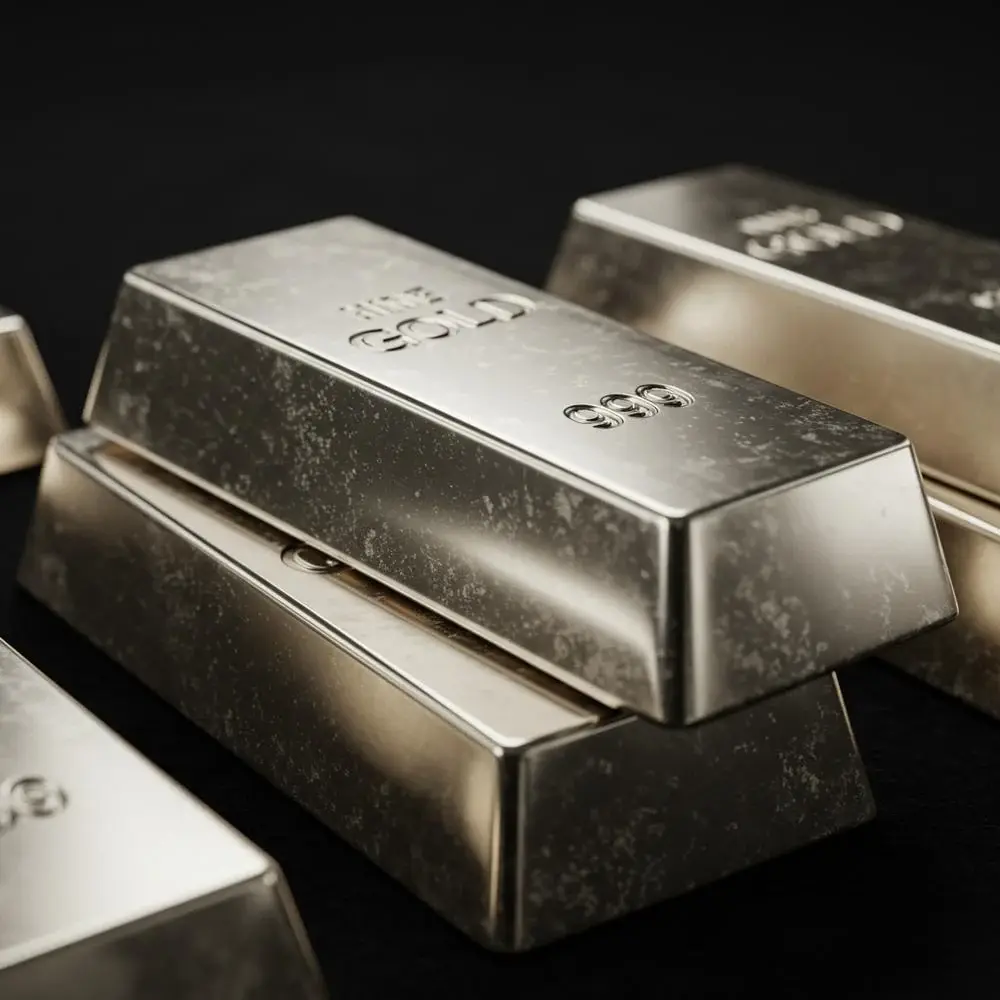
Mexico mines approximately 125 metric tonnes annually. Its expanding refining sector produces white gold alloys for both domestic consumption and export markets, supporting a growing jewellery industry.
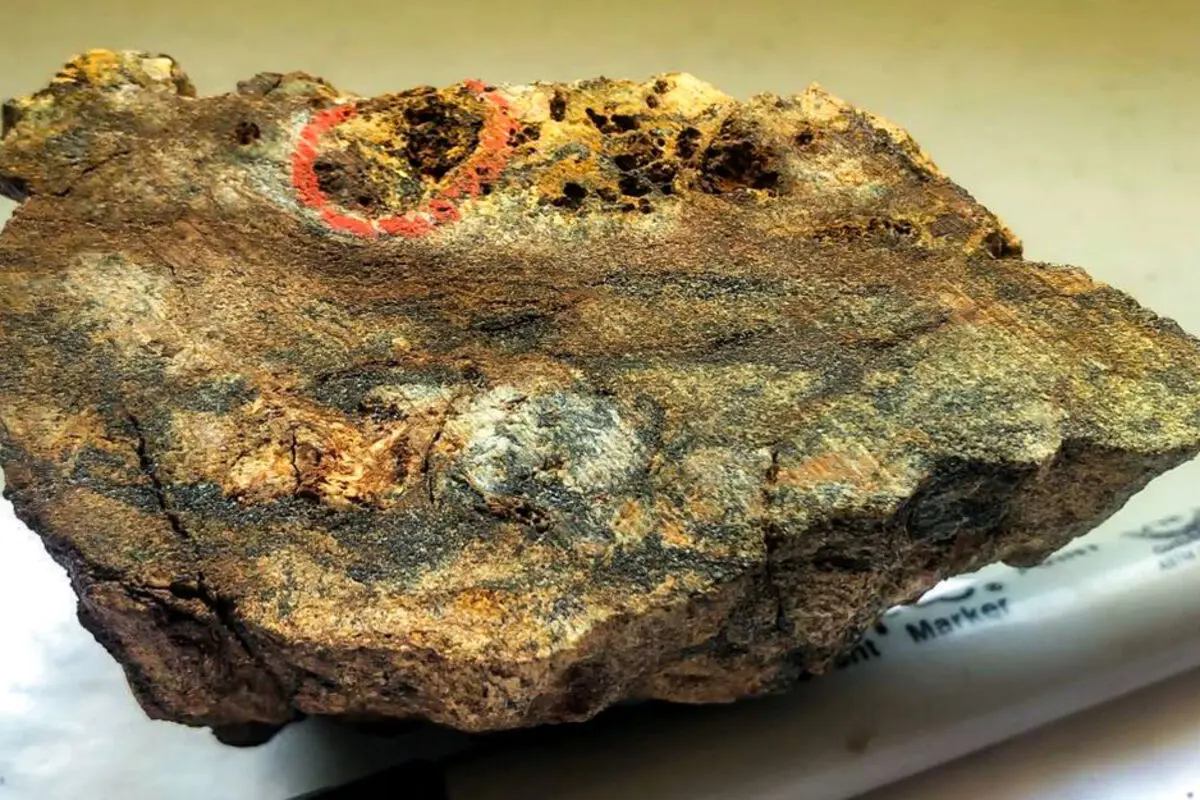
Uzbekistan
Uzbekistan produces nearly 120 metric tonnes, mostly from mines like Muruntau . With increased investment in mining infrastructure, it is establishing a foothold in the white gold market globally.
)
)
)
)
)