‘Be fearful when others are greedy’: 10 Warren Buffett quotes that explain how he thinks about money

Warren Buffett’s famous quotes reveal his calm, disciplined approach to money and investing. From buying during fear and avoiding losses to valuing strong businesses over cheap stocks, his philosophy is built on patience, research and long-term thinking rather than short-term market noise.
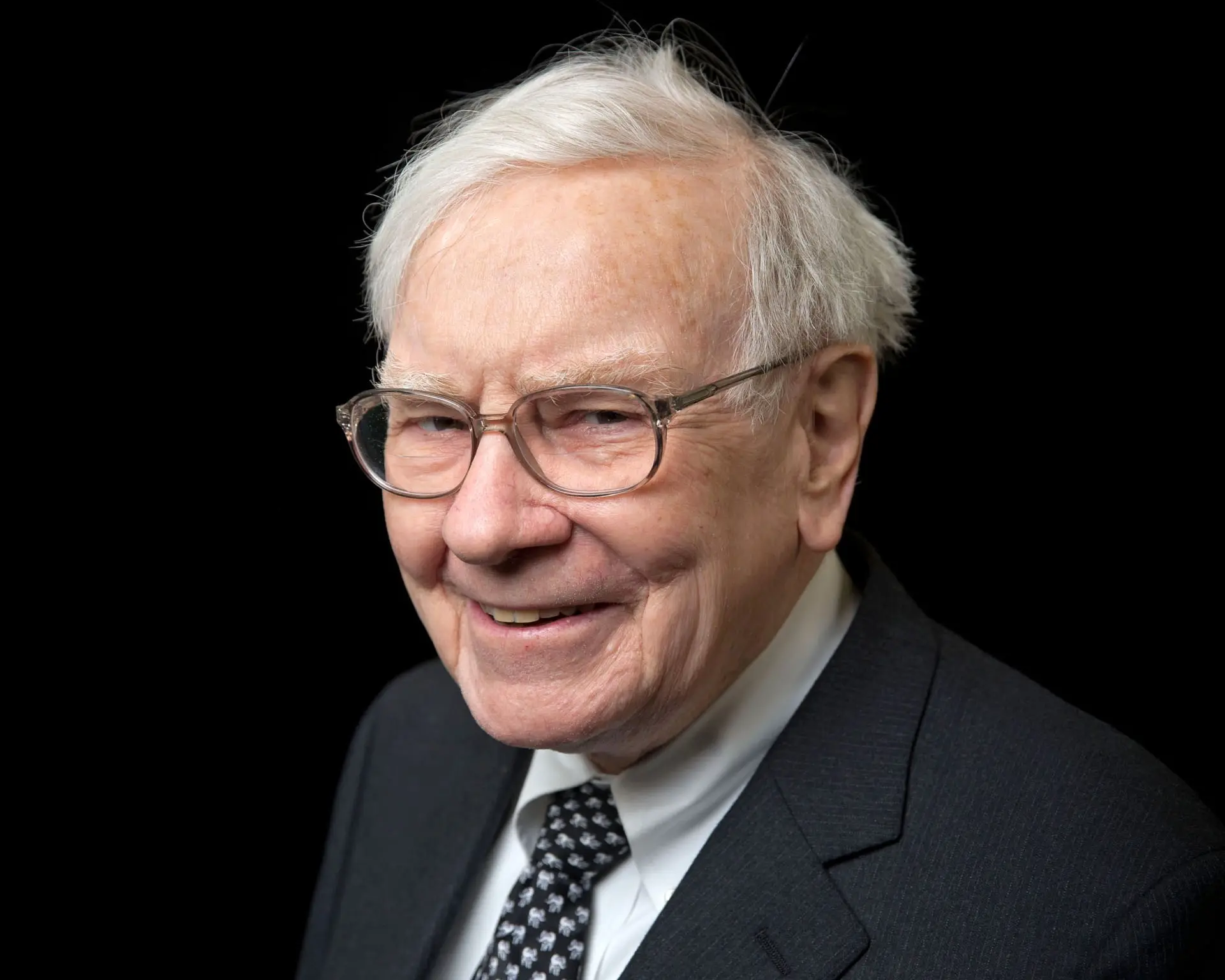
"Be Fearful When Others Are Greedy"
Warren Buffett's most famous quote teaches investors recognising when stock market enthusiasm becomes excessive and irrational requiring caution during speculative bubbles.
Analysts believe that this contrarian approach prevented Buffett losing money during technology bubble 2000 dotcom crash.
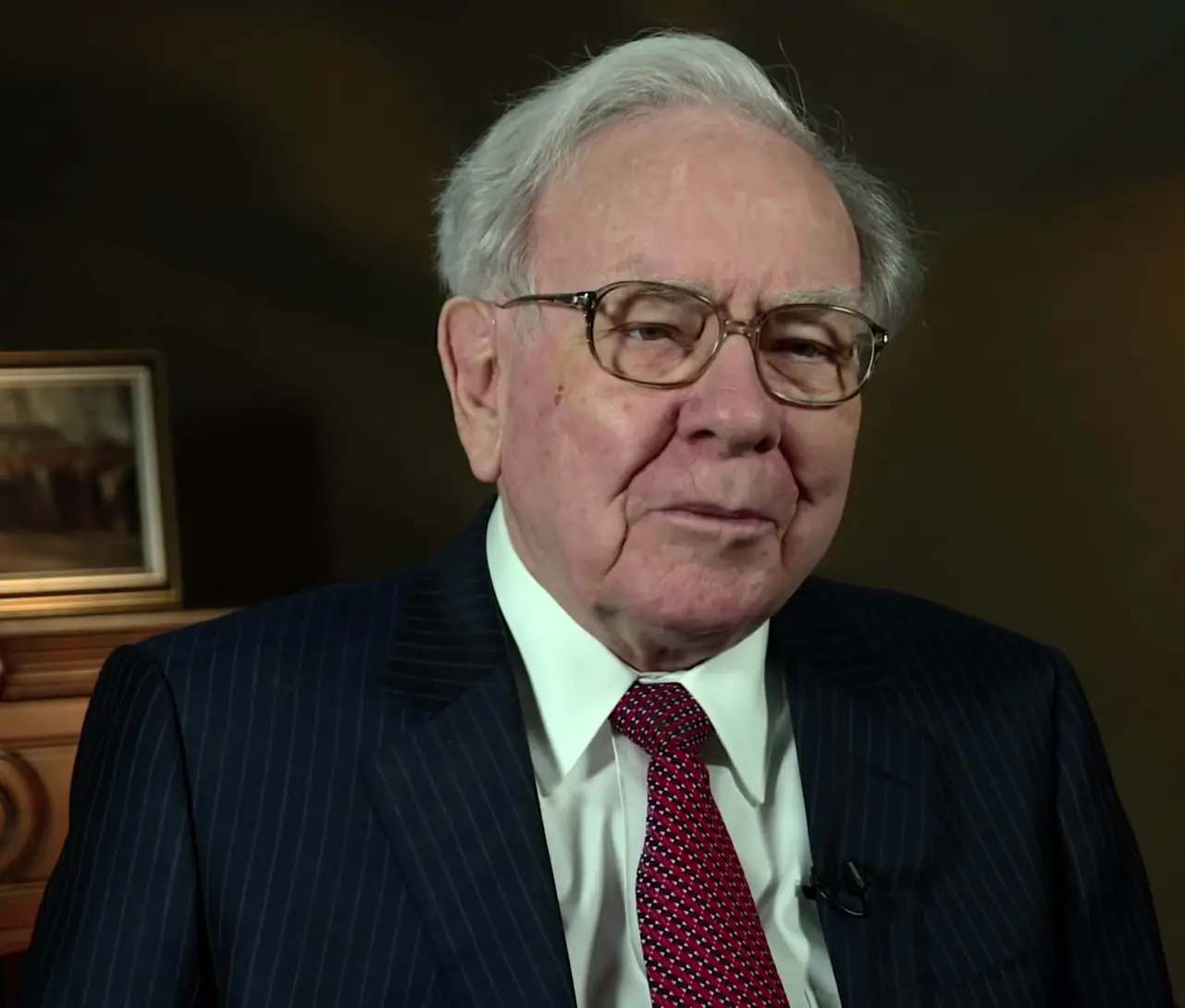
"Be Greedy When Others Are Fearful" - Opportunity in Crisis
During financial crashes market panics and economic downturns when most investors sell desperately Buffett deploys capital buying quality companies at bargain prices according to his investing philosophy. Financial crisis 2008 provided perfect example with Buffett purchasing Goldman Sachs preferred shares and billions in other securities whilst markets plummeted. This strategy enabled Berkshire Hathaway accumulating enormous wealth during periods when fear gripped global markets.
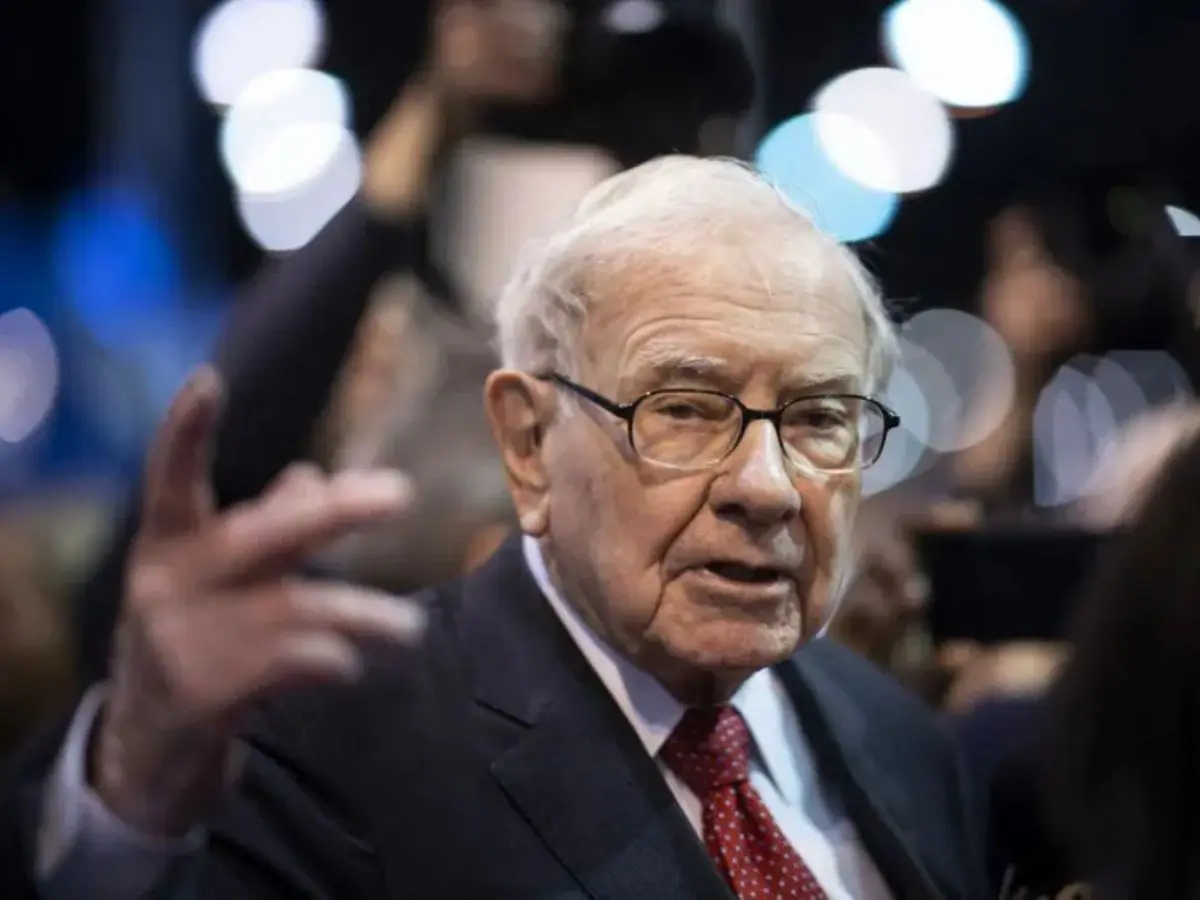
"Risk Comes From Not Knowing What You're Doing"
He defines risk not as stock price volatility but as making investment decisions without thorough understanding of business fundamentals competitive advantages and long-term prospects according to his 2006 annual letter. Most investors fear temporary price drops yet true risk lies in purchasing companies without researching their operations economics and management quality. He spends months analysing businesses before committing capital ensuring complete understanding of investment thesis.
"Price Is What You Pay Value Is What You Get"
This quote encapsulates Buffett's core philosophy separating purchase price from actual business value recognising that paying reasonable price for exceptional company outperforms buying mediocre business cheaply. Buffett purchased Coca-Cola paying premium price because underlying business quality justified valuation whilst avoiding cheap companies lacking competitive advantages. This distinction separates successful long-term investors from those chasing bargain stocks.
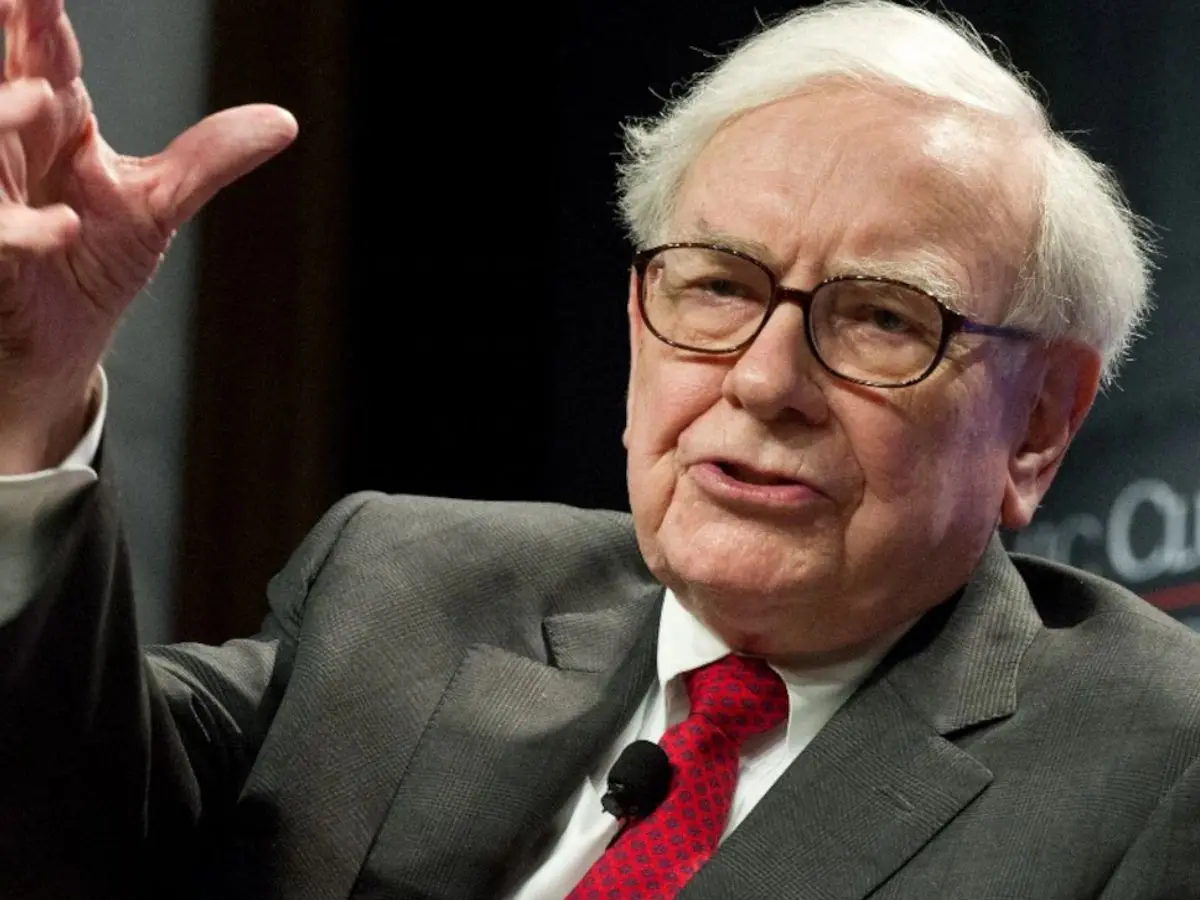
"The First Rule Avoid Losing Money Second Rule Remember First Rule"
Buffett stated in 1985 that preserving investment capital represents foundational investing principle with no other rules existing besides these two fundamental concepts. Protecting capital enables compound growth over decades whilst losses impair long-term wealth accumulation permanently. Berkshire Hathaway's phenomenal returns stem largely from avoiding catastrophic losses rather than achieving occasional spectacular gains.
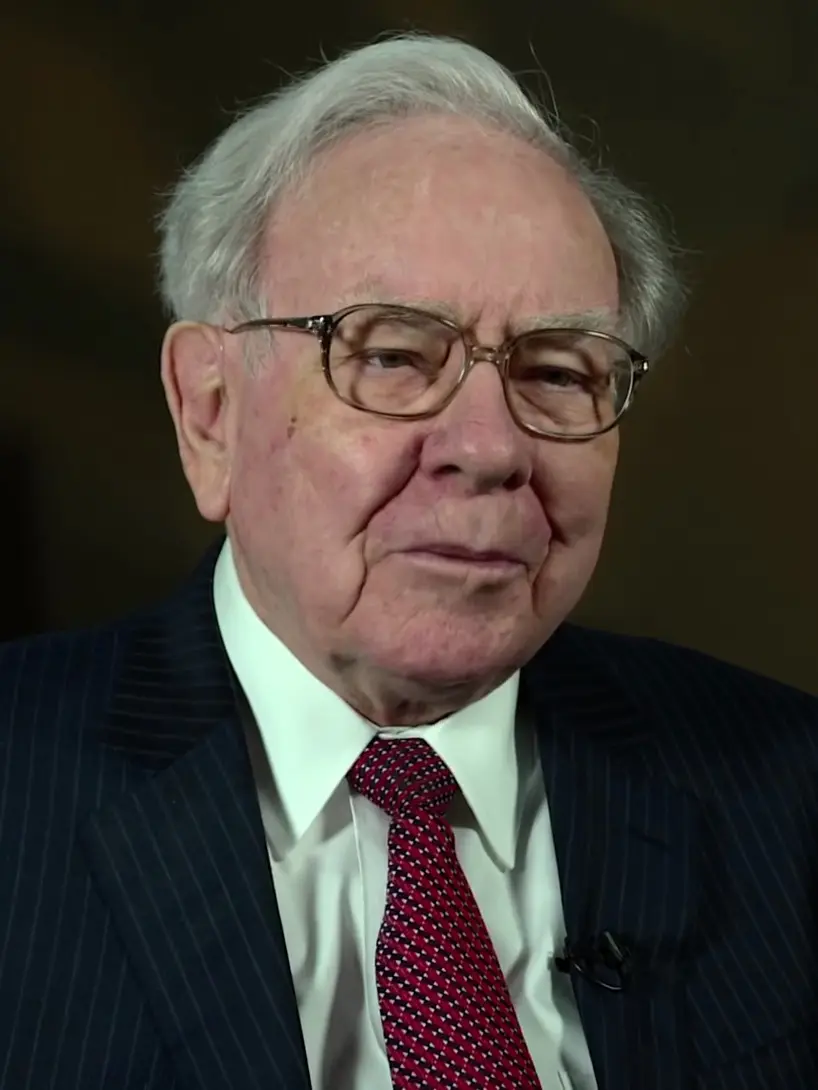
"It's Better Having Partial Interest in Hope Diamond Than All of Rhinestone"
This statement from Berkshire annual letter explains preferring minority stakes in exceptional businesses over complete ownership of mediocre companies reflecting Buffett's selective concentrated portfolio approach. Buffett rejected numerous acquisition opportunities choosing instead to buy partial stakes in wonderful companies like Apple maintaining focus on quality over expansion empire building.
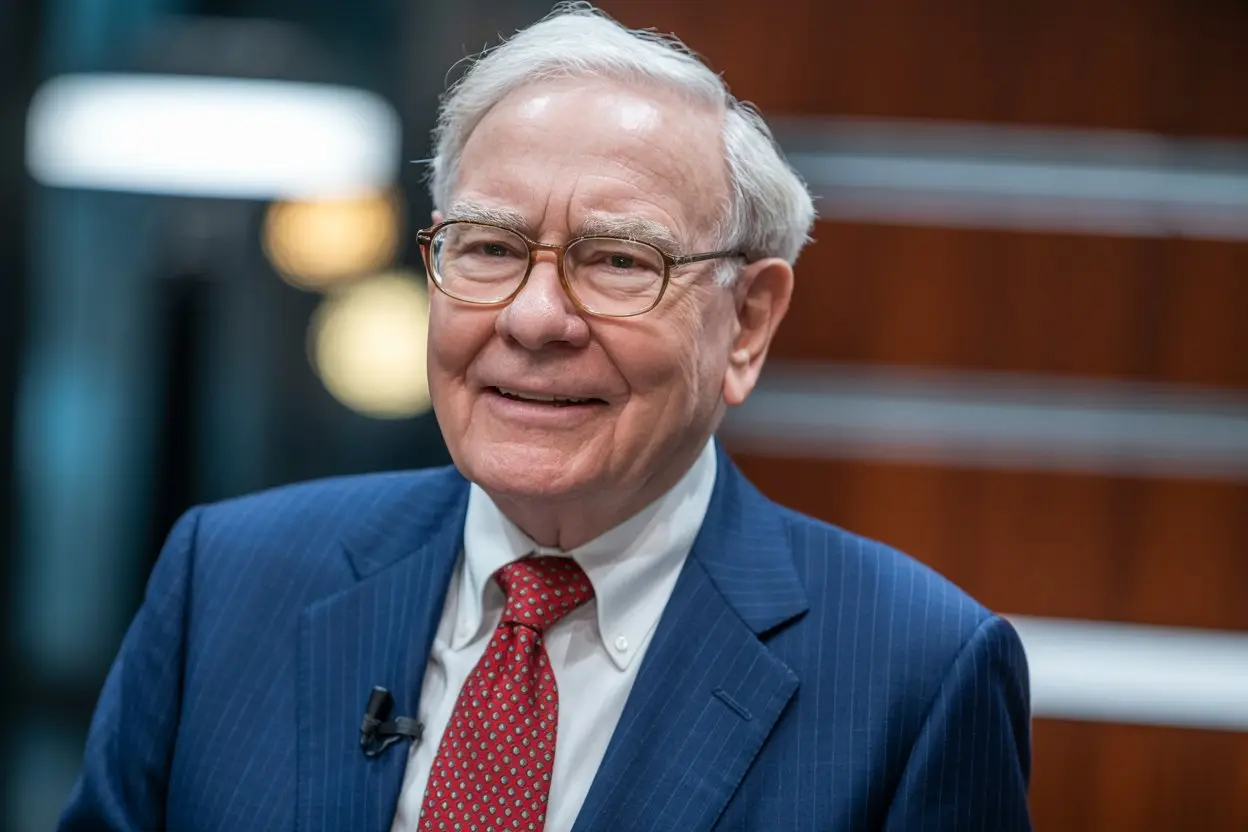
"Key to Success Purchasing Shares in Good Businesses When Market Prices Discount Values"
He learned value investing from Benjamin Graham recognising that successful investing requires buying quality companies during market downturns when prices undervalue business fundamentals. Graham taught Buffett examining financial statements identifying competitive advantages and calculating intrinsic value enabling purchasing at significant discounts from true worth. This principle generated Buffett's extraordinary investment returns spanning six decades.
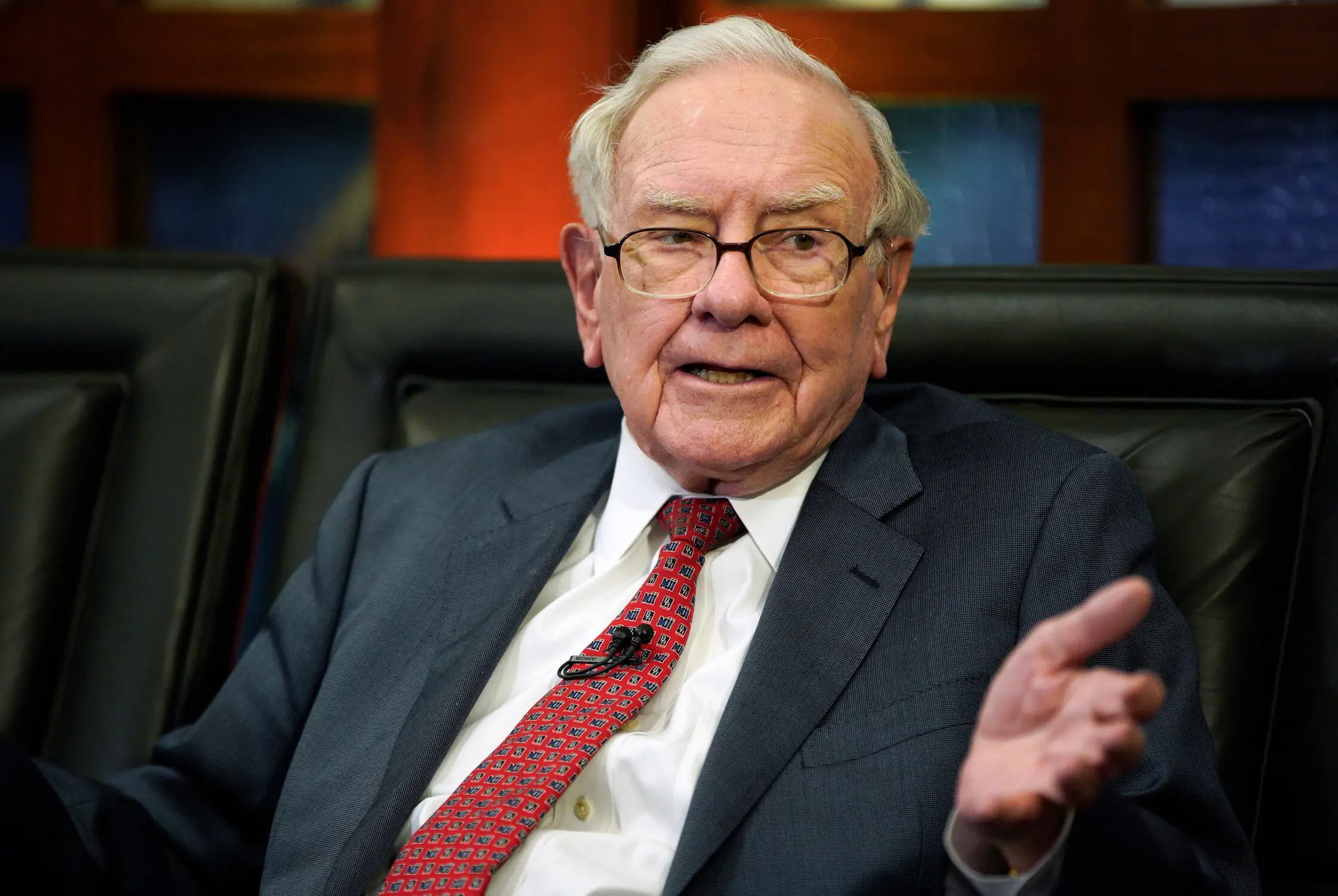
"You Do Things When Opportunities Come Along"
He emphasises patience over constant frantic activity waiting for proper investment opportunities instead of forcing transactions year-round according to his wealth philosophy. Berkshire maintains enormous cash reserves sometimes exceeding 100 billion dollars waiting for exceptional opportunities matching his stringent criteria. This patience enabled seizing transformational investments others missed through premature commitment to inferior opportunities.
"Rather Than Seeking Low Initial Prices Paying Fair Prices for Excellent Businesses"
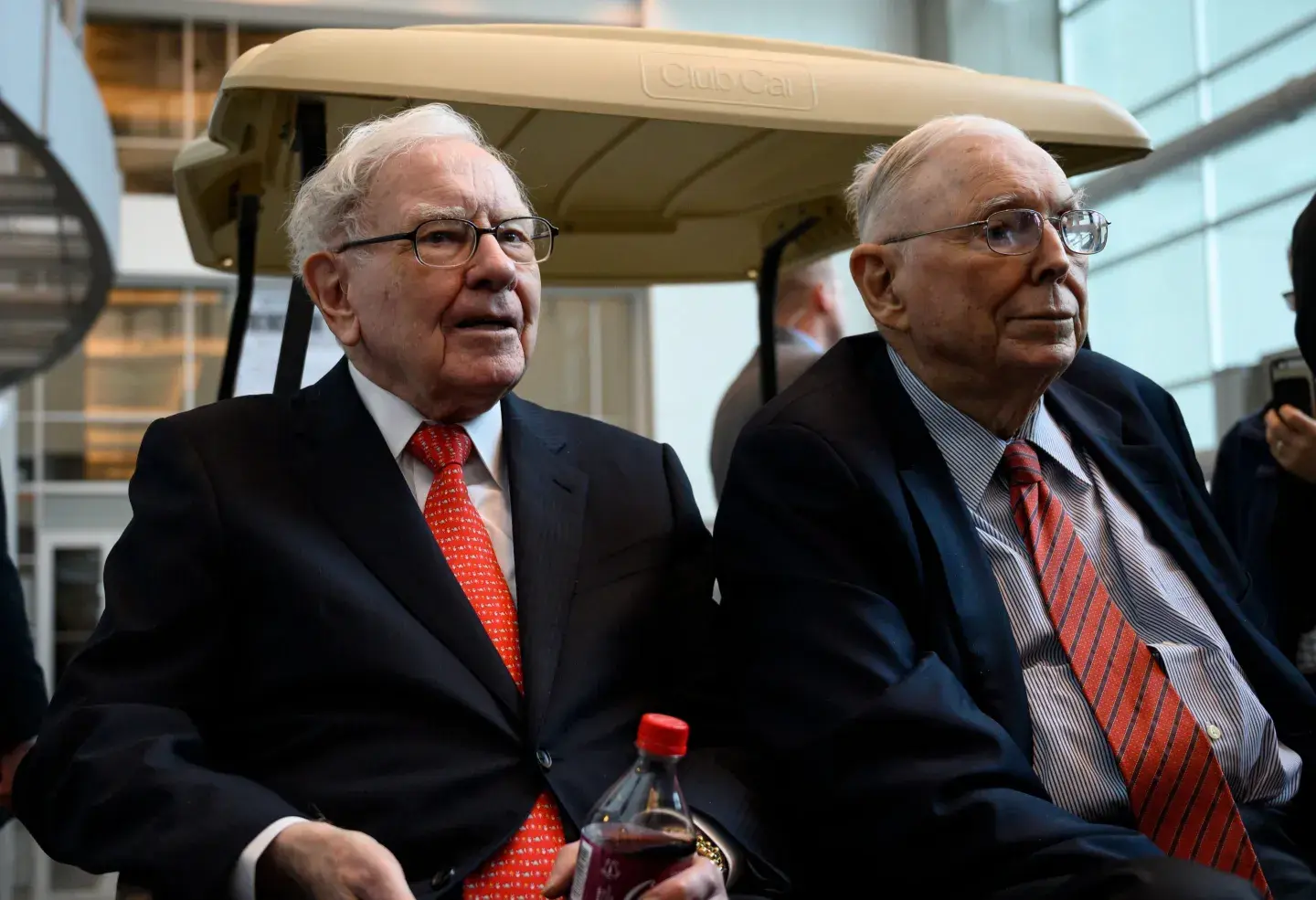
Early in investing career, Buffett pursued so-called cigar butt stocks trading below liquidation value yet evolved alongside business partner Charlie Munger toward paying fair prices for companies with durable competitive advantages. This evolution reflected maturation recognising that paying reasonable prices for exceptional businesses generates superior returns compared to purchasing distressed cheap companies destined for mediocrity.
"Fundamental and Enduring Profitable Businesses With Household Names"
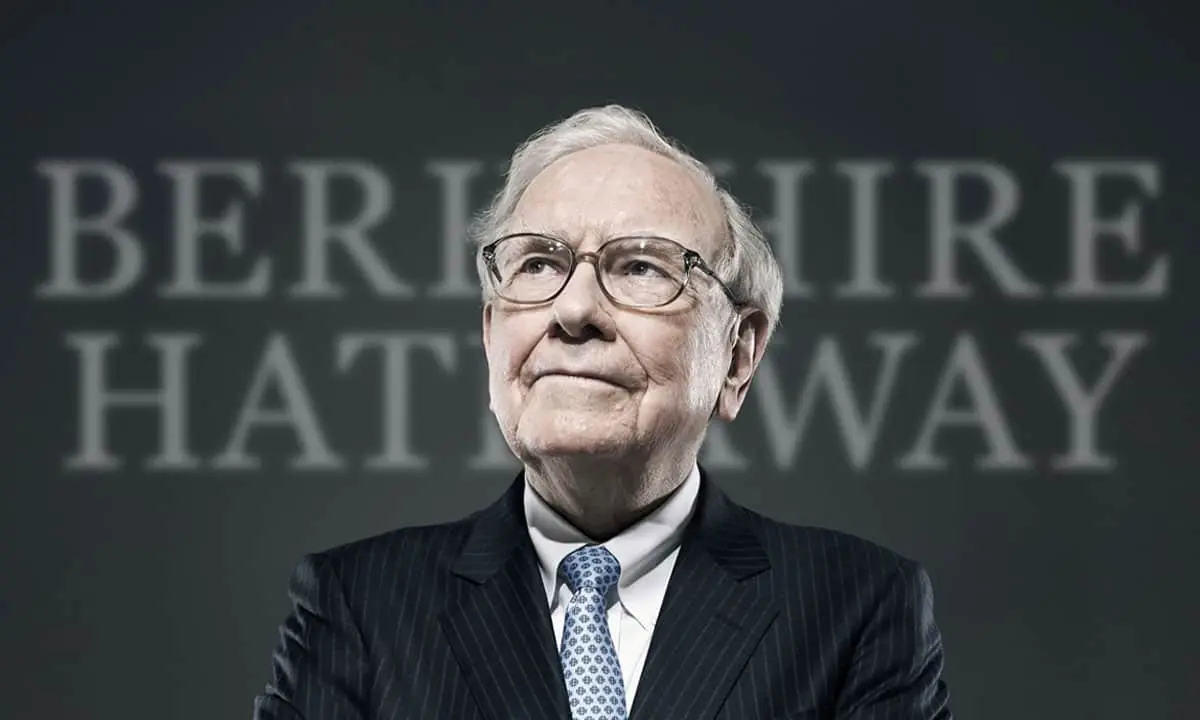
Buffett describes Berkshire's investment approach focusing on profitable companies with fundamental and enduring advantages including Apple American Express Coca-Cola and Moody's holding them for decades. These companies earn consistently high returns on capital maintaining competitive advantages preventing competitor displacement. He concentrated portfolio reflects deep conviction in selected businesses rather than diversification across mediocre holdings.
)
)
)
)
)