'Air-to-air missiles': 6 challenges they face against low-observable targets

Stealth forces a "detection-guidance" gap: low-frequency radars spot targets but lack precision for hits. High-frequency radars provide accuracy but fail against stealth shaping, leaving missiles blind.
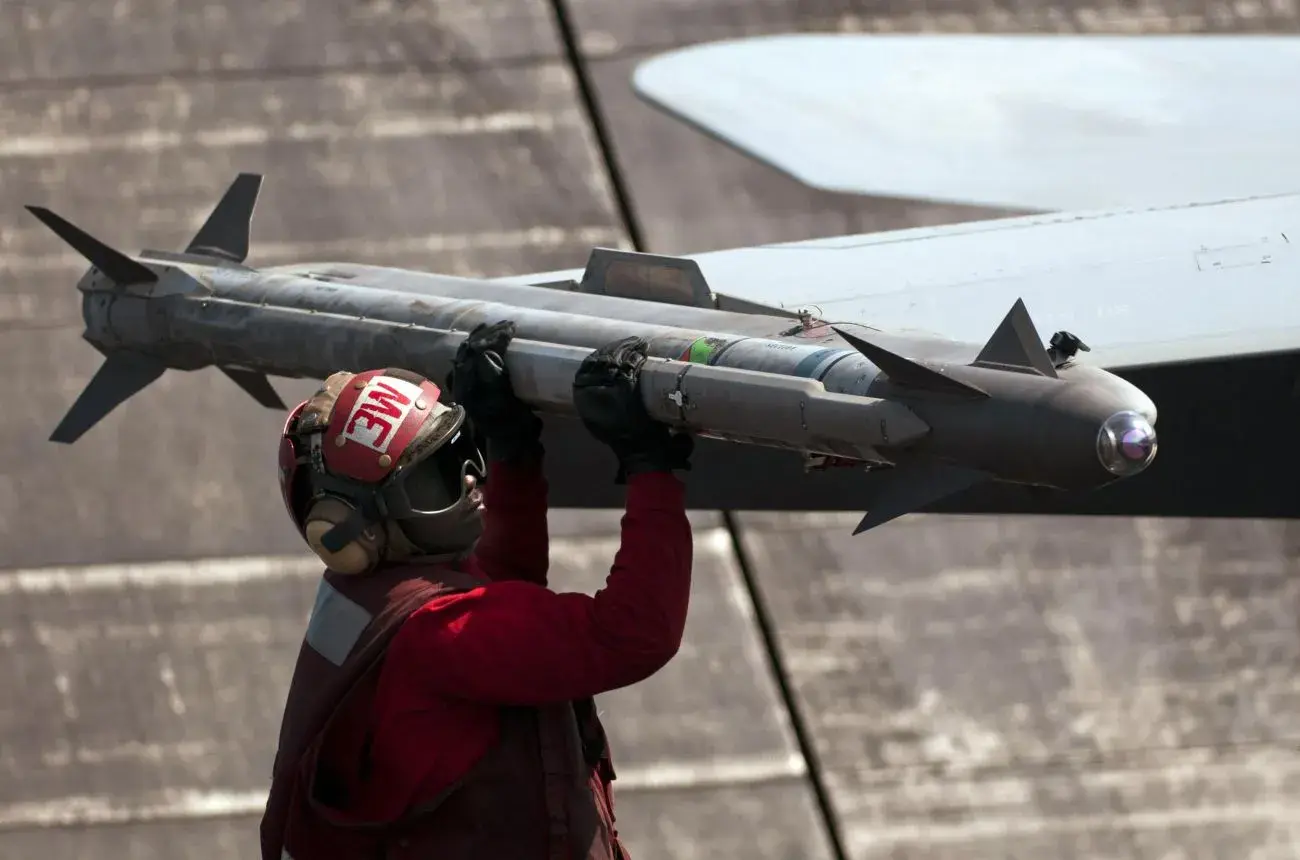
High-Frequency Radars Cannot Paint Stealth Target
As of 2026, X-band (8–12 GHz) and Ku-band fire-control radars remain the primary guidance frequencies for air-to-air missiles. Stealth aircraft are specifically optimized to scatter these shorter wavelengths, significantly reducing the "burn-through" range where a missile can maintain a solid lock.
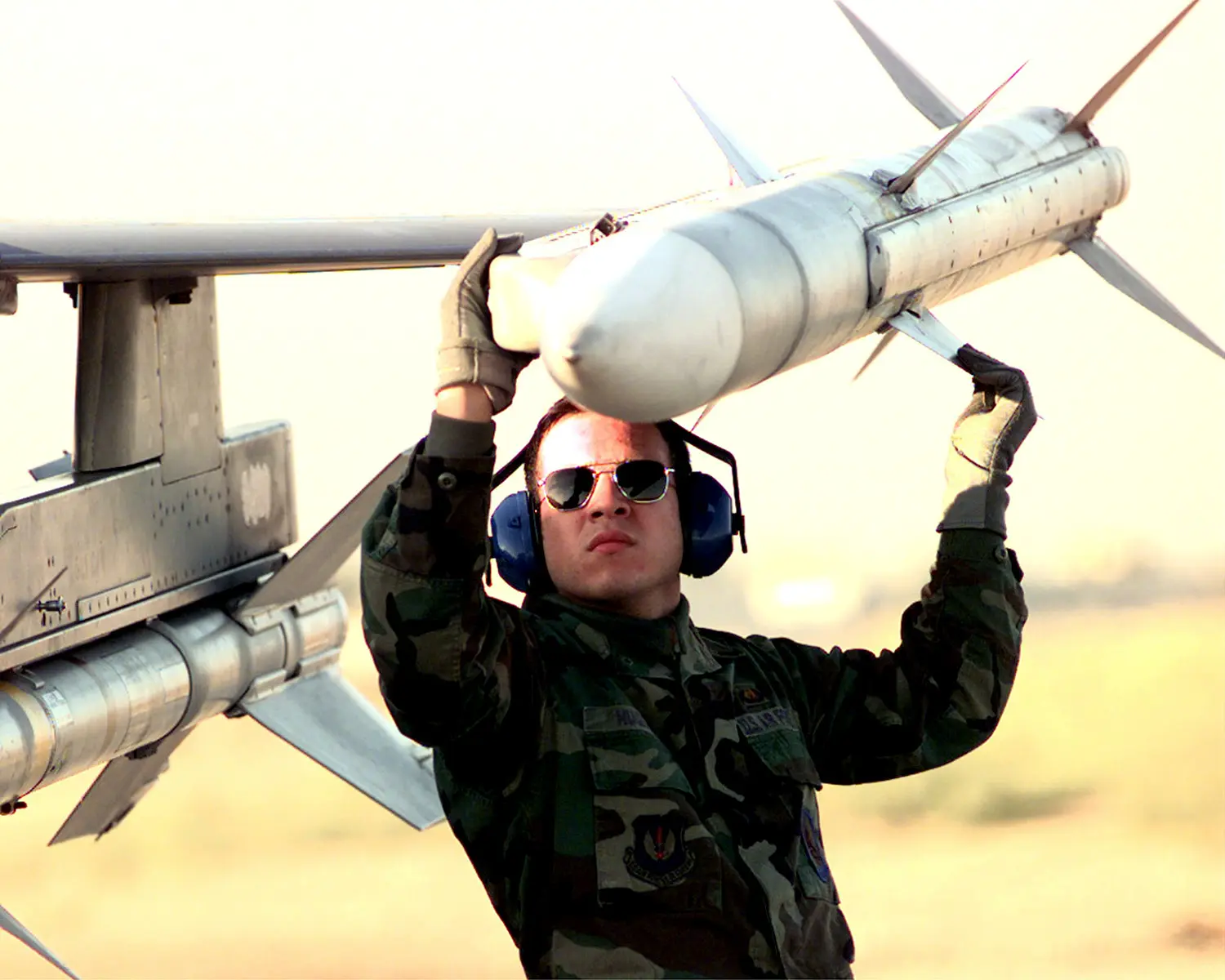
Low-Frequency Detection Lacks Targeting Precision
While VHF (30–300 MHz) and UHF radars can detect stealth aircraft due to resonance effects on the airframe, their long wavelengths (1–10 meters) lack the angular resolution required to generate a "fire-control quality" track. They can tell you a target is there, but not precisely enough to guide a missile to a hit.
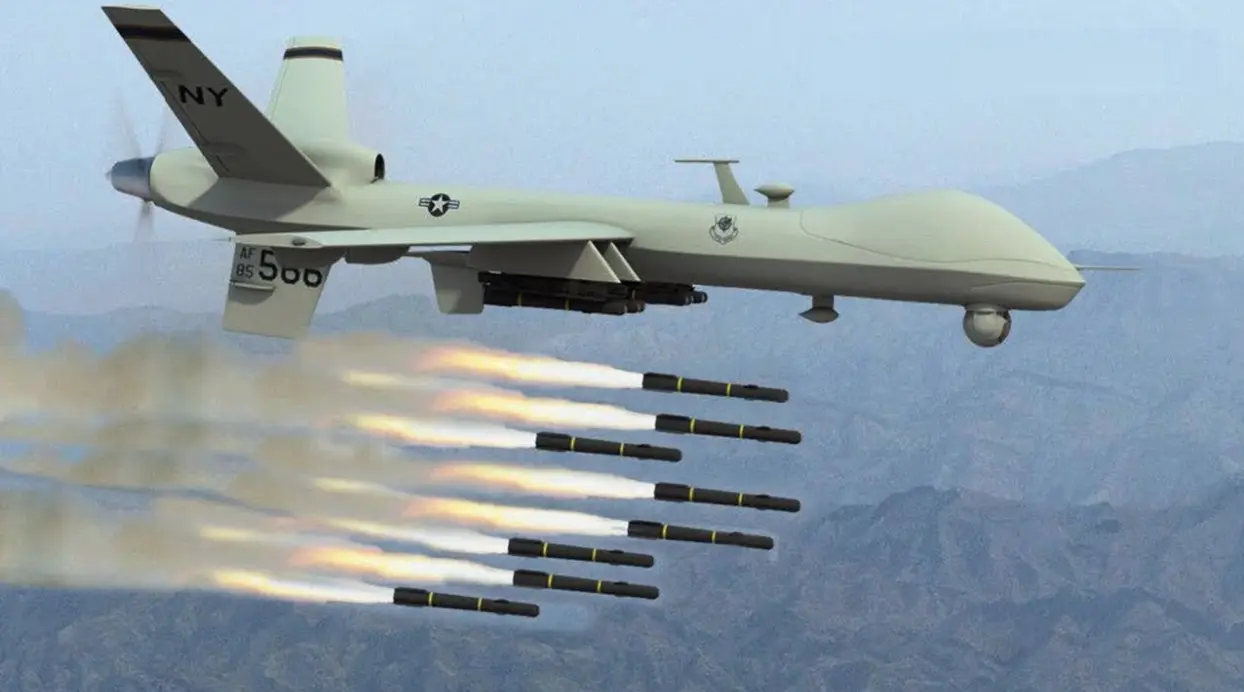
Midcourse Guidance Updates Become Unreliable
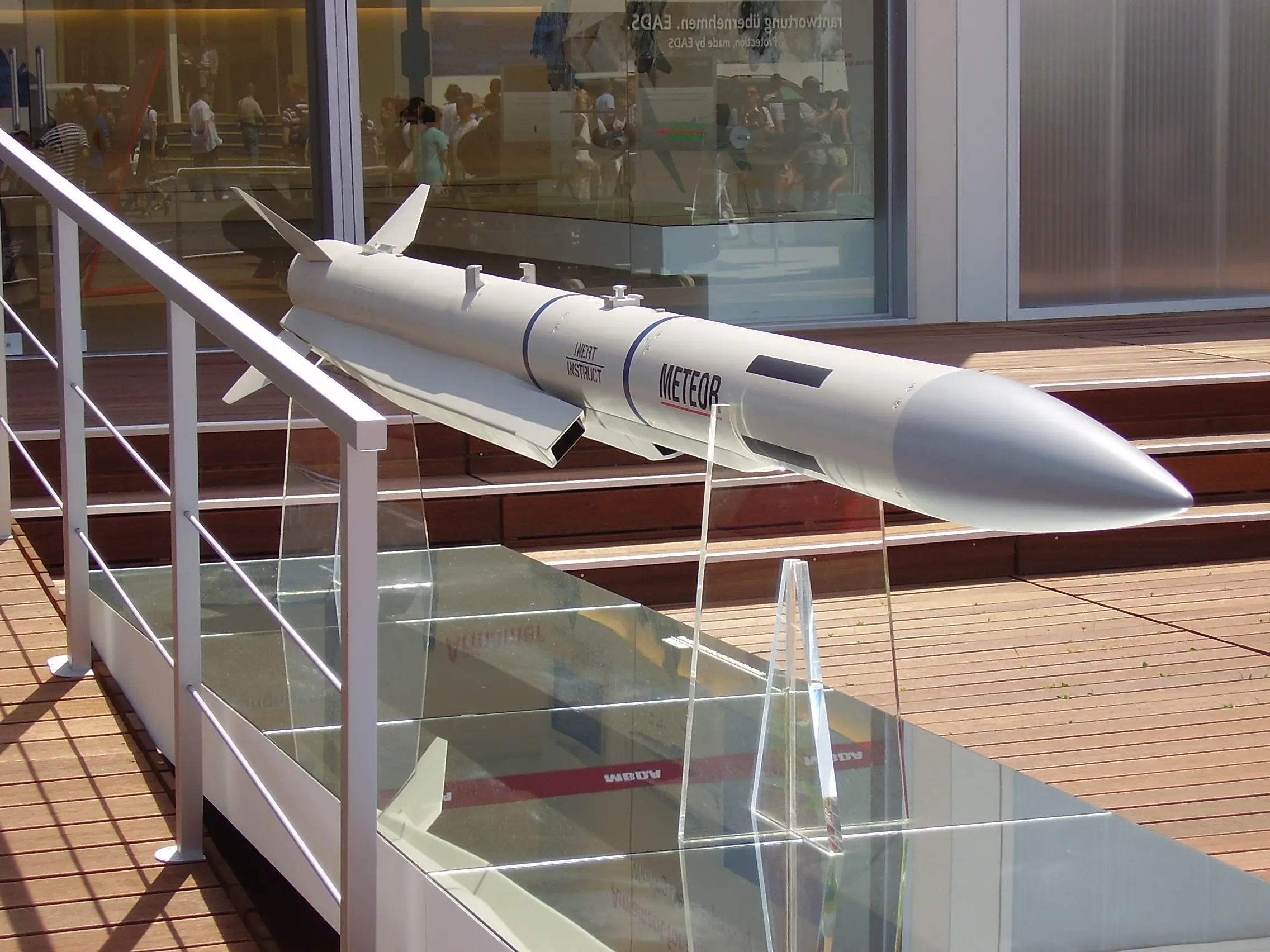
Beyond-visual-range (BVR) missiles like the AIM-120 AMRAAM or Meteor rely on datalinks from the launching aircraft to correct their path before their own seeker takes over. If the launching aircraft loses its radar lock on a stealth target, these updates cease, forcing the missile to fly to a "predicted" point that a maneuvering stealth aircraft has likely vacated.
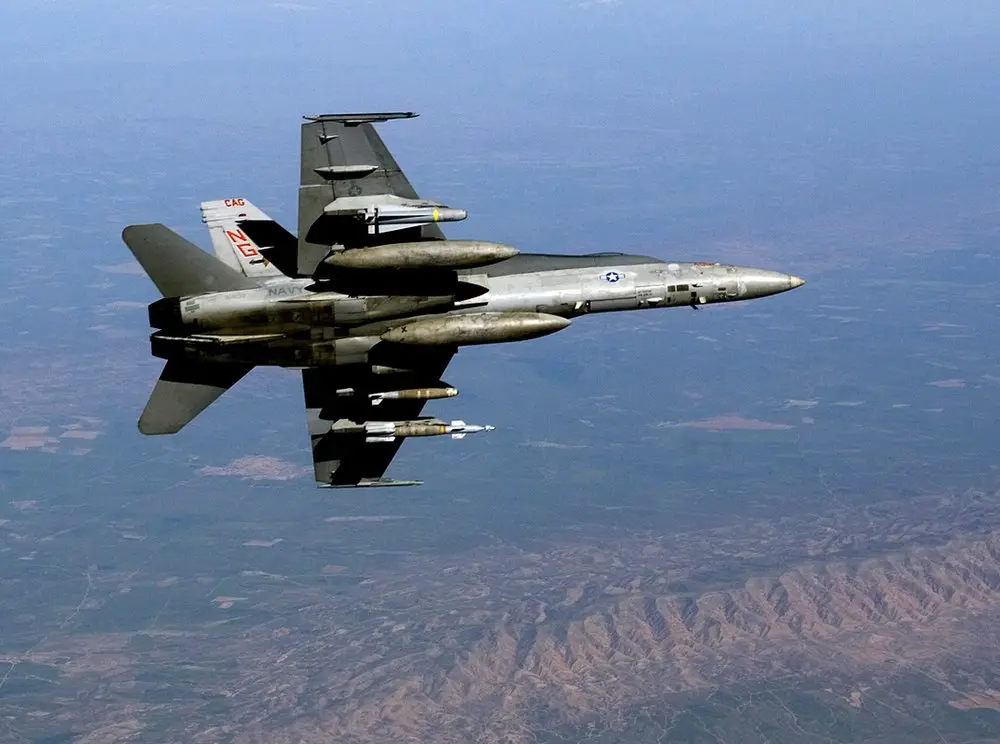
Infrared Missiles Face Reduced Engine Heat Signatures
Stealth designs such as the F-22 and F-35 use "S-duct" intakes and chevron-shaped nozzles to mask turbine blades and mix hot exhaust with cool ambient air. This drastically reduces the range at which infrared (IR) seekers can detect the aircraft, especially from the front aspect.
Bistatic Radar Cannot Directly Guide Missiles
While bistatic and multistatic networks (separating transmitters and receivers) can "see" stealth aircraft by catching scattered signals, current 2026 air-to-air missiles are designed for monostatic (single-source) radar homing. However, emerging "network-centric" missiles are beginning to experiment with receiving data from third-party sources, though this is not yet the operational standard for most global forces.
Sensor Fusion Detects But Cannot Guide Missiles
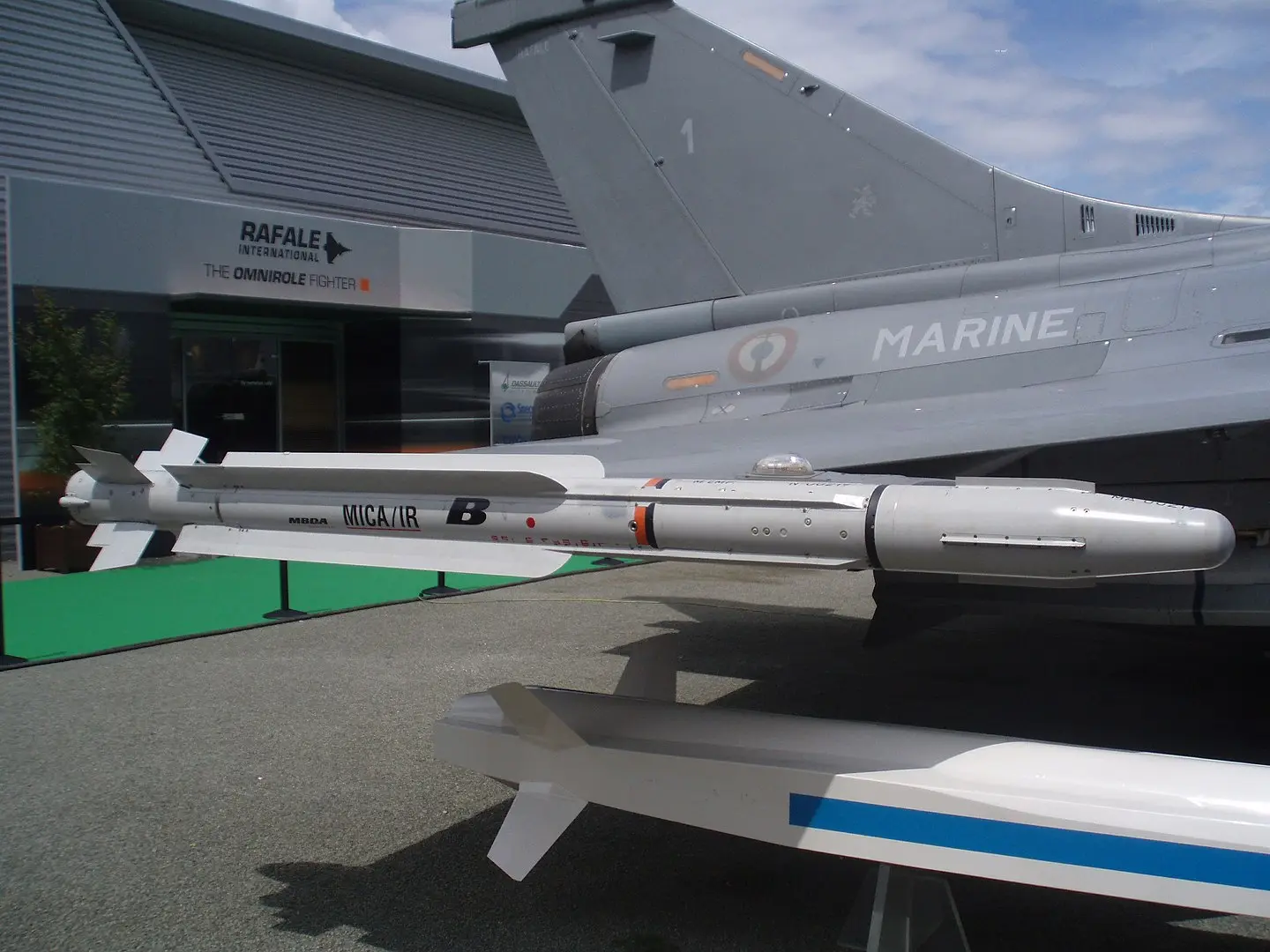
Integrated systems that fuse IRST (Infrared Search and Track), Passive Coherent Location, and Electronic Support Measures (ESM) provide excellent situational awareness. However, the precision "refresh rate" of this fused data is often too slow for the high-speed terminal guidance requirements of a missile.
)
)
)
)
)