'AI co-pilots take over': Future fighter jets could make split-second combat calls without humans

The system learns to predict enemy aircraft behaviour, optimise flight paths, and balance aggression with risk, effectively giving it combat intuition shaped by data rather than instinct.
1. The rise of machine decision-making in the cockpit
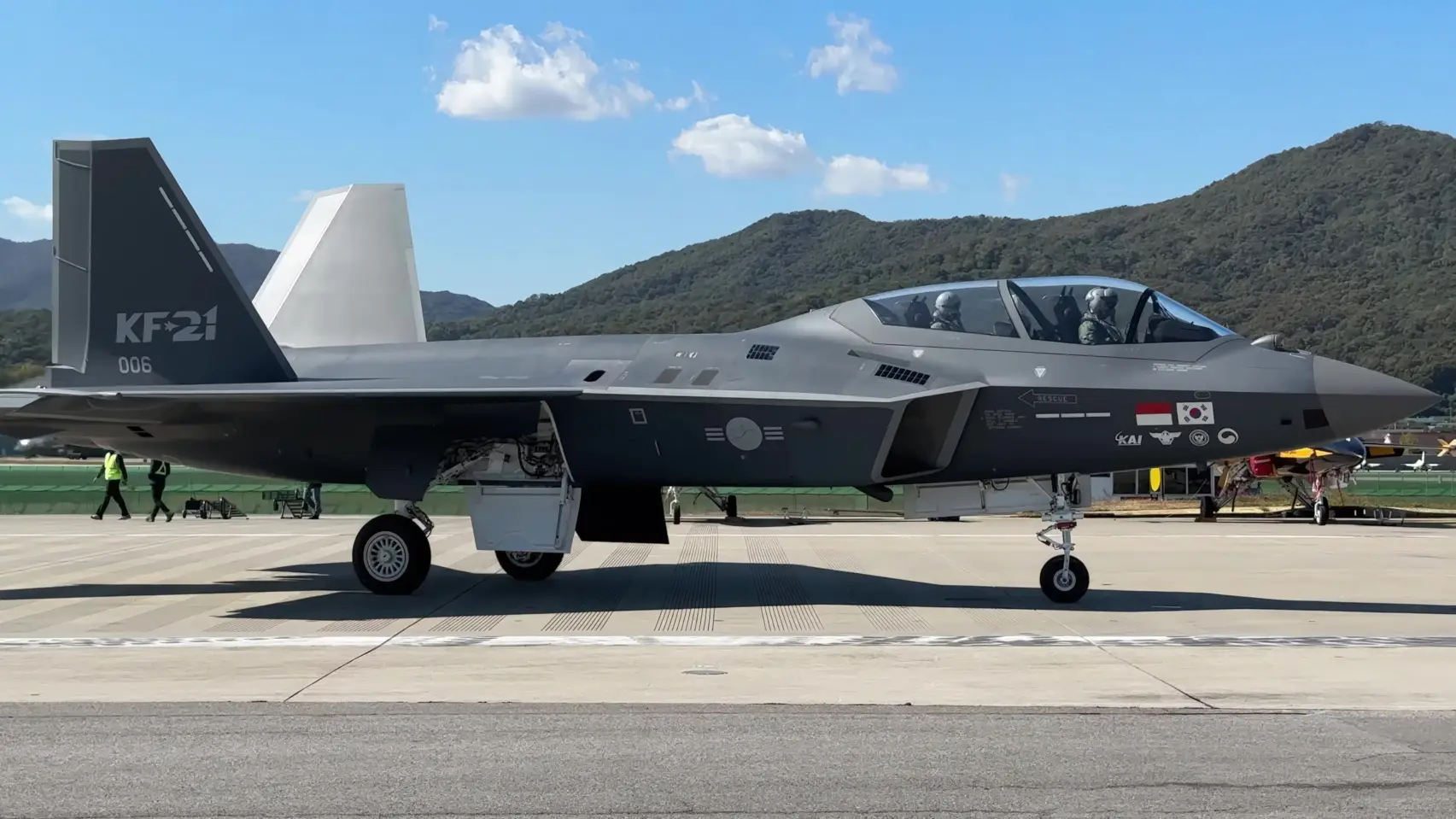
Defence researchers across the United States, United Kingdom, and Japan are testing AI systems that can act as co-pilots, capable of processing radar data, target information, and flight dynamics faster than a human. These systems are not designed to replace pilots outright but to assist them in time-critical scenarios where milliseconds matter.
2. Born from DARPA’s ‘Air Combat Evolution’ programme
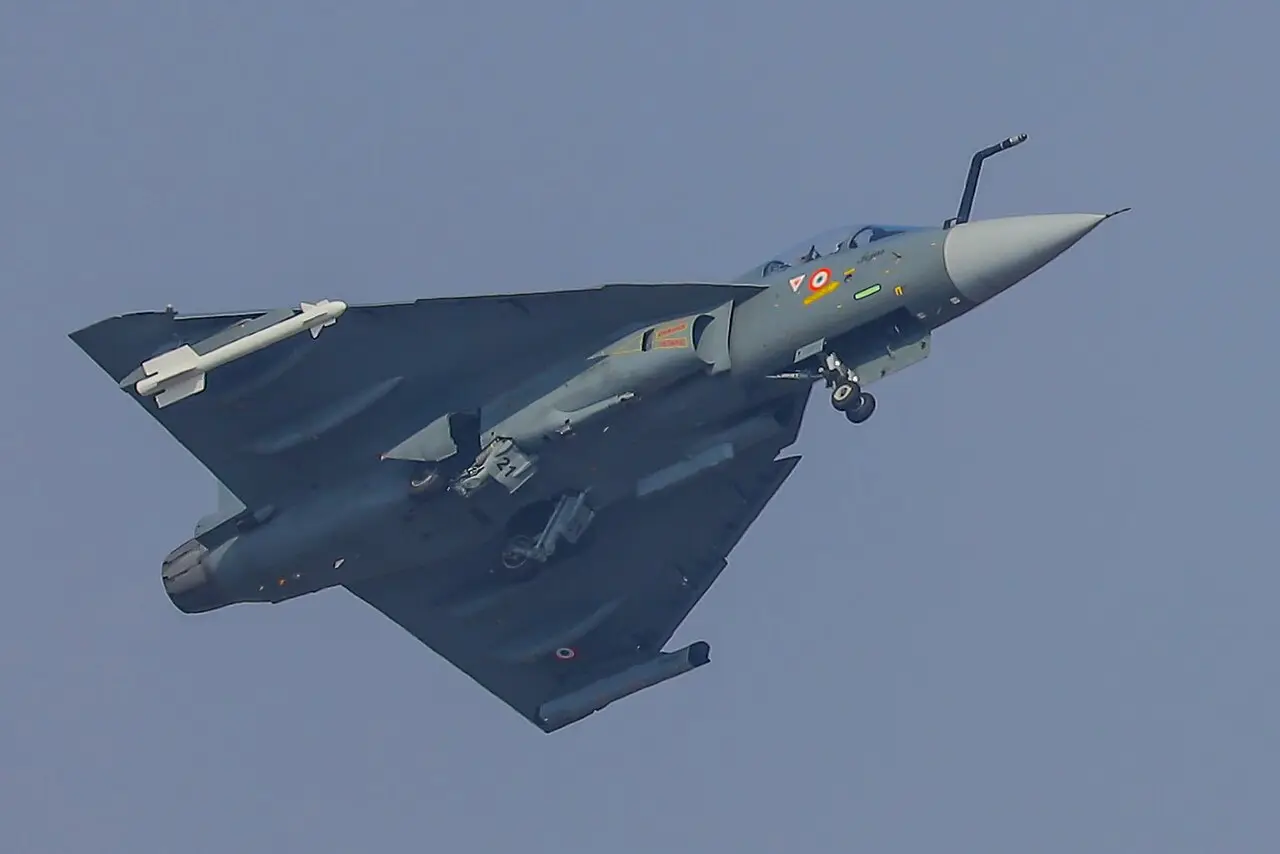
The foundation for this technology lies in DARPA’s ACE programme, which successfully demonstrated an AI algorithm outperforming an experienced F-16 pilot in simulated dogfights. The goal was not dominance but trust, proving that AI can handle split-second manoeuvres without endangering human lives.
3. How the AI co-pilot actually ‘thinks’
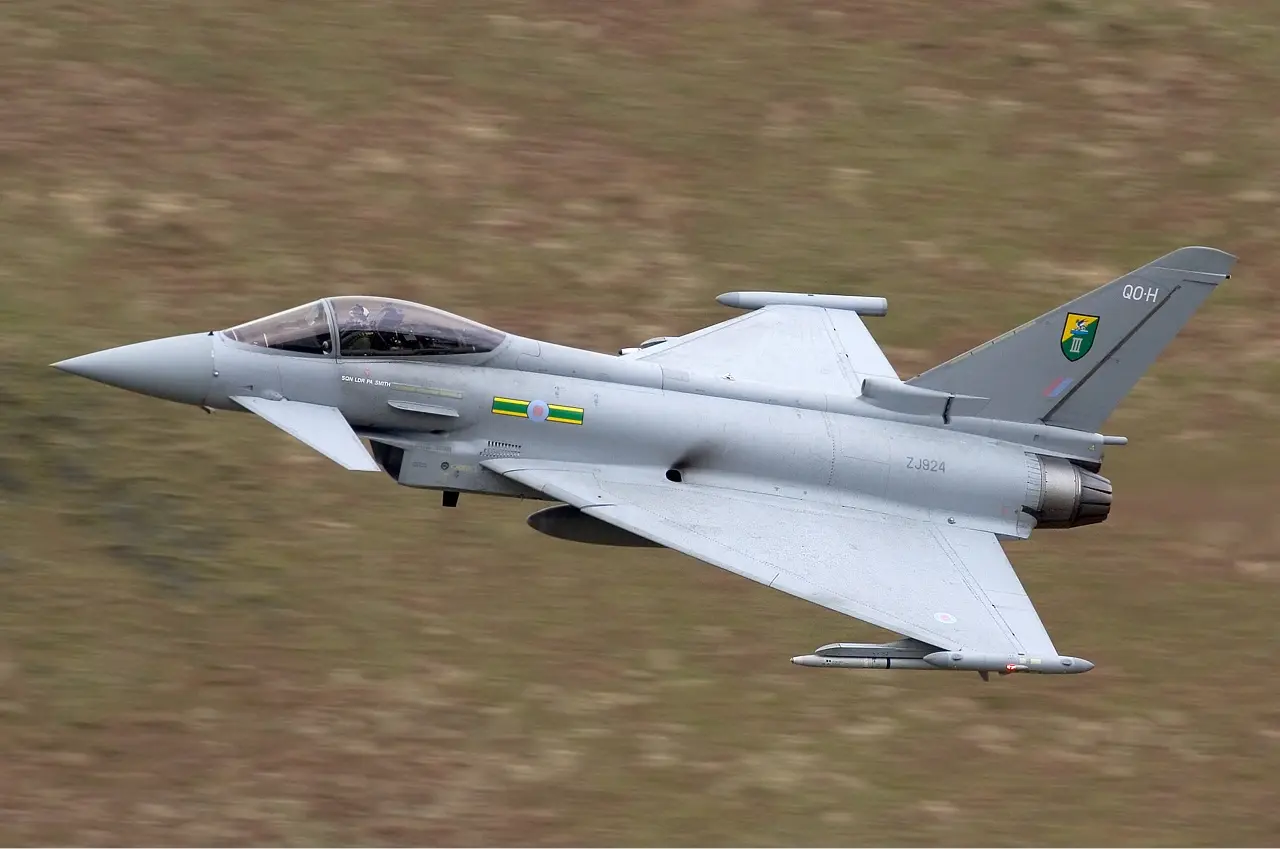
These digital copilots rely on reinforcement learning, a process where algorithms improve through millions of simulated missions. The system learns to predict enemy aircraft behaviour, optimise flight paths, and balance aggression with risk, effectively giving it combat intuition shaped by data rather than instinct.
4. Decision support, not total control
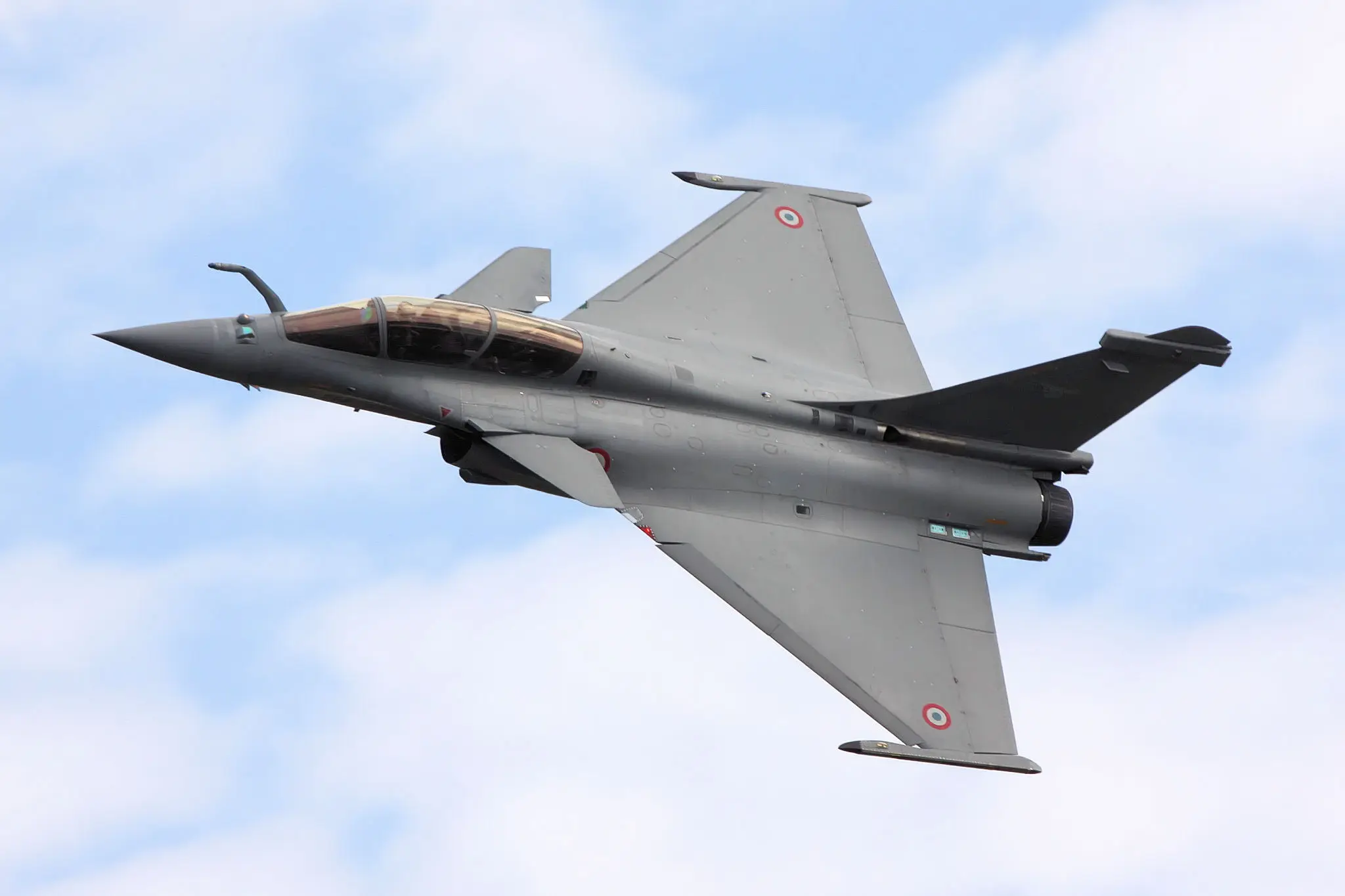
Modern fighters such as the F-35 and Europe’s upcoming Tempest already use AI to filter sensor data. The next stage will allow AI to suggest or execute tactical actions — like evasive manoeuvres or countermeasure deployment — if the pilot’s reaction time is too slow. Human operators will retain veto authority.
5. Ethical and operational concerns
Military analysts stress that “human-in-the-loop” control must remain central to air combat. Fully autonomous engagement, where an AI fires weapons without confirmation, remains prohibited under international law. The current challenge is building systems that enhance pilot capability while keeping accountability intact.
6. Britain’s Tempest and India’s AMCA may integrate AI copilots
The UK’s BAE Systems and India’s DRDO are both developing sixth-generation fighters that will rely heavily on machine assistance. Engineers are exploring “digital twin” models, where an AI learns from each flight to anticipate pilot habits and adapt cockpit interfaces dynamically.
7. The future of aerial warfare — humans as mission commanders
Defence experts foresee a future where human pilots become mission managers, directing AI-assisted aircraft formations rather than flying solo. These systems could one day coordinate drone wingmen, manage weapons systems, and perform evasive actions faster than any human could manually execute.
)
)
)
)
)