'A new class': What 3I/ATLAS teaches us about interstellar small bodies?

3I/ATLAS trajectory suggests a long journey through interstellar space, shaped by gravitational encounters with other stars, a signature typical of true interstellar small bodies, not Oort Cloud objects.
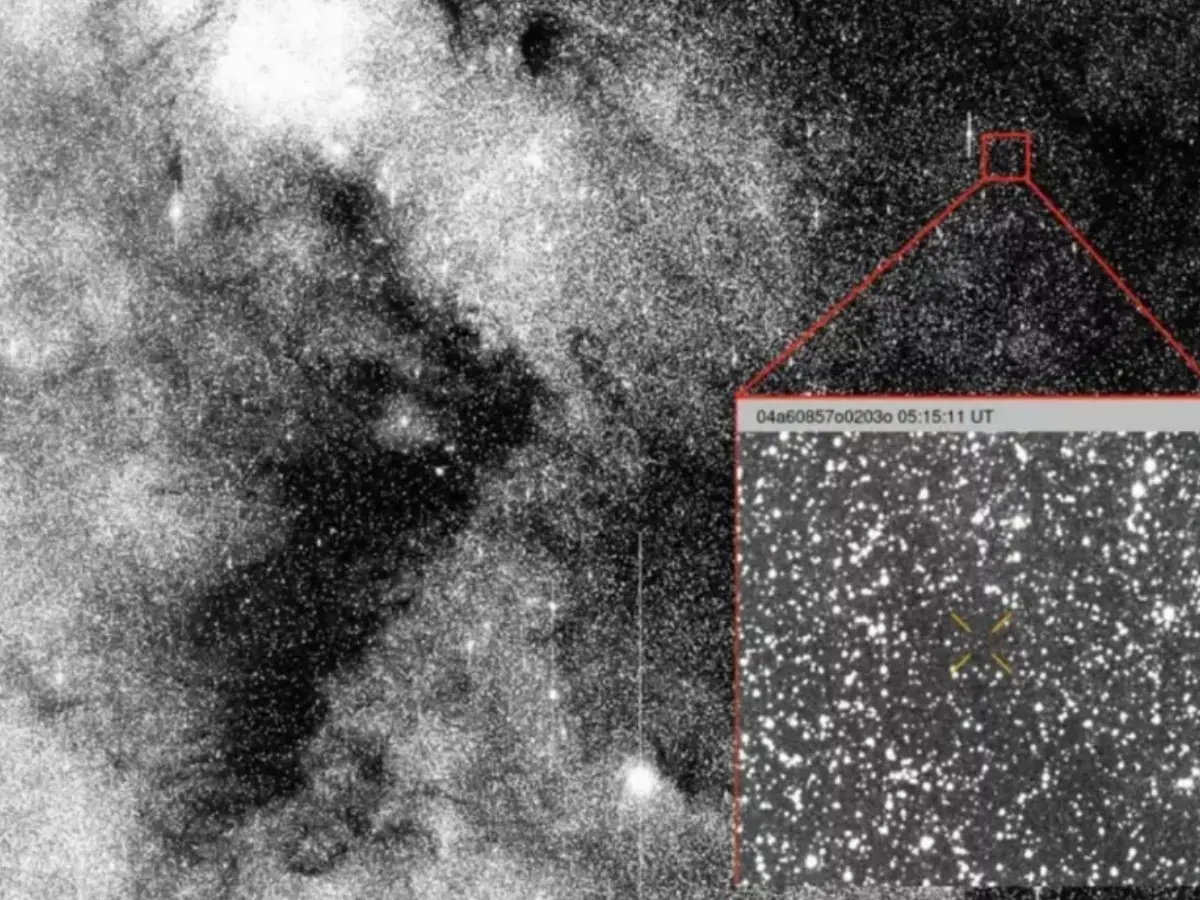
1. 3I/ATLAS Confirms That Interstellar Visitors Are More Common Than Once Believed
Before 2017, astronomers had never identified an object entering our Solar System from another star. ‘Oumuamua (2017) changed that, followed by 2I/Borisov (2019). Now 3I/ATLAS adds a third confirmed interstellar visitor, proving these objects are not once-in-a-lifetime anomalies. Instead, the Galaxy likely contains trillions of free-floating icy bodies, routinely passing through star systems.
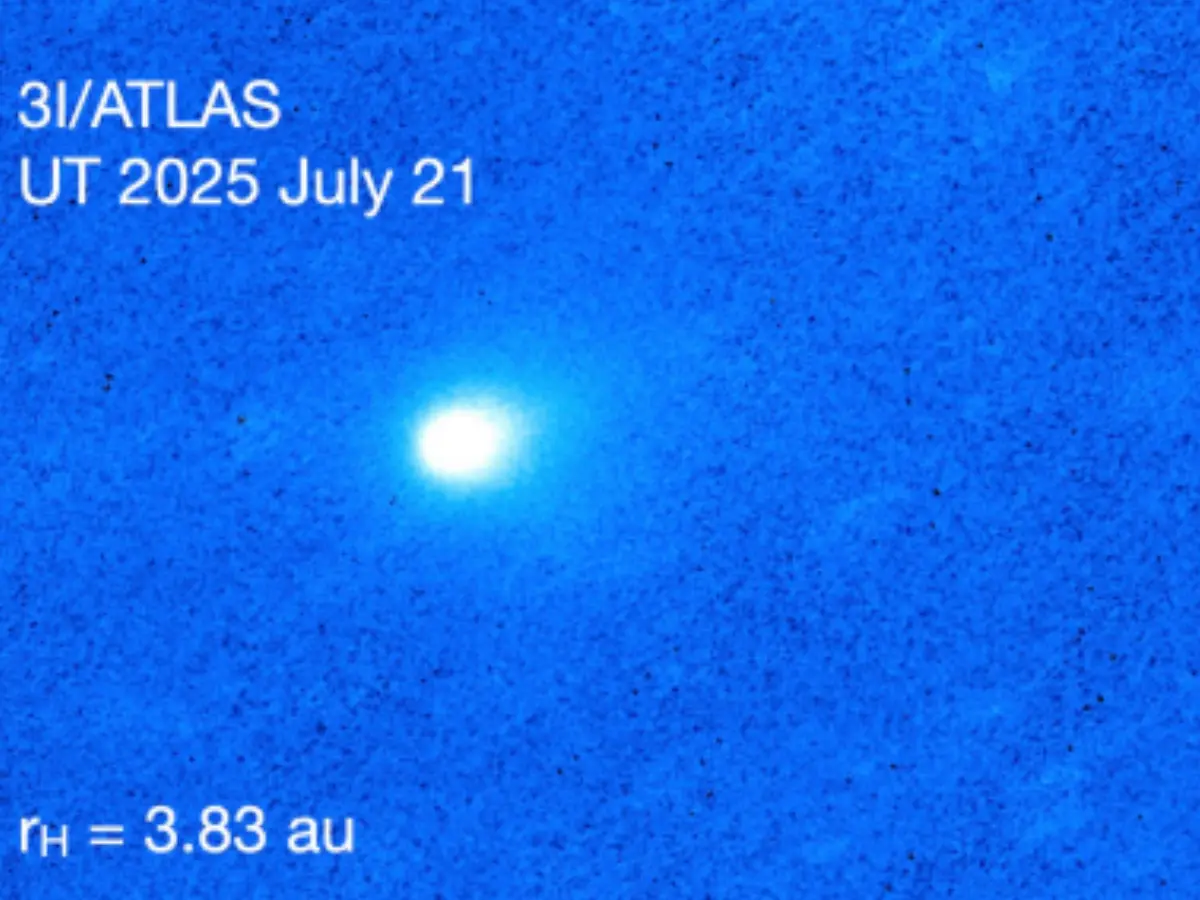
2. Its Hyperbolic Orbit Shows It Cannot Be From Our Solar System
3I/ATLAS has an eccentricity far above 1, meaning it is not gravitationally bound to the Sun. This confirms it originated outside the Solar System. Its trajectory suggests a long journey through interstellar space, shaped by gravitational encounters with other stars, a signature typical of true interstellar small bodies, not Oort Cloud objects.
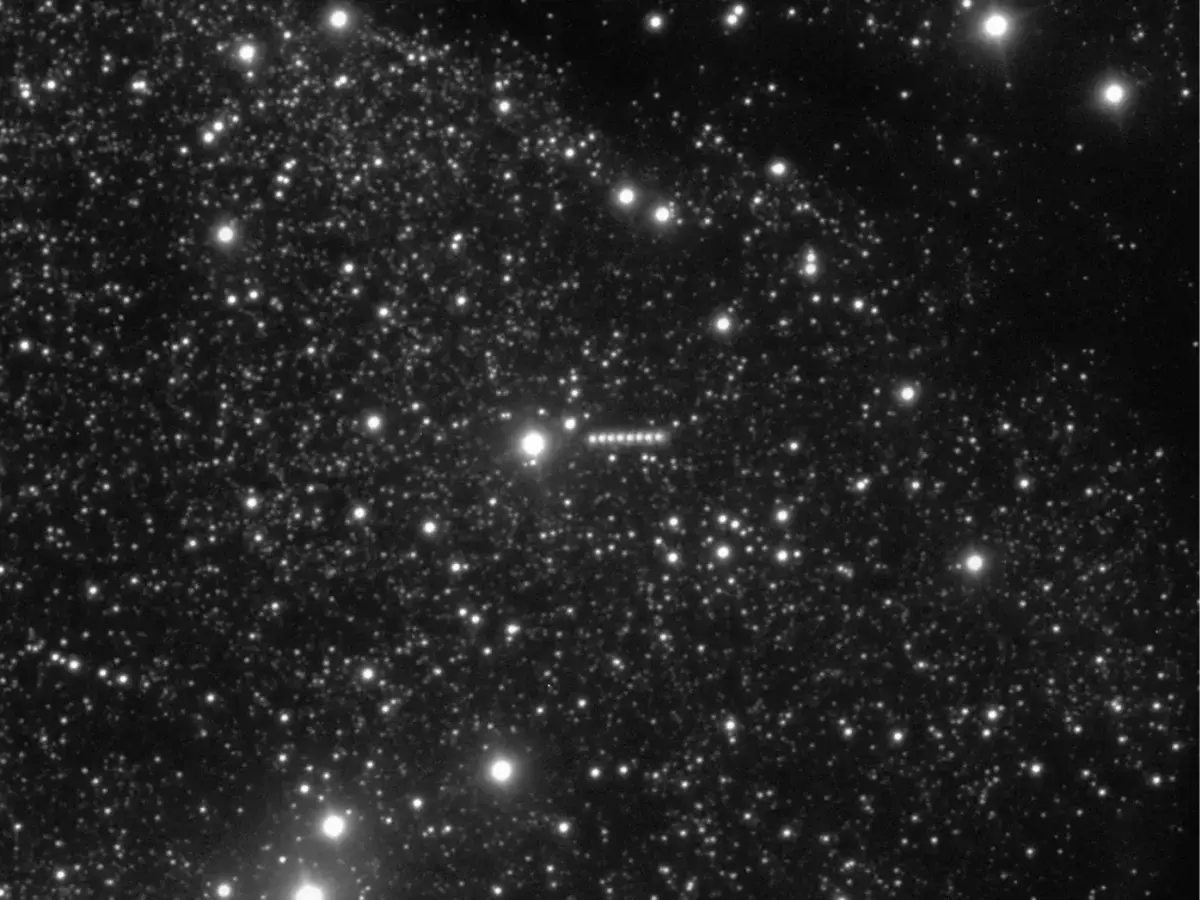
3. Its Composition Shows Interstellar Objects Can Be Chemically Diverse
Spectroscopy reveals a mix of H₂O, CO₂, CO, OCS, trace nickel species, CN radicals, and significant carbon-chain depletion. Unlike 2I/Borisov, which resembled Solar System comets chemically, 3I/ATLAS is compositionally different, implying that extrasolar planetary systems can produce comets with very different chemical fingerprints.
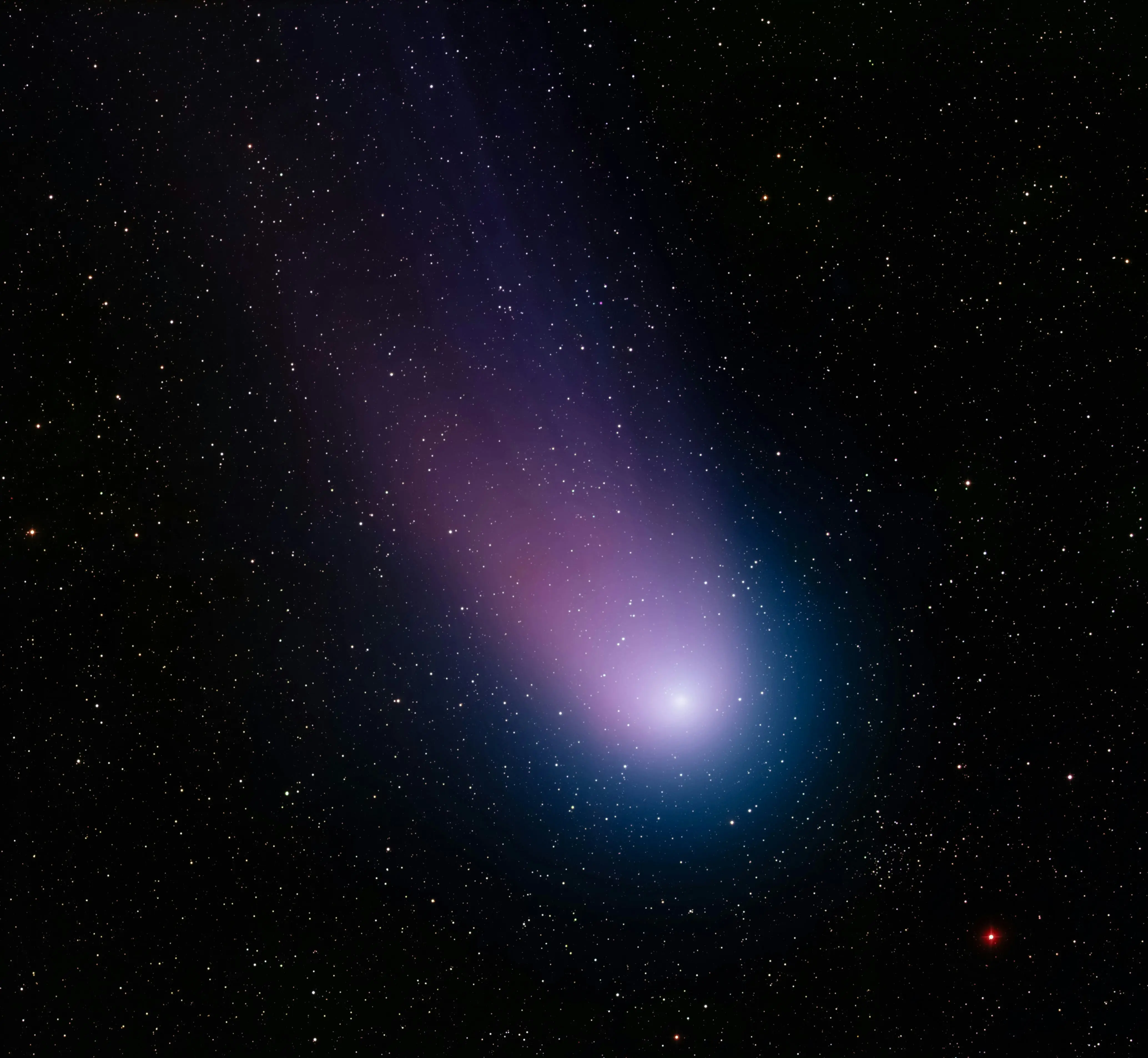
4. Its Carbon-Chain Depletion Suggests Long-Term Cosmic-Ray Processing
The unusually low abundance of C₂ and C₃ molecules in 3I/ATLAS indicates that long organic chains have been broken down over gigayears. This tells astronomers that interstellar radiation can chemically reshape small icy bodies, creating a “processed surface layer” very different from their original composition.
5. Its High CO₂ Levels Suggest Formation in a Cold, Distant Region Around Another Star
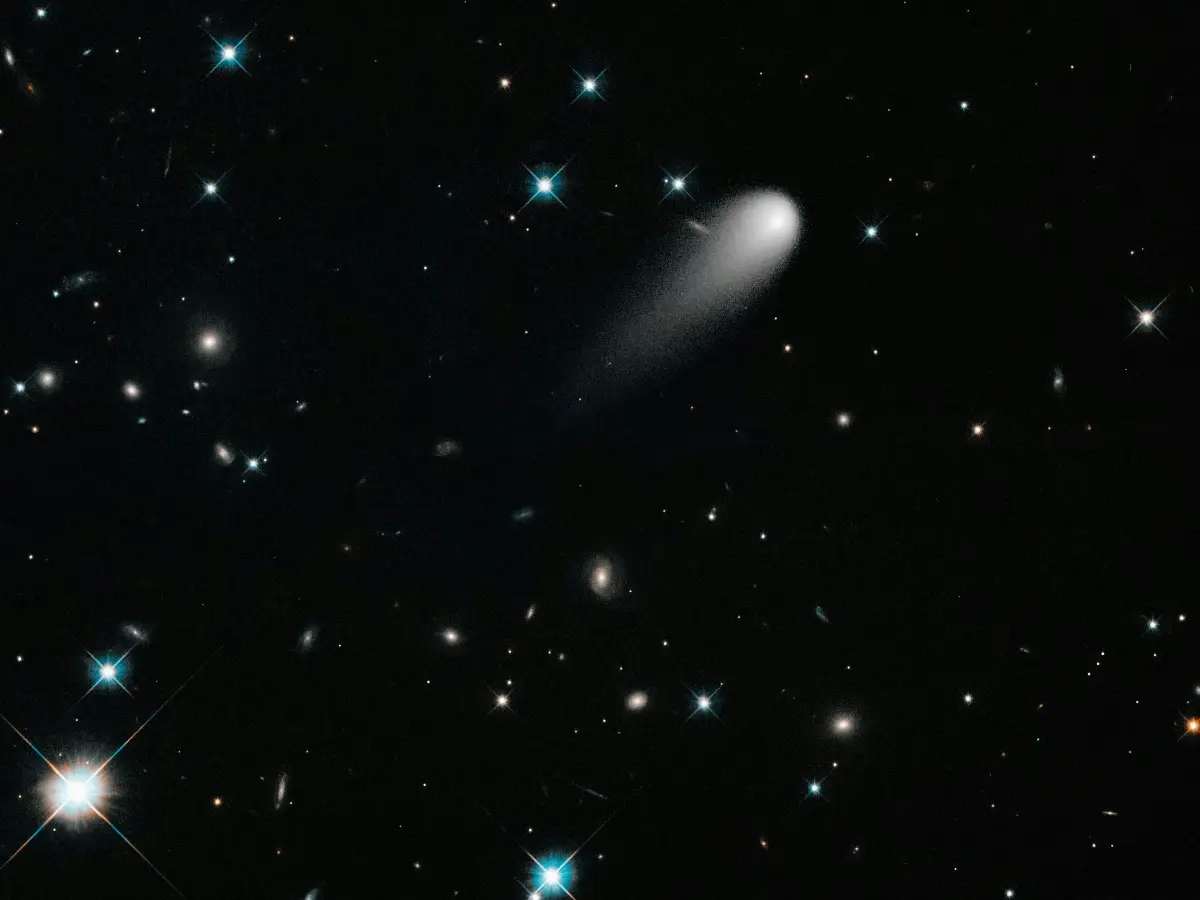
The strong detection of CO₂ and CO implies that 3I/ATLAS formed in a very cold environment, likely far beyond the snow line of its home star. This supports models that interstellar comets originate in the outer disks of young planetary systems, where ices, dust, metals, and volatile organics freeze out and get locked into comet nuclei.
6. 3I/ATLAS May Represent a New Sub-Class of Interstellar Comets
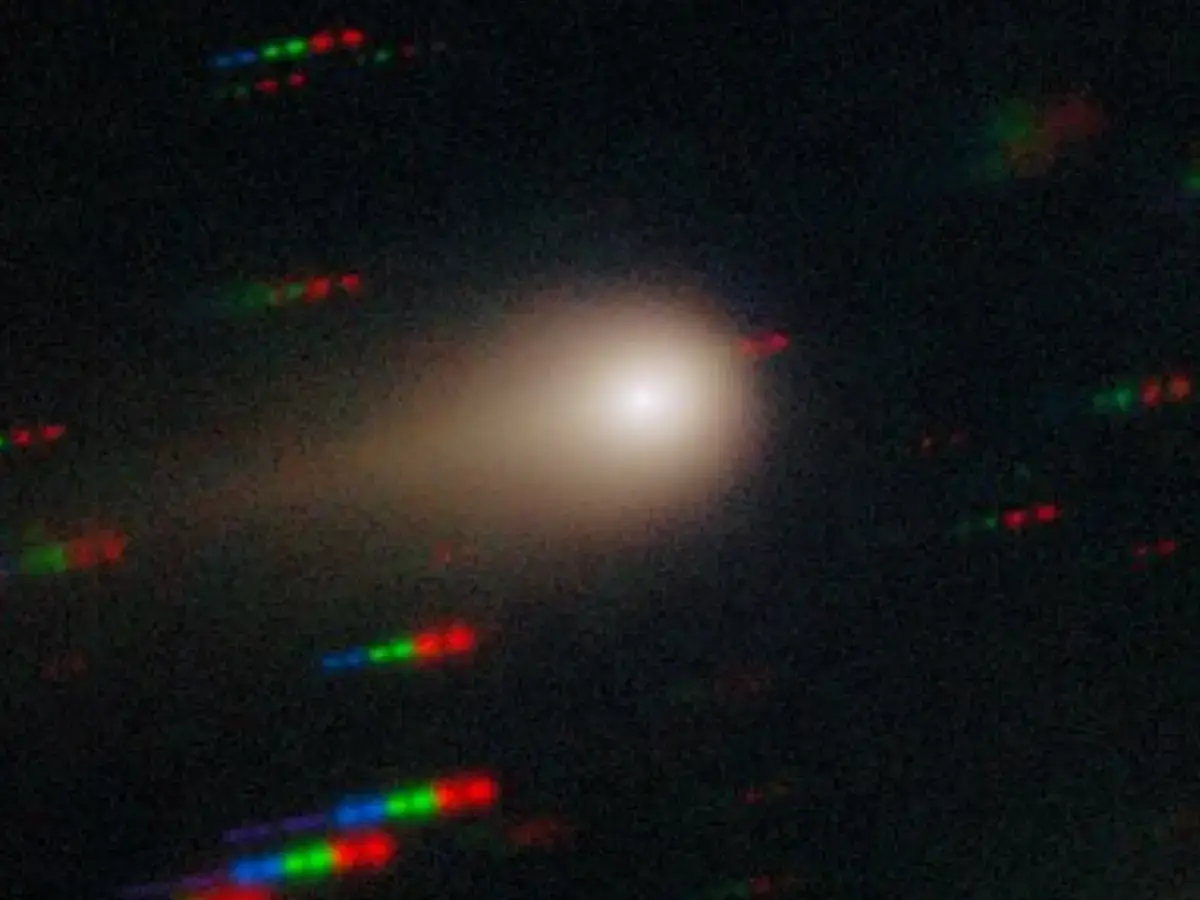
‘Oumuamua was dry, rocky, and non-outgassing. 2I/Borisov was extremely comet-like and volatile-rich. 3I/ATLAS sits between these extremes: volatile-rich, but with a chemically altered surface and unusual depletion patterns. This raises the possibility that interstellar small bodies come in multiple classes, shaped by their formation zones, ejection mechanisms, and radiation exposure.
7. Its Discovery Helps Build a Framework for Understanding Extrasolar Planetary Systems
Every interstellar object is a sample from another solar system, delivered naturally to us. 3I/ATLAS helps scientists refine models of:
- how other planetary systems form,
- how often they eject comets and debris,
- how radiation alters icy bodies,
- and how chemical diversity arises across the Milky Way.
With three confirmed interstellar visitors now catalogued, astronomers are beginning to classify these bodies just as they classify comets and asteroids within our own Solar System.
)
)
)
)
)