'A Cosmic Lie?': Why the Voyager Golden Record may be humanity’s most biased message to the stars

The Voyager Golden Record was made as Earth’s message to the stars, but critics say it’s too Western and idealistic, missing much of humanity’s real story. Could aliens be misled? Know more below.
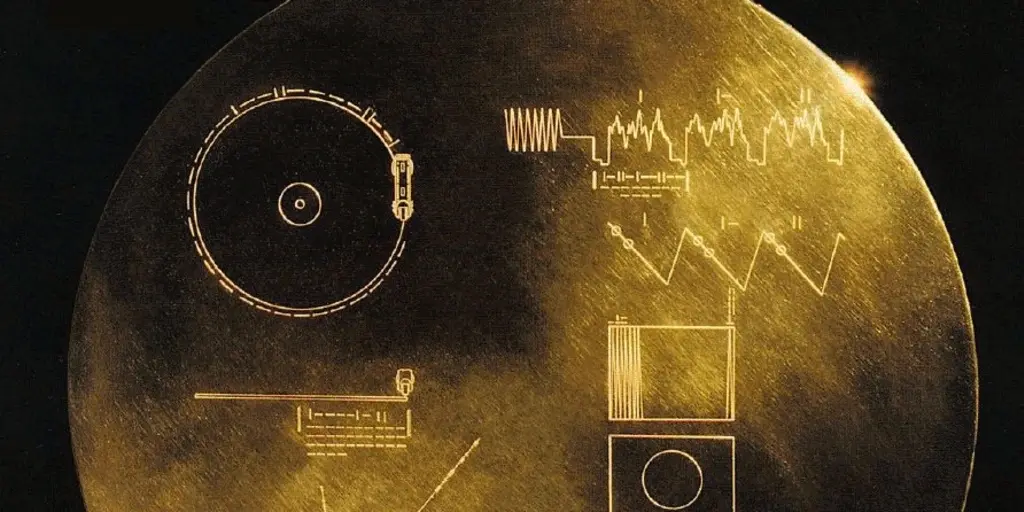
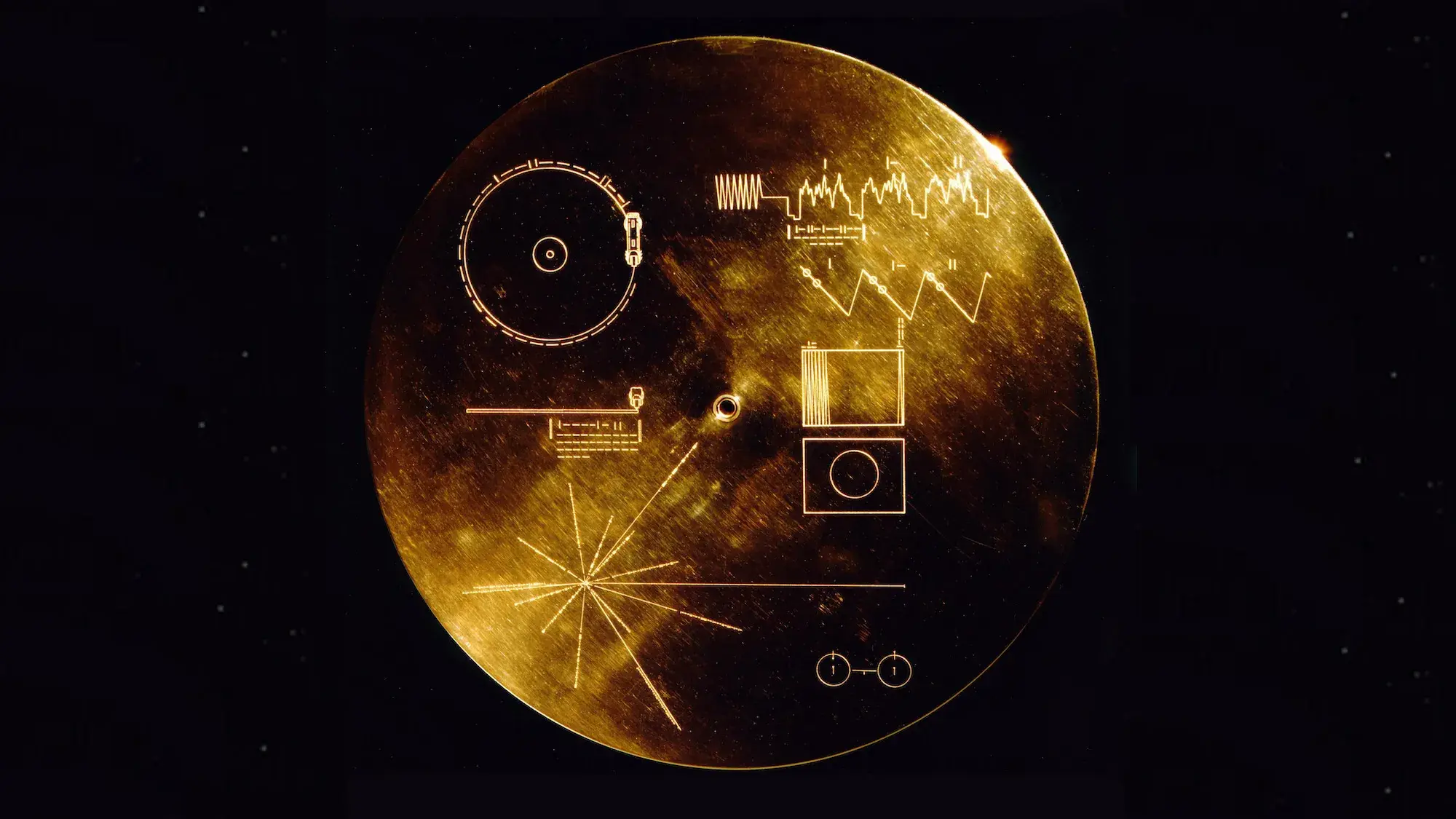
The Golden Record - Humanity’s message to the stars
Launched with Voyager 1 and 2 in 1977, the Golden Record was intended as a greeting to any extraterrestrial life. It contains 116 images, 90 minutes of music, greetings in 55 languages, and sounds of Earth.
Who chose what went on the record?
Most of the selection was led by astronomers, engineers and a few ethnomusicologists. Critics note social scientists, artists and wider communities were barely consulted, meaning key views were left out.
Bias at the heart
While the team meant well, much of the music and imagery is Western or ‘universal’ classics Beethoven, Mozart and US folk, with little from the Middle East and sparse true global variety.
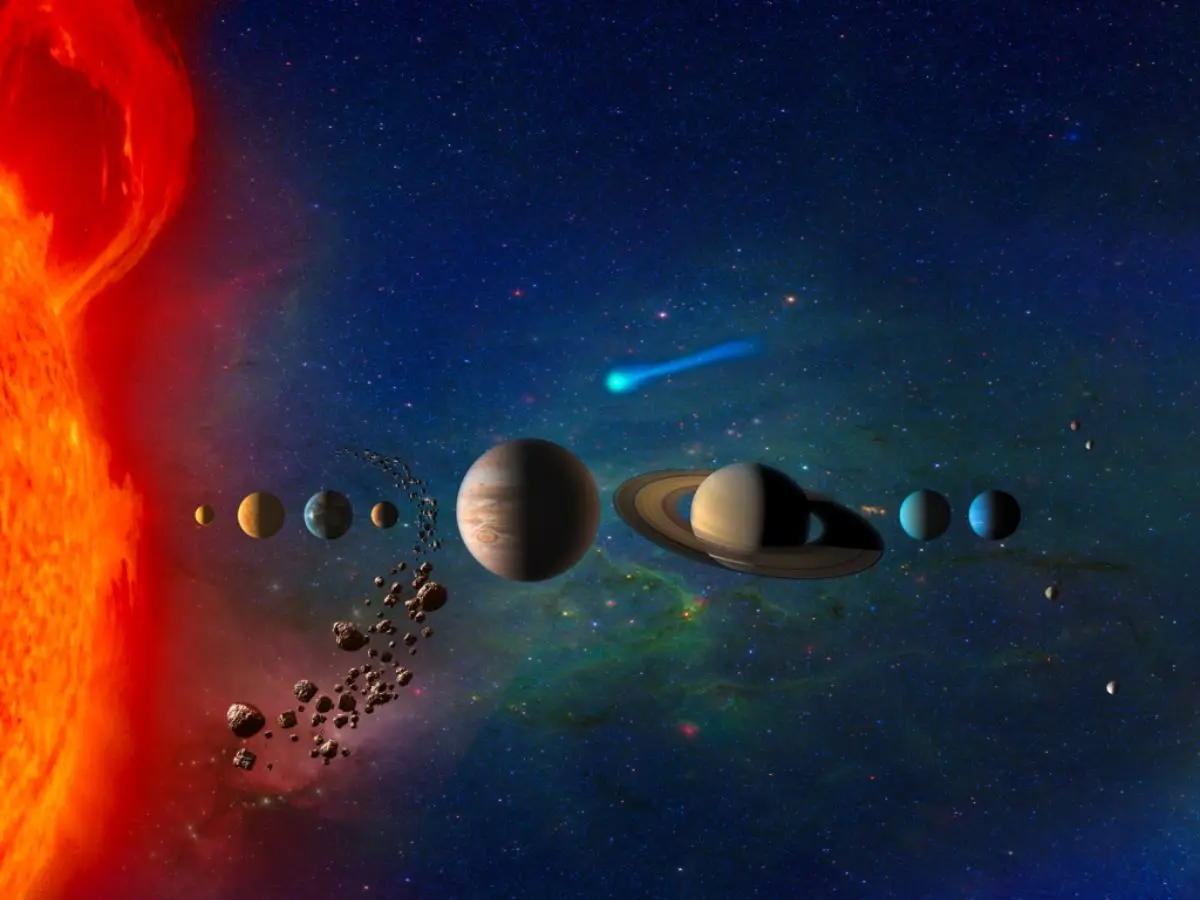
A ‘polished’ portrait of Earth
The record shows only humanity’s best peace, scientific progress and beauty. While omitting images of war, poverty, crisis or injustice. Some see this as a hopeful vision, others as misleading or even deceptive.
Could aliens misunderstand?
Many experts say the message may confuse or disappoint anyone who finds it. It hints at harmony and intellect, but leaves out our messy reality, giving a one-sided or ‘false’ impression of life on Earth.
Reasons and criticism
Supporters claim one disc can never truly represent billions of people, but call for global voices in future cosmic messages. Scientists warn that omission and bias can affect how our species is first understood by another civilisation.
Lessons for future ‘ambassadors’
The Golden Record teaches us about the power and limits of storytelling across the cosmos. As we continue to search for contact, future messages may need more honesty, diversity and collaboration to be both truthful and inspiring.
)
)
)
)
)