‘6,500 Years’: The oldest gold artefacts ever discovered

The Varna Necropolis in Bulgaria revealed the world’s oldest known gold, dating back 6,500 years. The discovery proves advanced metallurgy, trade networks and social hierarchy existed in prehistoric Europe long before ancient Egypt or Mesopotamia.
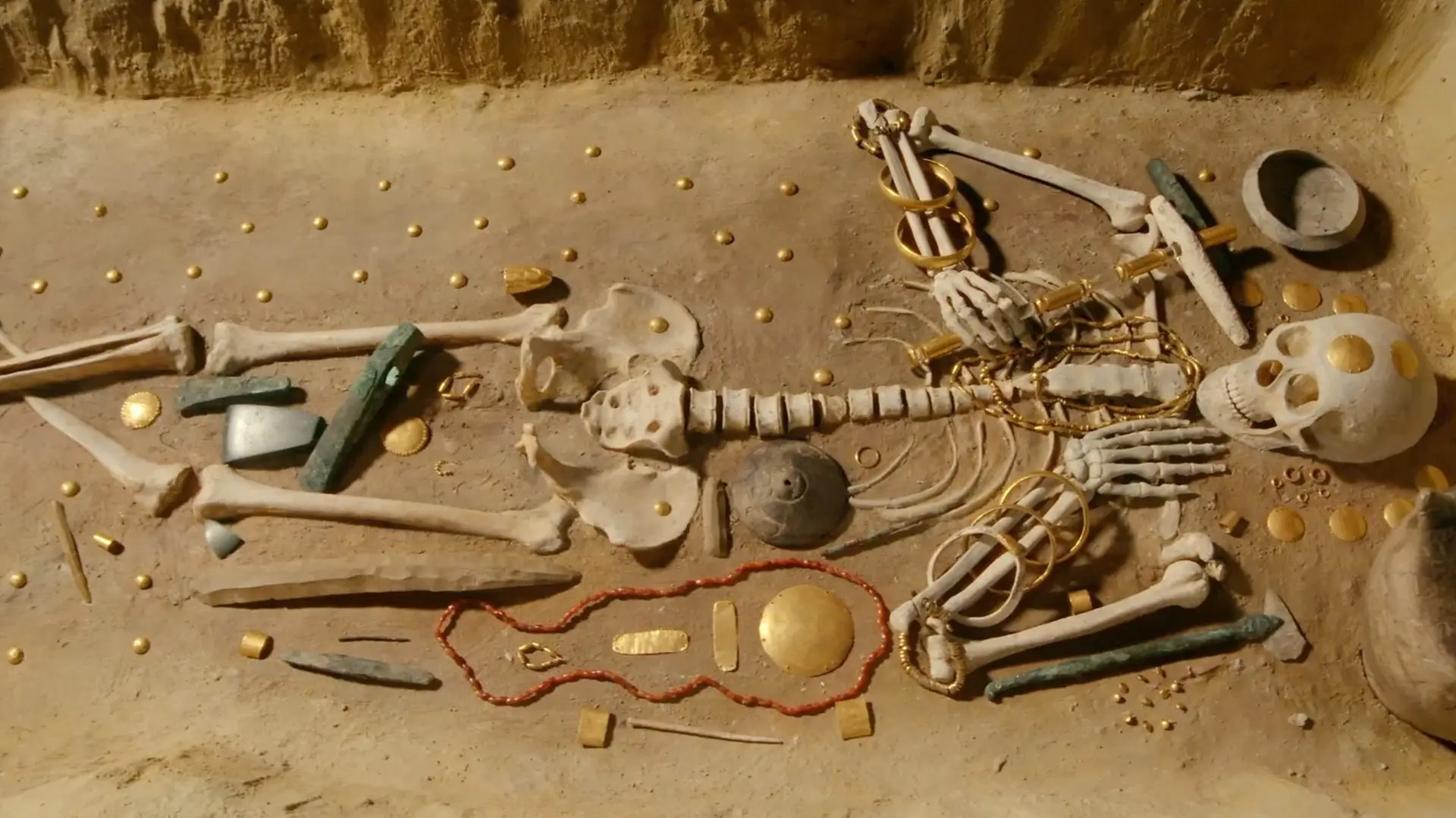
Varna Necropolis Discovery - 6,500 Years of Precious Metal History
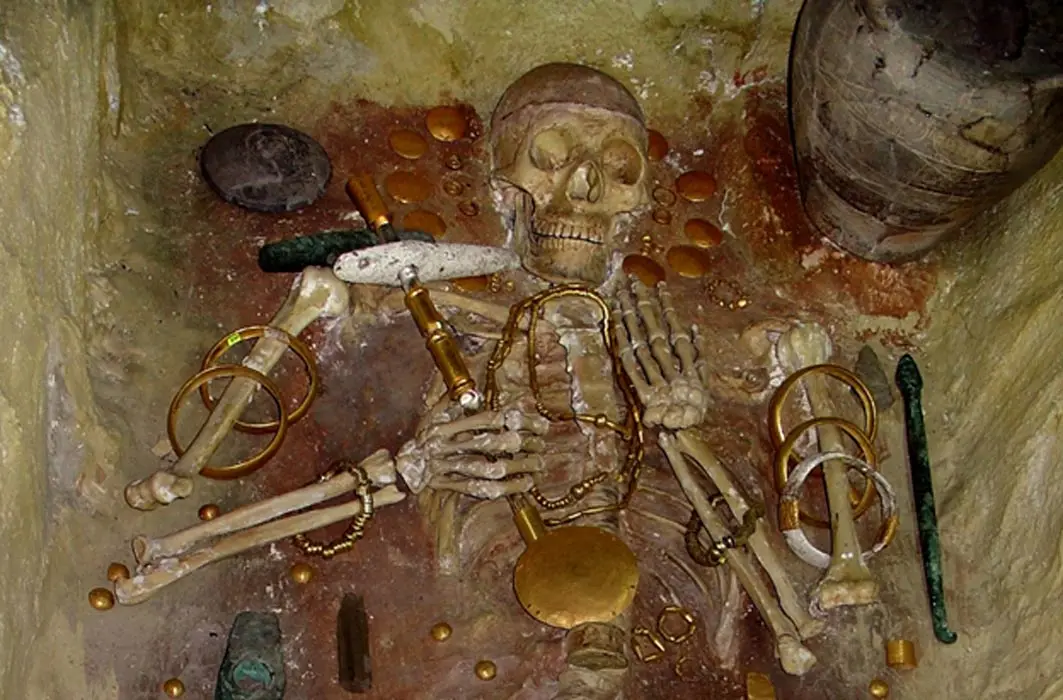
Varna Necropolis in Bulgaria contains world's oldest processed gold treasure dating 4,600 to 4,200 BC discovered in 1972 during construction work. Archaeologists uncovered 294 Chalcolithic graves containing over 3,000 gold artefacts weighing approximately 6.5 kilograms total. This represents more gold than anywhere else in the fifth millennium before Christ including Egypt and Mesopotamia establishing Varna as birthplace of gold metallurgy.
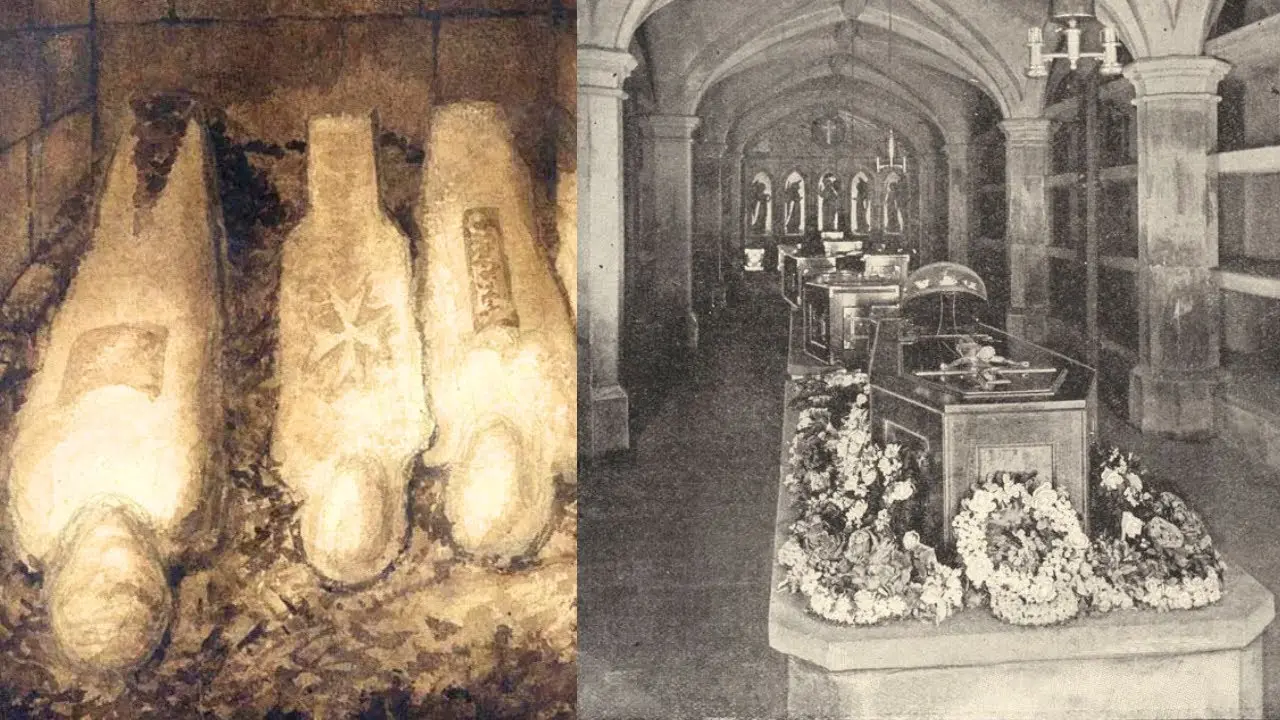
Royal Burials - Grave 43 Gold Cache and Insignia
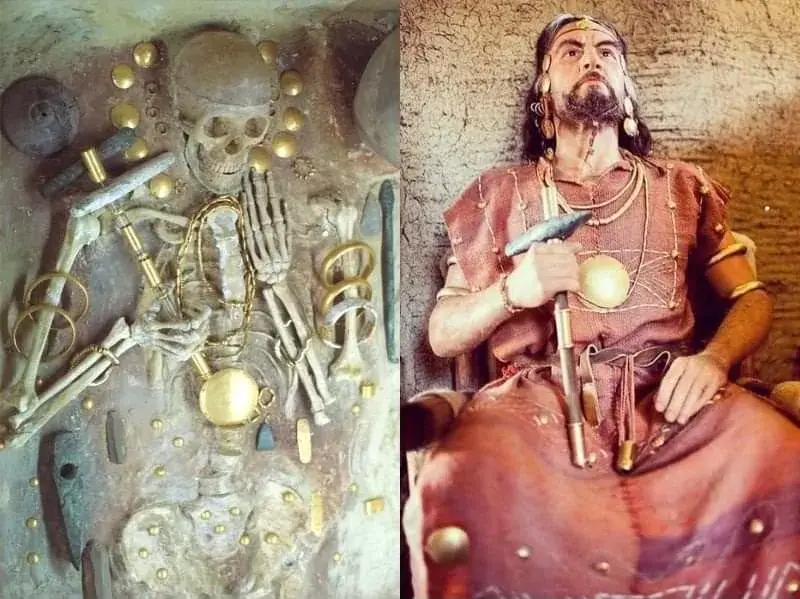
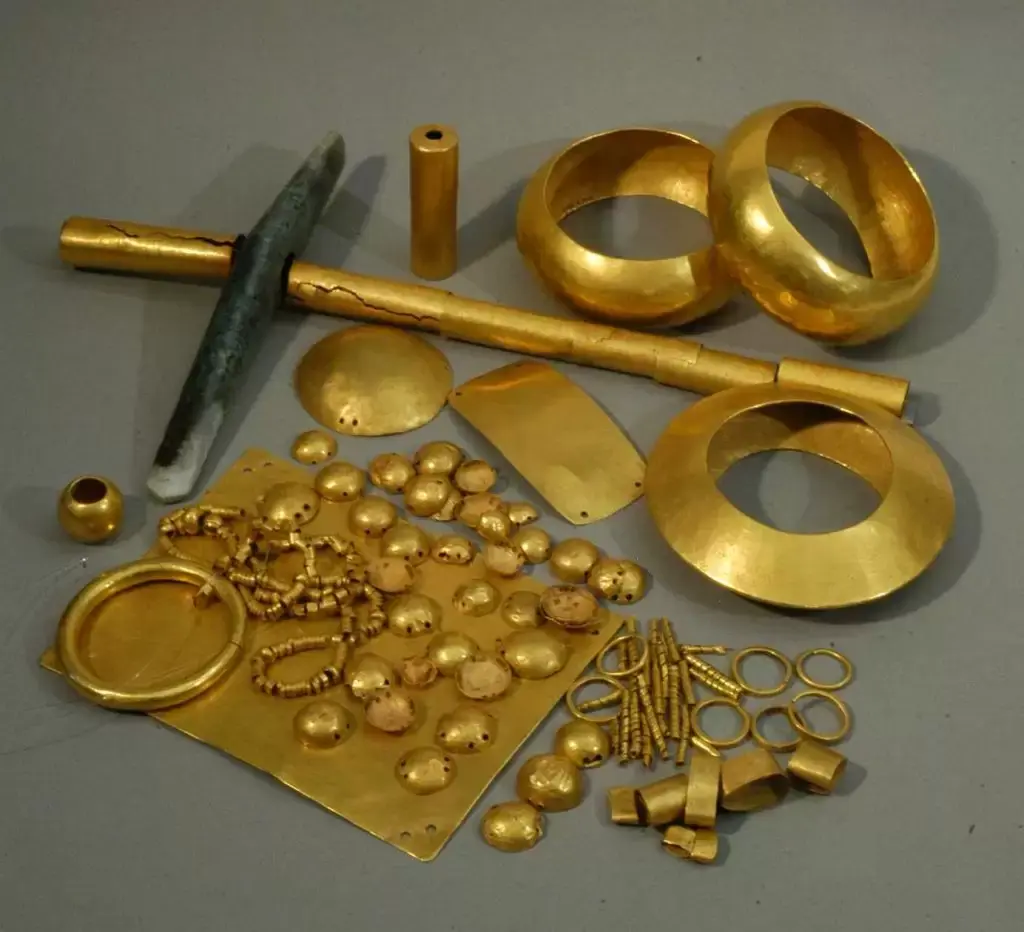
Grave 43 contained 1.5 kilograms of gold items suggesting burial of prominent ruler or king-priest indicating sophisticated social hierarchy existed 6,500 years ago. Gold included 10 large appliques multiple rings necklaces beads decorated weapons, and ceremonial items. Archaeologists believe gold artefacts represented royal insignia marking individual as supreme authority in Varna culture society.
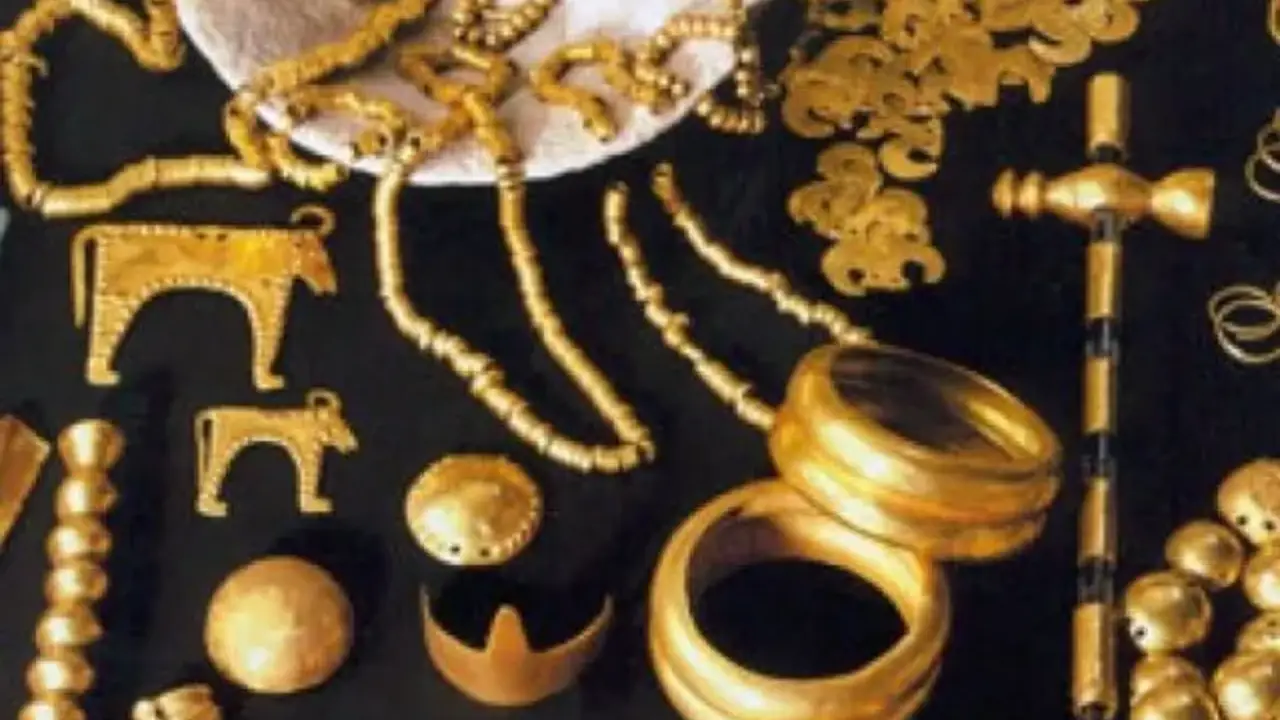
Gold Types and Craftsmanship - 28 Different Artefact Categories
Varna gold divided into 28 distinct artefact types including beads 23.5-carat rings scepters bracelets animal-shaped plaques and decorative items. Gold rings featured sophisticated construction techniques and some were hung on strings suggesting necklace arrangements. Metalworkers demonstrated surprising technical expertise creating diverse ornamental and ceremonial objects.
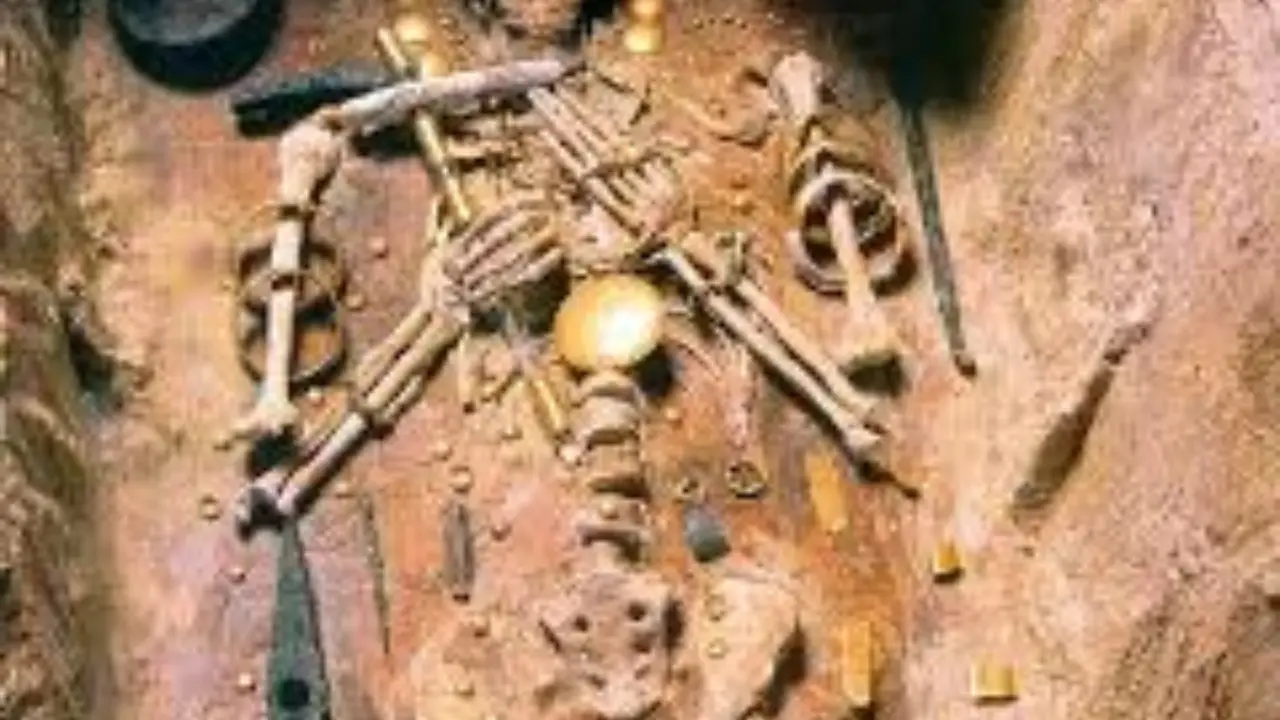
Advanced Metallurgical Techniques - Lost-Wax Casting Methods
Recent analysis revealed Varna craftspeople employed lost-wax casting and advanced forging techniques contradicting earlier assumptions gold was cold-worked. Metallurgical examination showed sophisticated heating and shaping procedures requiring considerable technical knowledge. Archaeological evidence indicates Varna goldsmiths invented gold working independently without outside influence.
Trade Networks - Black Sea Mediterranean Commercial Links
Archaeological findings suggest Varna culture maintained extensive trade networks reaching Lower Volga region Cyclades Mediterranean and Danube rivers. Copper ore used in Varna artefacts originated from Sredna Gora mines demonstrating mining operations and long-distance material supply chains. Mediterranean spondylus shells discovered in graves possibly served as primitive currency.
Lake Varna Settlement - 13 Chalcolithic Communities Discovered
Thirteen Chalcolithic settlements found around Lake Varna which was then Black Sea bay reaching 13 miles inland providing natural harbour. Settlements positioned strategically for maritime trade controlling important shipping routes. Varna culture developed sophisticated urban centres predating civilisation development in Middle East.
Tiny Gold Bead - 4,500 BC Pazardzhik Discovery
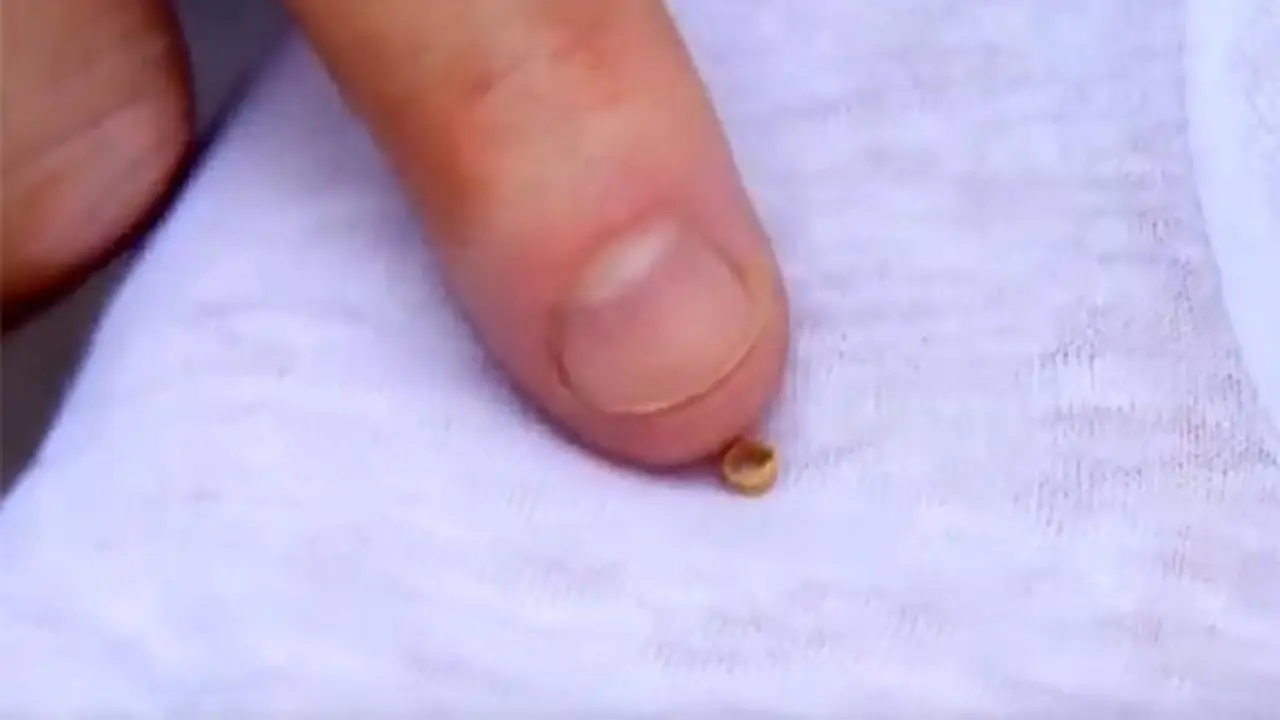
Tiny gold bead from Pazardzhik measuring 4 millimetres width possibly predates Varna gold by approximately 200 years dating to 4,500-4,600 BC. Bead weighs mere 0.005 ounces but represents extraordinary achievement in metalworking precision. Discovery challenges assumption Varna represents oldest gold metallurgy evidence.
Old Europe Civilisation - Pre-Egyptian Gold Working
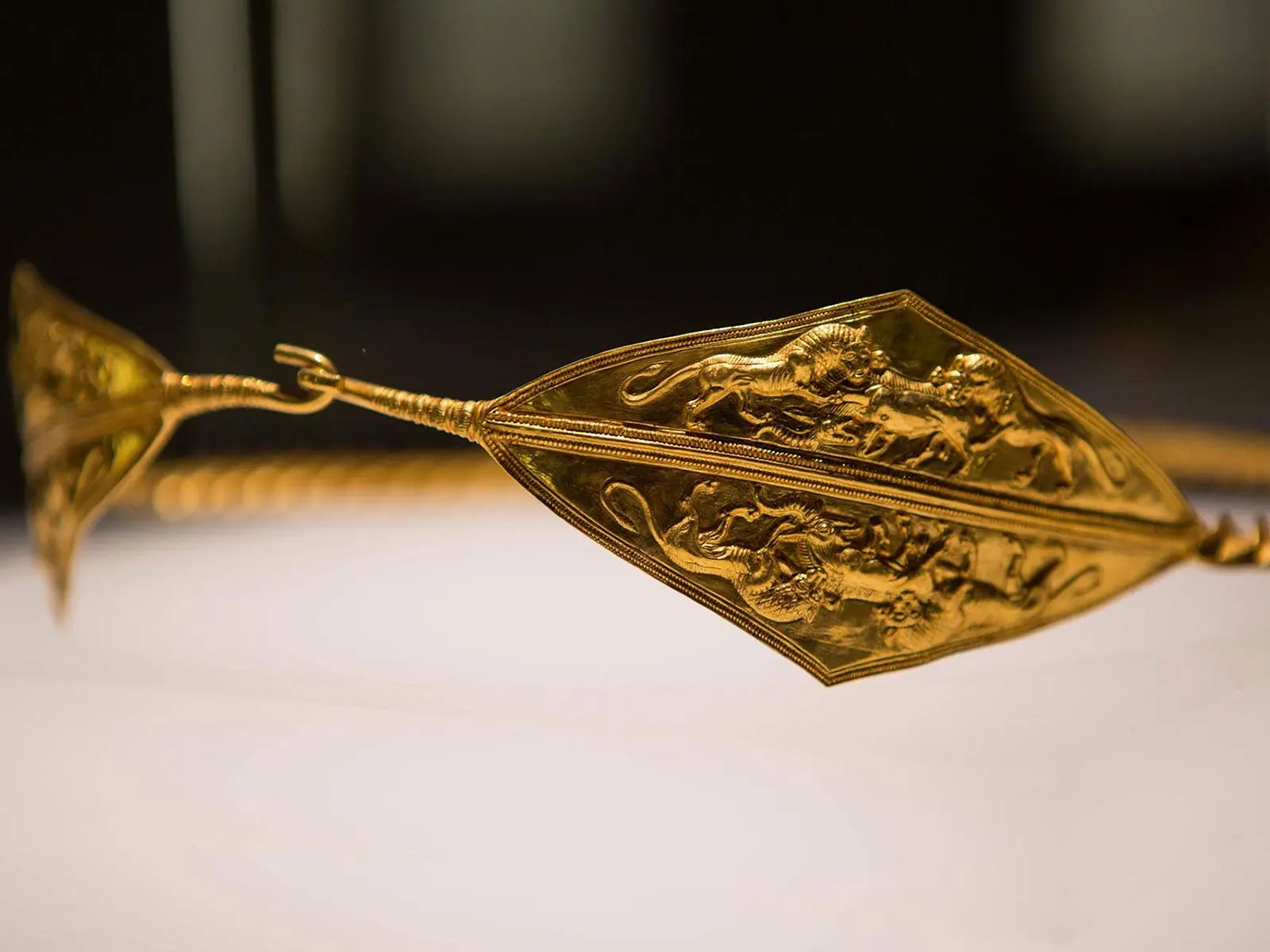
Varna culture belonged to prehistoric Old Europe civilisation developing during Neolithic and Chalcolithic periods across Balkan Peninsula and Black Sea coast. Varna accumulated more gold treasure in fifth millennium BC than any contemporary civilisation including famous Egyptian dynasties. Sophisticated society existed unrecognised by mainstream history until 1972 discovery.
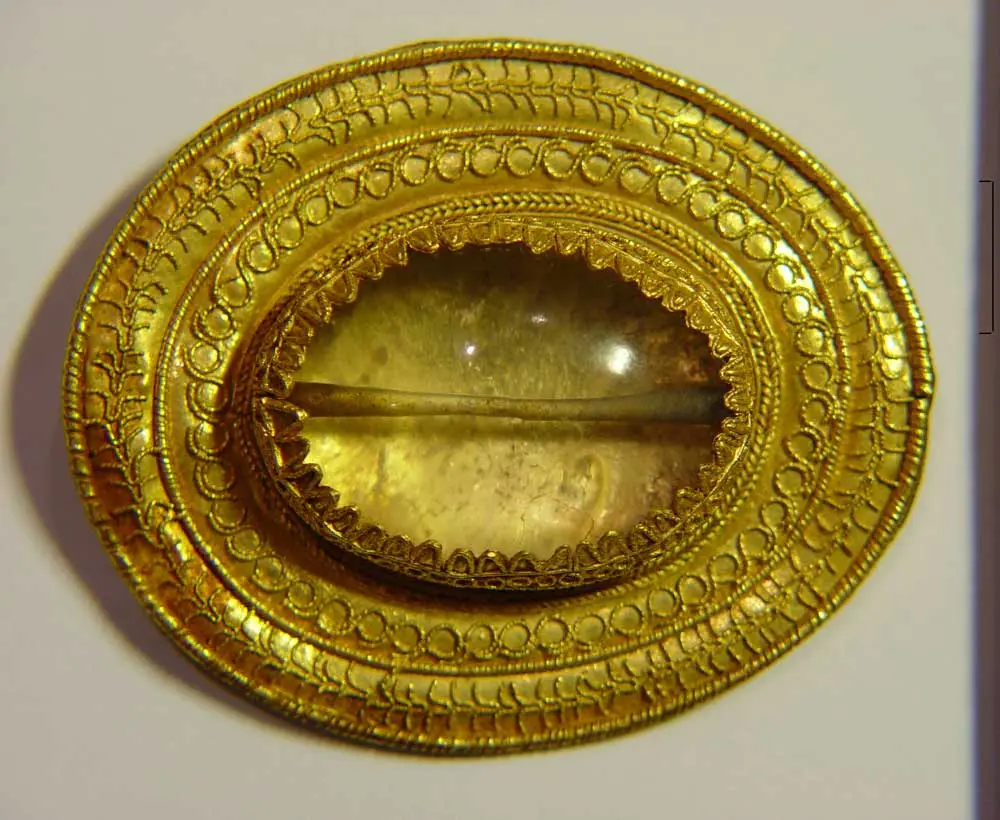
Social Hierarchy Evidence
Gold treasure distribution in graves demonstrates emerging social stratification with some individuals buried with significantly more artefacts indicating elite status. Similar royal burials found in graves 1, 4, and 5 suggesting established royal institution existed. Gold possession appears linked to political and religious authority suggesting class-based society.
Archaeological Mystery
Varna culture flourished producing extraordinary gold artefacts then disappeared abruptly leaving archaeological mystery regarding civilisation's fate. No clear evidence explains collapse of sophisticated society suggesting possible environmental climate or conflict factors. Varna gold remains testament to forgotten advanced prehistoric European civilisation predating better-known ancient cultures.
)
)
)
)
)