‘-50°C to -62°C’: This is the coldest train journey on Earth

Trains on the Trans-Siberian and in Arctic Siberia face temperatures of -50°C to -62°C. Special heating and monitoring ensure safe passage. These cold journeys offer a unique travel adventure. Know more below.
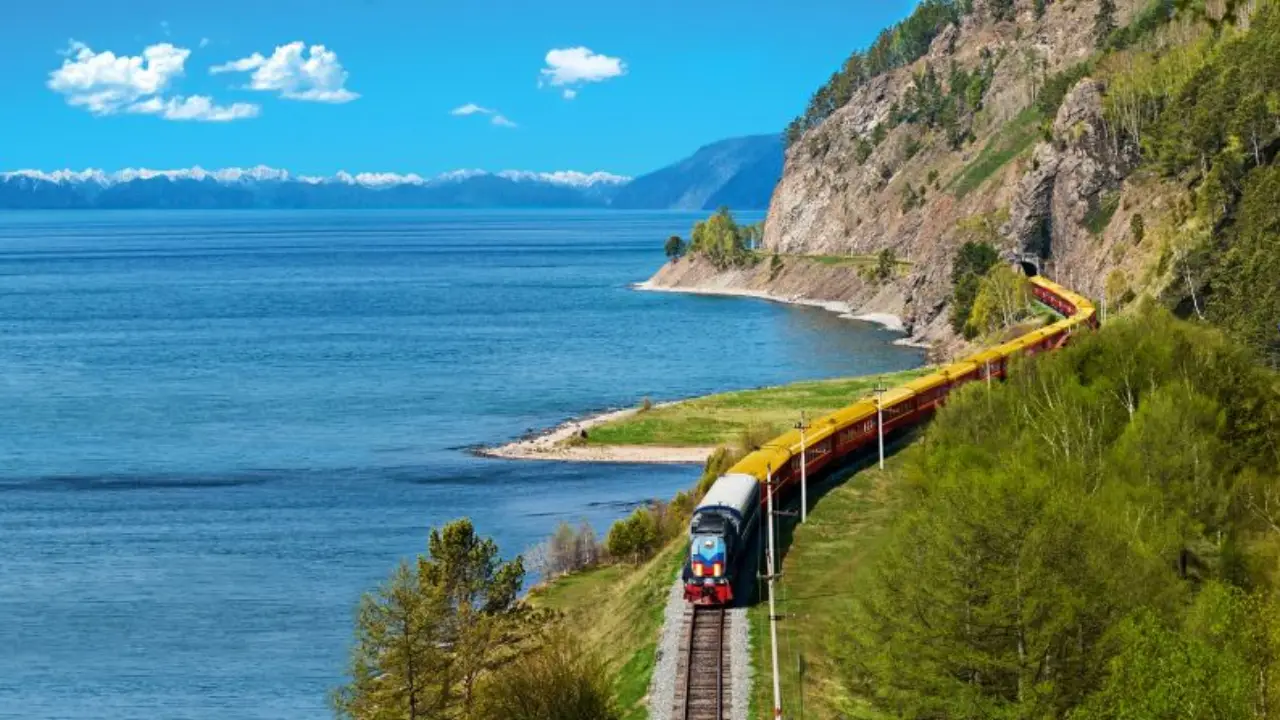
The Trans-Siberian Railway’s Extreme Cold
The Trans-Siberian Railway passes through areas where temperatures can fall to -62°C, especially between the Mogocha and Skovorodino stations. This makes it the coldest train route on Earth.
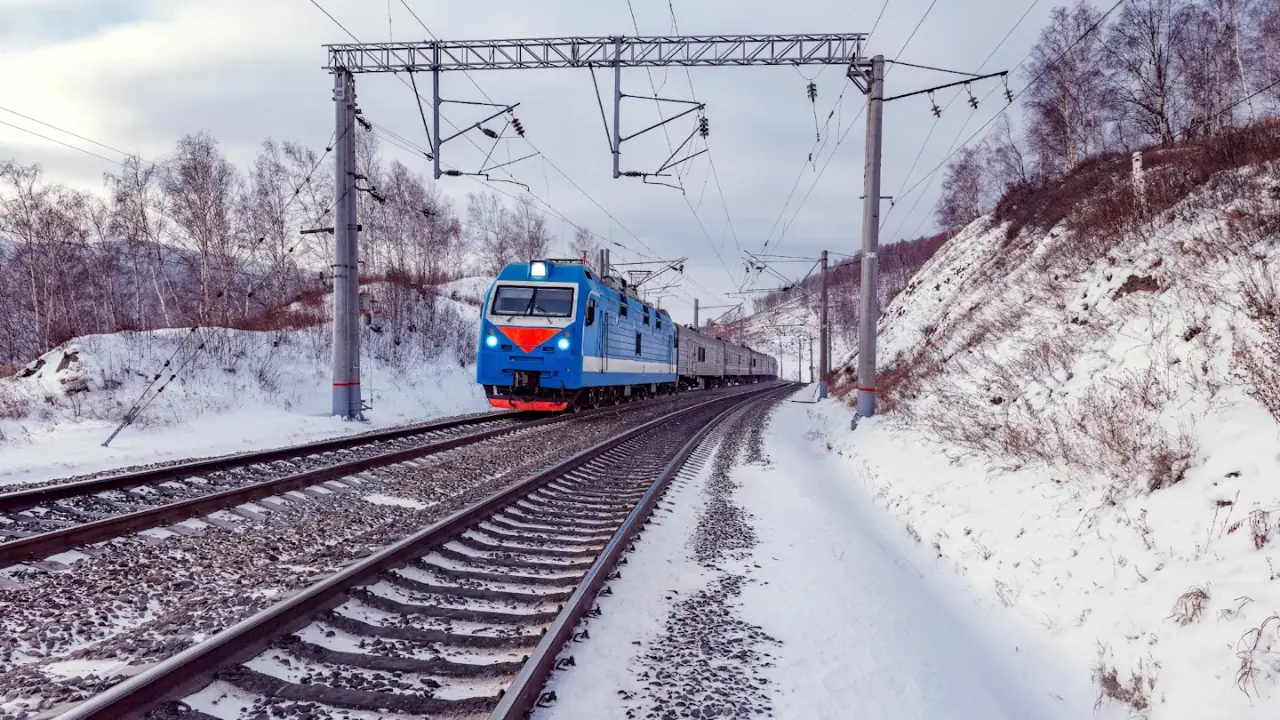
The train to Yakutsk, the world’s coldest city, faces temperatures below -50°C regularly in winter. Special heating keep
The train to Yakutsk, the world’s coldest city, faces temperatures below -50°C regularly in winter. Special heating keeps passengers warm, and trains run on tracks laid on frozen ground known as permafrost.
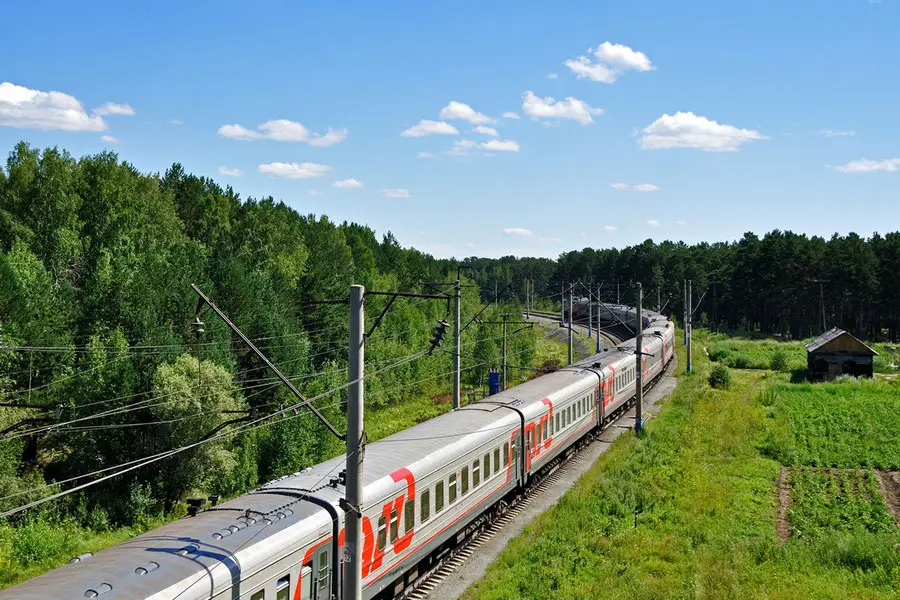
Russia’s Arctic Circle Railway
Trains traveling to Murmansk cross the Arctic Circle with months of frozen conditions. The routes are often covered in snow and ice but maintain schedules through careful maintenance.
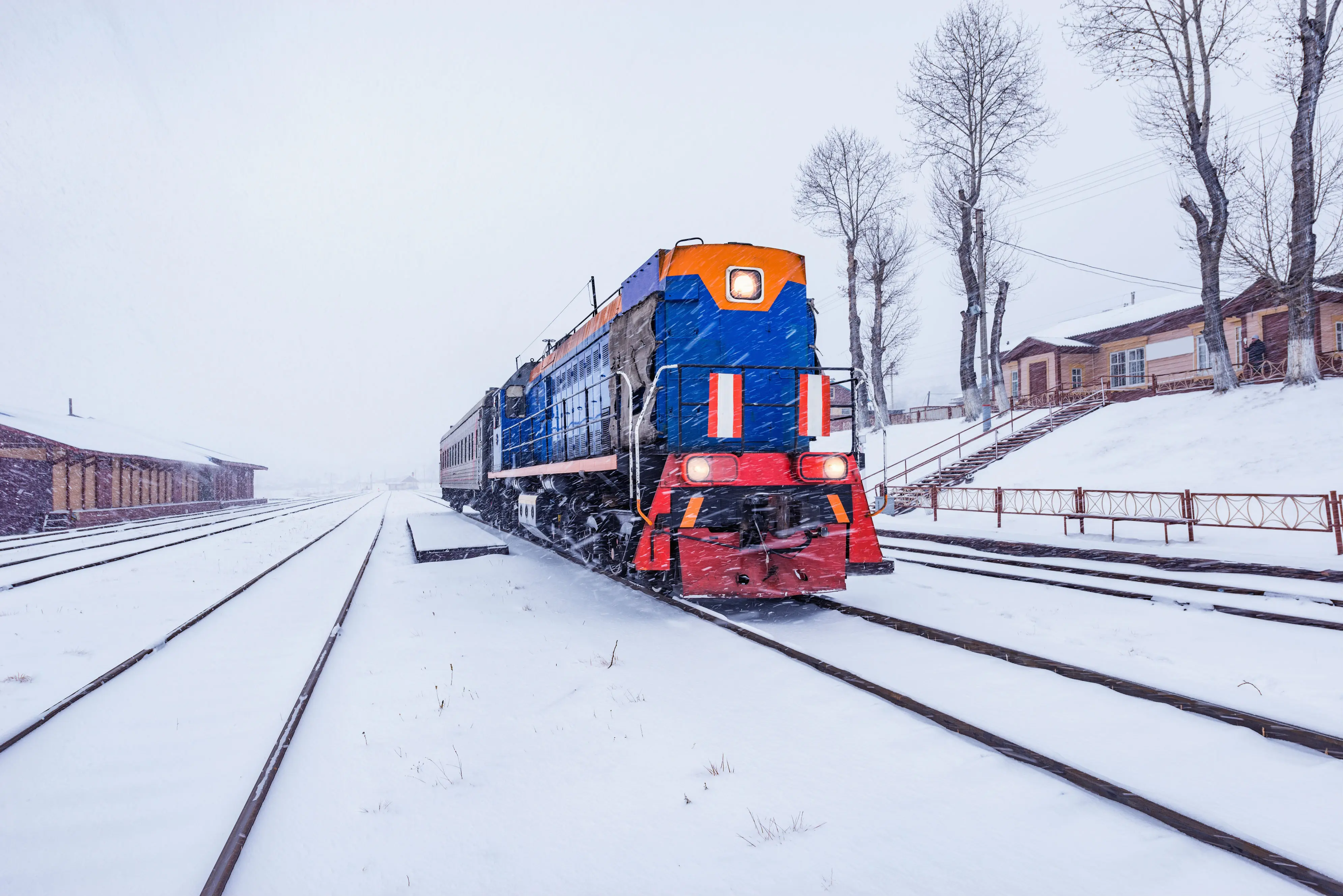
Heating and Safety Measures
Tracks and trains are fitted with heating systems in critical points to prevent ice damage. GPS-enabled monitoring and ultrasonic testing help spot and manage risks early during freezing weather.
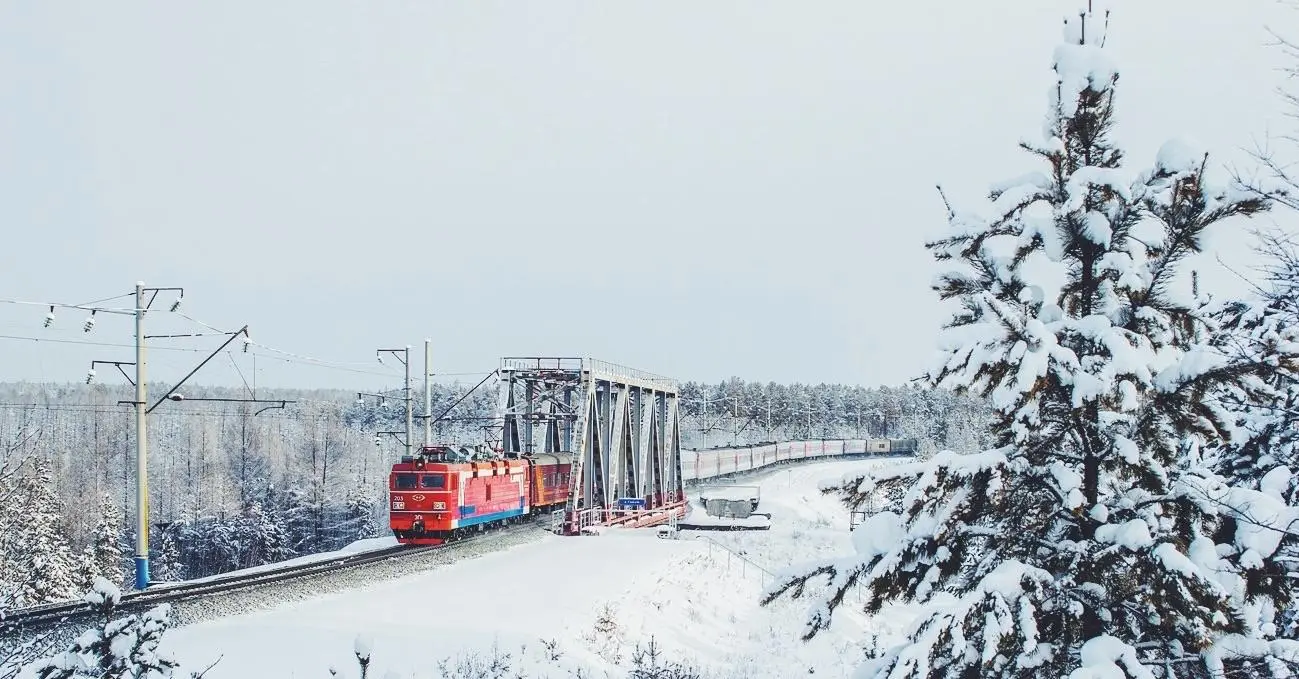
Challenges of Permafrost
Building and maintaining railways on permafrost is complex because warming can cause ground to shift. Engineers use special materials and designs to ensure track stability in such cold regions.
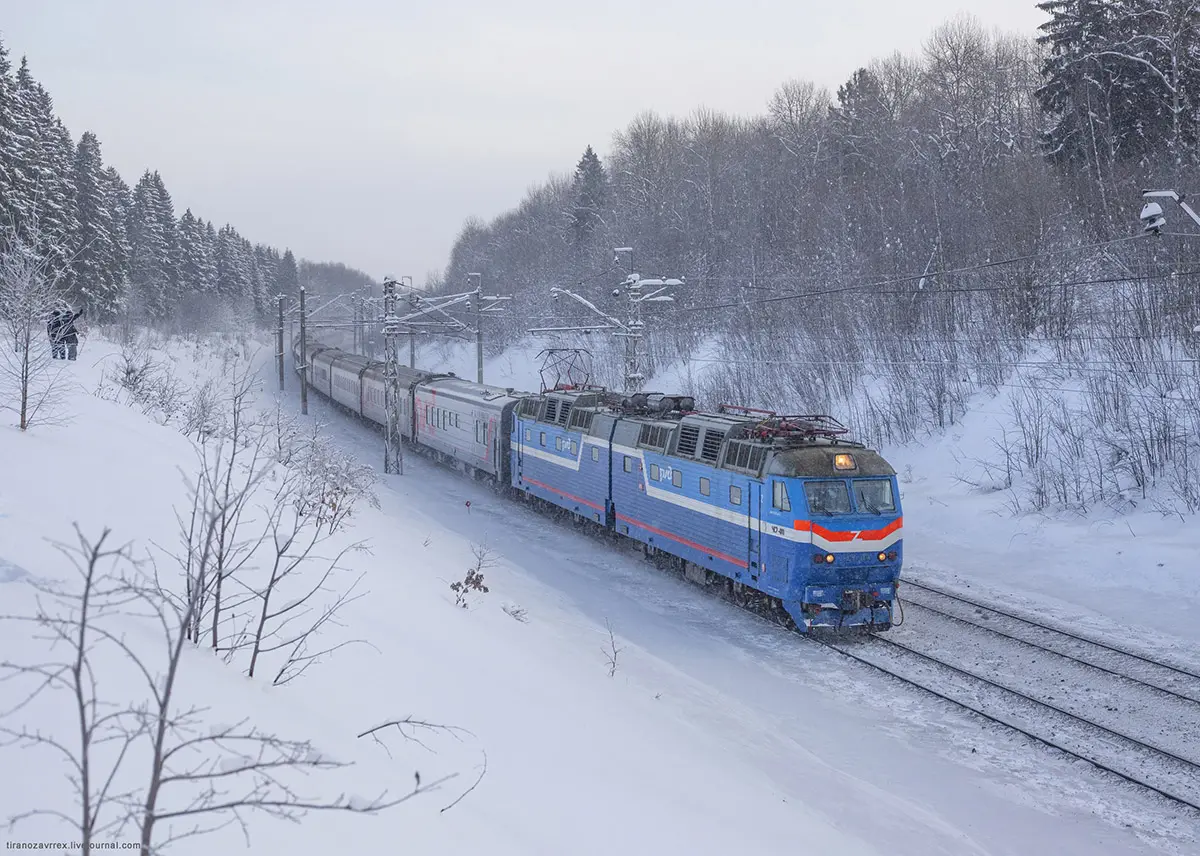
Passenger Experience in Extreme Cold
Passengers experience hardy conditions but trains are equipped with heating and insulated coaches. Even under extreme winter weather, railways strive to keep journeys safe and comfortable.
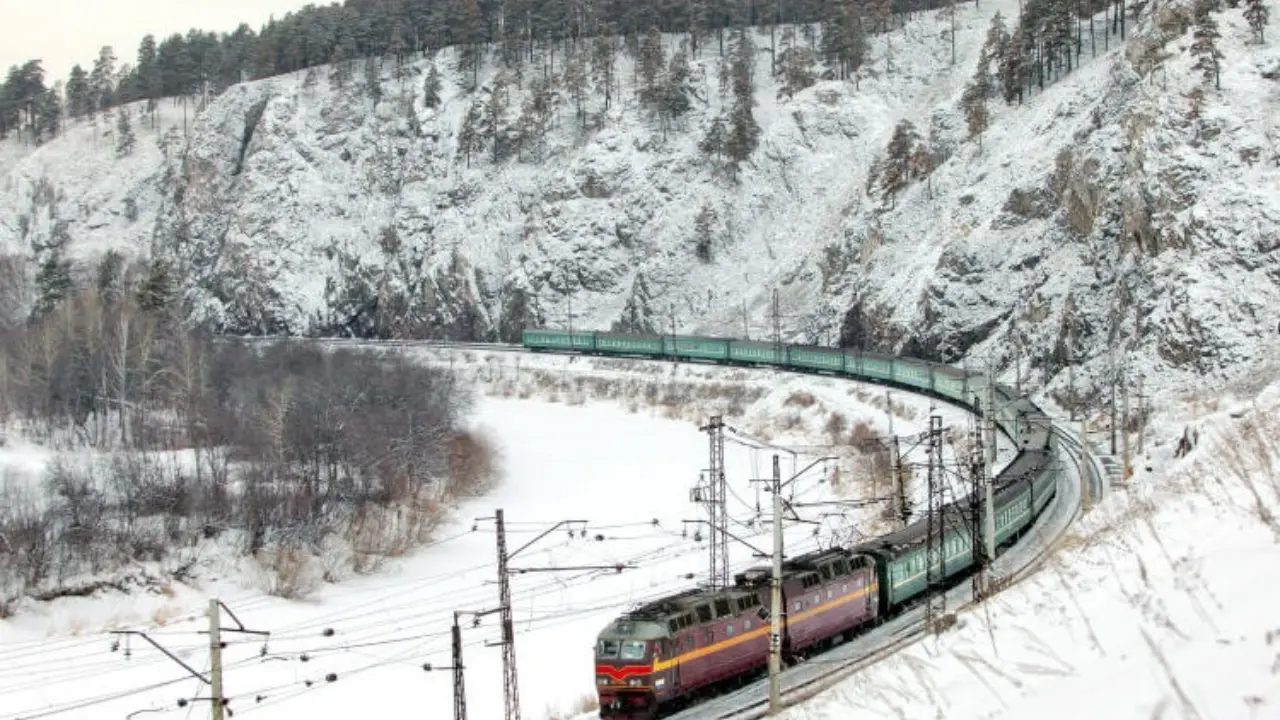
The Beauty of Frozen Rail Journeys
Despite the harsh conditions, these cold routes offer breathtaking icy landscapes, northern lights, and unique glimpses into life in the far north. Such journeys are unforgettable travel experiences.
)
)
)
)
)