'50,000 feet per minute': How high can the F‑15E Strike Eagle go?

The $31 million F-15E Strike Eagle boasts a massive service ceiling of 60,000 feet and a 50,000-foot-per-minute climb rate. Powered by twin Pratt & Whitney engines, it dominates high-altitude combat.
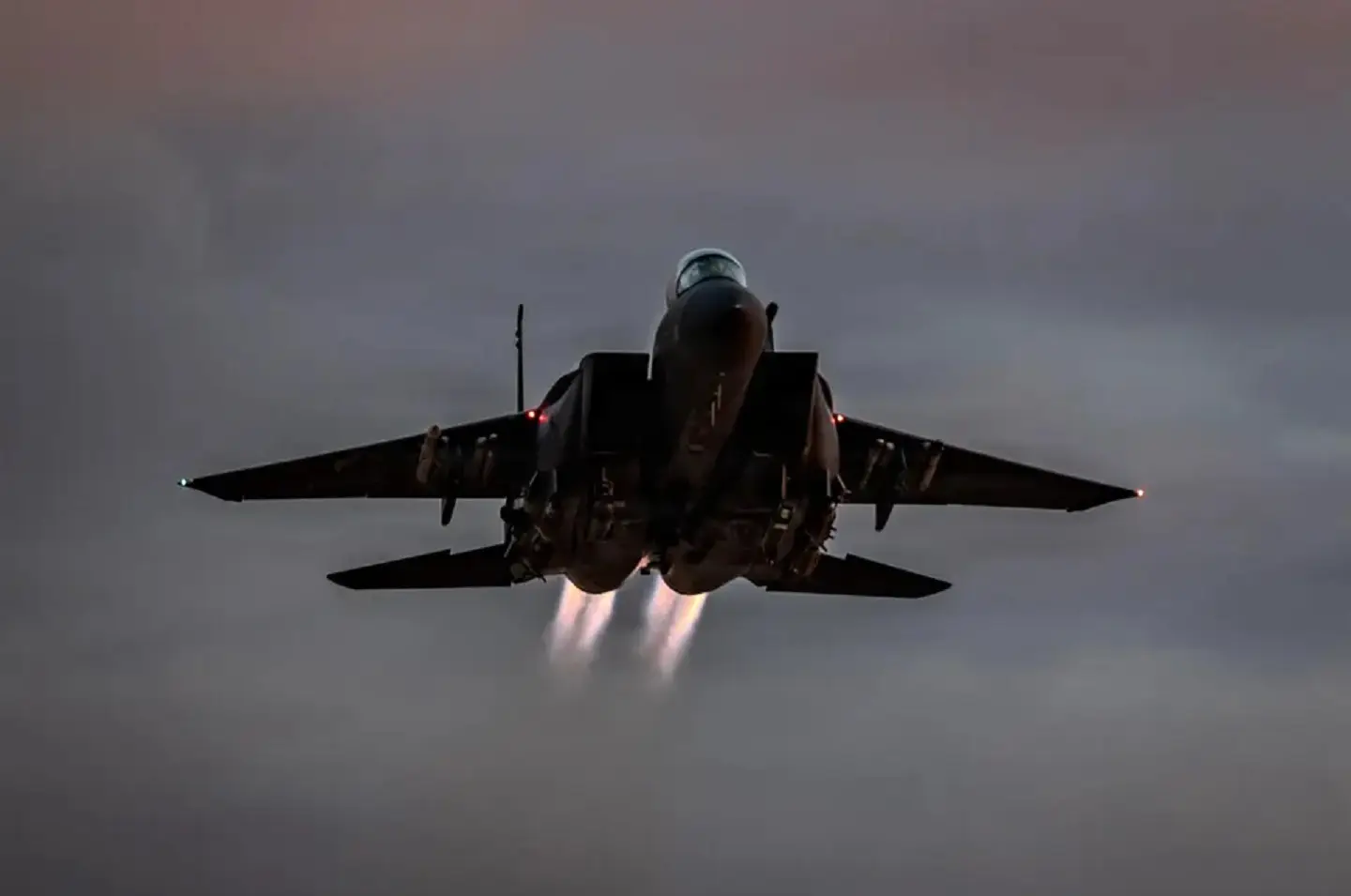
A 60,000-Foot Ceiling
The F-15E Strike Eagle is engineered to operate in the extreme upper atmosphere, boasting an official service ceiling of 60,000 feet. At this staggering altitude, the $31 million jet flies nearly twice as high as standard commercial airliners.
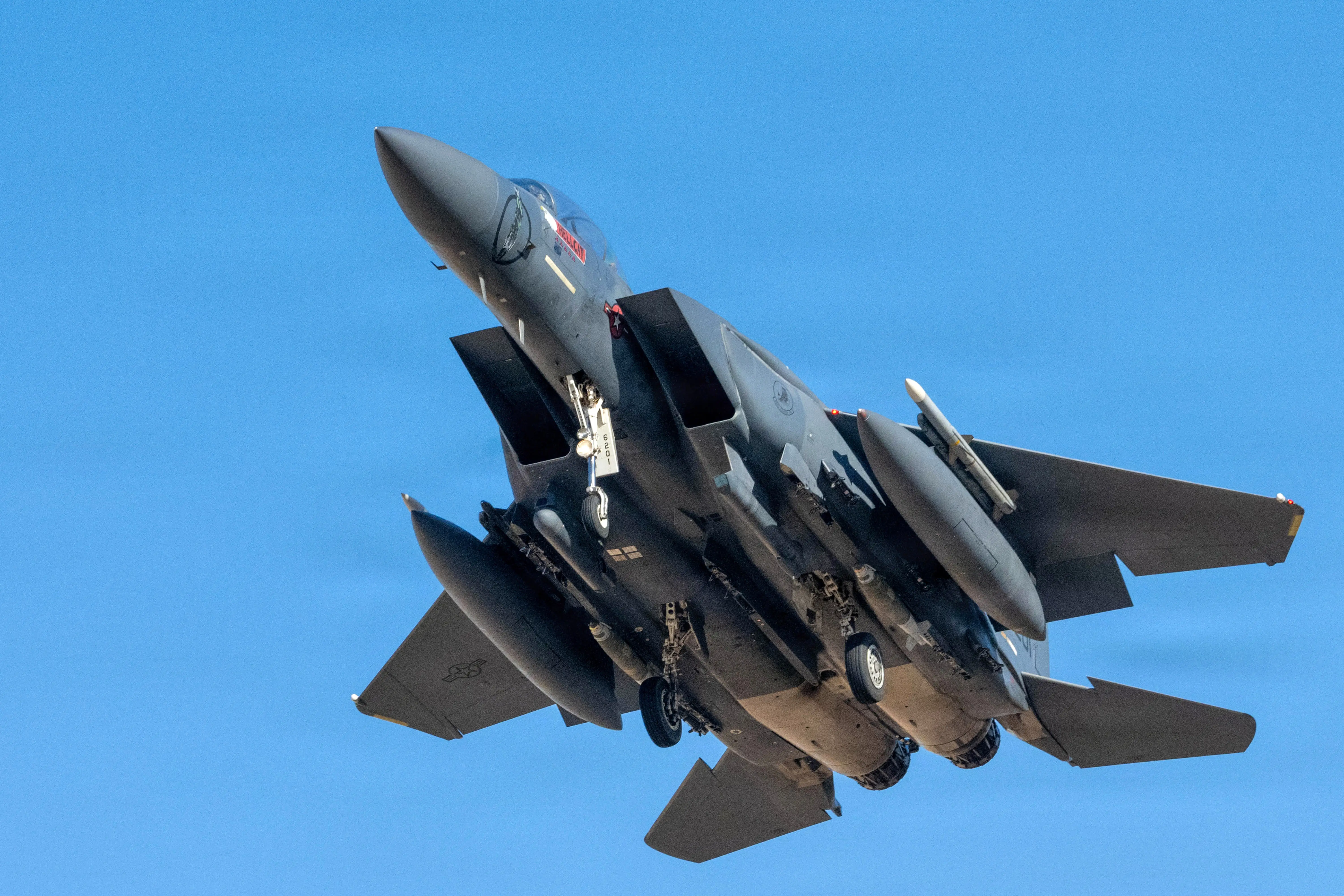
The 50,000 FPM Climb
Getting to the stratosphere requires immense raw power and rapid acceleration. The Strike Eagle boasts an incredible rate of climb of 50,000 feet per minute, allowing pilots to launch from a runway and reach combat altitude in roughly 60 seconds.
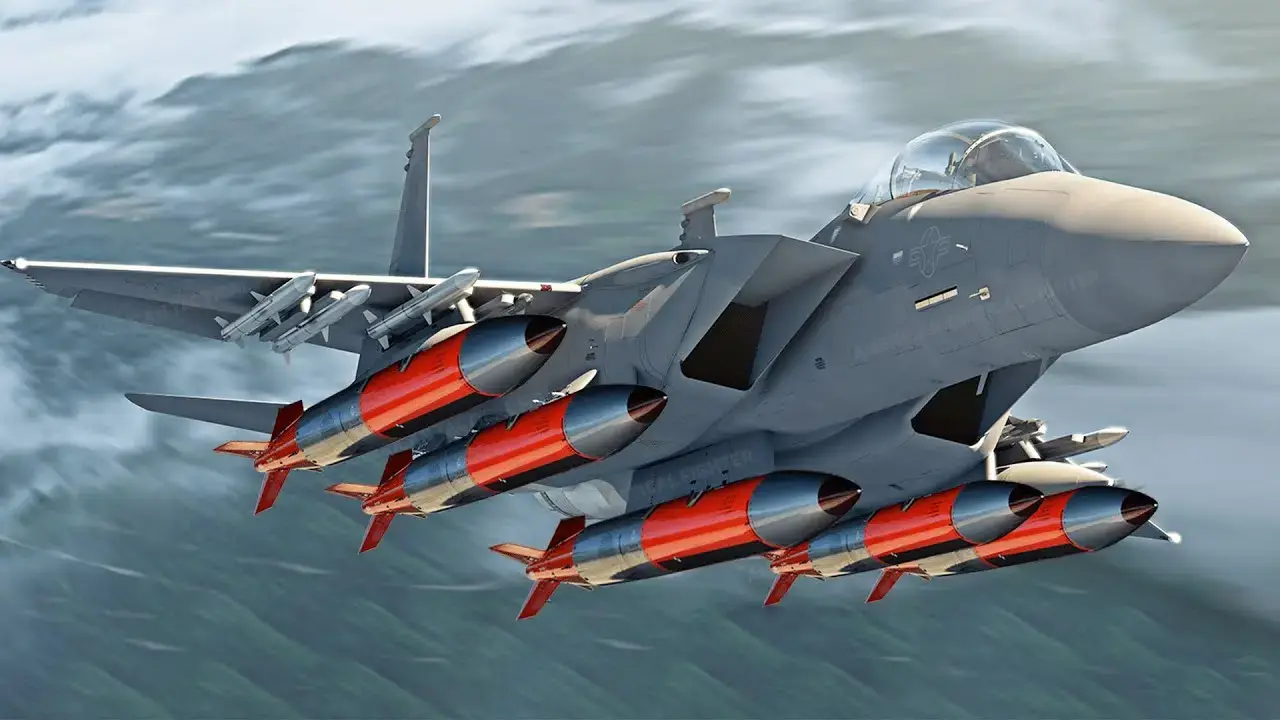
Powered by Twin Turbofans
This extreme vertical thrust is generated by two incredibly powerful Pratt & Whitney F100 turbofan engines. Engaging the afterburners produces a combined 58,000 pounds of thrust, physically pushing the 36,000-kilogramme aircraft straight up into the sky.
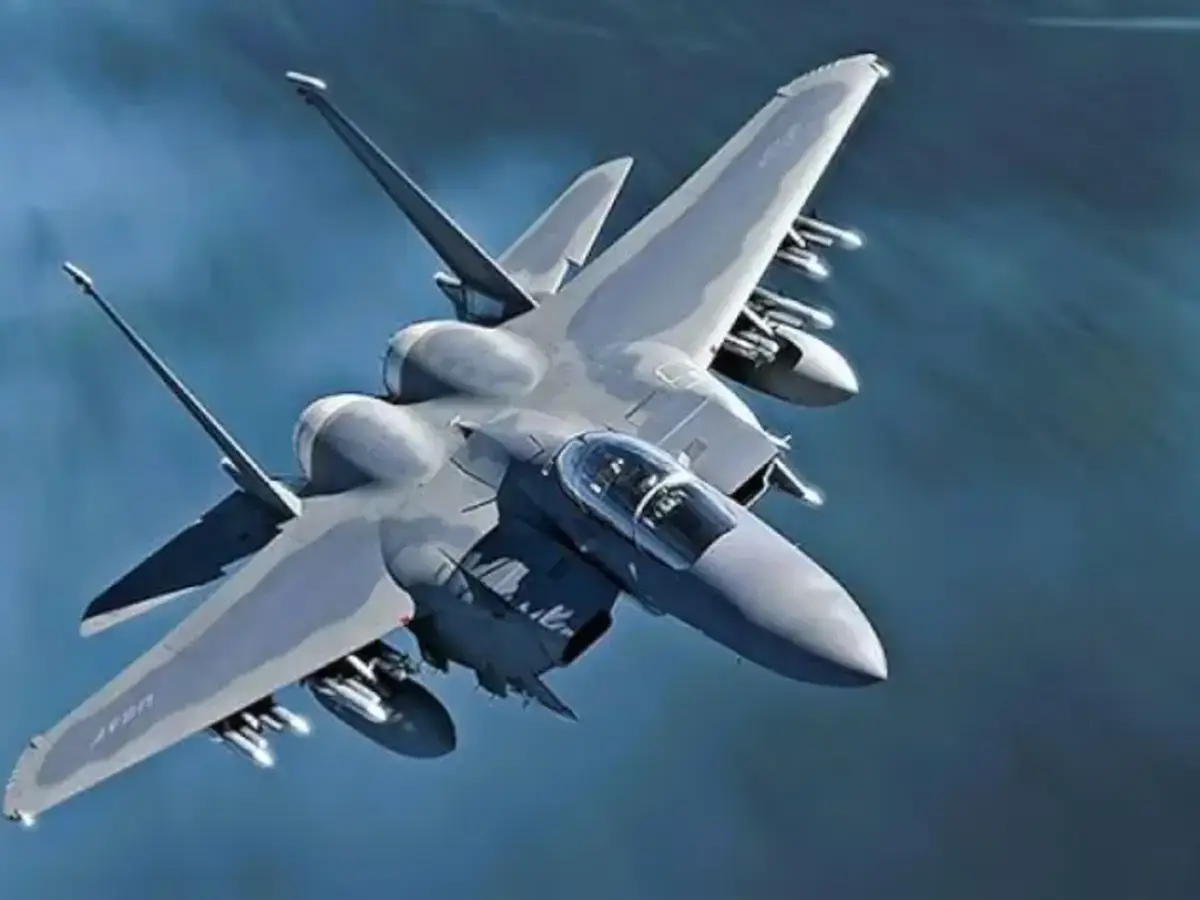
High-Altitude Bombing
Operating at 60,000 feet gives the F-15E a massive tactical advantage during deep interdiction missions. From this commanding height, the aircraft can drop precision-guided Joint Direct Attack Munitions (JDAMs) while remaining physically out of reach for many older anti-aircraft systems.
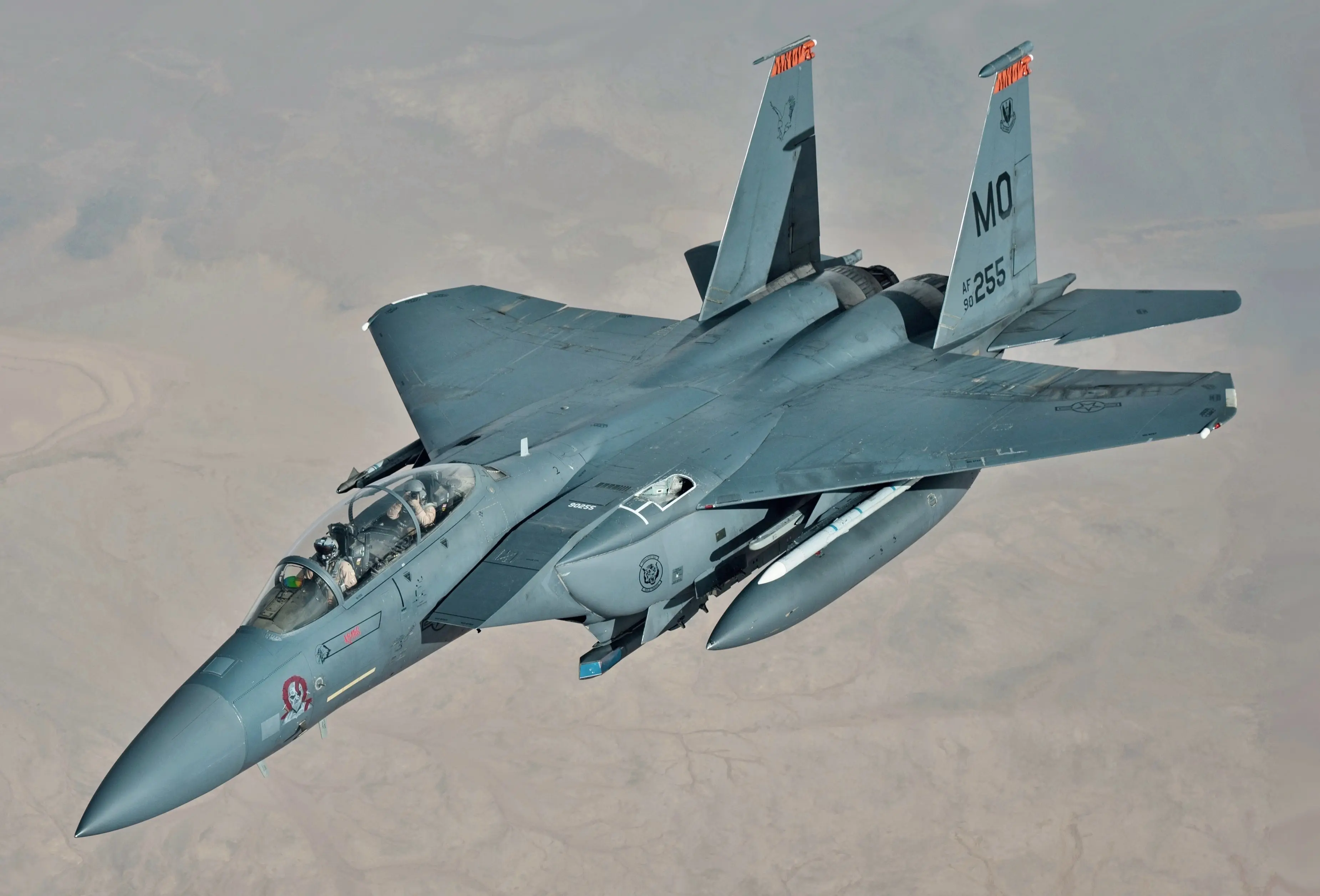
The Oxygen Problem
Flying at the edge of the stratosphere presents severe biological challenges for the two-person crew. Because the ambient air is too thin to breathe, the aviators rely on an onboard oxygen generation system and heavily pressurised flight suits to survive the extreme environment.
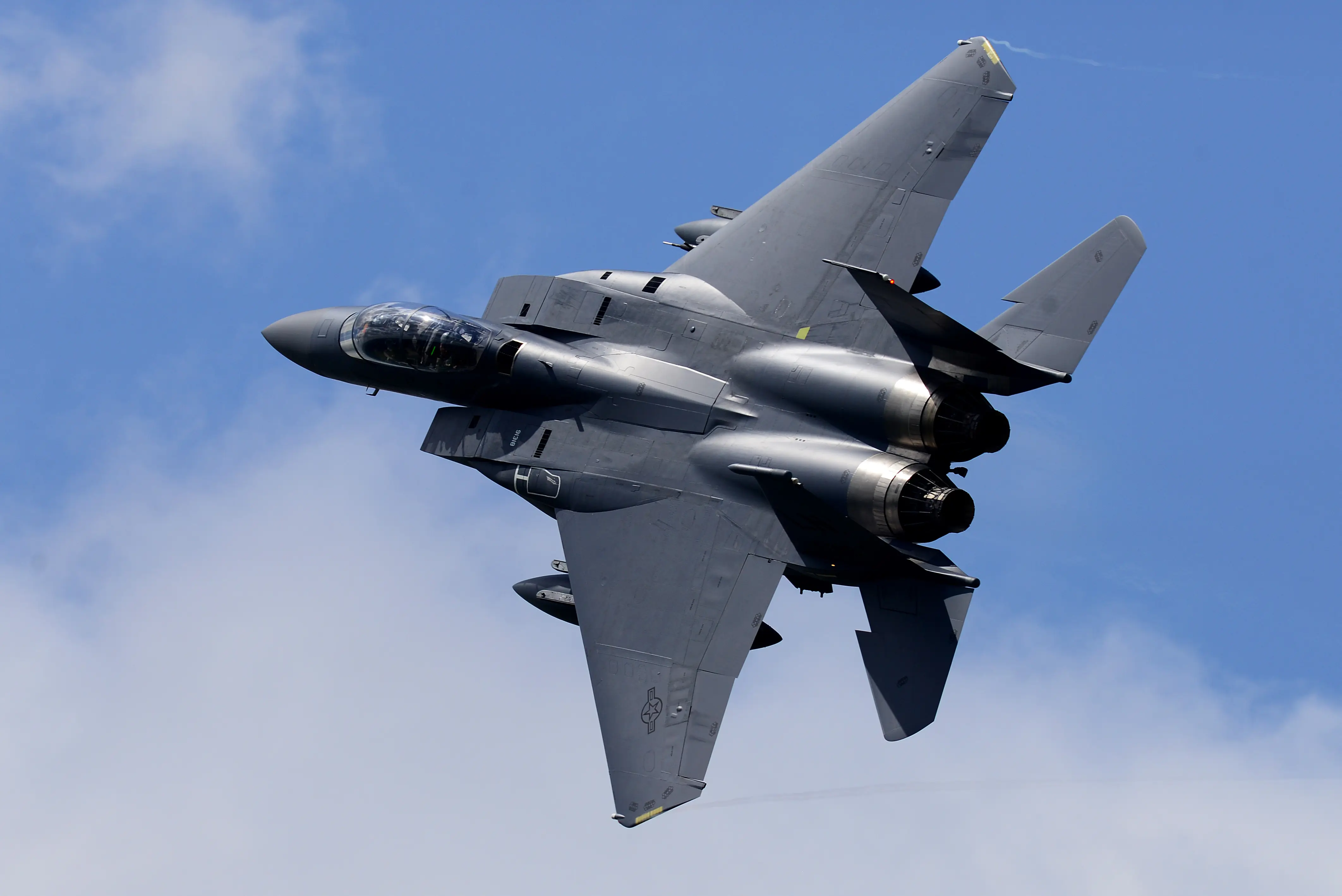
Mach 2.5 in the Stratosphere
The extremely thin air at high altitudes significantly reduces aerodynamic drag on the aircraft's heavy frame. This lack of friction allows the Strike Eagle to easily achieve its terminal velocity of Mach 2.5, enabling rapid hit-and-run strikes deep inside hostile territory.
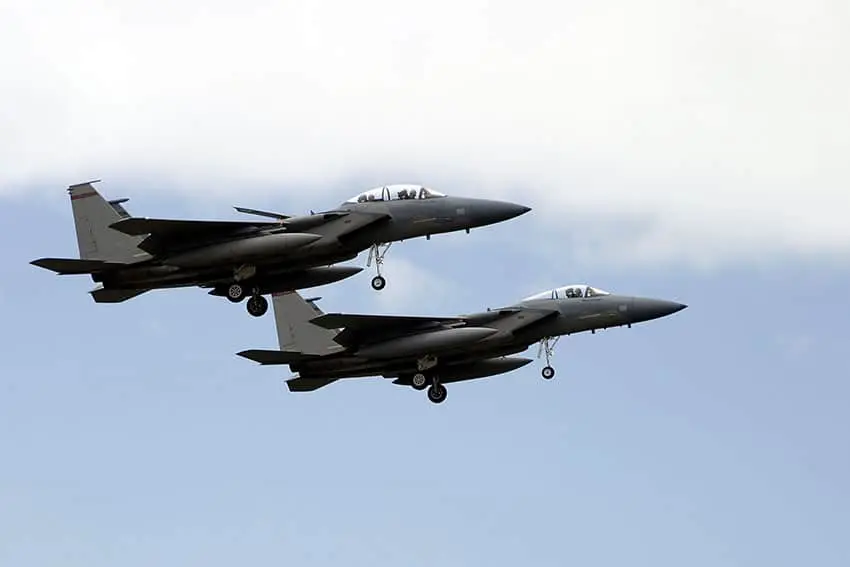
Extreme altitude capabilities
Despite its extreme altitude capabilities, the F-15E is not immune to modern, high-tier air defences. Recent reports of a Strike Eagle shot down over Iran indicate that Iran's indigenous Bavar-373 radar networks can track and destroy non-stealth targets even at stratospheric heights.
)
)
)
)
)