'50,000°C without fire': NASA’s Voyager-1 reaches solar system’s firewall 20,000 lakh Km from Earth

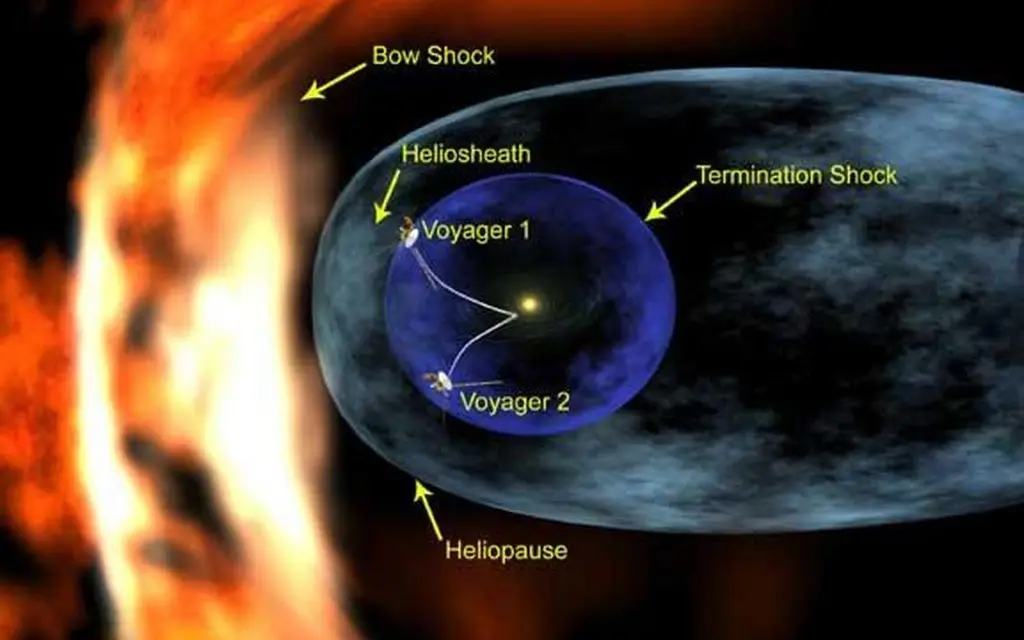
The boundary of the solar system, known as the heliopause, marks the point where the solar wind loses strength and interstellar space begins. Voyager 1 crossed this boundary in 2012, followed by Voyager 2 in 2018.

Voyager Missions Continue After Four Decades
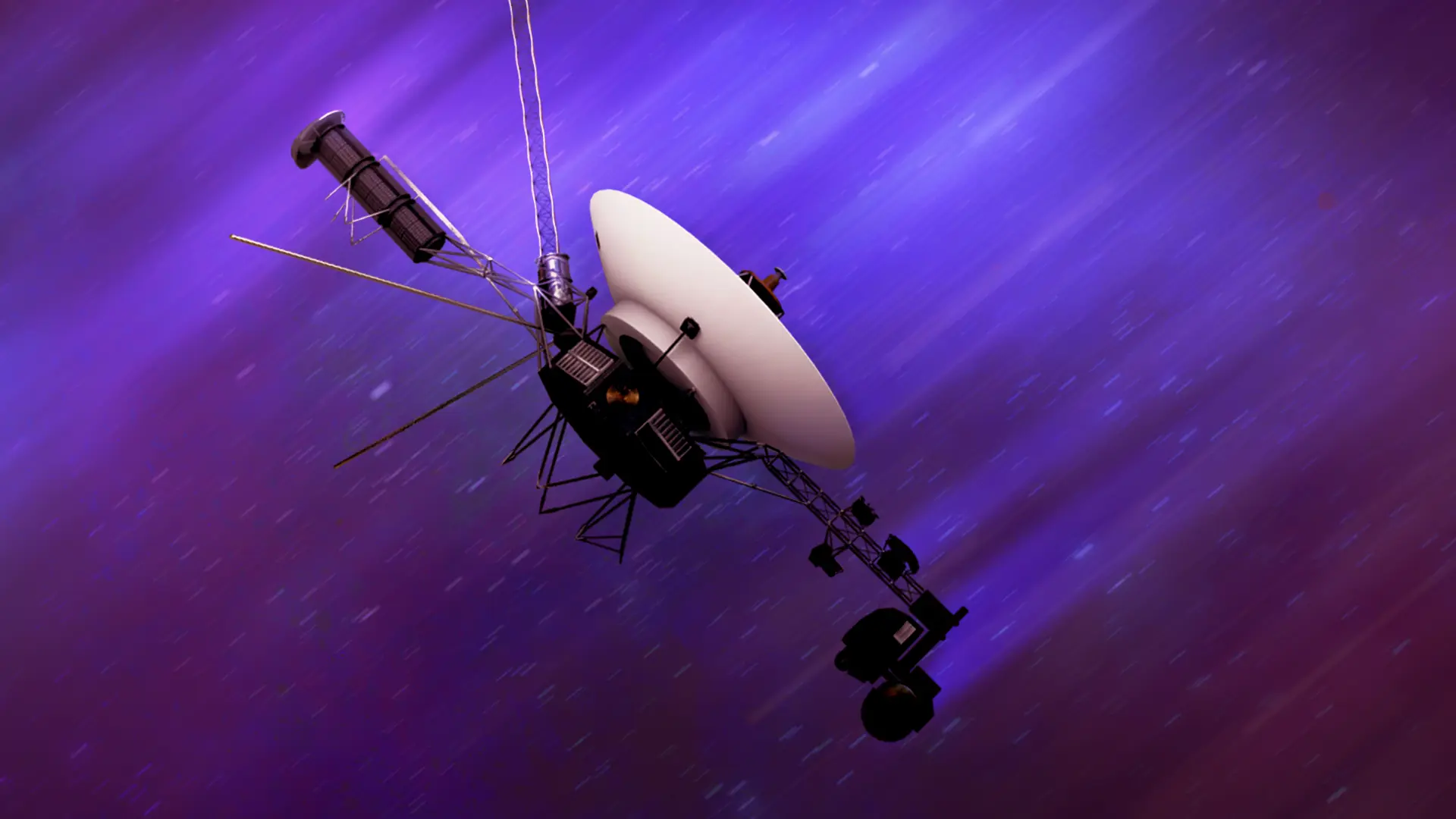
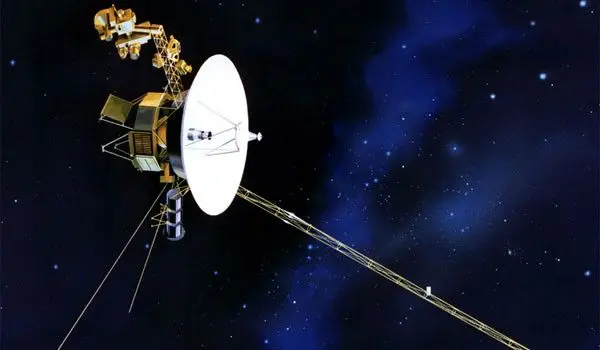
NASA’s Voyager 1 and Voyager 2 spacecraft, launched in 1977, were designed to explore the outer planets and travel beyond the solar system into interstellar space. Both probes continue to operate and transmit data despite being over 47 years into their missions.
Crossing the Heliopause
The boundary of the solar system, known as the heliopause, marks the point where the solar wind loses strength and interstellar space begins. Voyager 1 crossed this boundary in 2012, followed by Voyager 2 in 2018.
Discovery of the ‘Firewall’ Region
Beyond the heliopause, the spacecraft detected a zone with temperatures ranging from 30,000 to 50,000°C. Informally called the “firewall,” this area is not composed of flames but of highly energetic particles dispersed over a vast region.
Why the Heat Doesn’t Destroy the Probes
Although the temperatures are extremely high, the particle density is very low, meaning there is insufficient matter to transfer heat in the way it occurs on Earth. The spacecraft remain unaffected by this environment.
Magnetic Field Observations
Measurements taken in the firewall region revealed that magnetic fields in interstellar space appear to remain connected to those inside the solar system. This challenges earlier views that the two regions are magnetically separate.

Implications for the Sun’s Influence
The findings raise questions about whether the Sun’s magnetic influence extends farther than previously thought and how it interacts with the wider galaxy’s magnetic structure.

Continuing Scientific Value
With more than 20 billion kilometres behind them, the Voyager missions continue to provide data that shape our understanding of the solar system’s limits and its interaction with interstellar space. Each transmission offers new insights into space environments far beyond planetary orbits.
)
)
)
)
)