'427 vs 1': Who voted against releasing 'Epstein files' and why? All about Clay Higgins

On November 18, 2025, the U.S. House of Representatives passed the Epstein Files Transparency Act by a 427–1 margin, compelling the Department of Justice to release its Jeffrey Epstein, related records. The lone dissenting vote came from Rep. Clay Higgins, a Republican from Louisiana.
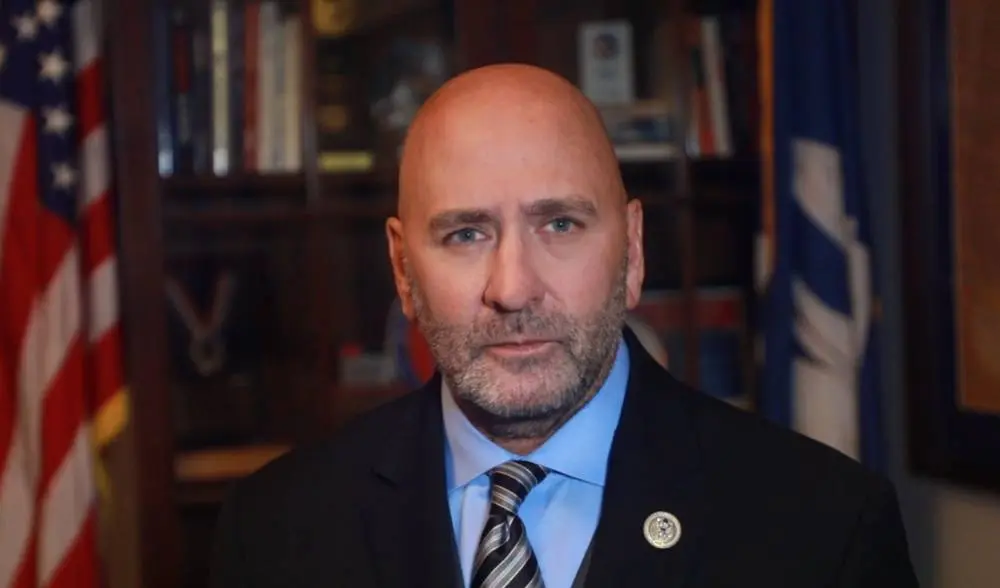
Who Is the Sole “No” Voter?
Rep. Clay Higgins represents Louisiana’s 3rd District in the House. He is a staunch conservative with a background in law enforcement and previously served on the House Oversight Committee.
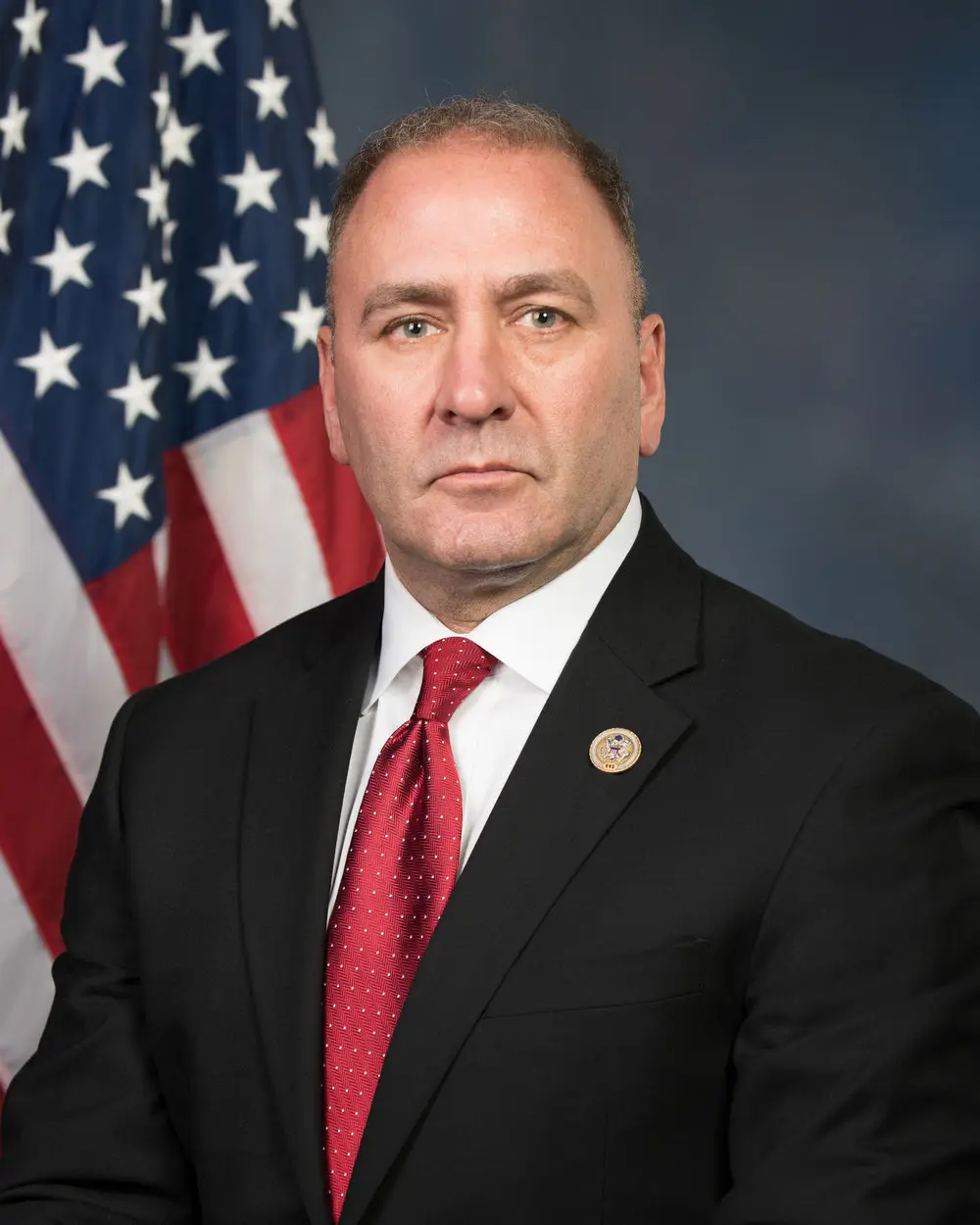
Why He Voted ‘No’
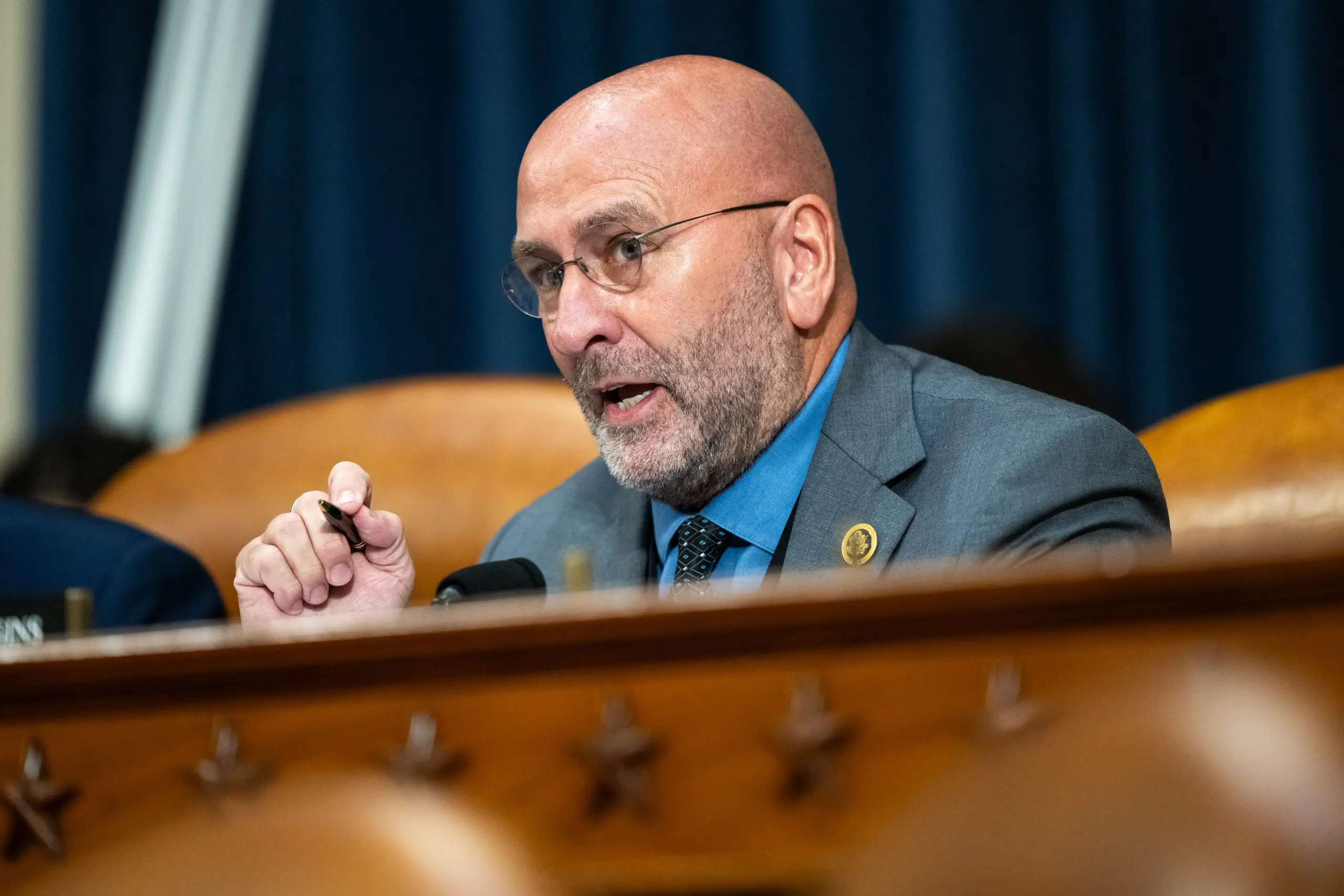
Higgins argued that the bill, as written, threatens the privacy and safety of innocent people. He said it “abandons 250 years of criminal justice procedure” and could “reveal and injure thousands of innocent people – witnesses, people who provided alibis, family members, etc.” He also warned that a broad release to “a rabid media” could damage reputations and lives.
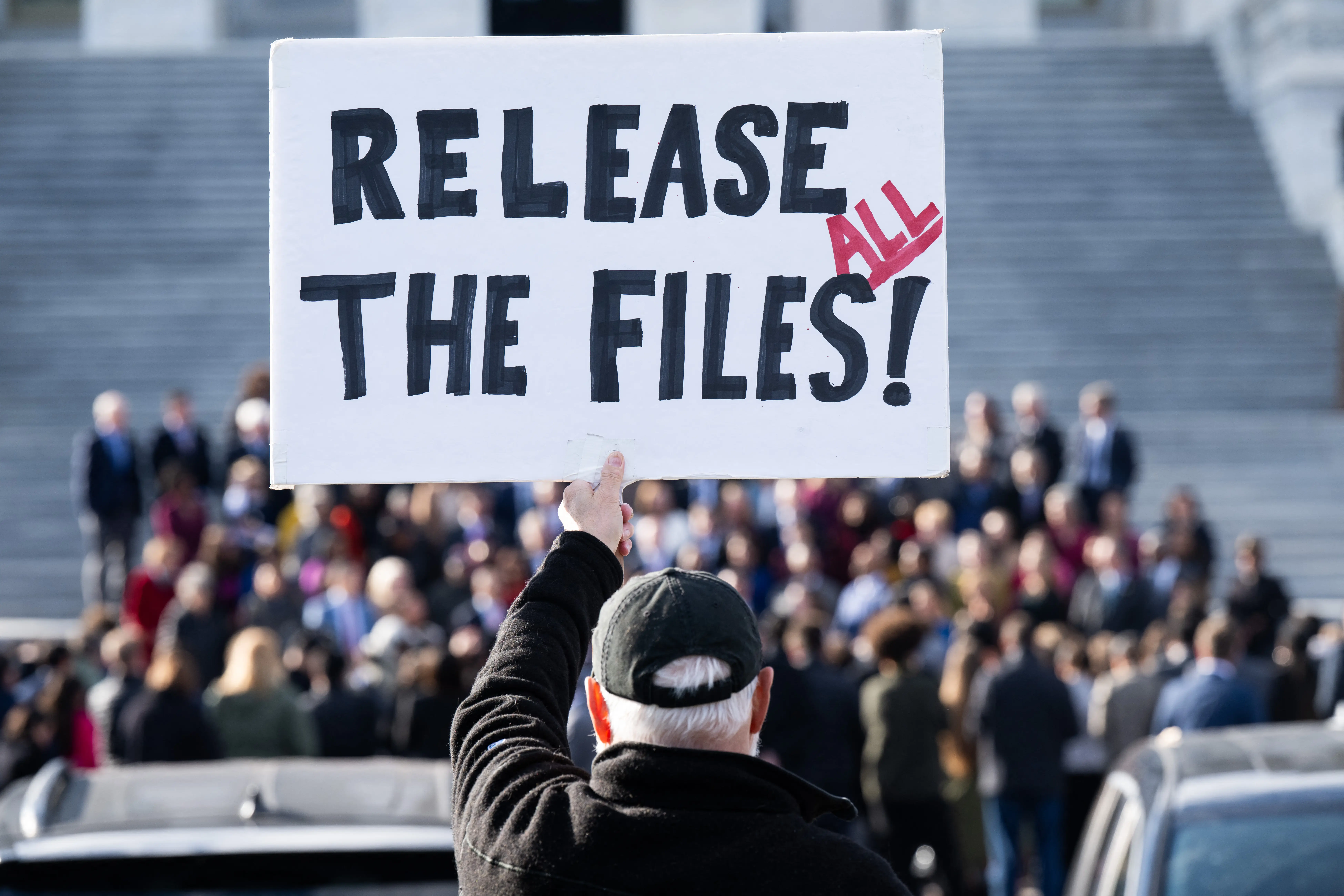
His Position on Oversight
Despite voting against the release bill, Higgins has supported congressional scrutiny of Epstein’s case. He chairs a subcommittee that has pushed for subpoenas and claimed to already have released tens of thousands of pages of Epstein-related documents via oversight mechanisms.
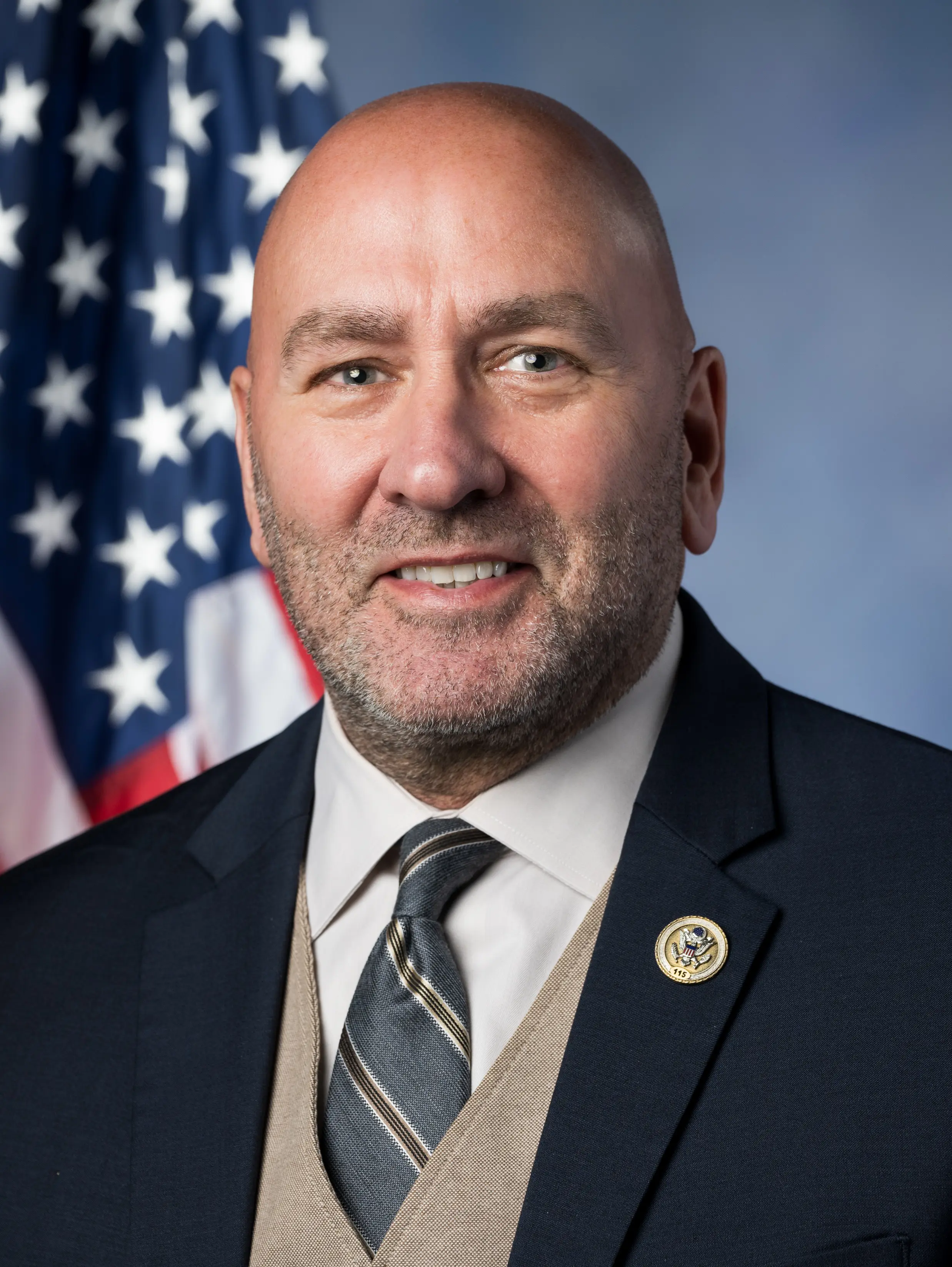
Political Context & Reversal
The measure passed with overwhelming bipartisan support, even though it first faced resistance from Republican leaders. Former President Donald Trump, who had previously opposed public release, reversed his stance ahead of the vote and urged his party to support it.
Why This Matters
Higgins’ dissent highlights a deeper tension in US politics: transparency vs. due process. While many argue for full disclosure to hold powerful people accountable, Higgins’ vote underscores the risk of exposing individuals who may be named in documents without being implicated in crimes.
Basic Profile & Background
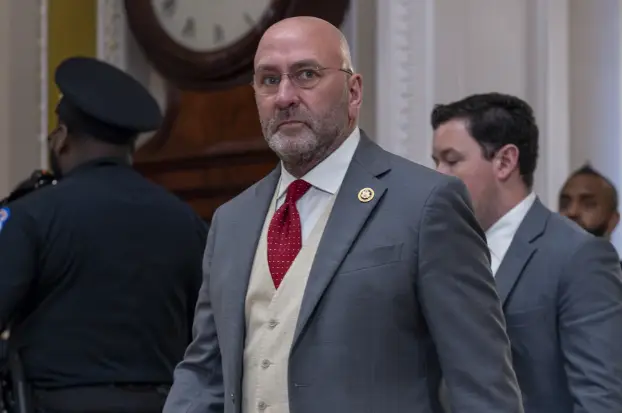
Clay Higgins is a Republican congressman representing Louisiana’s 3rd District, serving in the US House since 2017. Before joining Congress, he spent years working in law enforcement, which shaped his public identity and political positions. He is known for a direct communication style and often frames policy debates through a law-and-order lens.
Law Enforcement & Military Career
Higgins previously served in the US Army’s Military Police Corps and held several policing roles in Louisiana, including assignments in Opelousas, Port Barre, and the St. Landry Parish Sheriff’s Office. These roles contributed to his reputation as a tough, outspoken former officer. His background continues to influence his approach to criminal-justice legislation and investigative oversight in Congress.
Political Identity
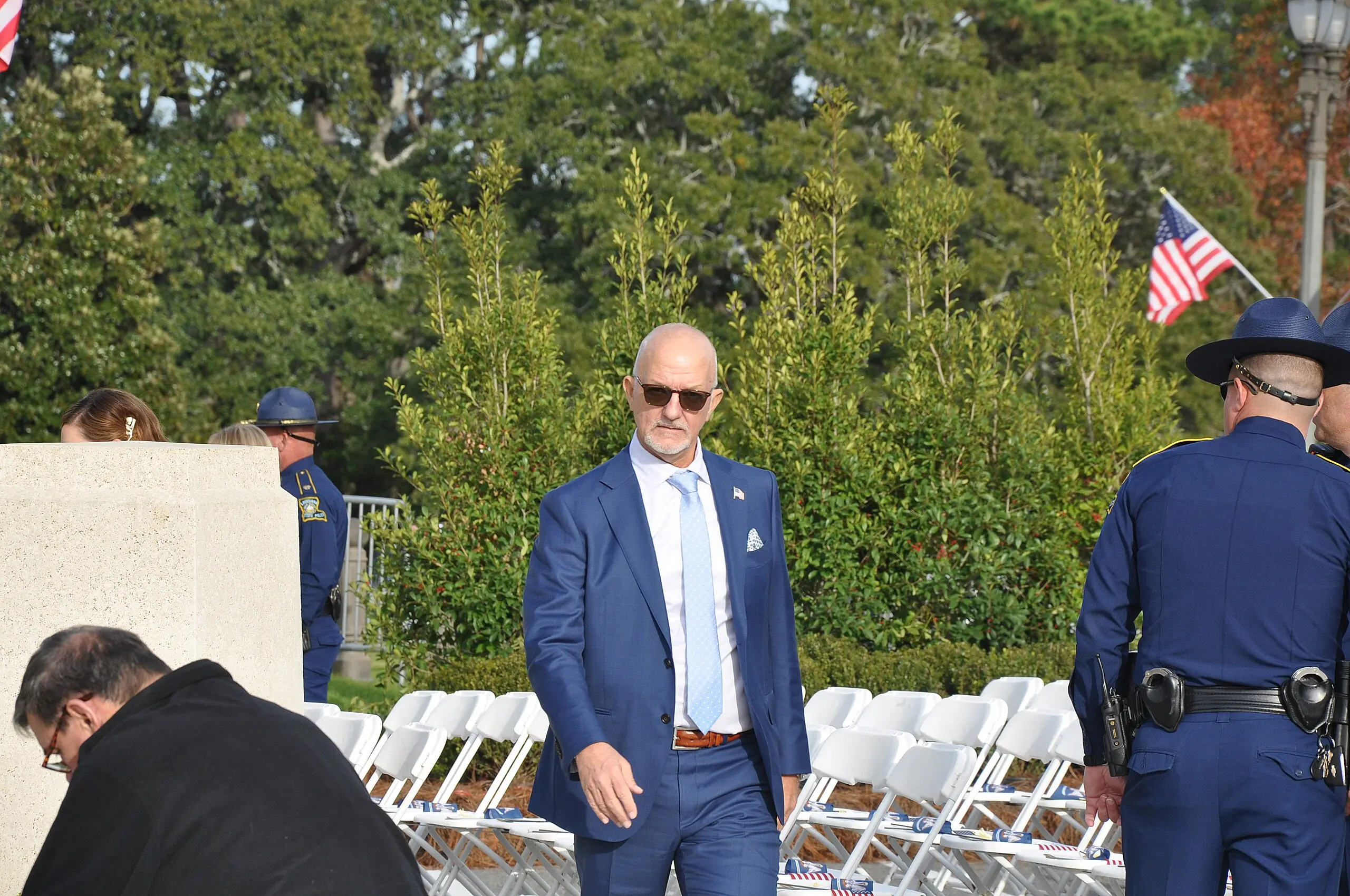
He is aligned with the conservative wing of the Republican Party and is a member of the House Freedom Caucus. His policy positions focus on limiting government power, strengthening border enforcement, and promoting constitutional conservatism. As a legislator, Higgins regularly emphasises transparency, accountability, and strict adherence to due process.
)
)
)
)
)