'40+ years in service': How F-16 fighter jet changed modern warfare forever

The F-16 changed air combat forever with its speed, agility, and fly-by-wire tech. Still evolving after 40+ years, it’s the most versatile and widely used fighter jet in the world. But what keeps it so relevant today?
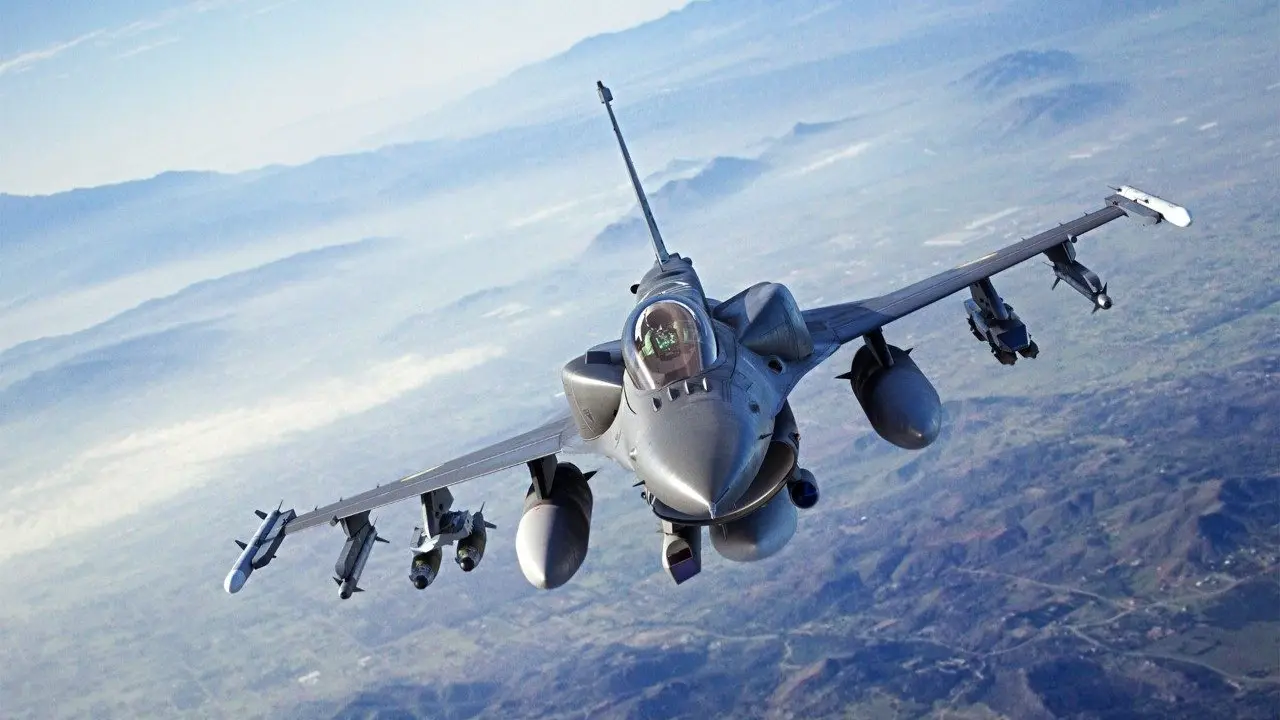
F-16 entered US Air Force service in 1978
The F-16 entered US Air Force service in 1978 as a lightweight, nimble jet. It introduced the “fly-by-wire” control system, letting pilots make tighter turns and safer manoeuvres at speed something no earlier fighter could do. Its amazing agility and speed set new standards for dogfights, leading 25 nations to adopt it over the decades.
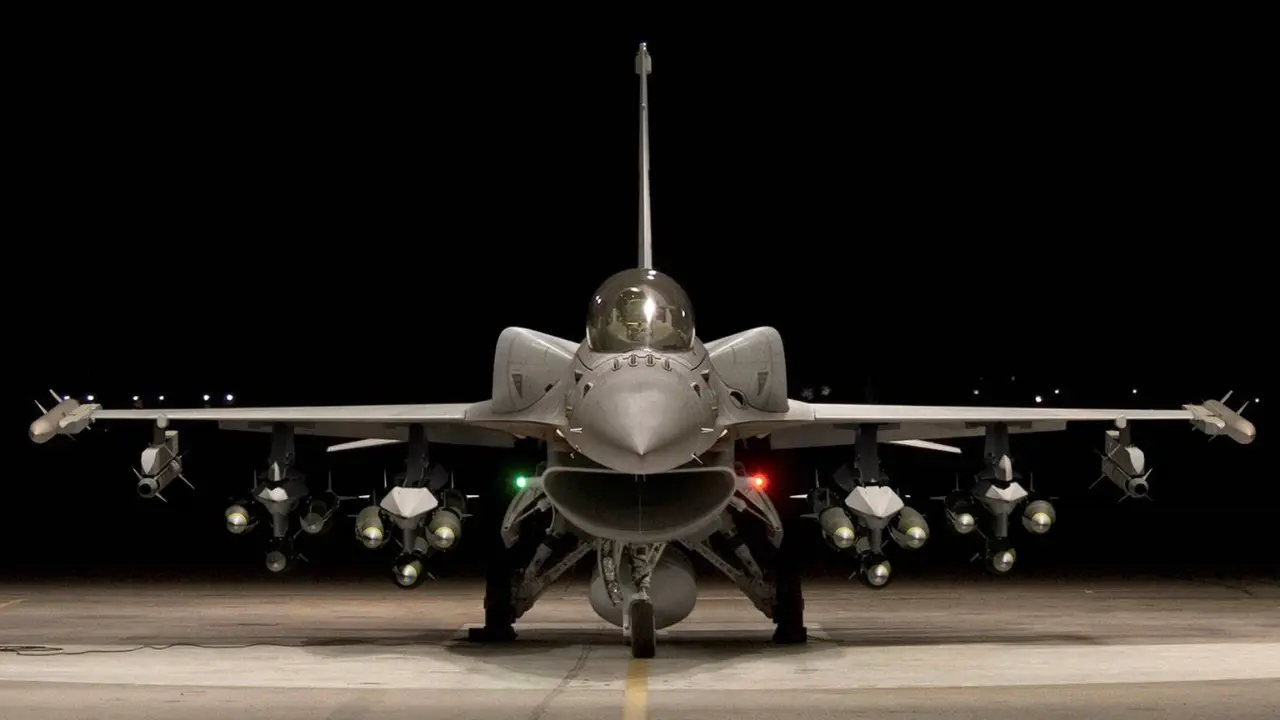
Multi-Role Master
Though designed for air combat, the F-16 quickly became the world’s first true multi-role fighter. Every jet since 1981 has come ready for ground attack, anti-ship missions and precision bombing. Its ability to switch roles mid-mission made it the backbone of major air forces and kept it relevant as warfare changed.
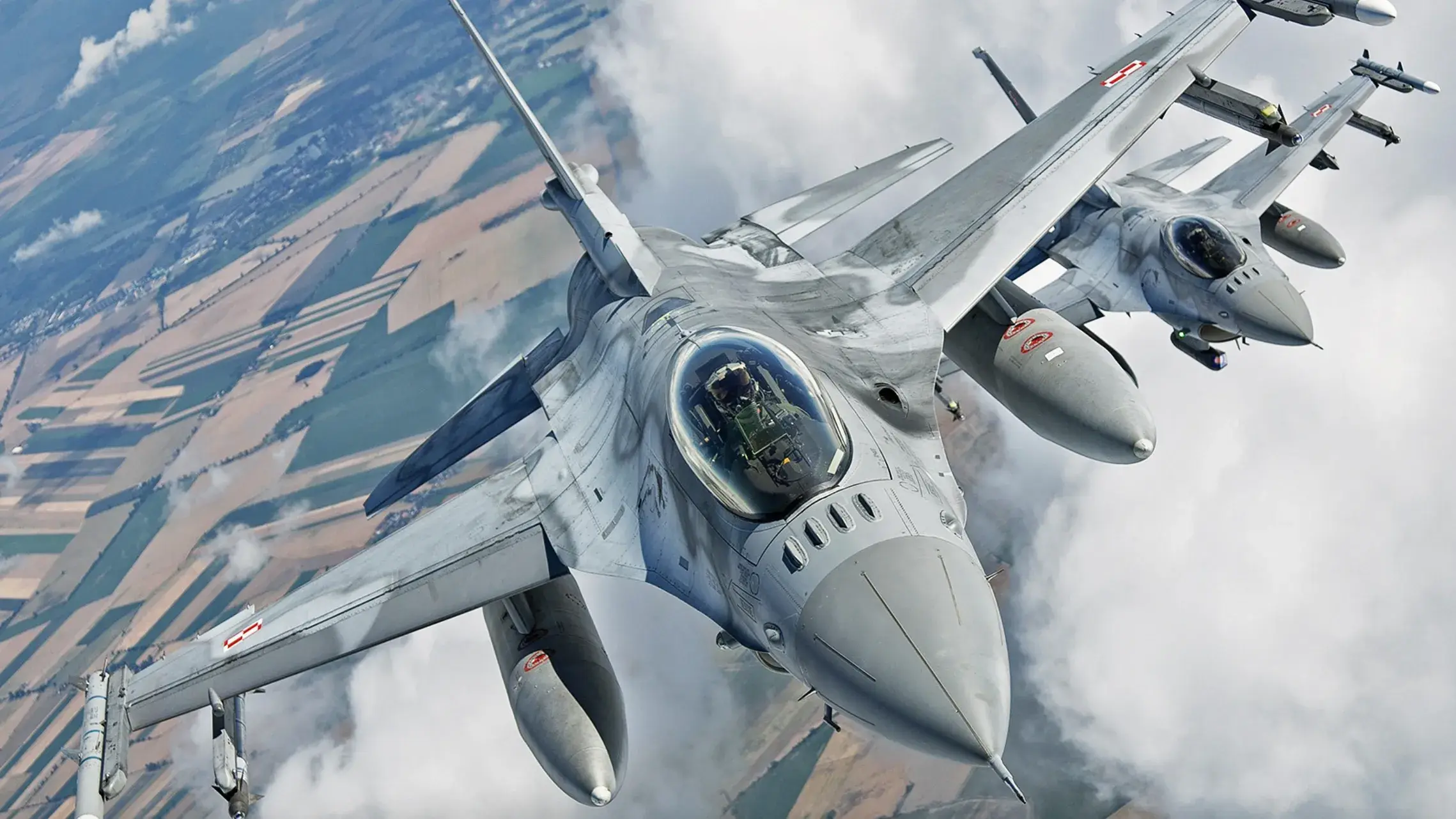
Fly-By-Wire Revolution
The F-16 was the first jet with “fly-by-wire” electronic controls, replacing mechanical cables. This system lets an onboard computer adjust tail and wing surfaces hundreds of times per second. As a result, pilots can fly and fight more safely even in intense combat.
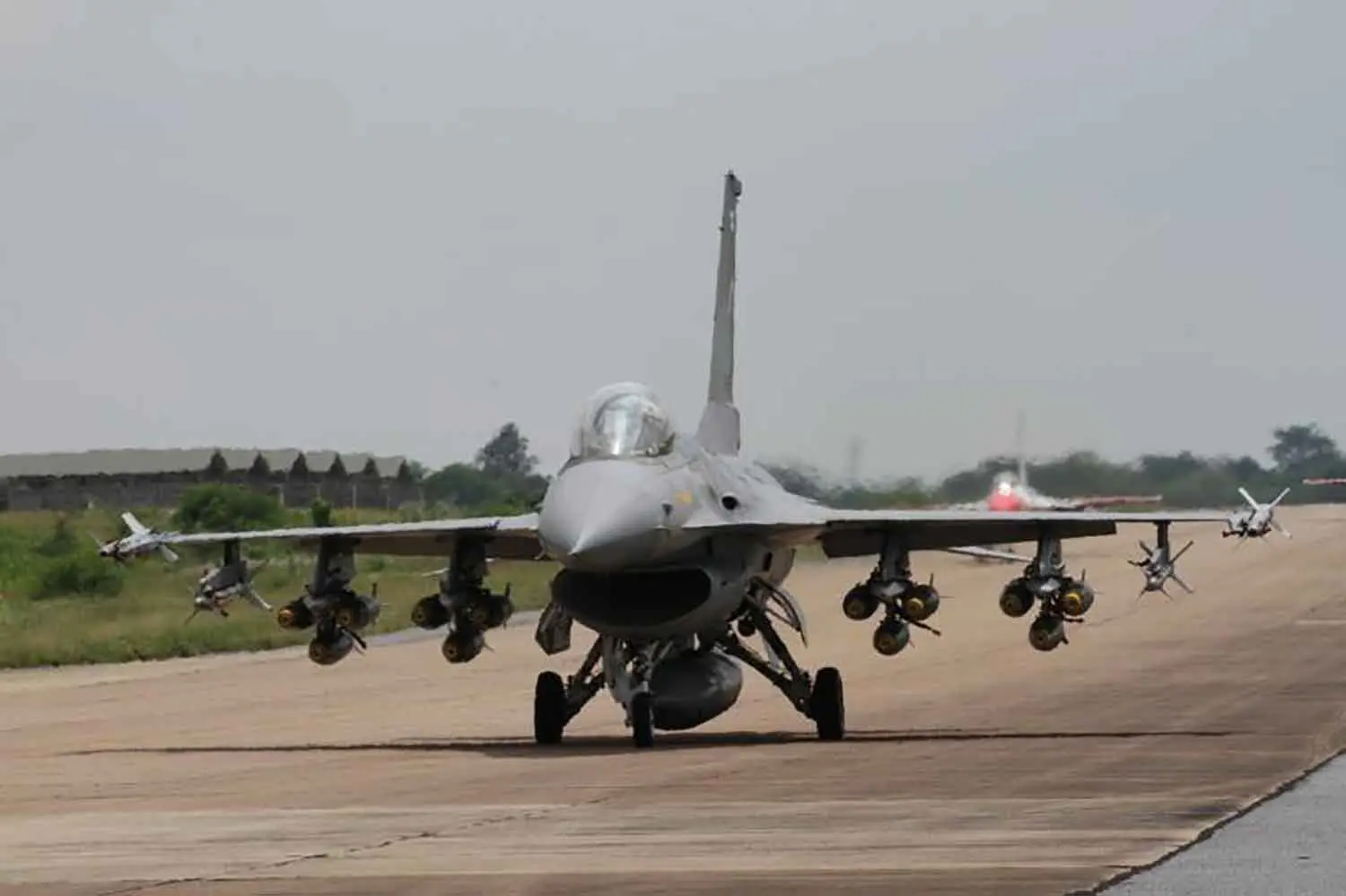
Smart Avionics Platform
The F-16 set the benchmark for modular avionics: centralised computers, standardised data links, and upgradeable software. Sensors, radars and weapons can be easily swapped for the latest tech like helmet-mounted sights or drone support. This flexible architecture shapes how all modern fighters are updated and used today.
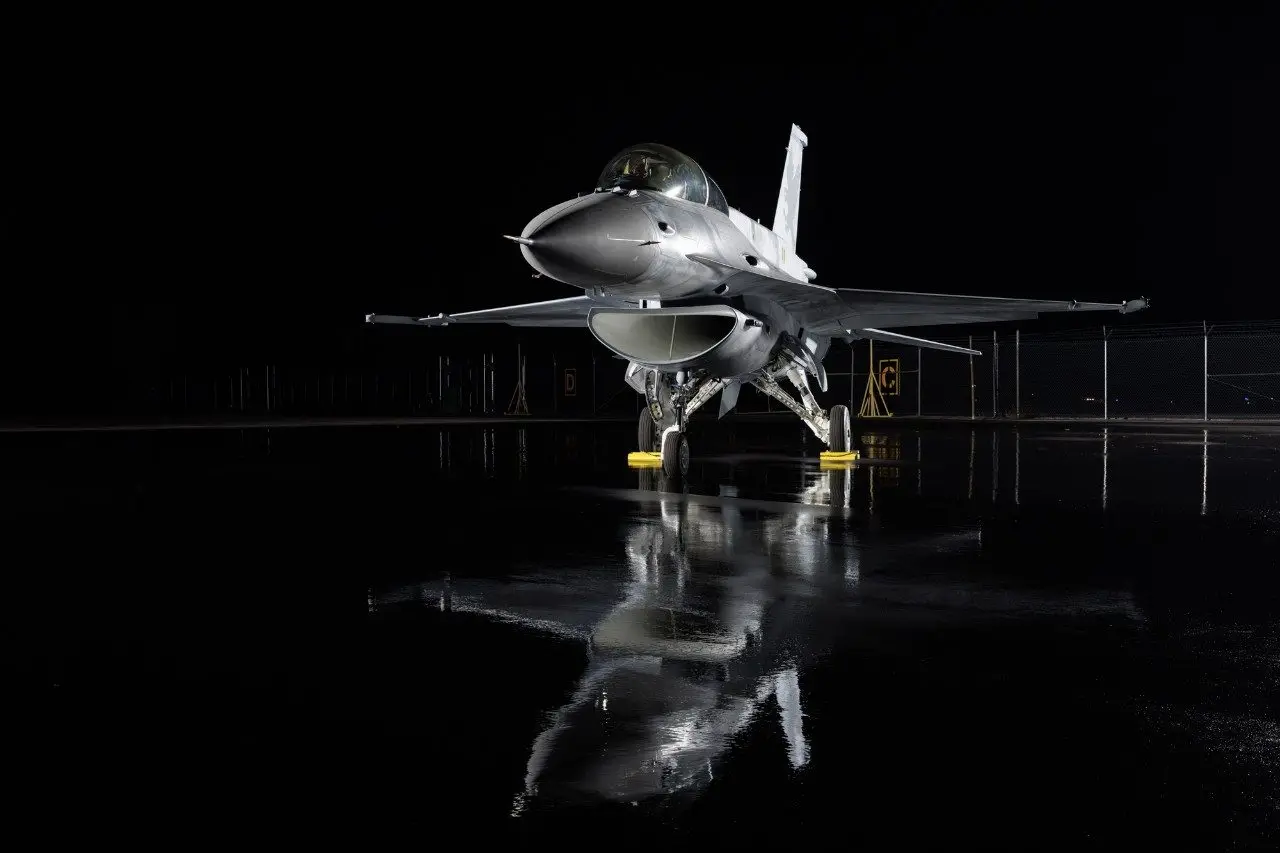
Combat Record That Changed Warfare
With over 4,600 built and 76 air-to-air wins, the F-16 proved itself in battle from Desert Storm to the Balkans and recent Middle East conflicts. It flew more combat sorties than any other jet in the Gulf War, served in precision attacks, and set a high bar for reliability and survivability.
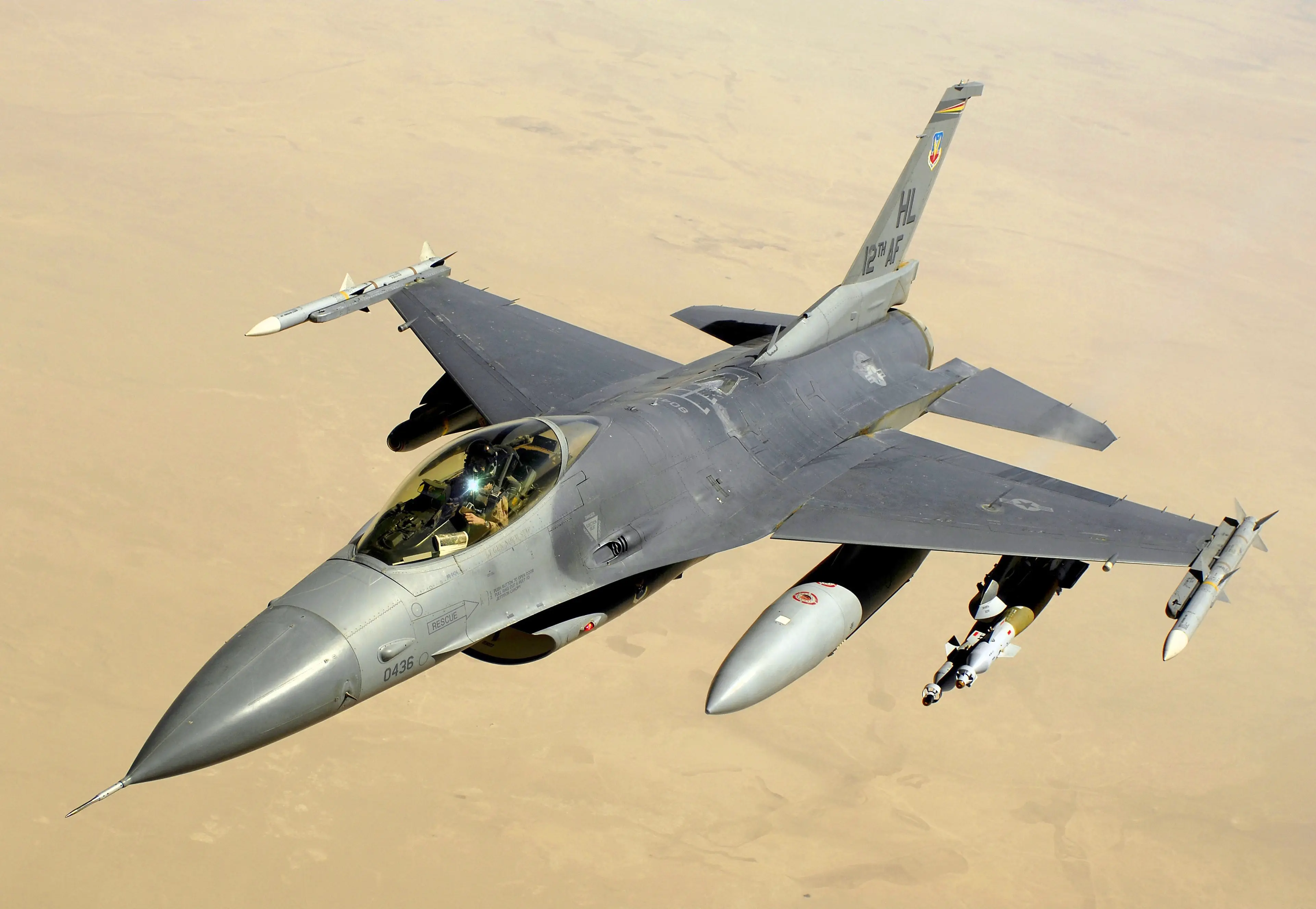
Influence Across The World
F-16s are used by more than 25 countries. Its design inspired fighter jets in Europe, the Middle East, and Asia, from the Turkish F-16 to Korea’s KF-16 and Japan’s FS-X. Many modern tactics like “multi-role missionisation” and off-boresight helmet targeting began with the F-16.
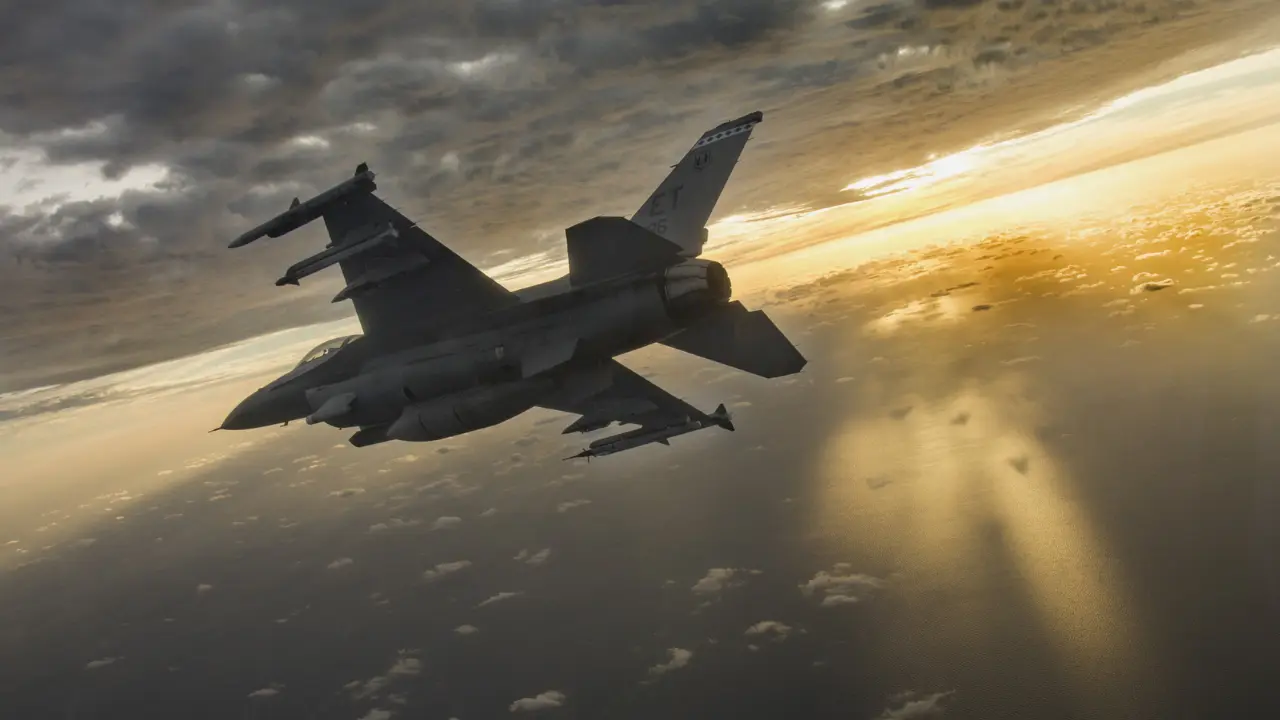
Adapting To The Future
The latest F-16s like the Viper and VENOM carry upgraded sensors, advanced autopilots, and can even fly missions with AI autonomy. Its “elastic” airframe lets it fit new pods, adapt to electronic warfare, and work alongside stealth jets. Even after five decades, the F-16 defines flexible, modern air power.
)
)
)
)
)