'40 years in deep space': How NASA’s Voyager-1 survives a 50,000°C firewall on outskirts of our solar system

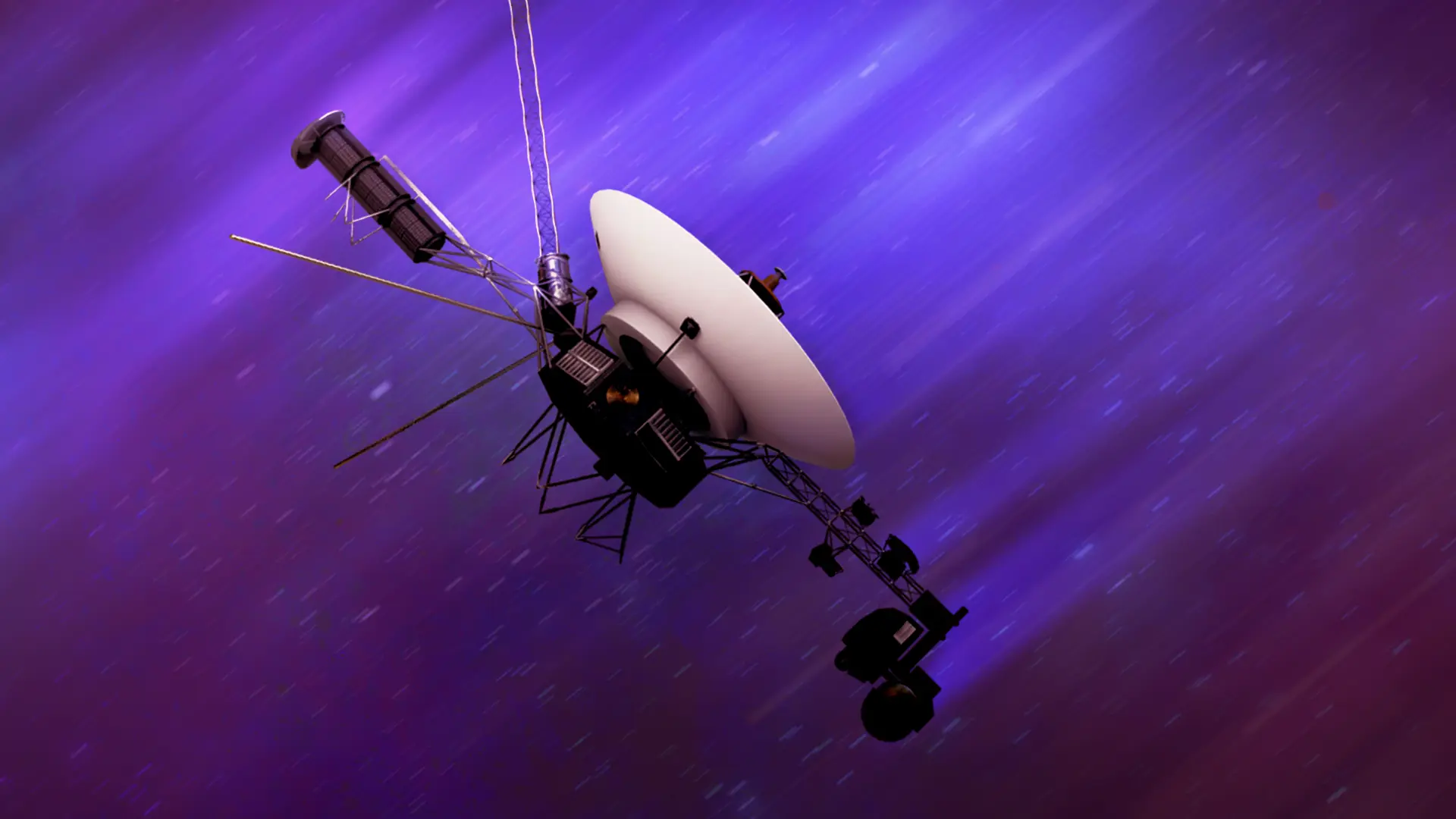
NASA’s Voyager 1 spacecraft has now been travelling in deep space for over four decades, sending back valuable data from beyond the edge of our solar system.
Voyager 1’s Mission and Longevity
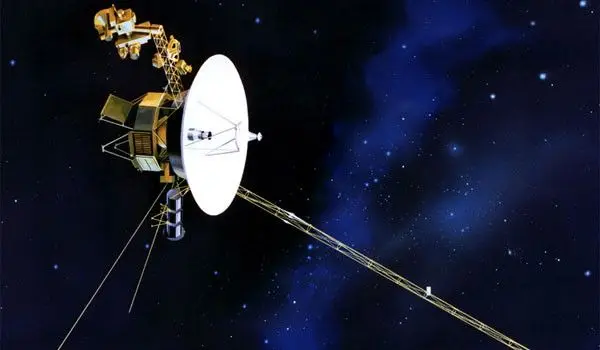
Launched in 1977, Voyager 1 was designed for a brief mission to explore the outer planets. Decades later, it remains operational, venturing farther than any human-made object, now in interstellar space.
The ‘Firewall’: A Hot Region Beyond the Solar System
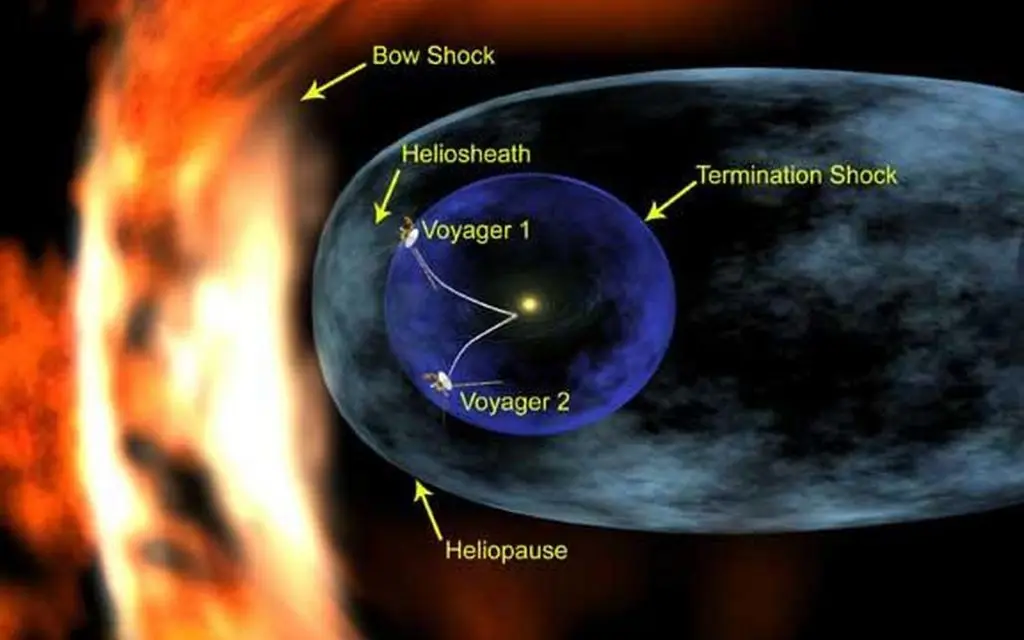
Voyager 1 recently detected a high-temperature zone beyond the heliopause, where the Sun’s influence ends and interstellar space begins. Despite temperatures around 50,000°C, this “firewall” is not fire as we know it but a region filled with highly energetic, sparse particles.
Engineering Designed to Withstand Harsh Conditions
Voyager 1’s design includes robust shielding and systems engineered to handle extreme radiation and temperature variations. Its instruments operate remotely with minimal power, relying on decades-old but reliable technology.

Power Source Still Going Strong
The spacecraft uses radioisotope thermoelectric generators (RTGs), which convert heat from decaying plutonium into electricity. Although the power output has declined over time, Voyager 1 still generates enough energy to operate critical systems.

Communication Over Vast Distances
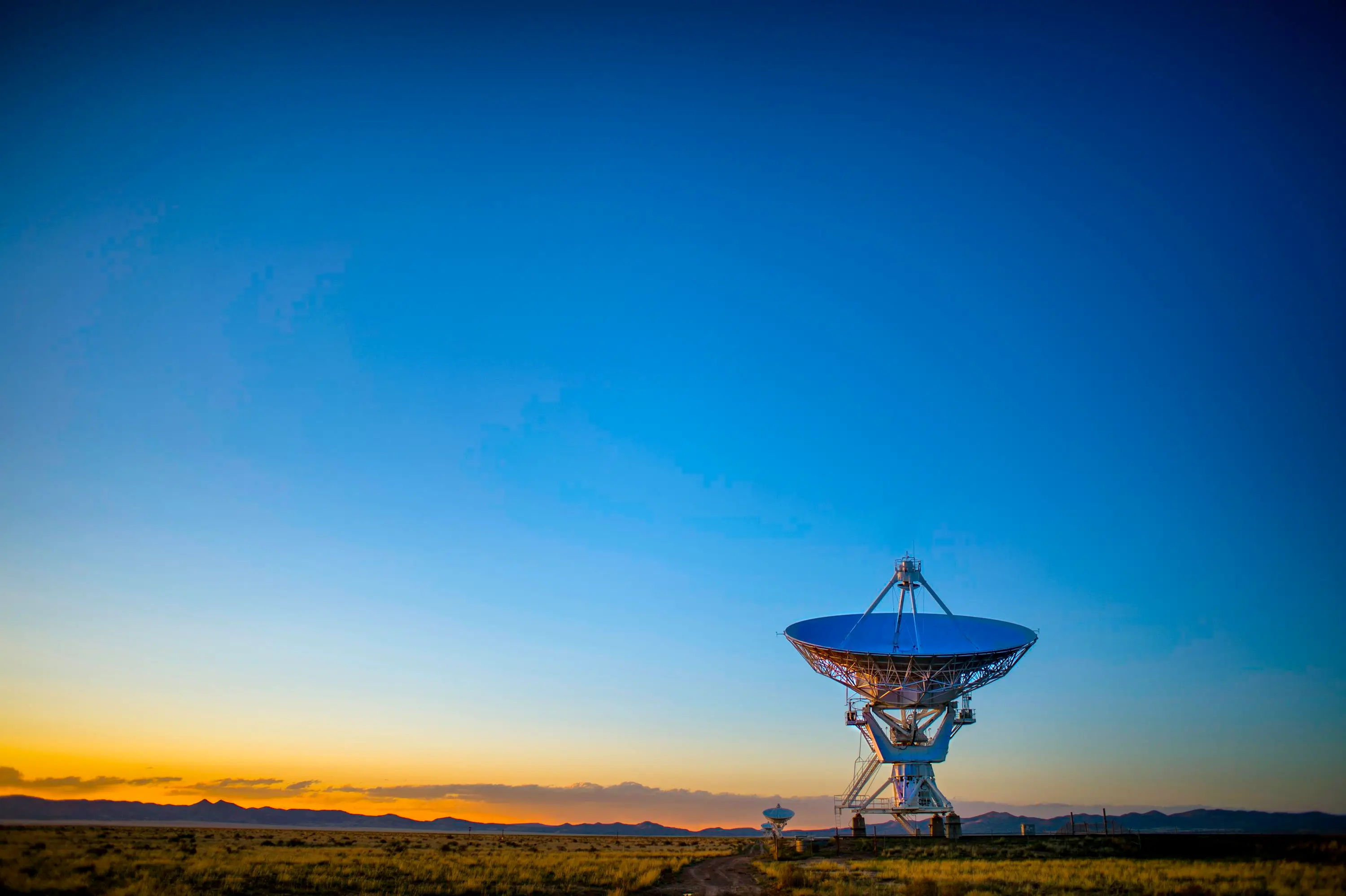
Voyager 1 maintains contact with Earth through the Deep Space Network, despite being more than 22 billion kilometres away. It sends data at extremely low bit rates, demonstrating remarkable signal resilience.
Data from the Edge of the Solar System
The spacecraft’s instruments have provided unique measurements of magnetic fields, cosmic rays, and plasma waves in the boundary region, improving understanding of the Sun’s protective bubble and the space beyond.

Legacy and Future
Voyager 1 continues to offer insights into the nature of interstellar space, pushing the boundaries of human knowledge. Its resilience highlights the ingenuity of 1970s technology and the importance of long-term space missions.
)
)
)
)
)