'300 or 30,000 years': How many years NASA's Voyager-1 will take to exit our solar system?

Voyager 1 is expected to reach the inner edge of the Oort Cloud in approximately 300 years, entering the distant, icy boundary of the Sun’s gravitational domain, but that's not the end of our solar system.
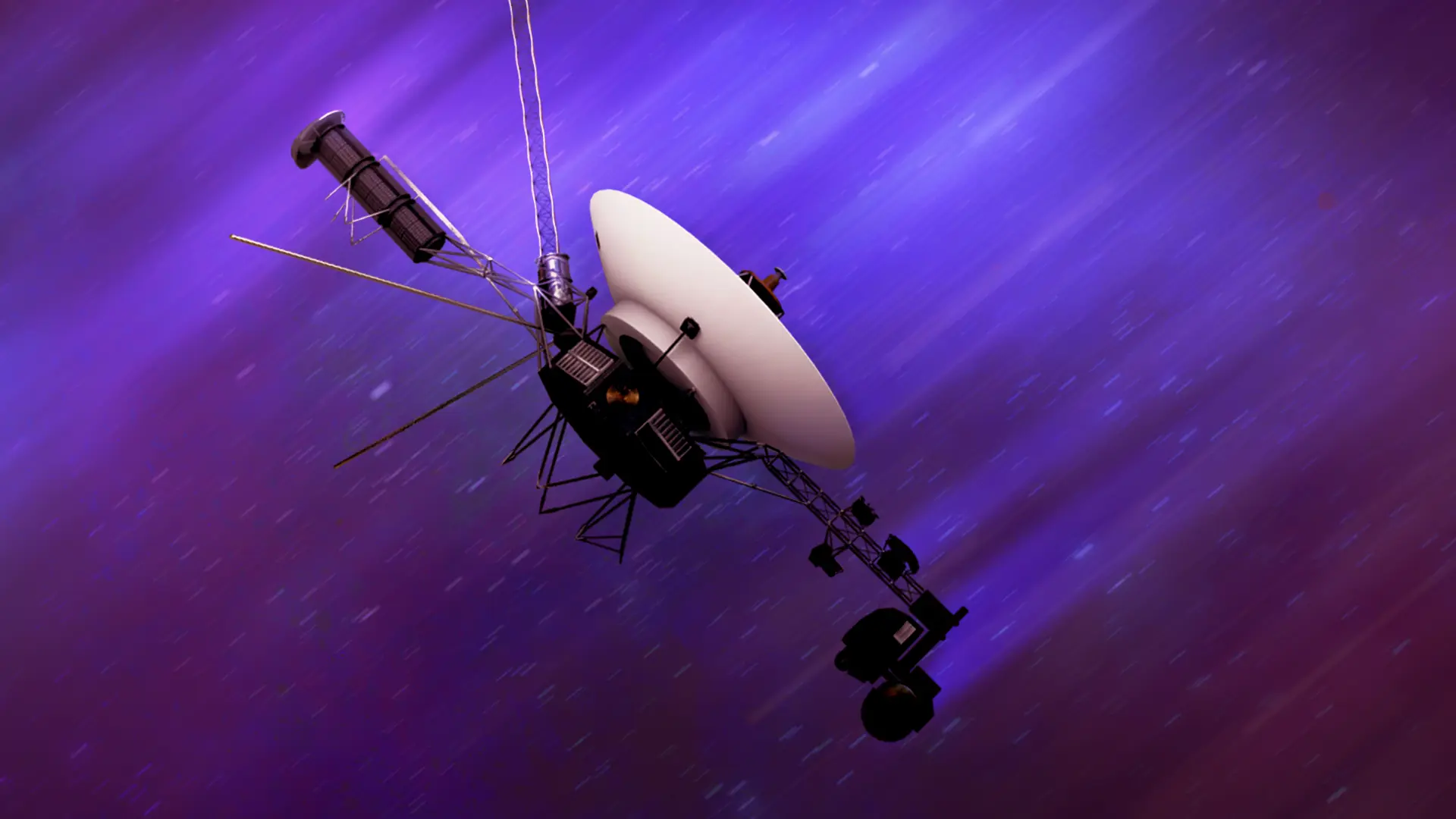
Voyager 1 Continues Its Long Voyage
Launched in 1977, Voyager 1 remains the most distant human-made object, currently traveling through interstellar space at around 17 km/s (roughly 3.5 AU per year). It’s heading toward the constellation Ophiuchus, gradually drifting away from our solar system.
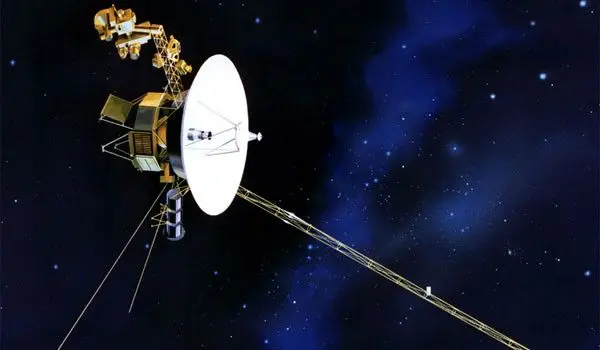
Approaching the Oort Cloud in Centuries
Voyager 1 is expected to reach the inner edge of the Oort Cloud in approximately 300 years, entering the distant, icy boundary of the Sun’s gravitational domain.

Leaving the Solar System in Millennia
It will take about 30,000 years for Voyager 1 to pass beyond the outer edge of the Oort Cloud, marking its true exit from the solar system.

Calculation
Key numbers used
Voyager 1 speed ≈ 17 km/s (typical quoted value).
1 astronomical unit (AU) = 149,597,870.7 km.
1 year ≈ 365.25 days and 1 day = 86,400 seconds.
Convert Voyager speed to AU per year (digit-by-digit)
Seconds per year = 86,400 × 365.25 = 31,557,600 s.
Distance per year = 17 km/s × 31,557,600 s = 536,479,200 km/year.
Convert to AU: 536,479,200 km ÷ 149,597,870.7 km/AU ≈ 3.586 AU/year.
So Voyager 1 travels about 3.6 AU per year.
Now the times for different Oort Cloud radii
(We divide distance in AU by 3.586 AU/year to get years.)
If the feature is at 1,000 AU:
Time = 1,000 ÷ 3.586 ≈ 279 years.
(This is roughly where a few sources place an inner Oort-like region in some estimates — hence the ~300-year figure.)
If the inner Oort Cloud (Hills cloud) is at 2,000 AU:
Time = 2,000 ÷ 3.586 ≈ 558 years.
If the outer edge is at 100,000 AU:
Time = 100,000 ÷ 3.586 ≈ 27,900 years (≈ 28,000 years).
Many popular summaries round that to ~30,000 years, which is the figure you saw earlier for Voyager passing beyond the outer edge of the Oort Cloud.
Encounter with a Star—In Tens of Thousands of Years
In about 40,000 years, Voyager 1 will pass within 1.6–1.7 light-years of the star Gliese 445. This will be its closest stellar approach, although still a vast distance away.
Eternal Drift Through the Milky Way
Beyond its stellar flyby, Voyager 1 will continue its journey through the Milky Way indefinitely, traveling through the galaxy for millions of years with its science instruments long silent.
Solar System Legacy and Scientific Value
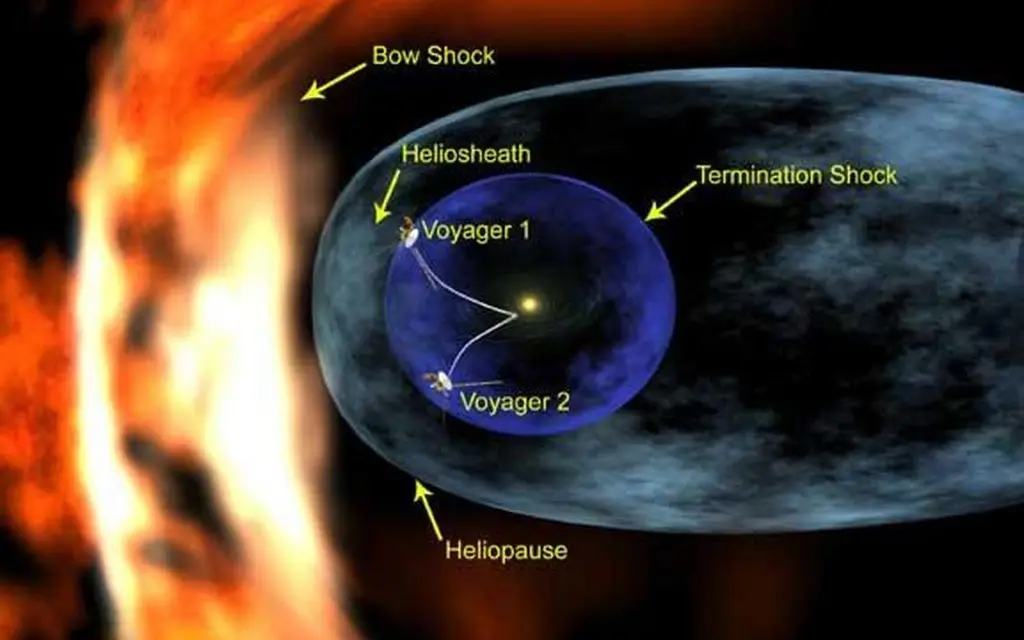
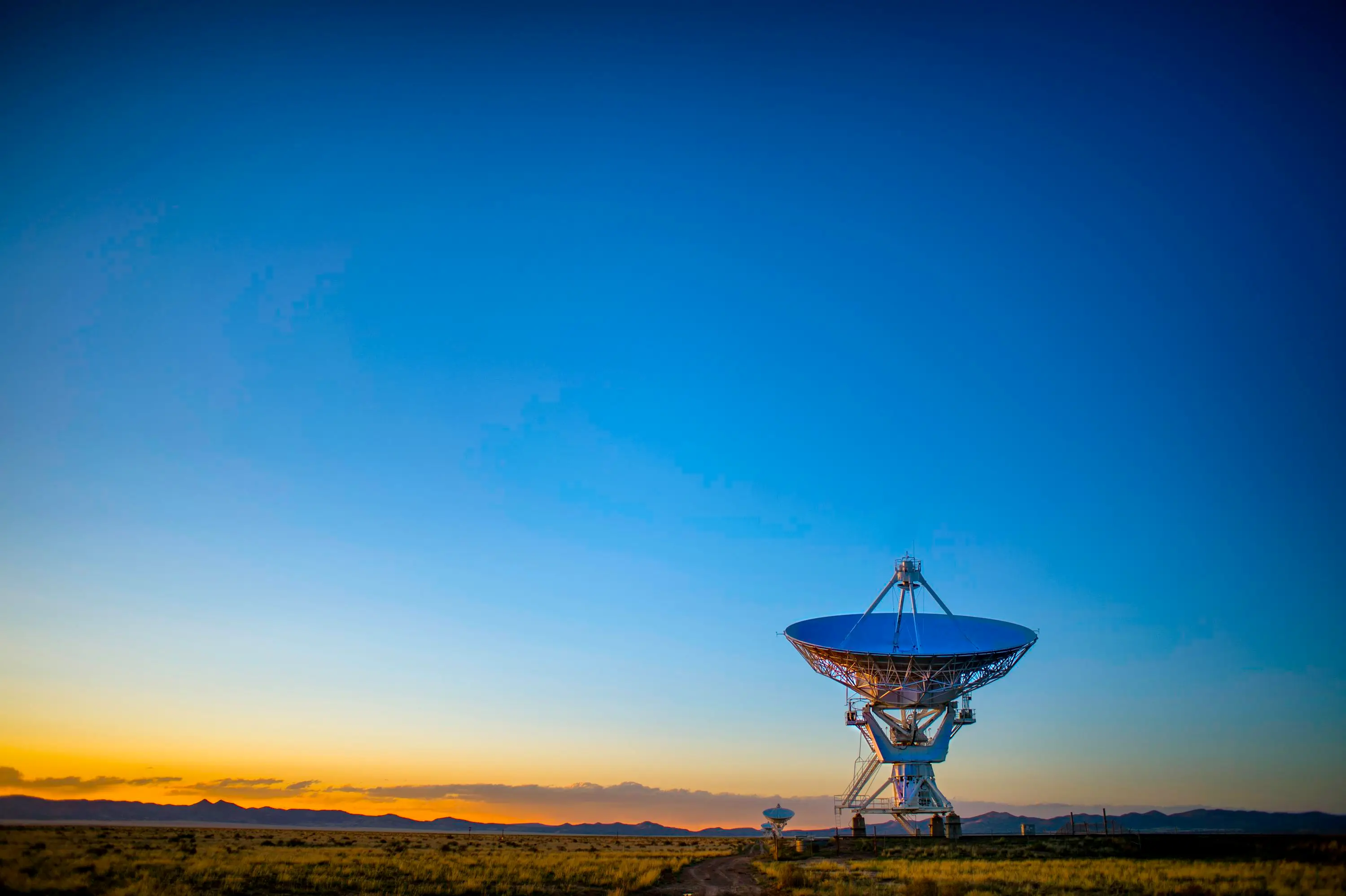
While its power and instruments will fade—expected by the early 2030s—Voyager 1 continues to relay invaluable engineering data. It has already helped define Earth's heliosphere versus interstellar space.
A Timeless Ambassador
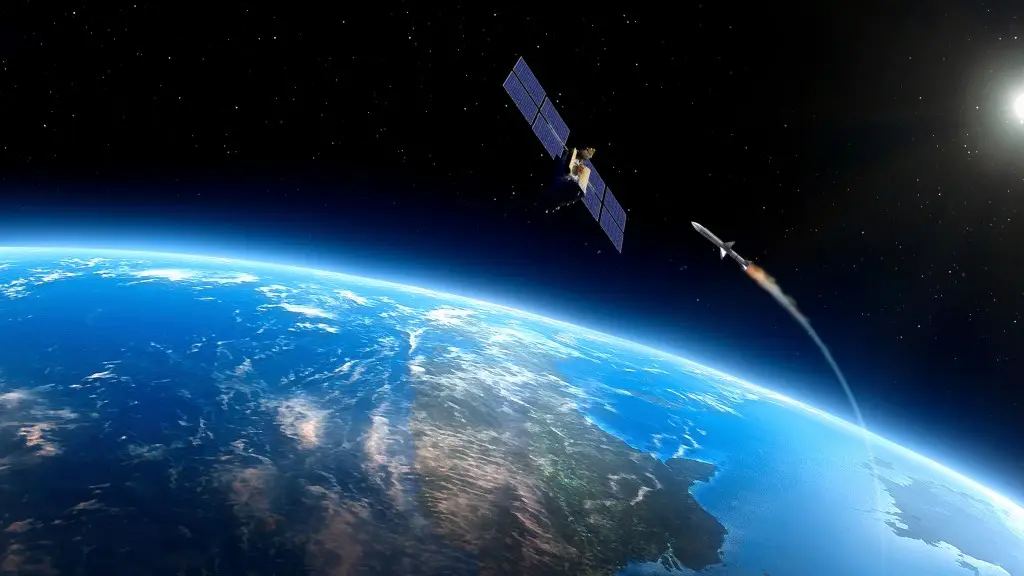
Even after ceasing communication, Voyager 1 will be left to drift as a silent emissary of humanity, carrying the iconic Golden Record across the cosmic void. Its path serves as a living legacy of human exploration.
)
)
)
)
)