‘24-month training programme’: How elite intelligence units at the CIA train for operations like pilot rescue in Iran

US elite forces prepare for hostile extractions through brutal SERE and CSAR training. By mastering wilderness survival, mock interrogations, high-altitude parachuting, and thermal evasion, these operators ensure downed pilots return home safely.
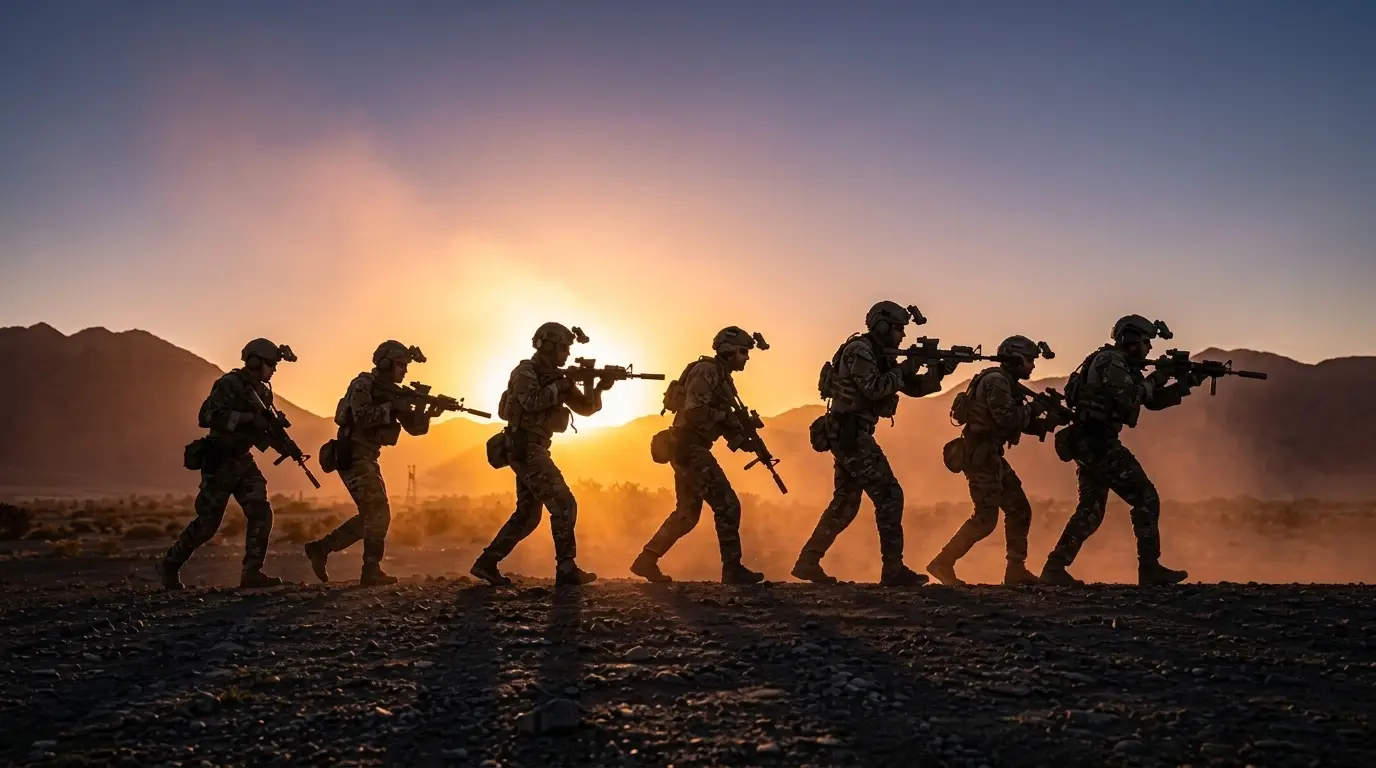
The SERE Pipeline
Before flying deep into hostile territory, military aviators and special operators undergo brutal Level C SERE training. This intensive Air Force programme teaches extreme wilderness survival, camouflage, and the psychological endurance required to evade capture behind enemy lines.
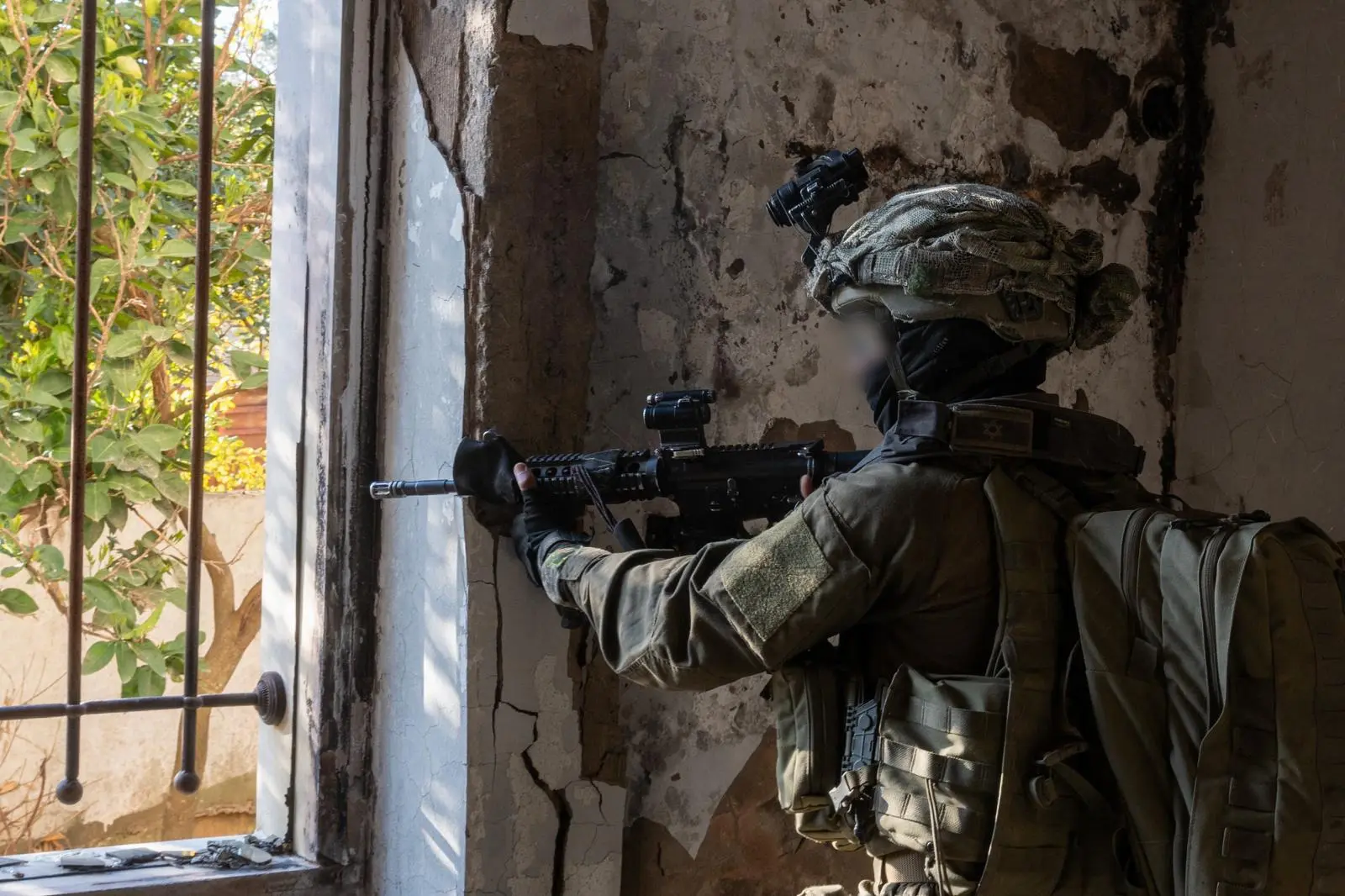
Mock Interrogation and Resistance
Surviving a crash is only the beginning; evading an enemy manhunt requires intense mental conditioning. Elite operators undergo highly classified mock POW camps, experiencing sleep deprivation and intense interrogation simulations to prepare them for potential capture by hostile state actors.
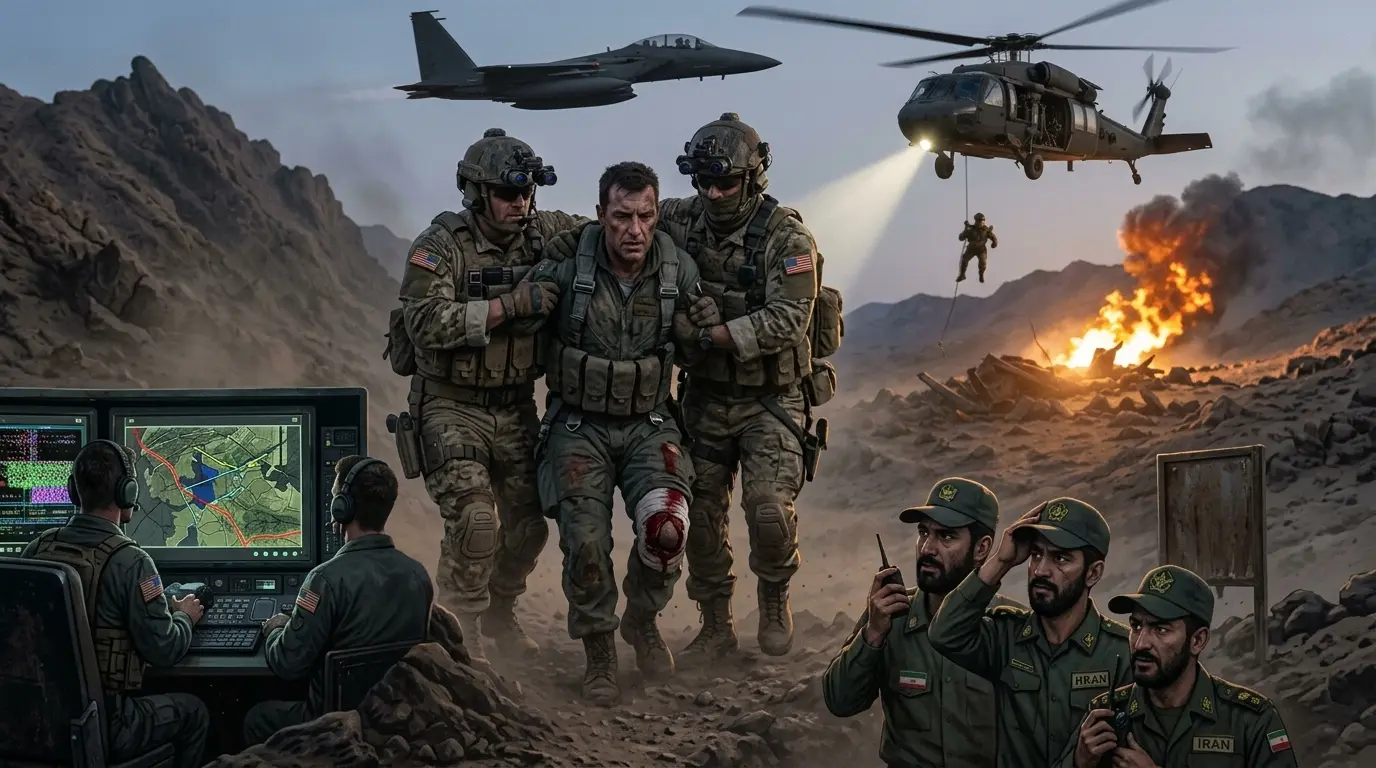
The Pararescue Pipeline
When an airman goes down, the US Air Force relies on Pararescuemen (PJs) to execute the extraction. These elite combat medics undergo two years of rigorous training, mastering combat diving, high-altitude parachuting, and emergency trauma surgery under heavy enemy fire.
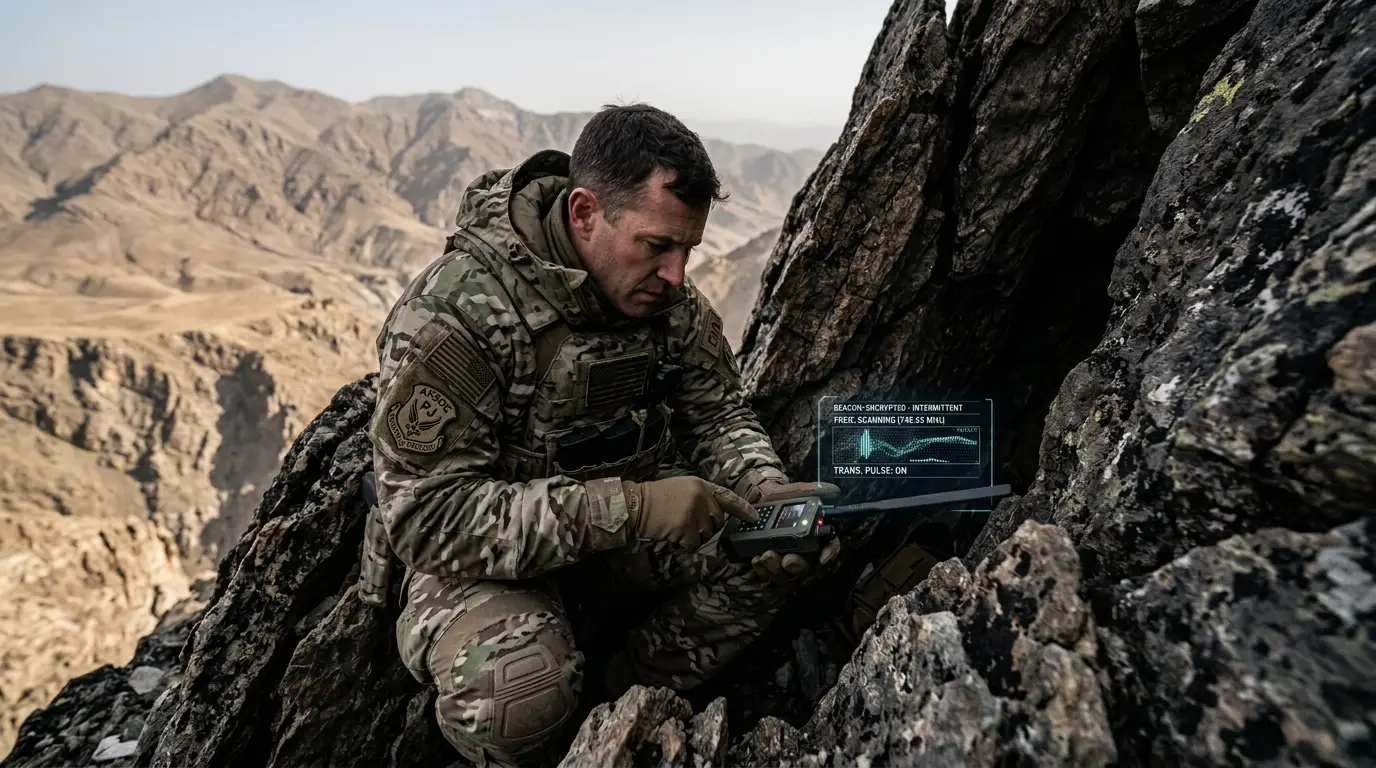
The 'Sandy' Overwatch
A successful extraction requires seamless coordination between ground operators and overwhelming air support. Pilots train heavily in Combat Search and Rescue (CSAR) tactics, using heavily armed A-10 Thunderbolt II 'Sandy' jets to sanitise the extraction zone and protect vulnerable rescue helicopters.
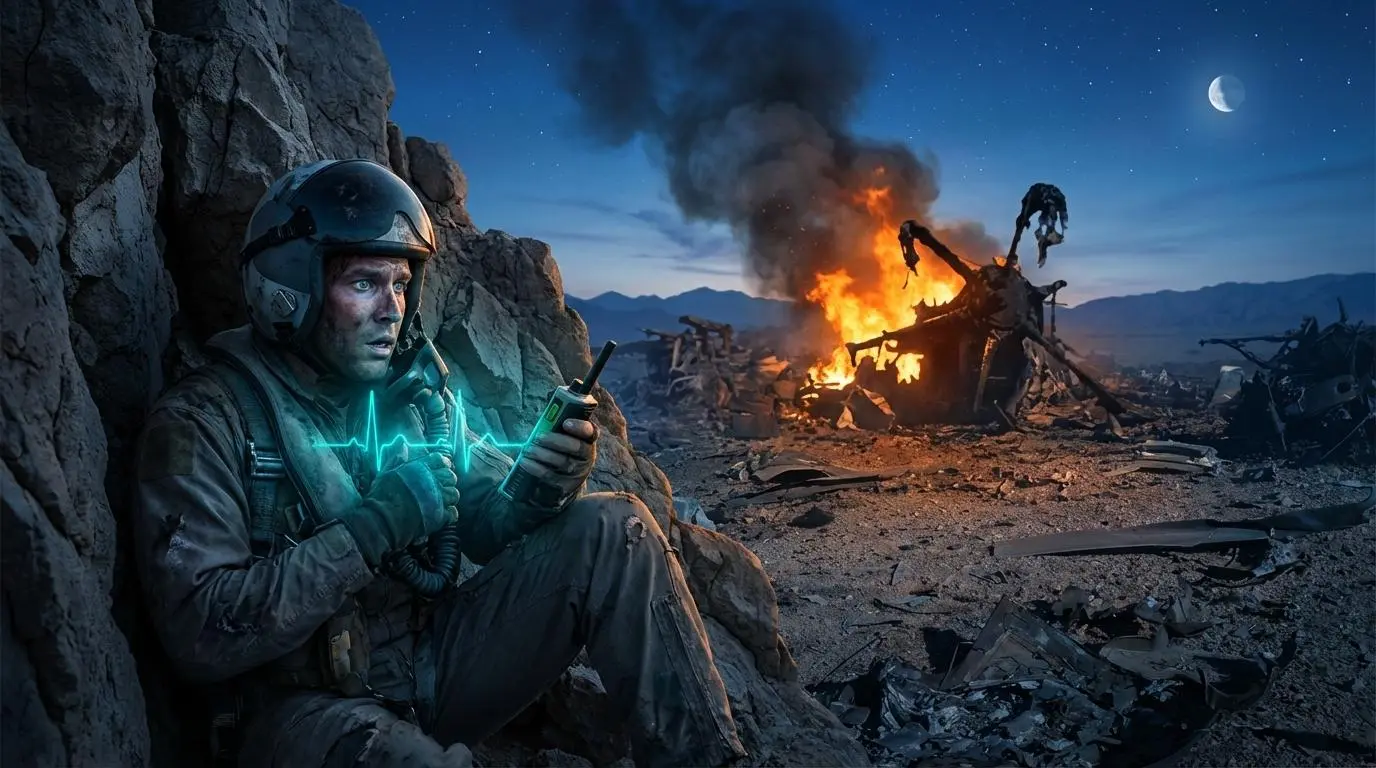
Biometric and Thermal Evasion
With modern adversaries using advanced drones and quantum sensors, traditional camouflage is no longer sufficient. Intelligence operatives and downed pilots now train to mask their thermal signatures and suppress electronic emissions to evade sophisticated biometric tracking systems.
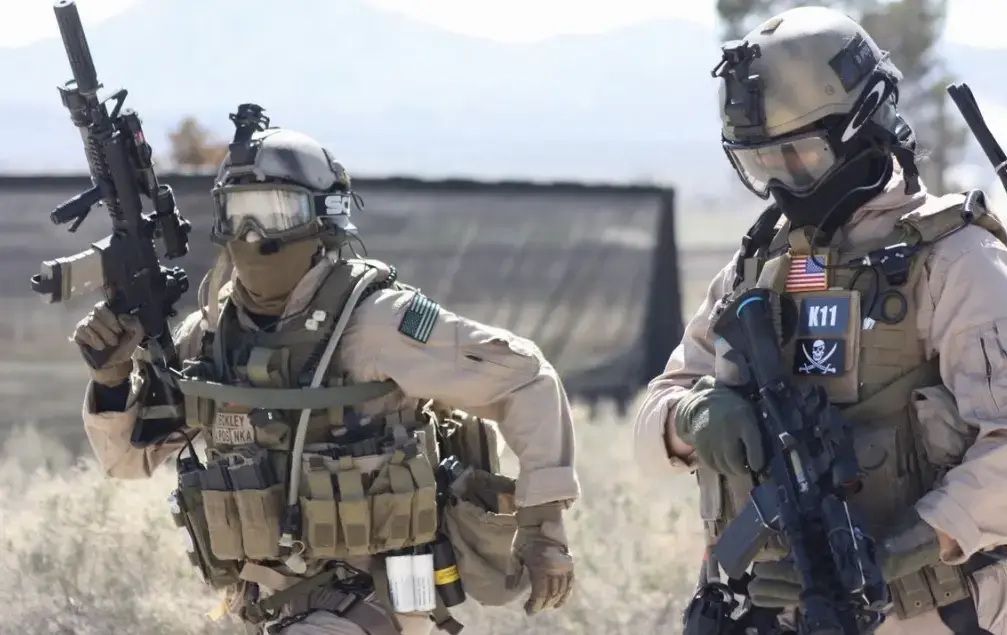
High-Risk Infiltration Tactics
For operations too dangerous for helicopters, elite units like Delta Force master covert insertion techniques. Operators train in High Altitude Low Opening (HALO) parachute jumps from 30,000 feet, allowing them to glide silently into hostile territory undetected by enemy radar.
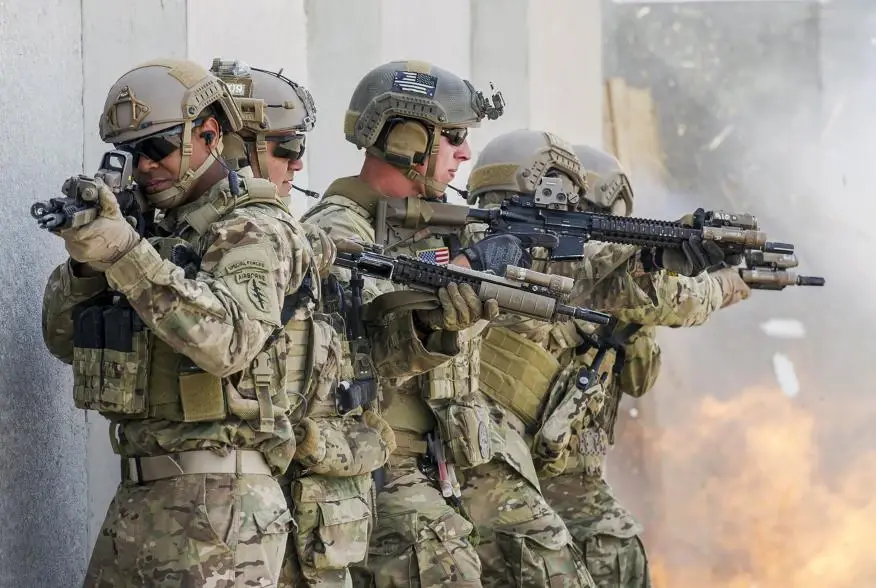
Full-Scale Combat Rehearsals
To ensure flawless execution during an actual crisis, the Pentagon runs massive, live-fire simulation exercises. These highly complex war games involve dozens of aircraft, electronic jamming, and simulated anti-aircraft threats to accurately mirror heavily contested environments like Iranian airspace.
)
)
)
)
)