'2 milliseconds per century': Earth’s slowing rotation is giving us more oxygen to breathe

Scientists studying microbial mats in Lake Huron’s Middle Island Sinkhole found that oxygen-producing purple cyanobacteria compete with sulphur-consuming microbes.
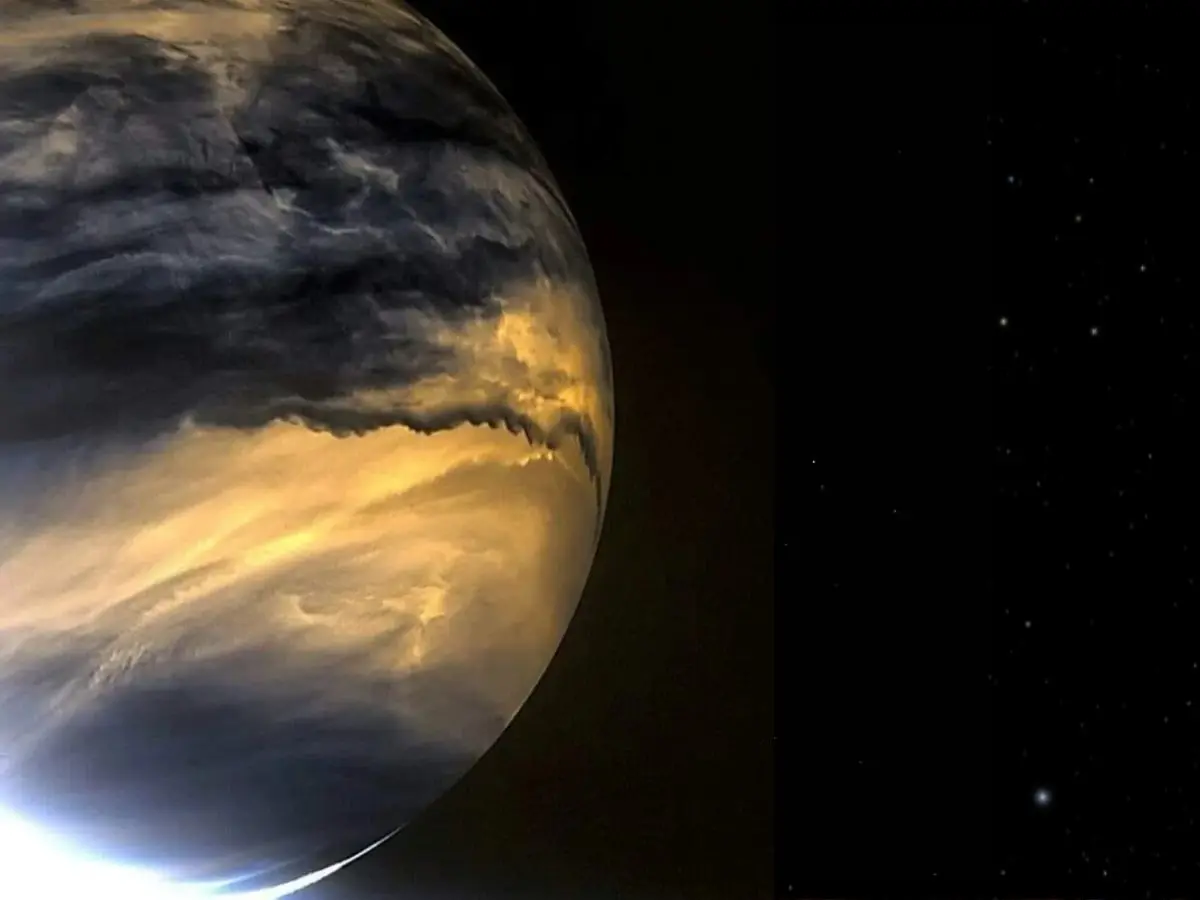
Earth’s Day Has Been Gradually Lengthening
Billions of years ago, a day on Earth lasted only about 18 hours. Thanks to the Moon’s gravitational pull on our oceans, Earth’s spin has been slowly slowing down over time. Today, a full rotation takes 24 hours, but that tiny slowdown, about 2 milliseconds per century, has had profound effects on life.
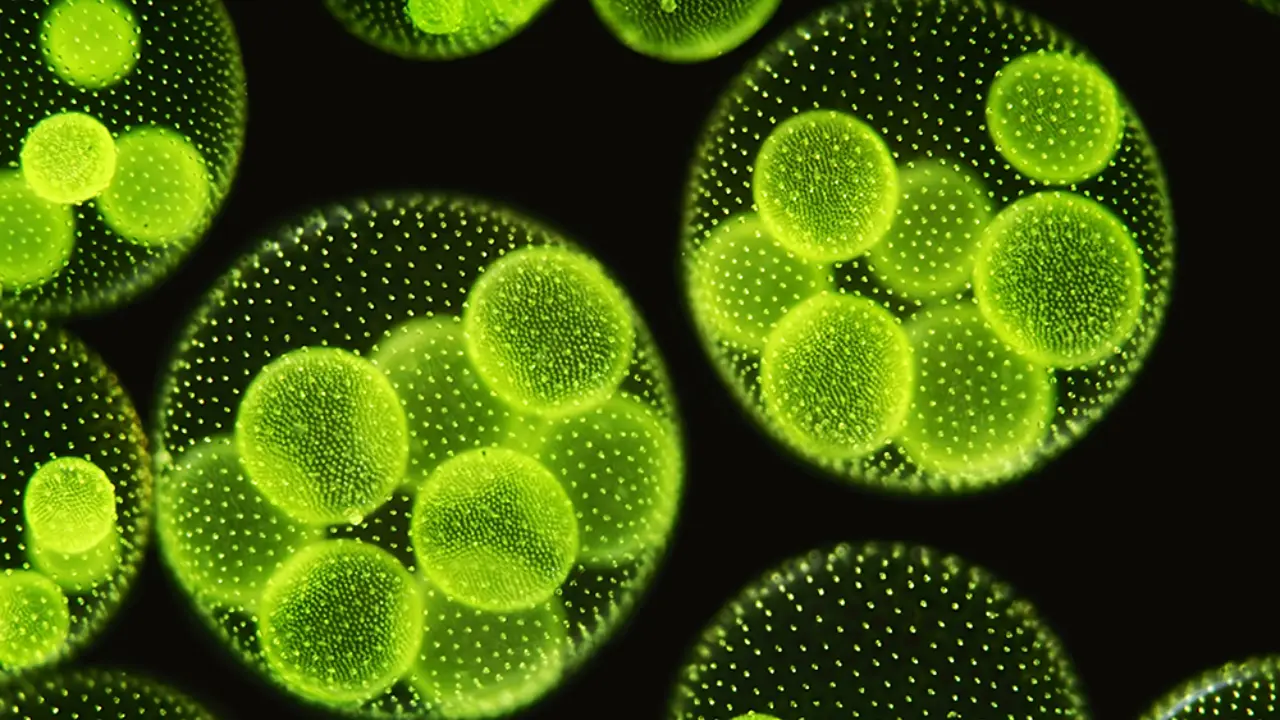
Cyanobacteria and the Great Oxidation Event
Ancient microbes called cyanobacteria were the first organisms to convert sunlight into oxygen via photosynthesis, around 2.4 billion years ago. This event, known as the Great Oxidation Event, increased atmospheric oxygen and paved the way for complex life.
Longer Days Boost Oxygen Production
Cyanobacteria need sunlight to produce oxygen. When days were shorter, their oxygen output was limited. As the days lengthened, these microbes had more uninterrupted sunlight, allowing them to photosynthesise more efficiently and steadily release oxygen into the atmosphere.

Lessons From Modern Microbial Mats
Scientists studying microbial mats in Lake Huron’s Middle Island Sinkhole found that oxygen-producing purple cyanobacteria compete with sulphur-consuming microbes. The longer the daylight period, the more time cyanobacteria have to reach full oxygen output. Shorter days don’t allow oxygen to diffuse efficiently from cells, reducing production.

The Role of Molecular Diffusion
Oxygen release isn’t instantaneous. It depends on molecular diffusion, which takes time. Multiple short days don’t equal one long day in terms of oxygen output. Longer daylight cycles enable microbes to steadily saturate the surrounding water with oxygen.

Links to the Rise of Complex Life
This gradual increase in day length may have contributed to a second oxygen rise during the Neoproterozoic era (550–800 million years ago). Higher oxygen levels supported multicellular life, helping organisms become more complex and diverse.

Small Cosmic Changes, Big Biological Impact
Earth’s slowing spin highlights the subtle forces that shape life. A millisecond added to each day every century has contributed to oxygen-rich air we breathe today. This cosmic connection reminds us that even the tiniest, slowest changes in planetary mechanics can have enormous consequences for life on Earth.
)
)
)
)
)