'$2.5 Million a Day': The shocking daily cost to keep USS Abraham Lincoln sailing near Iran

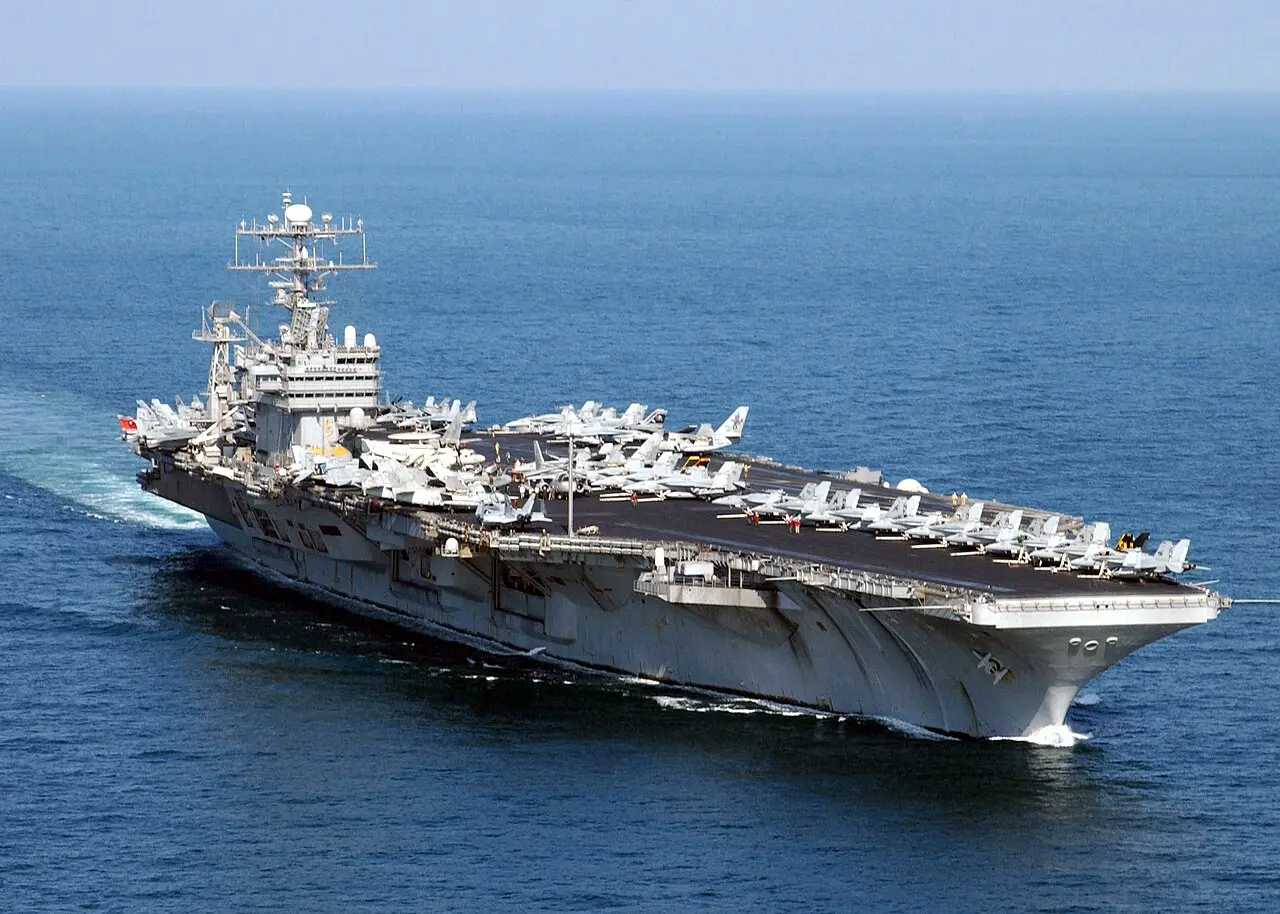
The USS Abraham Lincoln costs $2.5 million daily to patrol near Iran. This covers food, fuel, and repairs for the nuclear carrier and its F-35C fighters, ensuring readiness amid 2026 tensions.
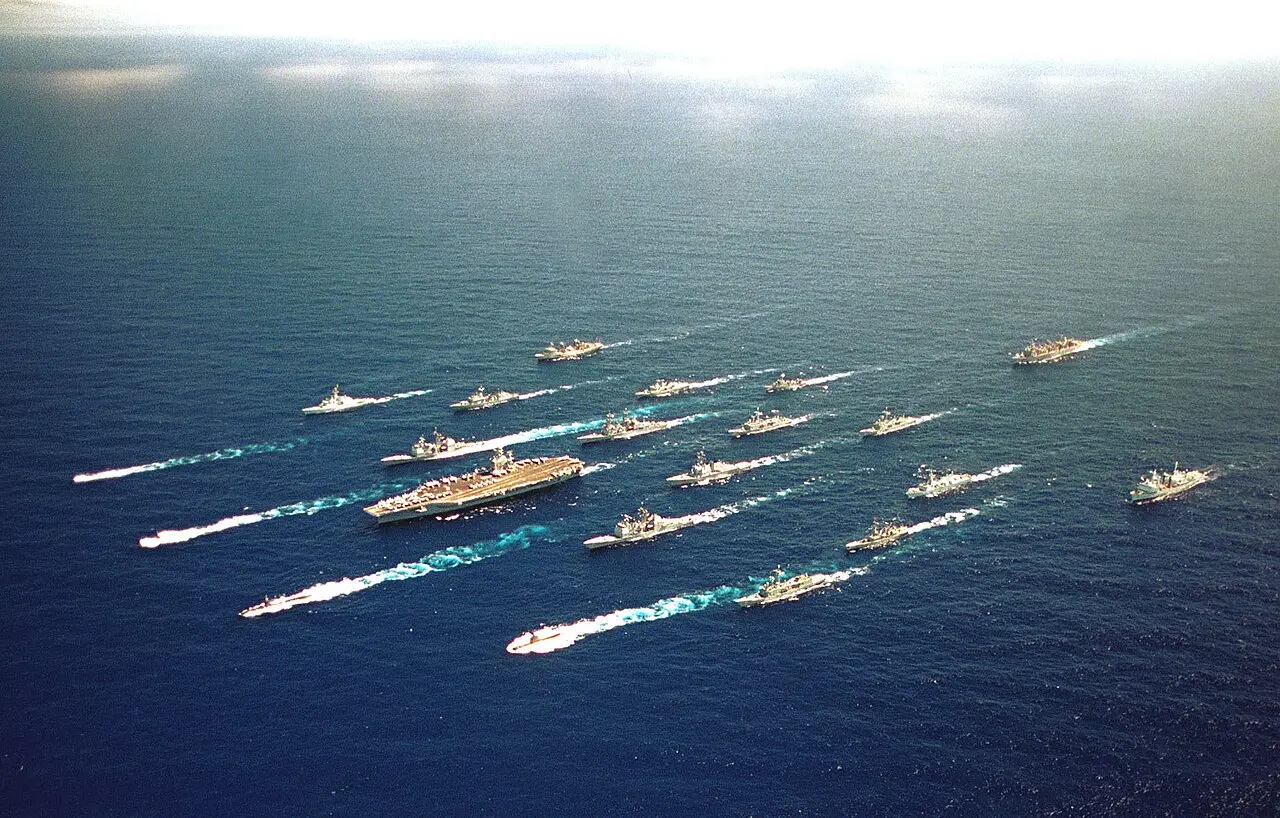
A Floating City’s Daily Bill
Operating the nuclear-powered USS Abraham Lincoln costs an estimated $2.5 million every single day. This figure covers the immense logistics of sustaining the ship's operations, crew needs, and technical maintenance while deployed in the Middle East.
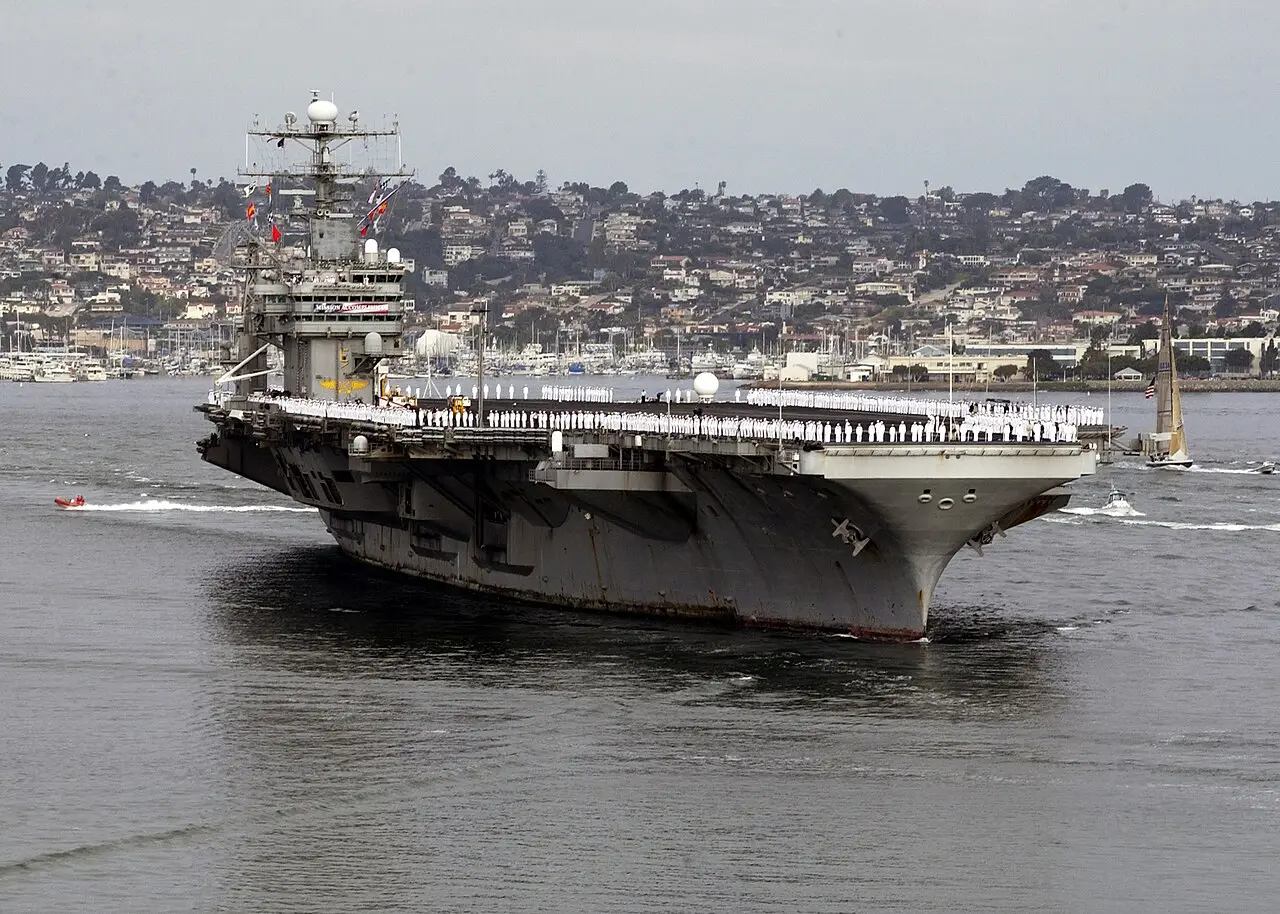
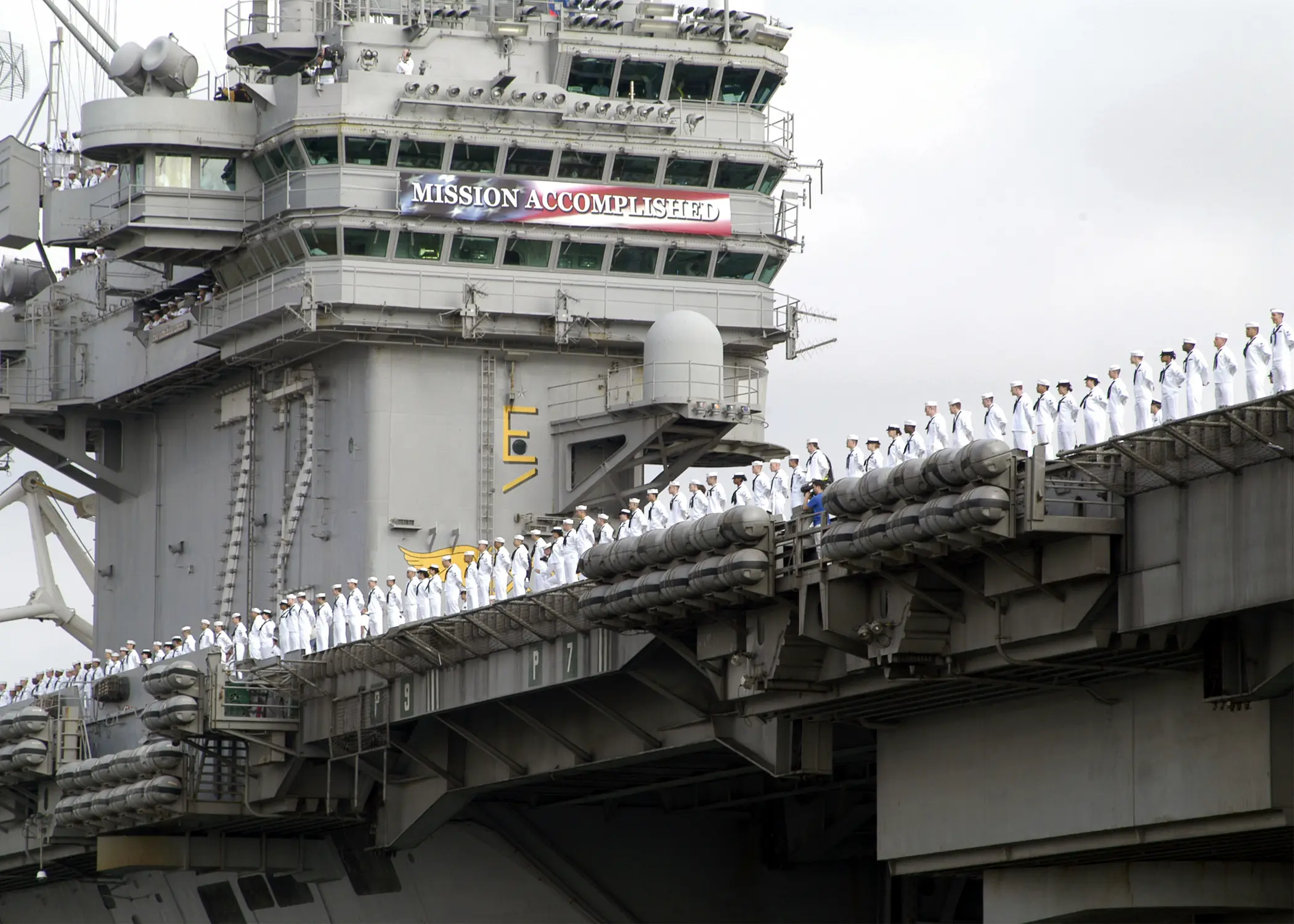
Feeding 5,000 Sailors
The carrier is home to over 5,000 sailors and marines who require three meals a day. The ship’s galleys prepare approximately 17,000 meals daily, costing tens of thousands of dollars just to keep the crew fuelled for operations.
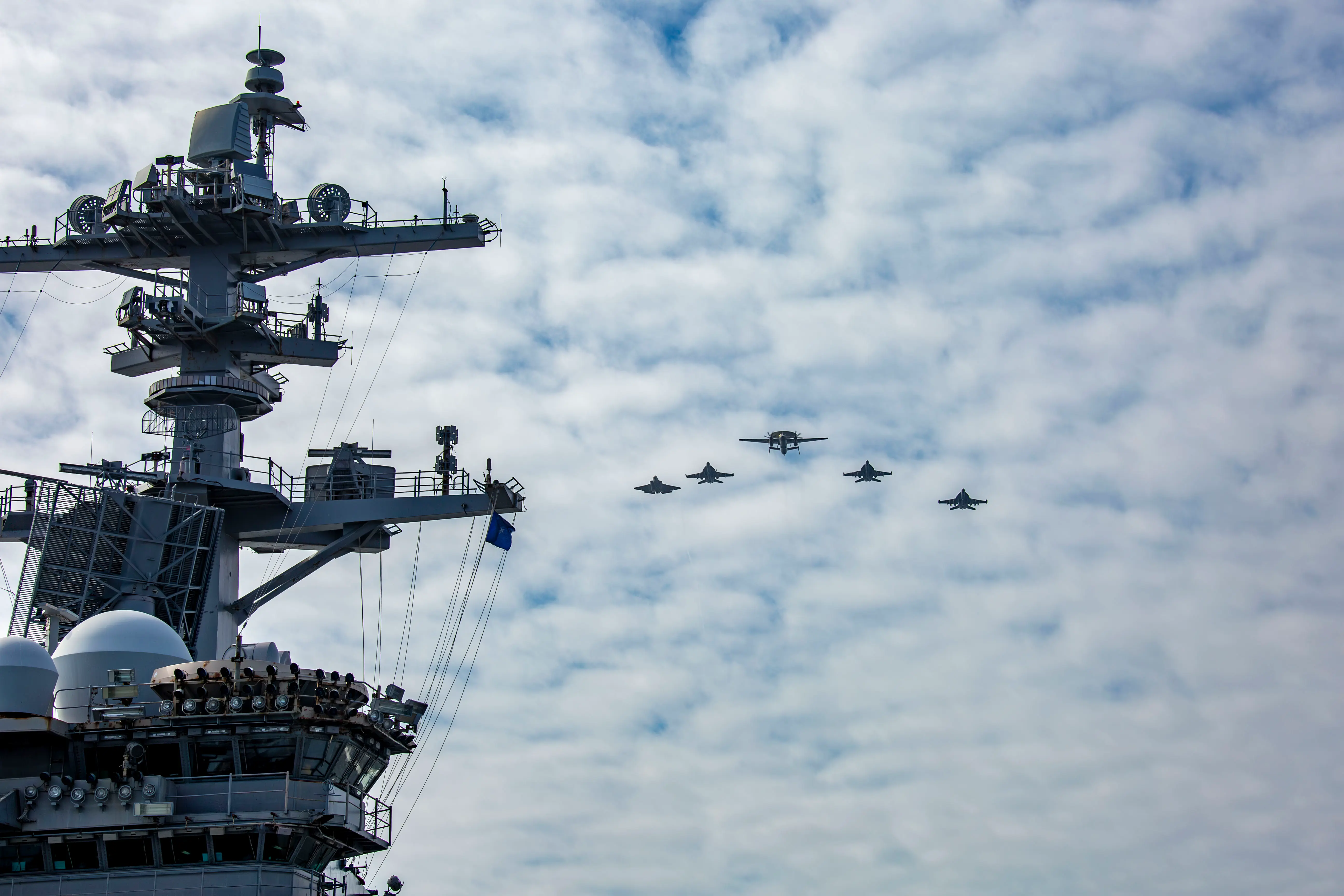
Advanced Air Wing
The ship carries the advanced F-35C Lightning II stealth fighters and F/A-18 Super Hornets. Maintaining these high-tech aircraft at sea is costly, with the F-35C alone requiring significant investment in maintenance and specialized support.
400,000 Gallons of Water
To sustain life at sea, the ship’s desalination plants run non-stop to produce 400,000 gallons (1.5 million litres) of fresh water daily. This water is essential for the crew’s drinking, hygiene, and cleaning the aircraft to prevent saltwater corrosion.
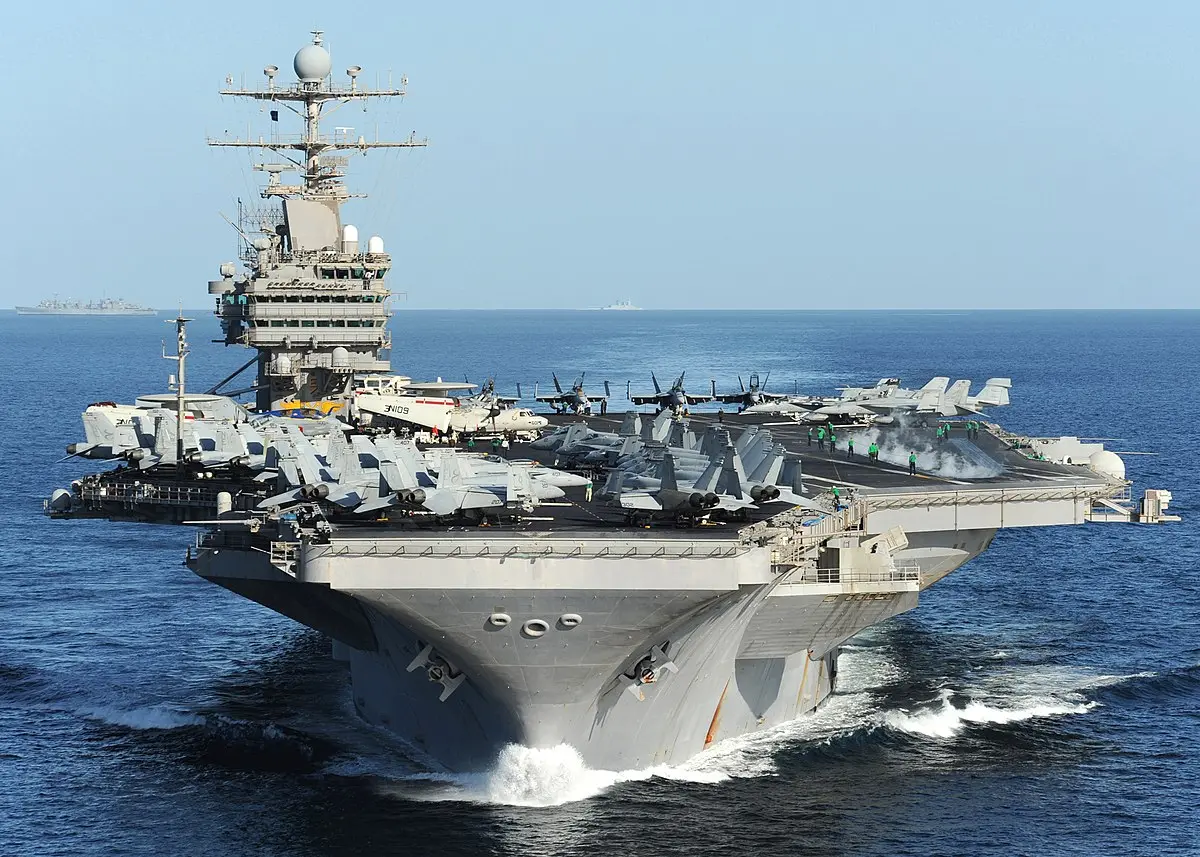
Massive Fuel Consumption
While the ship uses nuclear power, its aircraft require vast amounts of aviation fuel. Launching jets for patrols near Iran burns thousands of gallons of fuel daily, a major component of the ship’s operational operational expenses.
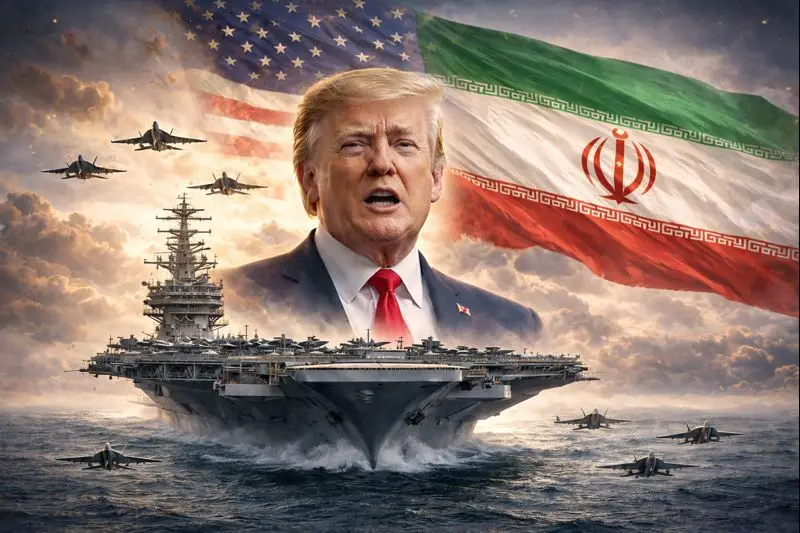
Nuclear Power Plants
The USS Abraham Lincoln is powered by two A4W nuclear reactors, allowing it to sail for 20 years without refuelling. However, the maintenance and technical expertise required to operate these reactors safely at sea add significantly to the daily cost.
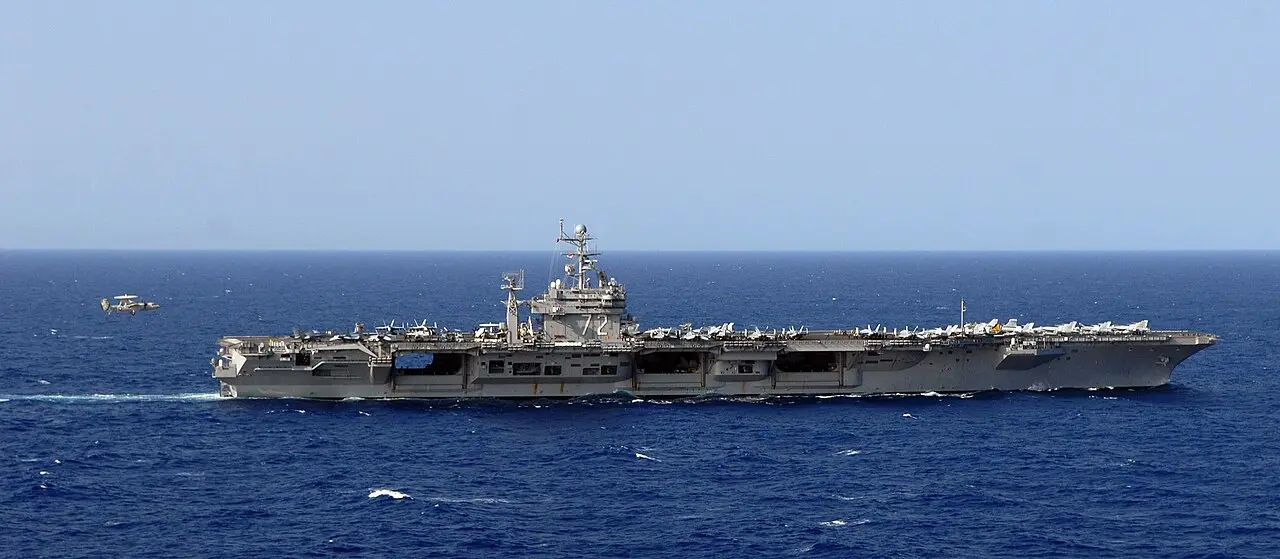
Constant Maintenance
Saltwater is harsh on the ship's steel hull and sensitive electronics, requiring continuous upkeep. A portion of the daily budget goes towards fighting corrosion and ensuring the catapults and elevators remain operational in combat zones.
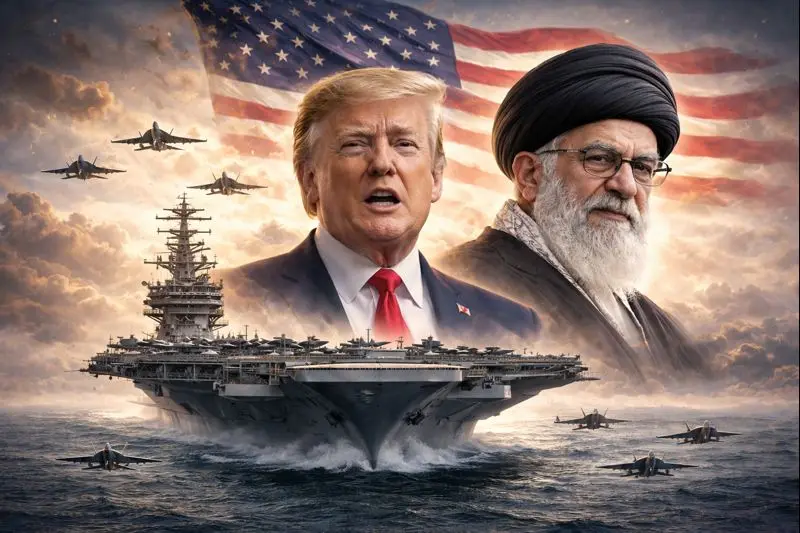
Escort Protection
The carrier travels with Destroyer Squadron 21, including Arleigh Burke-class destroyers like the USS Frank E. Petersen Jr.. While the $2.5 million covers the carrier, these fossil-fuelled escorts add their own fuel and supply costs to the total strike group bill.
Redeployment to Iran
In January 2026, the US redirected the carrier from the Indo-Pacific to the Middle East to counter threats from Iran. This sudden change in deployment involves complex logistics and supply chains to support the ship in the US Central Command area.

The Price of Deterrence
The daily expenditure is the price of projecting power and ensuring open waterways in the region. With the ship facing potential threats from Iranian drone swarms, the high cost ensures high readiness and defence capabilities.
)
)
)
)
)