‘100,000 tons at 30 Knots’: How does the USS Abraham Lincoln move so fast?

The USS Abraham Lincoln uses two nuclear reactors and four 30-tonne propellers to generate 260,000 horsepower, pushing its 100,000-tonne hull past 30 knots.
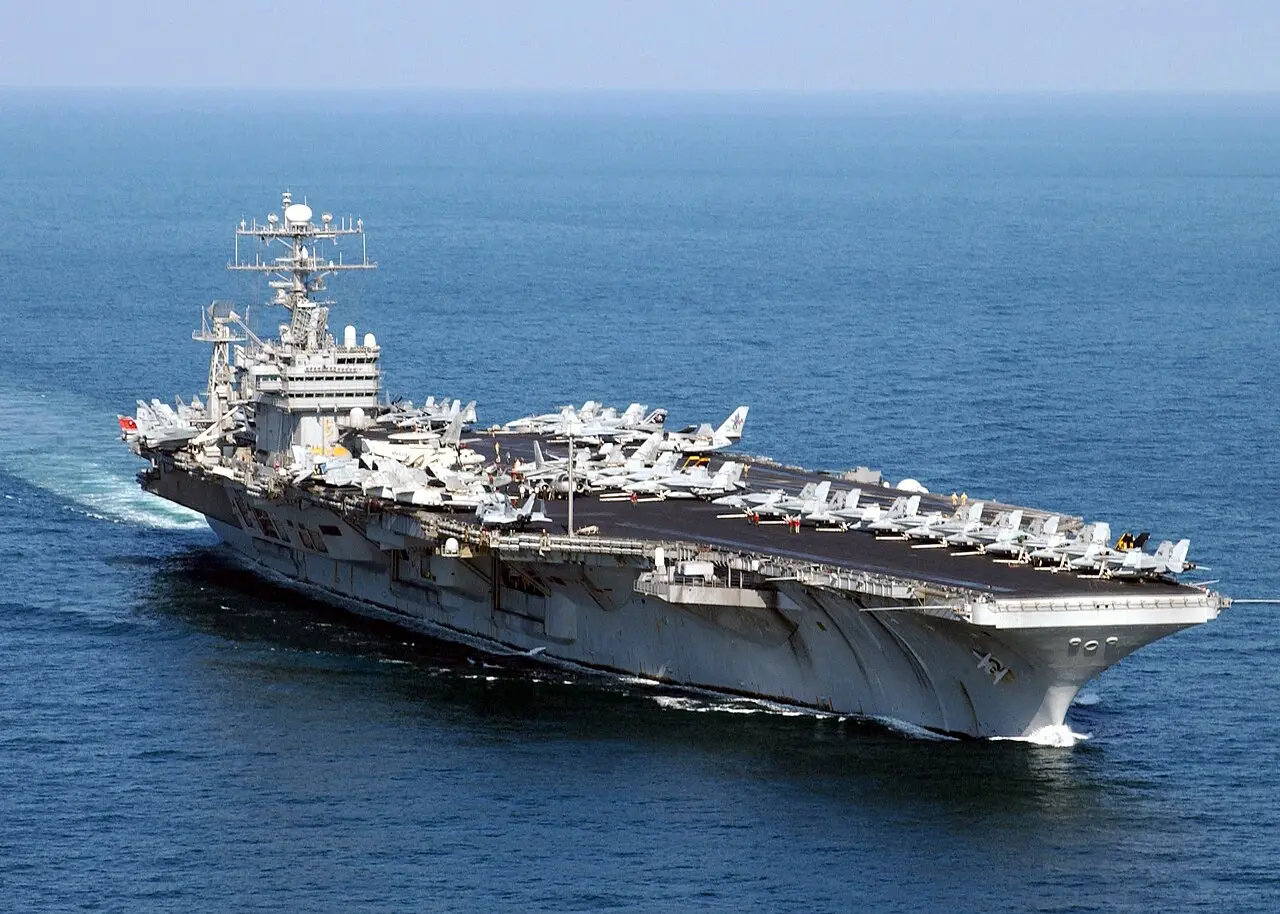
100,000 tonnes of steel
The USS Abraham Lincoln is a Nimitz-class warship displacing roughly 100,000 tonnes when fully loaded. Pushing this massive floating base through the water requires immense energy. The ship relies on a highly advanced propulsion system to overcome drag and achieve top speeds.
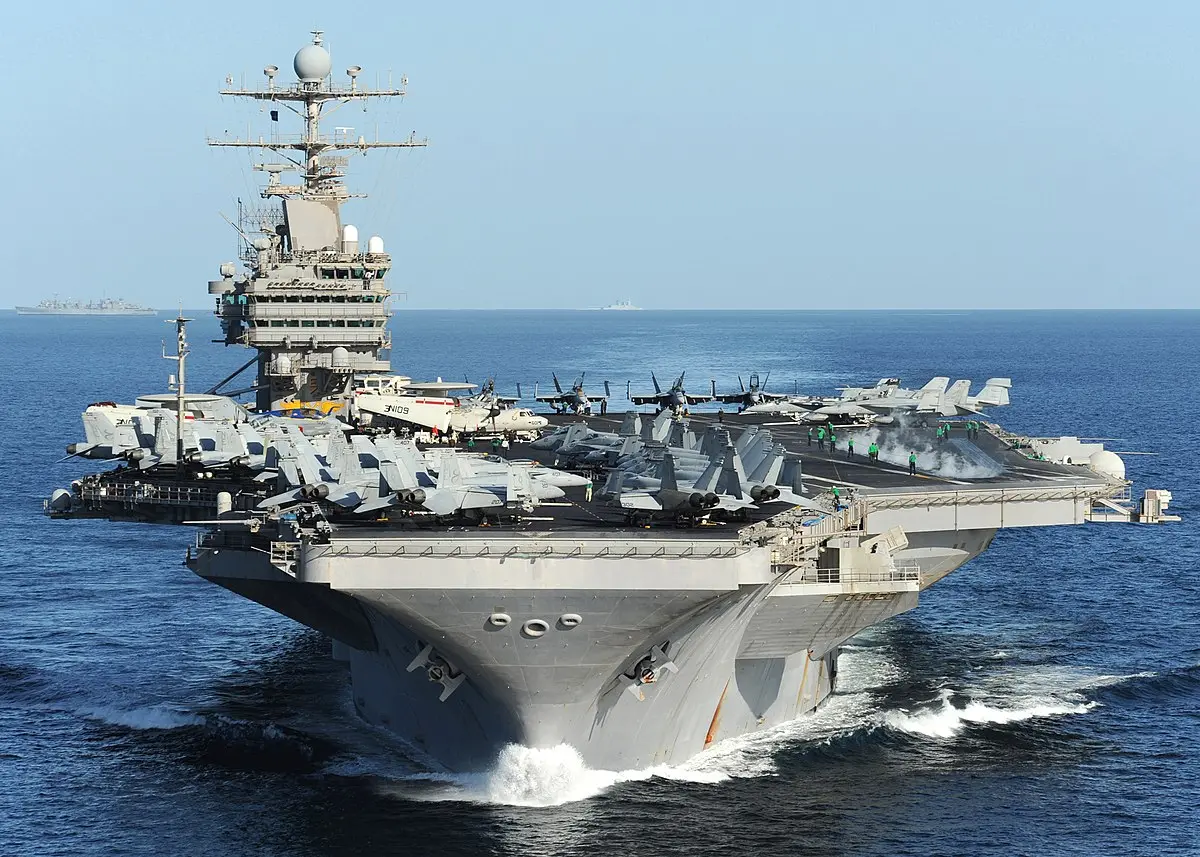
Two A4W nuclear reactors
The core of the ship's speed comes from two Westinghouse A4W pressurised water reactors. These nuclear reactors generate extreme heat through nuclear fission. They provide a continuous and reliable energy source without the need for traditional fossil fuels.
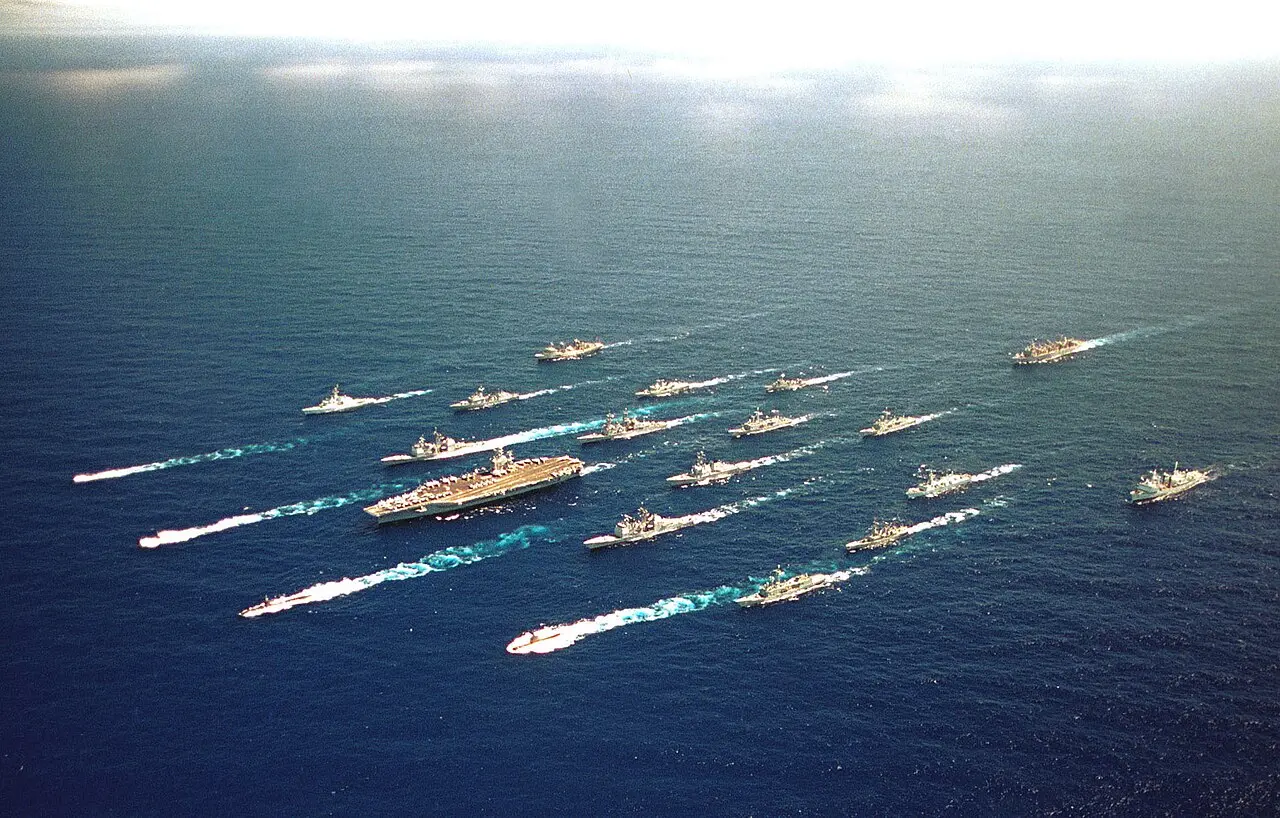
Two closed water loops
The extreme heat from the nuclear reactors is used to boil water in a closed secondary loop. This process creates high-pressure steam inside massive generators. The steam is then funnelled at high velocities to power the ship's mechanical systems.
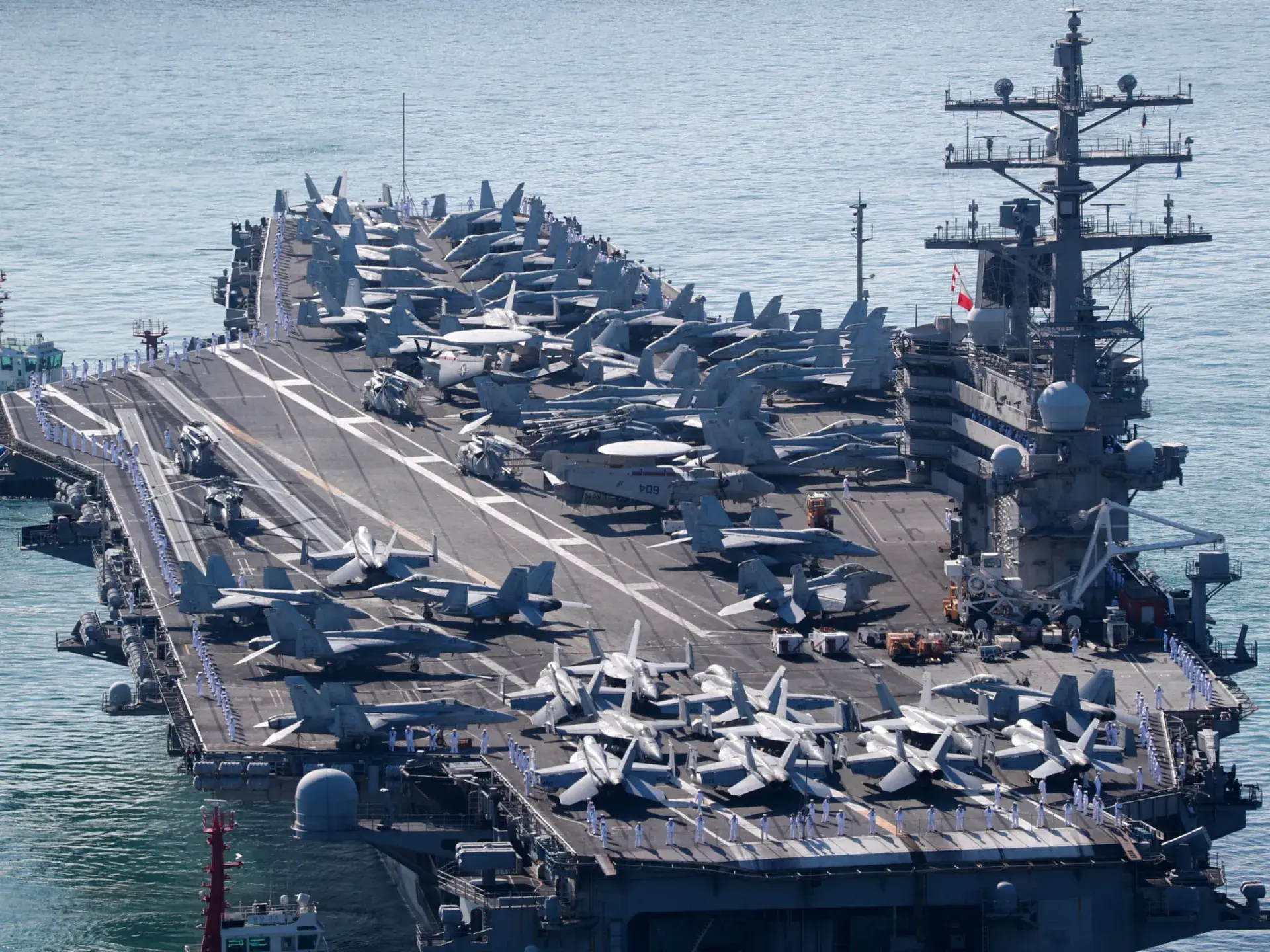
260,000 shaft horsepower generated
The pressurised steam drives four massive steam turbines located deep inside the vessel. These turbines convert the thermal energy into mechanical energy, generating up to 260,000 shaft horsepower. This raw power is directly responsible for pushing the carrier forward.
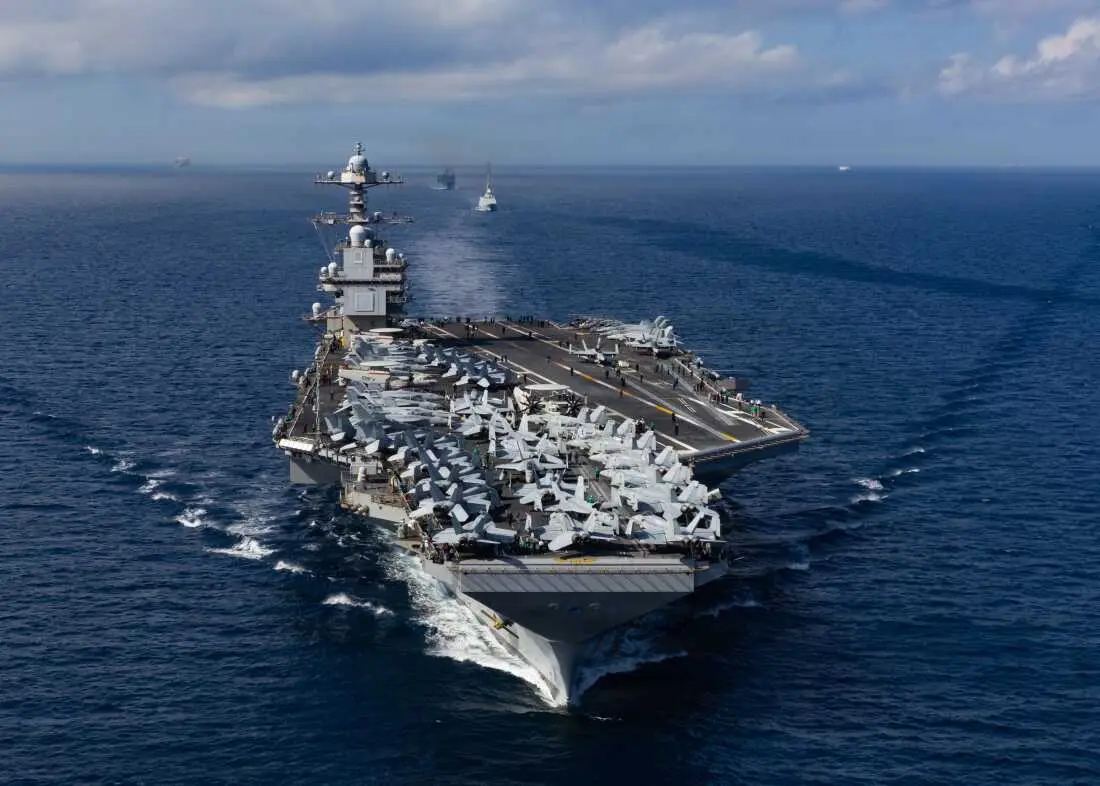
Four 30-tonne bronze propellers
The turbines rotate four separate propeller shafts that extend into the ocean. Each shaft connects to a giant bronze propeller measuring 7.6 metres across. Every propeller weighs about 30 tonnes and spins rapidly to thrust the warship through the waves.
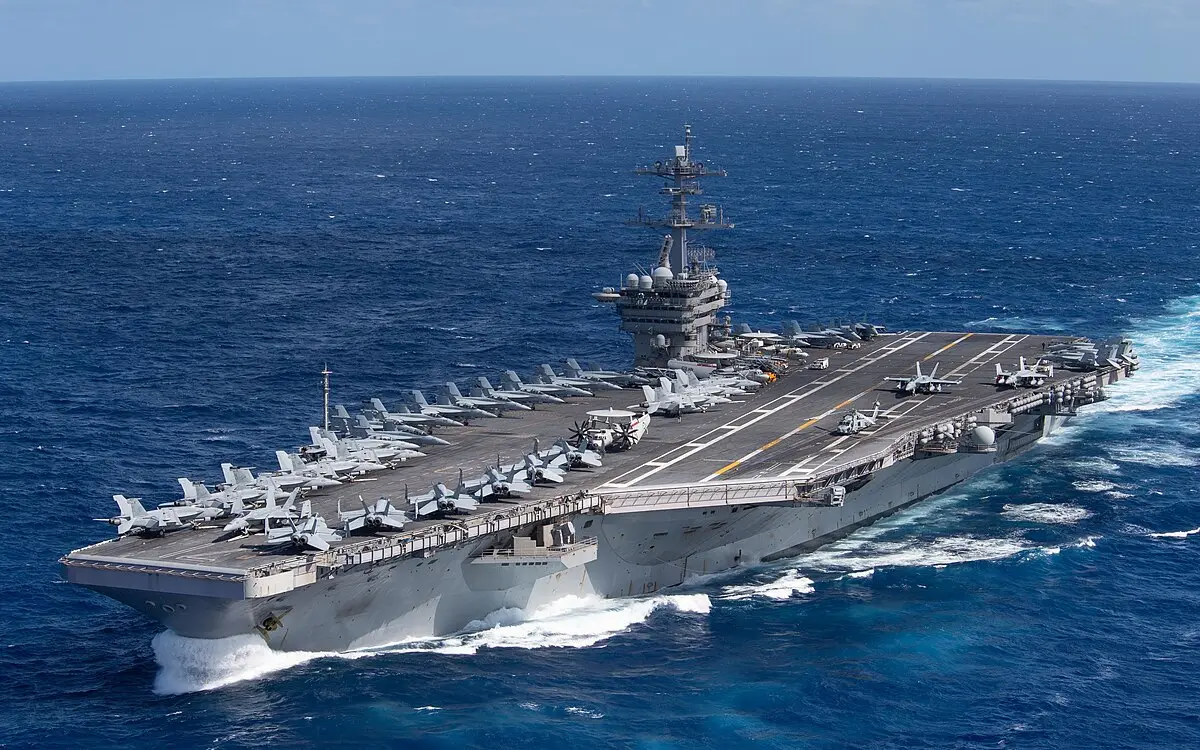
Surpassing 30 knots speed
By combining the massive horsepower with four giant propellers, the carrier easily reaches speeds exceeding 30 knots. This translates to more than 56 kilometres per hour on the open water. Such speed allows the ship to keep pace with faster, lighter escort vessels.
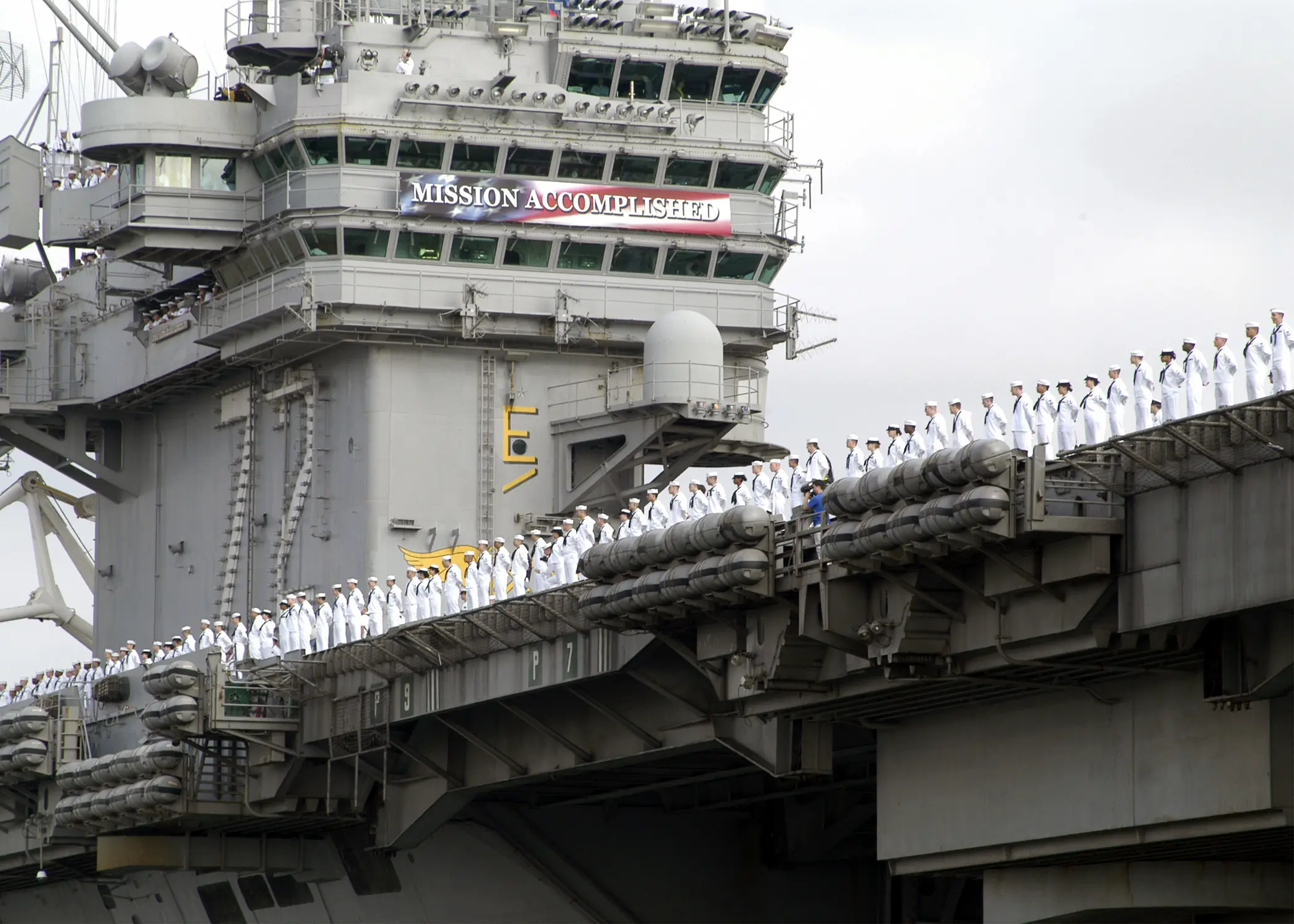
20 years without refuelling
The advanced nuclear propulsion system allows the aircraft carrier to operate for 20 years before needing new fuel. The ship possesses a virtually unlimited range while travelling at top speed. This endurance ensures the vessel can deploy anywhere in the world rapidly.
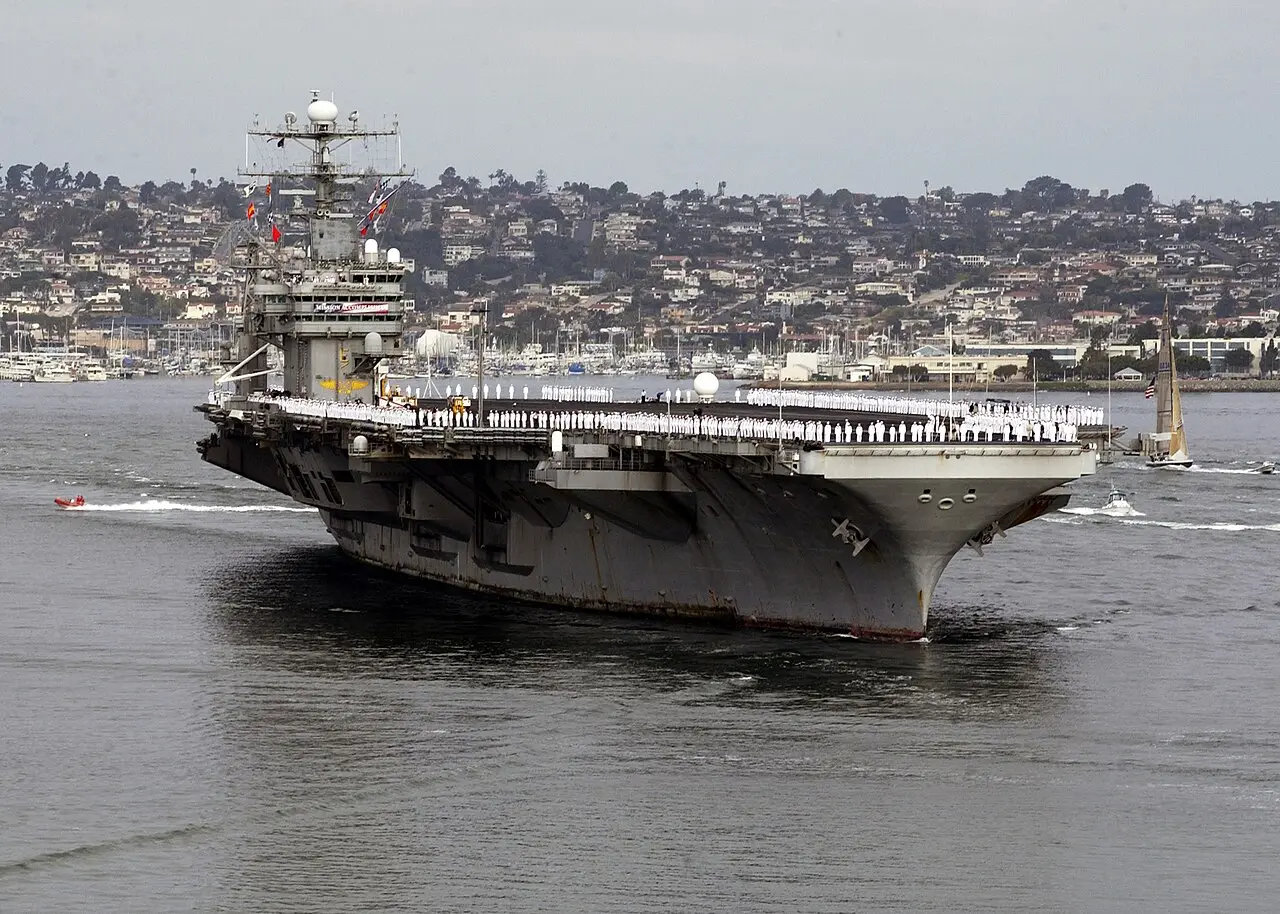
Powering four steam catapults
The same steam that drives the ship also powers the four flight deck catapults. These catapults can accelerate heavy fighter jets to over 250 kilometres per hour in seconds. The carrier’s own forward speed generates wind over the deck to assist these aircraft launches.
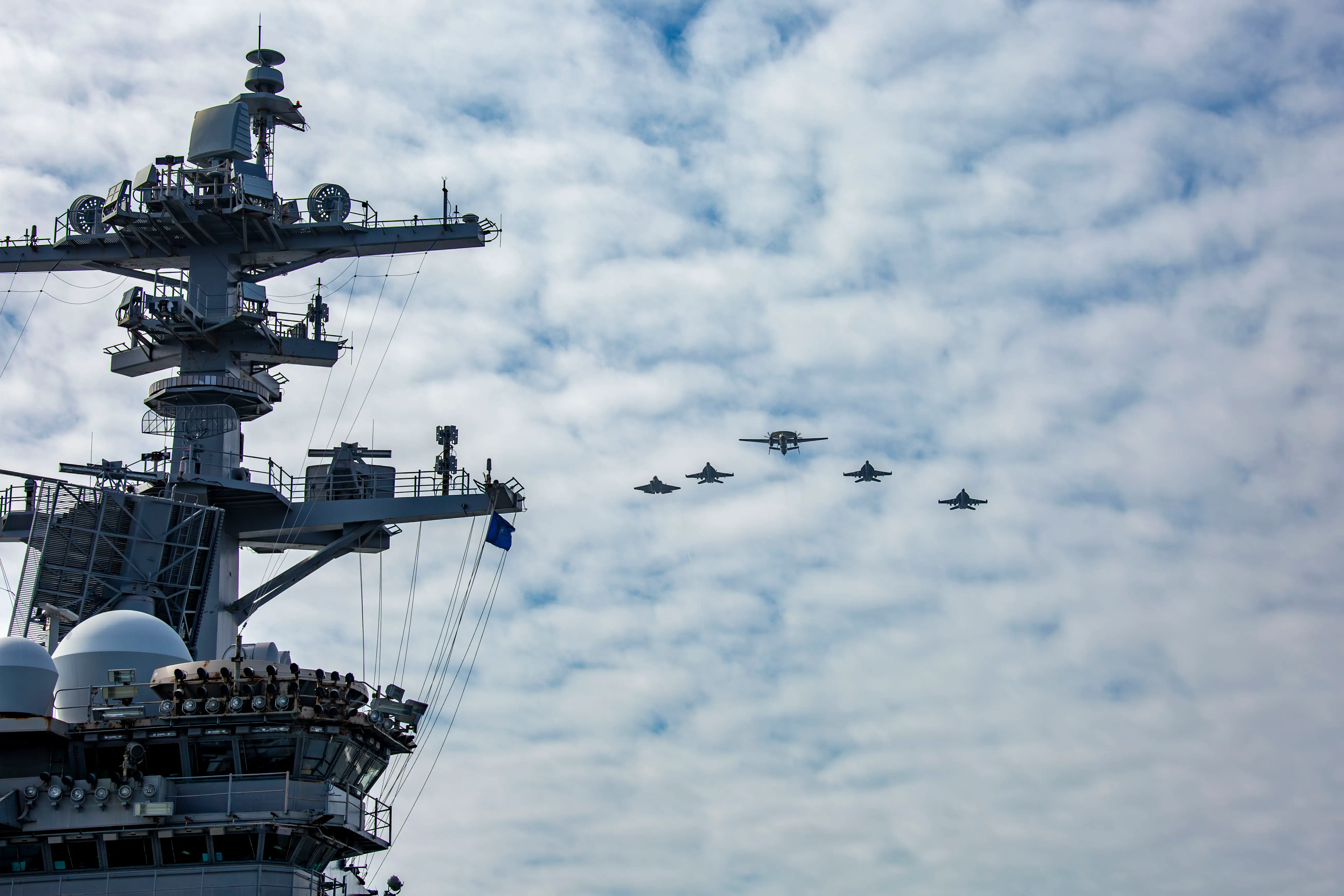
332-metre long steel hull
The ship's hydrodynamic hull spans 332.8 metres in length, designed to slice through the water efficiently. This streamlined shape reduces water resistance, helping the massive weight glide smoothly. The design ensures structural stability even when executing high-speed turns at sea.
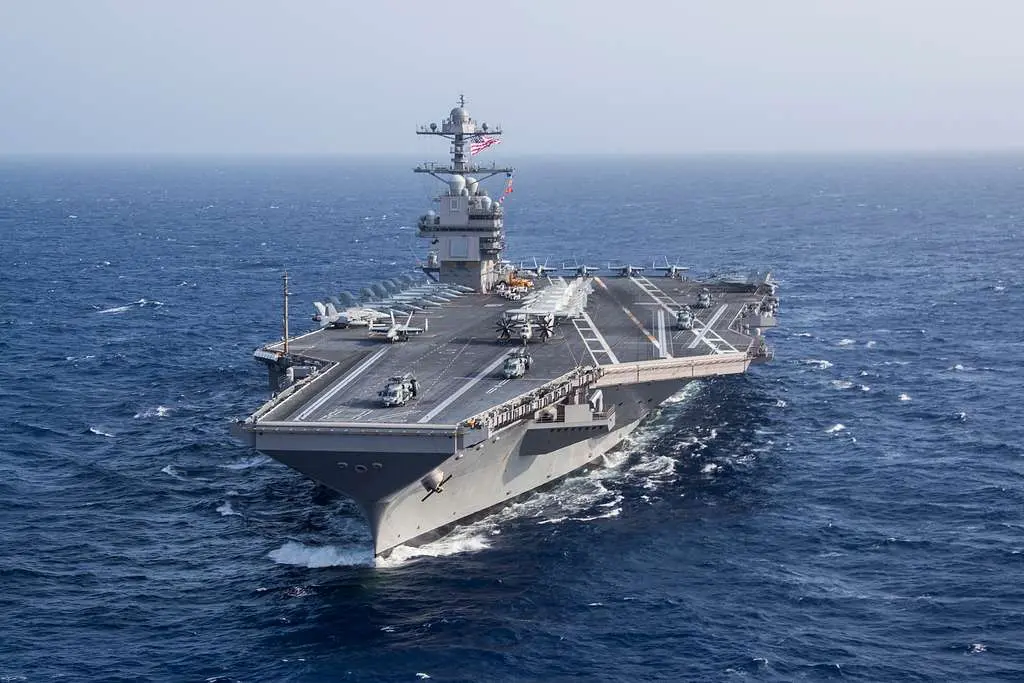
Nearly 5,700 crew members
Operating this complex nuclear propulsion system requires a highly trained engineering team. Out of the nearly 5,700 personnel on board, dedicated sailors monitor the reactors continuously. Their precise work ensures the ship maintains its 30-knot speed safely.
)
)
)
)
)