'1.38 million barrels per day!': Why is China the biggest buyer of Iranian oil?

In 2025, Chinese refiners purchased on average about 1.38 million barrels per day of Iranian oil, which accounted for over 80 per cent of all Iranian crude exports tracked by Kpler analytics firm, reuters reported.
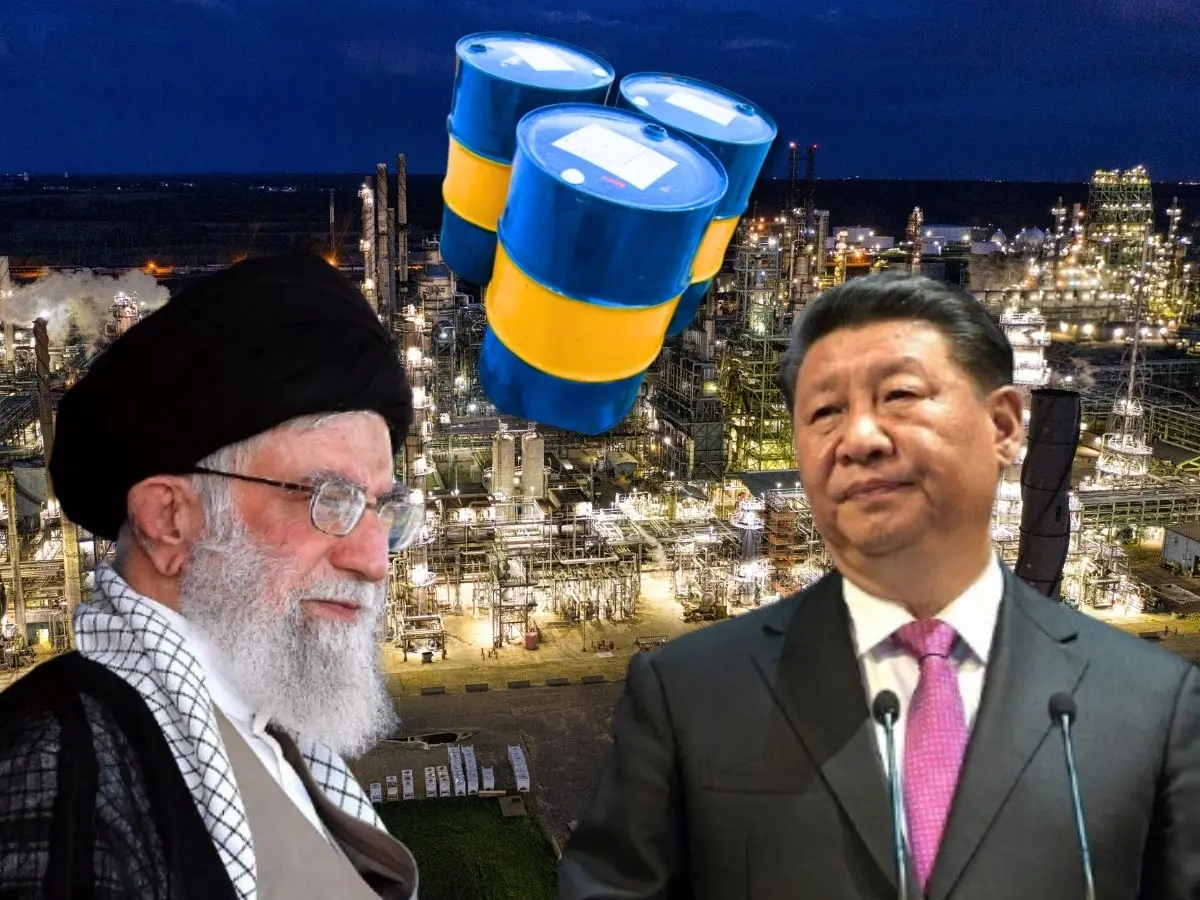
Tensions and energy markets
As Iran grapples with one of the most serious waves of civil unrest in its modern history, triggered by economic hardship and state crackdowns, global attention has turned not only to its internal politics but also to its role in the world oil market. The crisis has only deepened as the country earlier temporarily shut down its airspace amid concerns over potential US military action, even as the US President denied any plans of 'executions'. The protest movement, which has seen thousands of deaths and widespread international criticism, has raised further fears of further economic isolation and geopolitical spill‑over effects specifically as Trump imposed 25 per cent tariffs on Iranian oil. These events unfold against a backdrop of longstanding US sanctions aimed at curbing Tehran’s oil revenues, which underpin both state finances and its foreign policy initiatives.
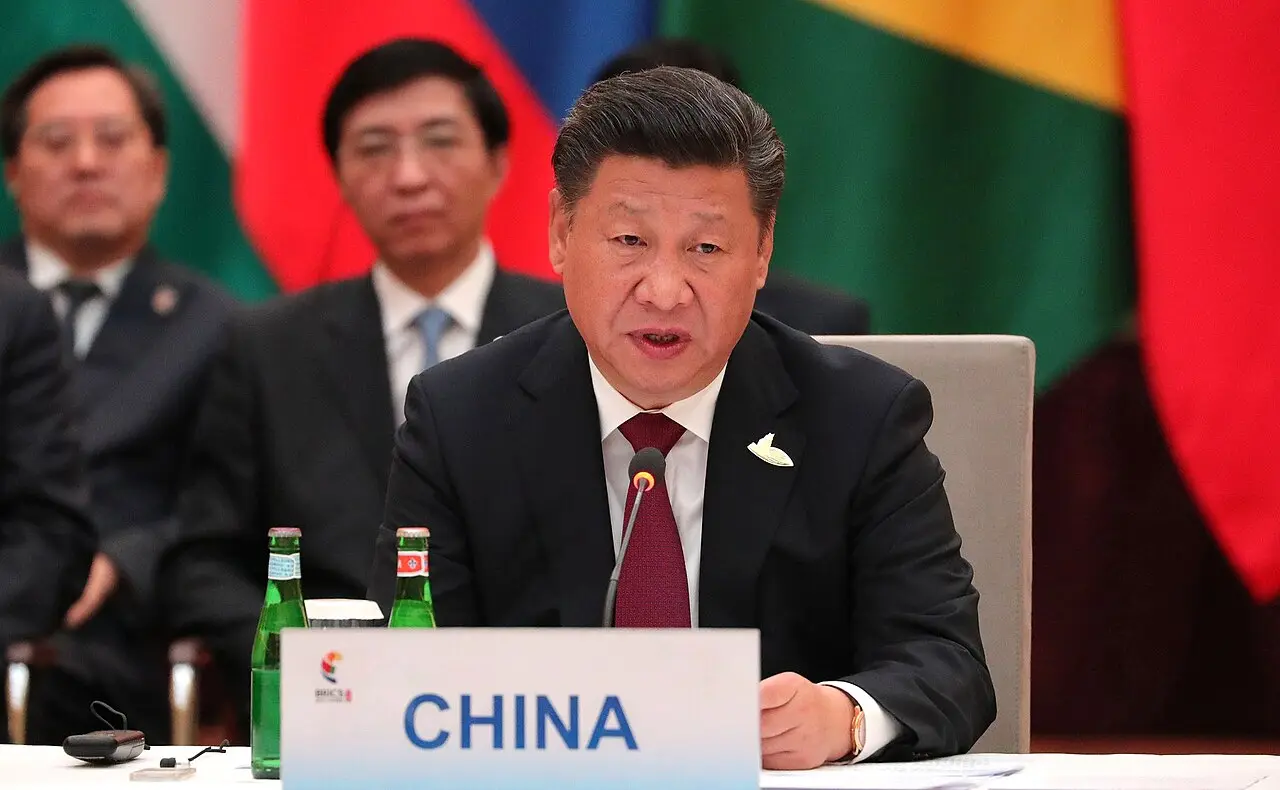
China: Iran’s primary oil customer
Despite sanctions pressures, China remains by far the largest crude importer and the main buyer of oil from Iran. In 2025, Chinese refiners purchased on average about 1.38 million barrels per day of Iranian oil, which accounted for over 80 per cent of all Iranian crude exports tracked by Kpler analytics firm, reuters reported. This volume represented roughly 13.4 per cent of China’s total 10.27 million bpd seaborne oil imports last year.
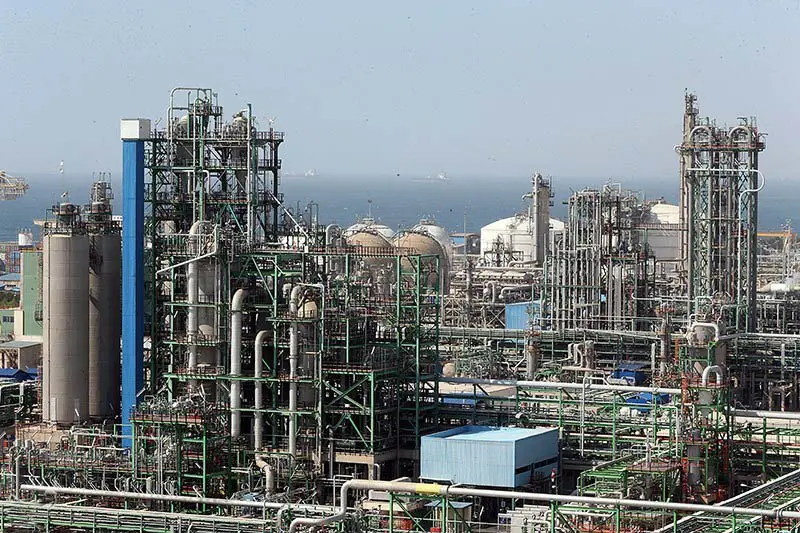
Who buys Iranian crude in China?
The bulk of Iranian oil arriving in Chinese markets is absorbed by independent or smaller refiners, which are locally called ‘teapots’. These teapots, drawn by China's discount to non-sanctioned barrels, are mainly clustered in Shandong province. These refiners operate on narrow to negative profit margins and favour Iranian crude because it typically trades at around $8–$10 per barrel below ICE Brent, compared with the non‑sanctioned alternatives such as Oman crude delivered to China, says Reuters' data. This pricing advantage has been a key driver of continued purchases even after the risk of US sanctions.
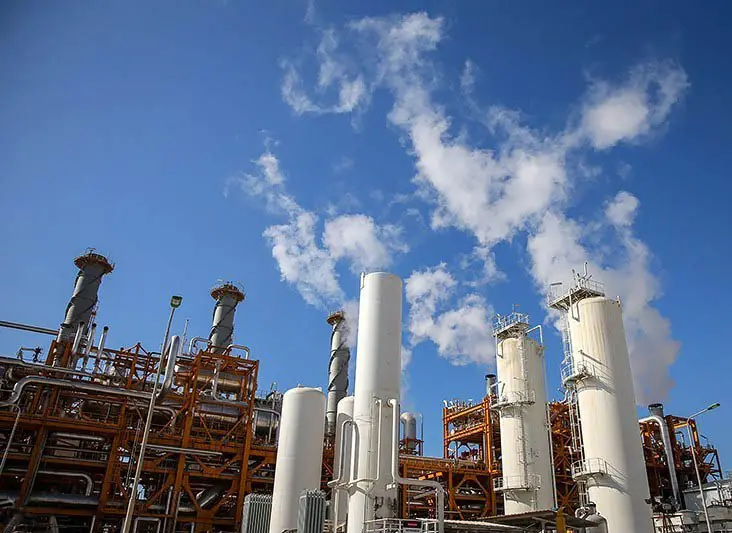
China's clever plan
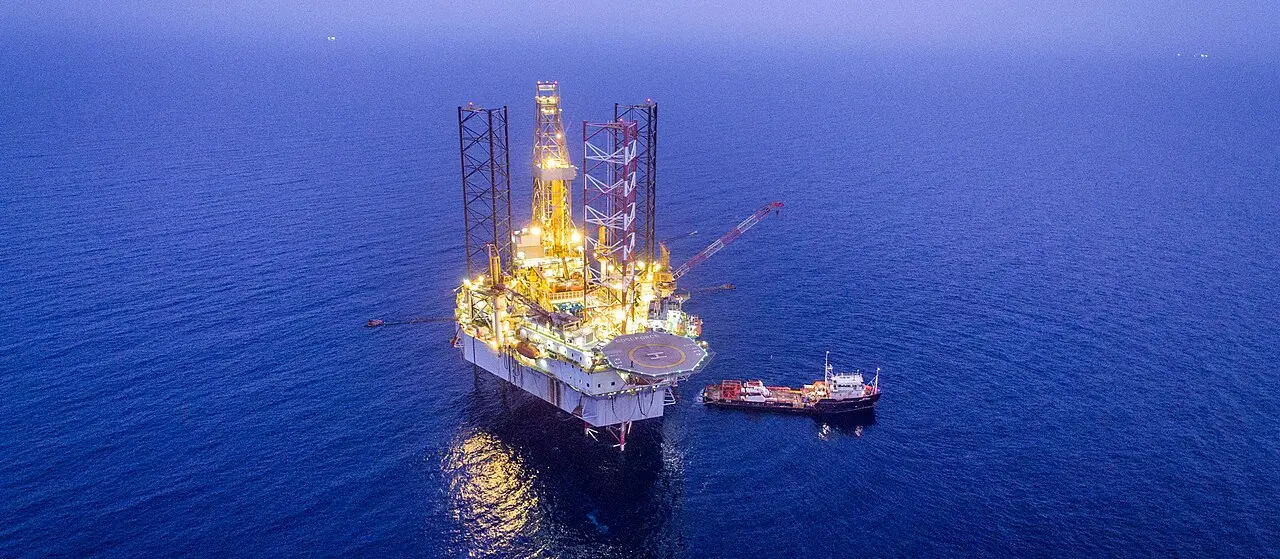
Apart from just Iran, Beijing is also the biggest buyer of oil from Venezuela and a top importer of oil from Russia, says Reuters. The country very smartly uses the purchases from the three countries facing various Western sanctions to save billions of dollars on its import bill in recent years. China customs data has not shown any oil shipped from Iran since July 2022.
Sanctions and workarounds
Since the re‑imposition of US sanctions on Tehran beginning in 2018, major Chinese state oil companies have largely avoided Iranian crude for fear of penalty exposure. Many shipments destined for Chinese ports are relabelled by traders as originating from third countries such as Malaysia or Indonesia to navigate around sanctions enforcement, even though customs data may not reflect direct imports from Iran. Beijing, for its part, has publicly rejected unilateral sanctions and defended its trade with Tehran as legitimate.
Record oil afloat
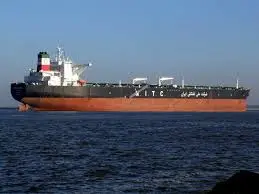
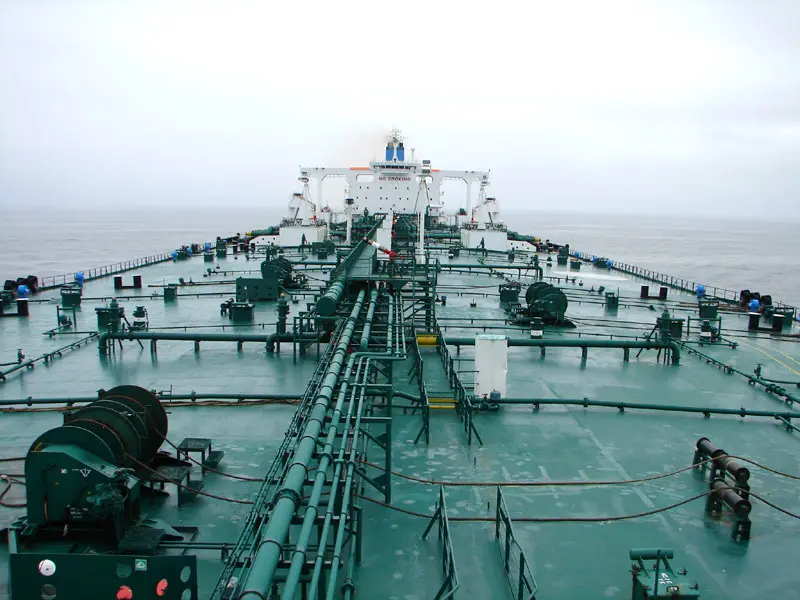
Reuters data shows that Iran currently has a record level of crude oil stored at sea, roughly the equivalent of 50 days of production, partly because of reduced Chinese purchases and partly as a precaution against potential supply disruptions amid escalating tensions with the United States and Israel.
Record oil afloat
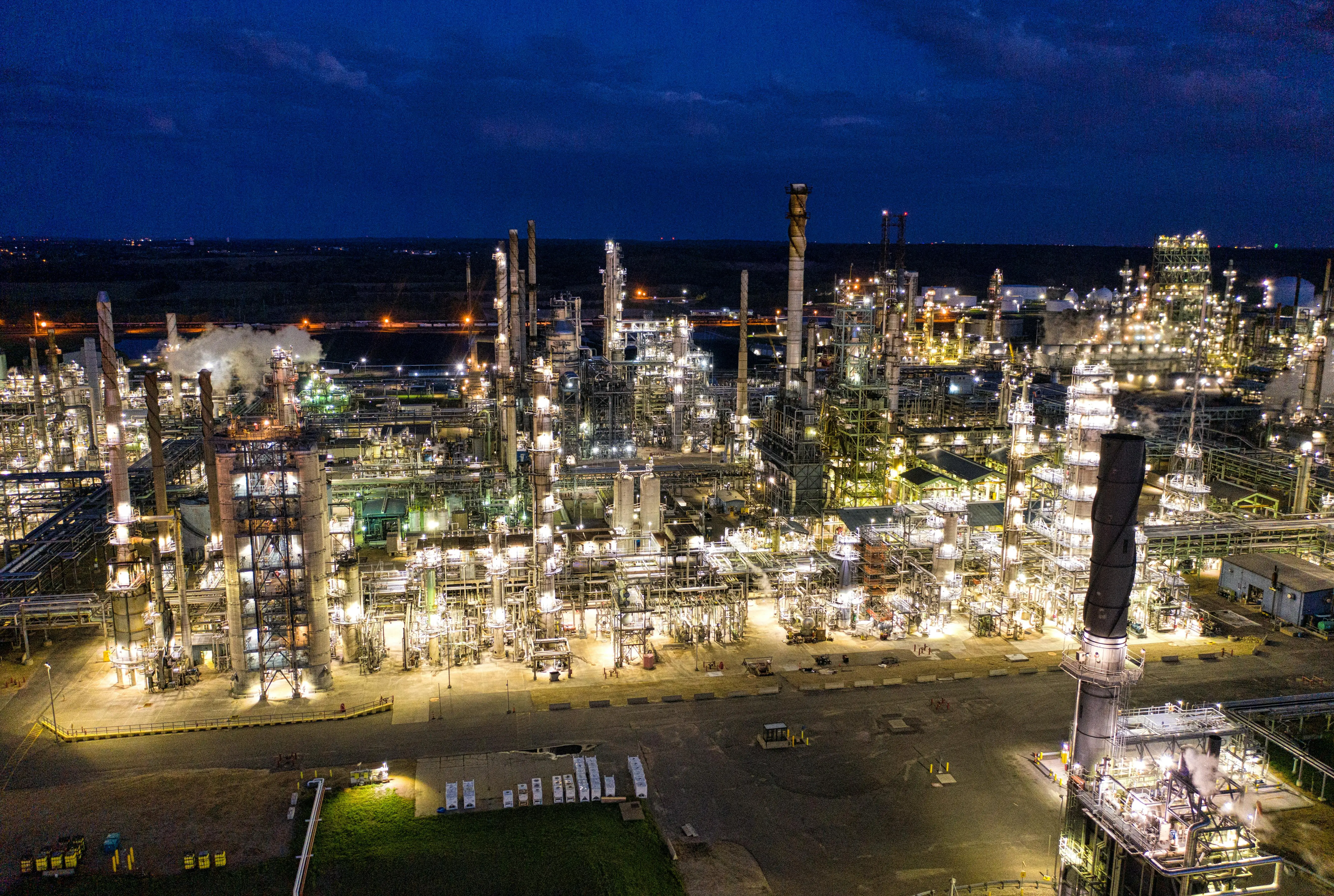
Reuters data shows that Iran currently has a record level of crude oil stored at sea, roughly the equivalent of 50 days of production, partly because of reduced Chinese purchases and partly as a precaution against potential supply disruptions amid escalating tensions with the United States and Israel.
Geopolitical risk
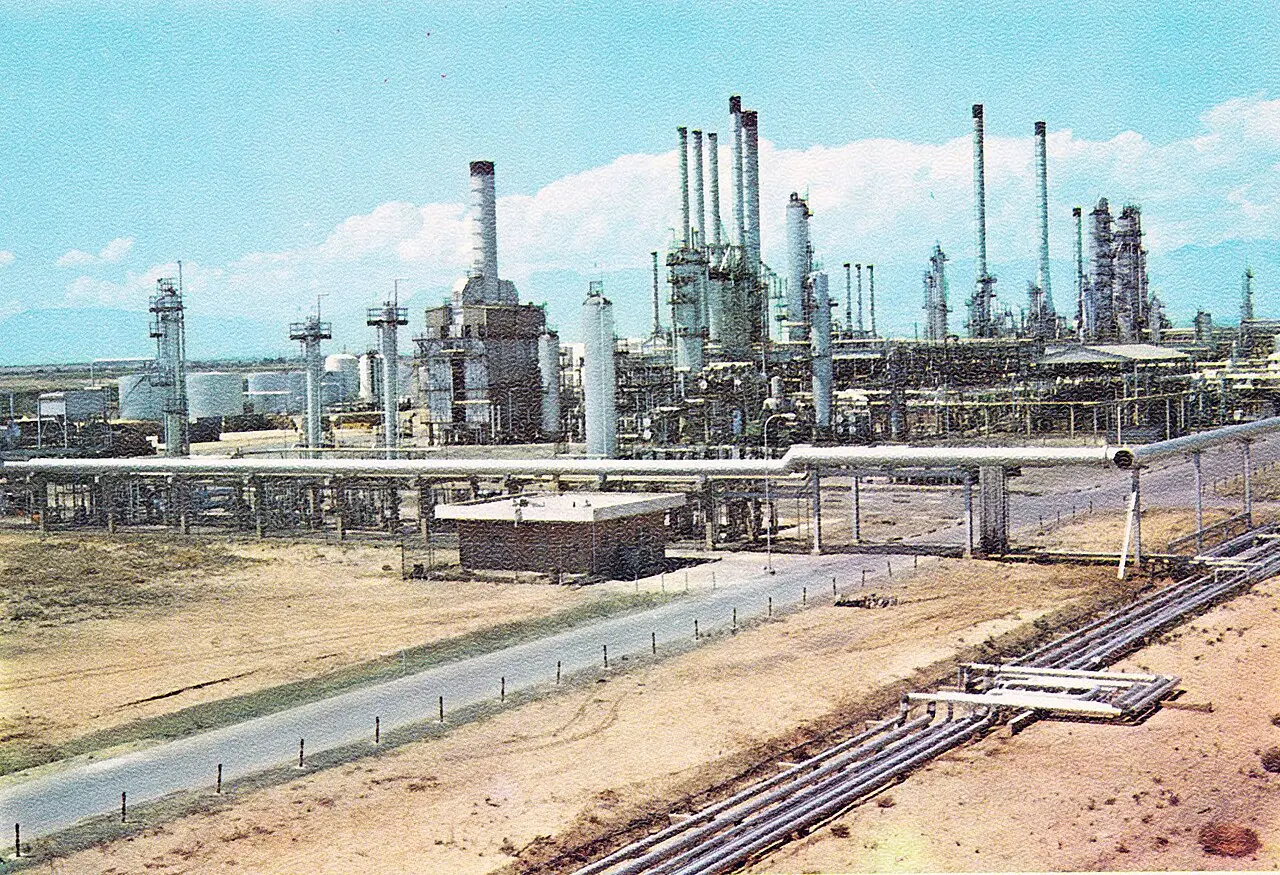
The amount of Iranian crude and condensate, either on tankers in transit or in floating storage vessels, reached a record high of 166 million barrels in the week ended January 11, according to shipping data provider Kpler, the highest level on record in data going back to 2016. The large at‑sea inventory underscores Tehran’s efforts to maintain export capacity while managing geopolitical risk.
Economic pressures at home
Inside Iran, economic strain has been a central grievance of protestors. The combination of sanctions, currency collapse, rising inflation and diminishing domestic purchasing power has fuelled public discontent. This economic backdrop also shapes Iran’s reliance on oil trade partners willing to absorb its crude, especially as traditional markets have dwindled under international pressure.
)
)
)
)
)