&imwidth=800&imheight=600&format=webp&quality=medium "PM Narendra Modi holds key meeting to review oil and gas supply amid West Asia war")
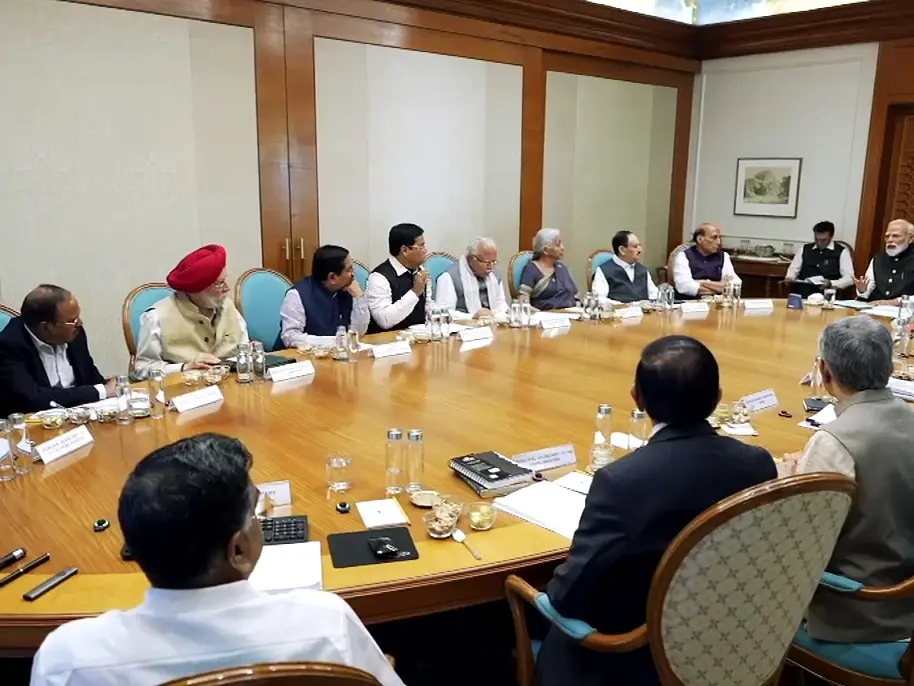
Prime Minister Narendra Modi, on March 22, chaired a meeting with the ministers to take stock of the matter of petroleum, crude oil, gas, power, and fertiliser sector amid the evolving situation in West Asia. The objective of the meeting is to ensure uninterrupted supply, stable logistics, and efficient distribution of essential resources across the country.
The Prime Minister, along with other senior ministers maintain a continuous monitoring of the situation in West Asia and the vital maritime choke point Strait of Hormuz to protect consumer and industry interests. Union Defence Minister Rajnath Singh, Petroleum and Natural Gas Minister Hardeep Singh Puri, and other Ministers were also present. Prime Minister Modi, on March 12, described the situation as a “critical test of national character”, underlining the government's effort to manage supply chain disruptions.
Also Read: 'Black smoke and loud boom': Meteorite crashes through Texas home roof in 'fireball event'

The war in West Asia has entered its 23rd day. The total number of casualties varies depending on both sides' reporting, the Strait of Hormuz remains closed, and an end to the war seems improbable. Prime Minister Modi on Saturday, March 21, held a conversation with Iranian President Masoud Pezeshkian on the occasion of the Persian New Year Nowruz and Eid al-Fitr and urged “freedom of navigation” in the Strait of Hormuz. Iranian President, referring to India's current presidency in the BRICS, urged India to play an “independent” role in bringing the attacks by the US and Israel to a halt. The US and Israel have engaged in a war of choice against Iran, without any unified goal.
Indian External Affairs Minister S Jaishankar also spoke to his Iranian counterpart Abbas Araghchi about the conflict and its “implications for the larger region”. Iran has laid out its demand for the end of the war, not just a ceasefire but guarantees against the recurrence of aggression in the future.