

&imwidth=800&imheight=600&format=webp&quality=medium "Hormuz crisis has clear winners and losers: Here's who's cashing in from the oil crisis")
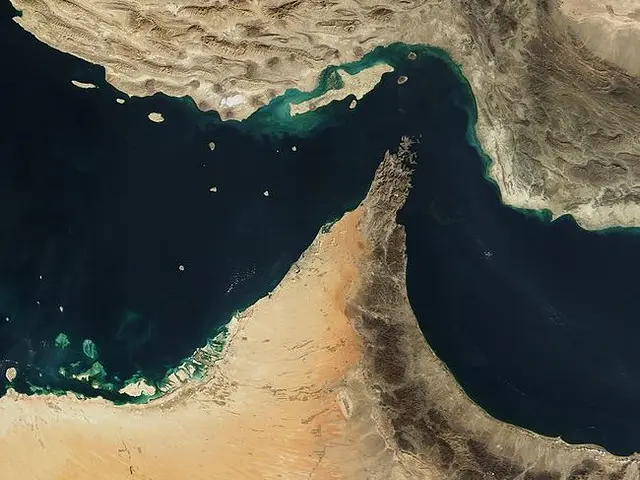
The Strait of Hormuz is burning again, and behind the smoke, a very clear financial map is emerging. This isn't just a war story, but a market story. Since Iran shut the strait in late February, Brent crude jumped 15 per cent within days, gasoline prices spiked, and inflation fears returned to Washington. But not every producer is losing.
Saudi Arabia and Oman are heading for a windfall, while the UAE watches its petrodollar income shrink. Why the split? Geography and infrastructure. Riyadh has rerouted nearly 7 million barrels a day through its east-west pipeline to the Red Sea port of Yanbu, completely bypassing Hormuz.
Also read | New Delhi to track every Indian seafarer in Hormuz after deadly Iran tanker attack kills sailor, injures 10 others
According to Goldman Sachs, higher prices have more than made up for the lost tanker shipments. That's the Saudi playbook: sidestep the chokepoint, and sell into a panicked market. Compare that to Iraq, Kuwait, Qatar and Bahrain; they are under loss with no pipeline escape route. Those unable to avoid the Strait saw straight revenue declines, even as prices climbed.
Then there's refining. U.S. gasoline refining margins have surged more than 60 per cent since June, crossing $56 a barrel, nearing 2022 energy-crisis territory.
Also read | Can India withstand another West Asia crisis? How Israel-Hezbollah-Iran tensions could hit its energy security | WION Decodes
Refiners are pocketing both a crude discount and a fuel-price premium. That's a rare double windfall, which analysts call unsustainable. And beyond the gulf, the biggest winners may sit outside West Asia entirely.
The New York Times calculated the United States gained roughly 50 billion dollars in extra export revenue and Russia over $15 billion, while every Persian Gulf nation logged export declines.
The takeaway: Hormuz tensions are reshaping petro-politics itself. Saudi Arabia is consolidating leverage over rivals like the UAE. Washington and Moscow are quietly cashing in. And refiners worldwide are riding margins that history says won't last.
The war isn't just about the Gulf. It's about who controls the world's next barrel and its price.
