

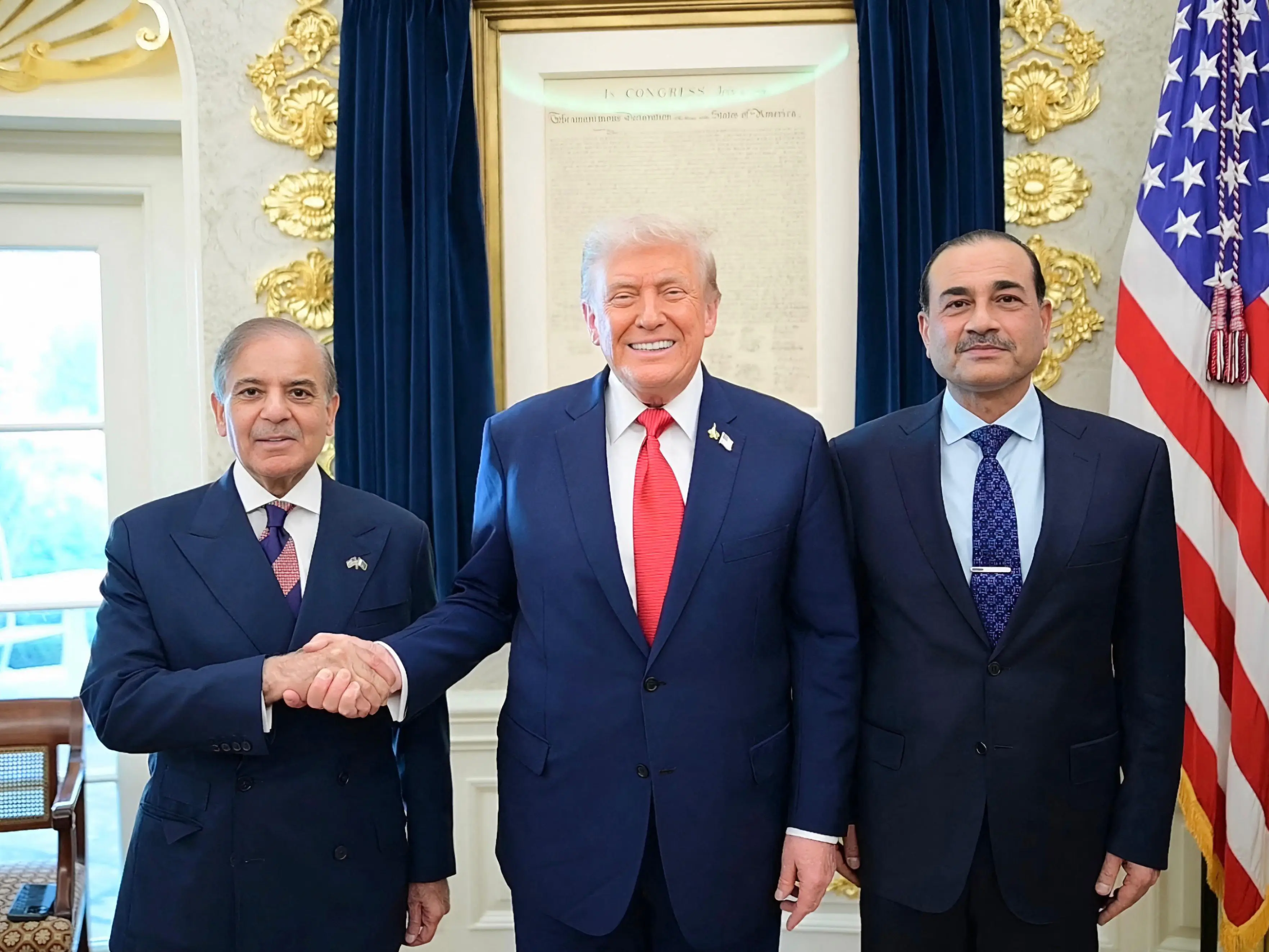
&imwidth=800&imheight=600&format=webp&quality=medium "Pakistan’s 2024 election a military-controlled facade? US lawmakers flag loopholes, cite rising 'authoritarianism'")
A group of 42 influential US lawmakers has written to Secretary of State Marco Rubio to take firm action against what they describe as a growing pattern of "transnational repression" and sweeping human rights abuses in Pakistan. The effort is led by Indian American Congresswoman Pramila Jayapal and Congressman Greg Casar, who say Washington cannot ignore the scale of the crackdown.
Pakistan moving towards authoritarianism
In their letter, dated December 3, the lawmakers argue that Pakistan was moving towards authoritarianism. They say the country's democratic institutions are being systematically dismantled and contend that the United States has both the leverage and the responsibility to hold military leadership in Pakistan accountable. "We urge the Administration to swiftly impose measures, such as visa bans and asset freezes, against officials credibly perpetrating systematic repression, transnational repression, and undermining judicial independence," they wrote.
The letter cites multiple examples from the Pakistani diaspora, including investigative journalist Ahmed Noorani, whose brothers were abducted and beaten in Islamabad after he published reporting on military corruption. His case has been raised by several human rights groups. Another example they cited was of Pakistani American musician Salman Ahmad, who "faced direct intimidation from the military, including threats to his family in both the United States and Pakistan" and threats directed at his family. They pointed out that Ahmad's brother-in-law "was abducted and held without charge until the State Department and FBI intervened."
Also read | Sabrina Carpenter blasts White House after her song 'Juno' pops up in ICE's 'evil and disgusting' video
Trending Stories
&imwidth=180&imheight=135&format=webp&quality=medium)
Blasts heard in Sanaa as Saudi-led coalition warns civilians to evacuate; Houthis vow retaliation
&imwidth=180&imheight=135&format=webp&quality=medium)
China's counter-surveillance industry booms amid heightened espionage fears | Gravitas
&imwidth=180&imheight=135&format=webp&quality=medium)
Saudi Arabia strikes Yemen oil sites as Houthi missiles target Riyadh; 'limited fire' breaks out at Aramco
&im=FitAndFill=(700,400)&imwidth=180&imheight=135&format=webp&quality=medium)
Navratri 2026: 9 days, 9 forms of Goddess Durga and 9 colours- Check the complete list
&imwidth=180&imheight=135&format=webp&quality=medium)
Trump accuses Houthis of driving up oil prices before US midterms, warns of consequences
&imwidth=180&imheight=135&format=webp&quality=medium)
New Delhi rejects Beijing’s claims and remarks on Ladakh location naming exercise
&imwidth=180&imheight=135&format=webp&quality=medium)
Russian woman and Bihar boy's love story goes viral after she reaches India to marry him
&imwidth=180&imheight=135&format=webp&quality=medium)
US Midterms 2026: In Alaska, cost-of-living anxiety meets strangest ballot in high-stakes Senate race
&imwidth=180&imheight=135&format=webp&quality=medium)
CMs Vijay-Naidu meet in Vijayawada, discuss water sharing, river-linking
&imwidth=180&imheight=135&format=webp&quality=medium)
'Don't ever mess with nature!': Trump’s tiger attack post triggers social media backlash as victim's family issues heartbreaking tribute
&imwidth=180&imheight=135&format=webp&quality=medium)
OpenAI employee arrested by FBI after allegedly hiding recording device in office
&imwidth=180&imheight=135&format=webp&quality=medium)
1,500 drones illuminate Mumbai sky as Cordelia Cruises unveils second ship, Cordelia Sky
&imwidth=180&imheight=135&format=webp&quality=medium)
Ranabaali: Vijay Deverakonda, Rashmika Mandanna film gets U/A certificate with zero cuts
&imwidth=180&imheight=135&format=webp&quality=medium)
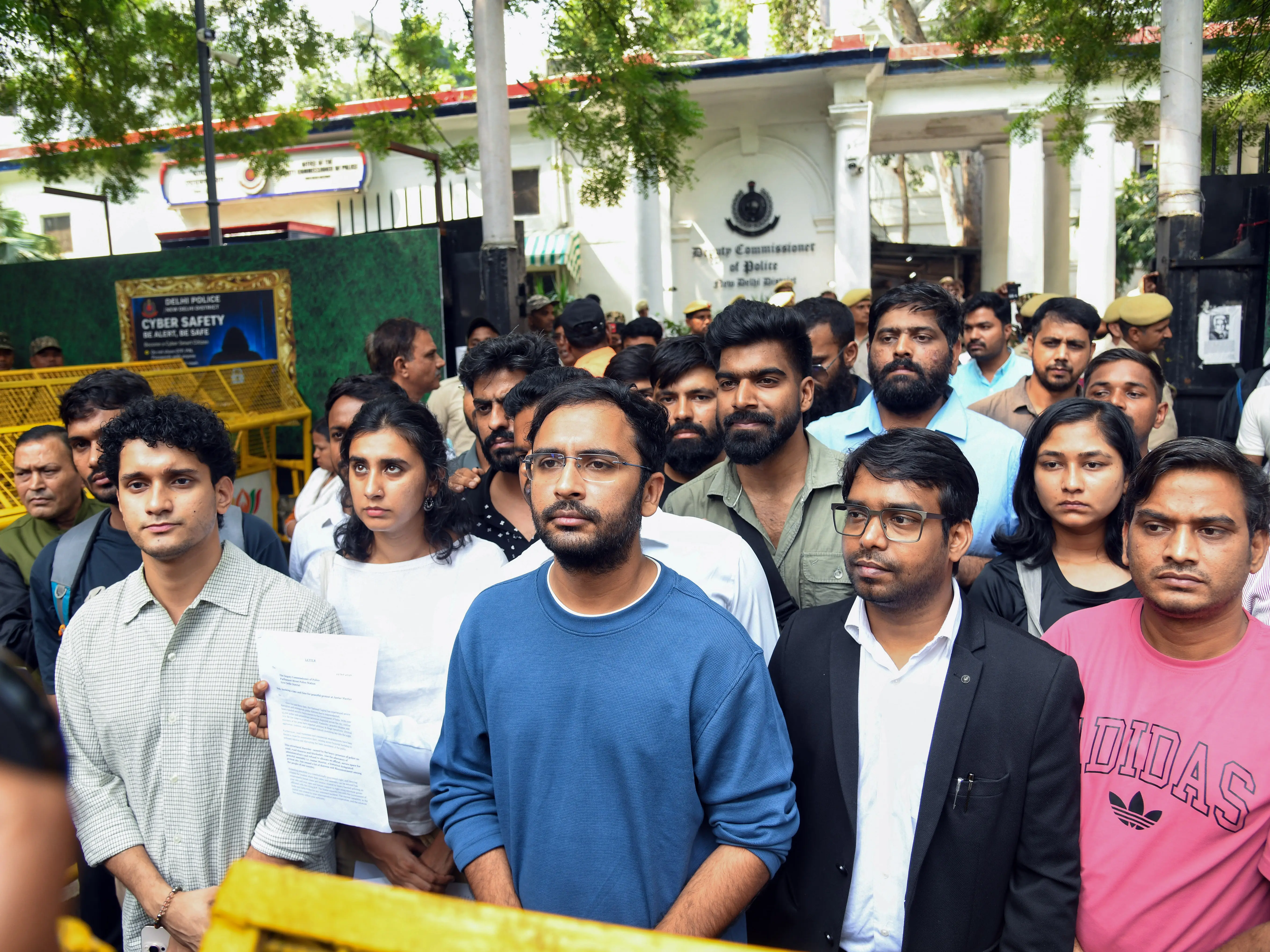
Delhi Police arrest Cockroach Janta Party's Saurav Das, Ashutosh Ranka, Ajinkya Shinde in Jantar Mantar case, to be produced before court
&imwidth=180&imheight=135&format=webp&quality=medium)
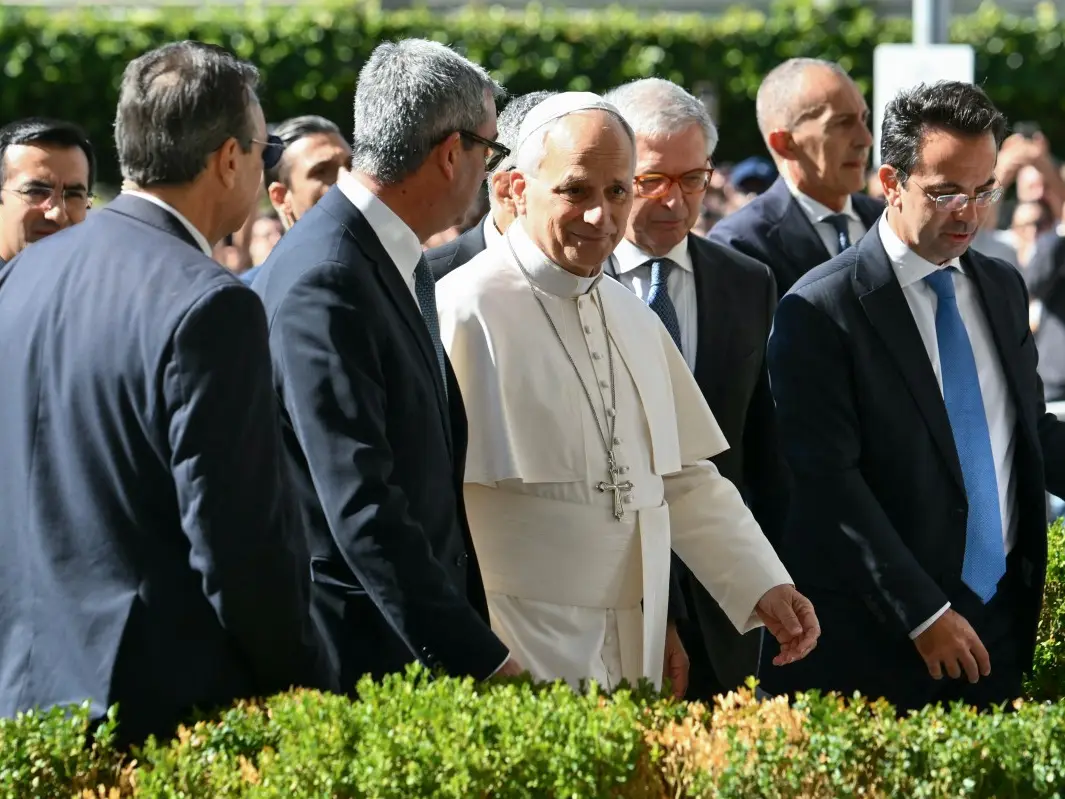
Pope Leo XIV diagnosed with lung cancer after surgery, Vatican says 'successful surgery and recovering'
&imwidth=180&imheight=135&format=webp&quality=medium)
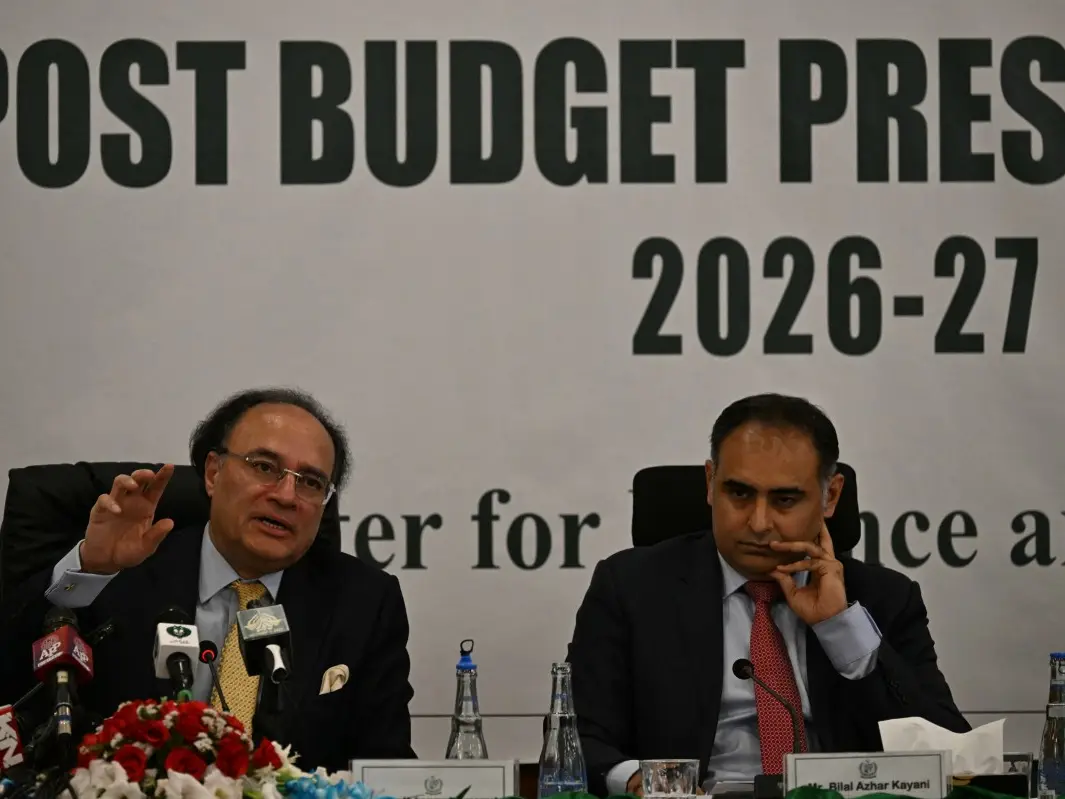
Pakistan to chair UN-backed global Borrowers’ Platform as its own debt burden mounts, triggers sarcastic reactions on social media
&imwidth=180&imheight=135&format=webp&quality=medium)
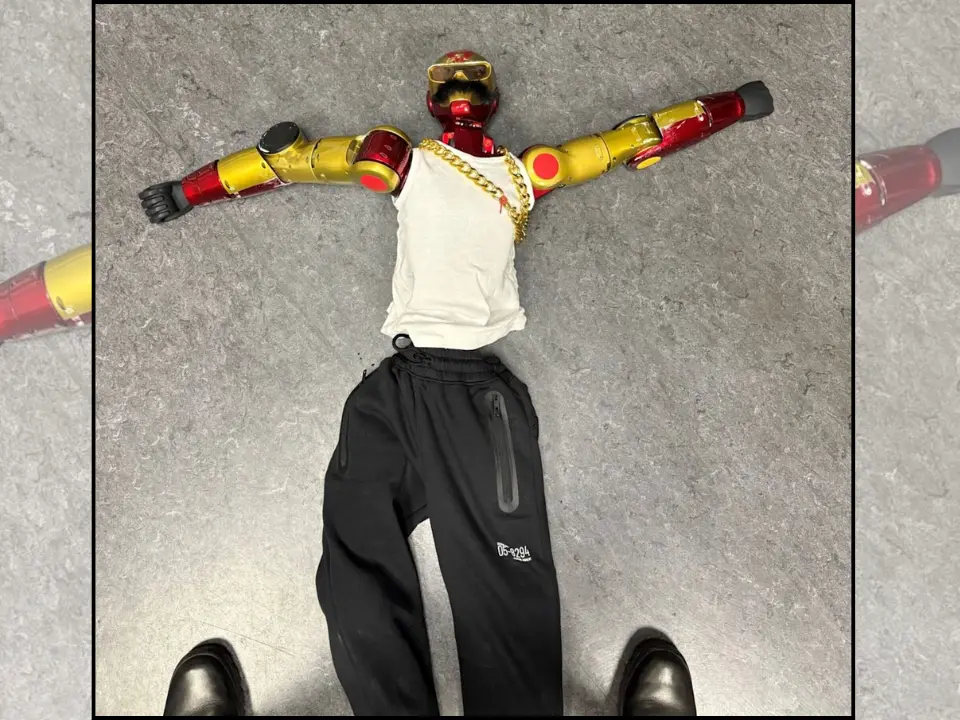
Robot gropes girl, makes thrusting movements in bizarre crime in Germany
&imwidth=180&imheight=135&format=webp&quality=medium)
France accuses Musk of ‘online harassment’ of European leaders, warns of poll interference
&imwidth=180&imheight=135&format=webp&quality=medium)
MI5 chief warns Russia is UK’s ‘aggressor number one’ as Iran and AI threats grow
&imwidth=180&imheight=135&format=webp&quality=medium)
'Turn approver, resign, we'll forgive you': Rahul Gandhi claims receiving messages from CEC Gyanesh Kumar
&imwidth=180&imheight=135&format=webp&quality=medium)
Trump reconsidering calling off Nidal Hasan's execution livestream. Here's why
&imwidth=180&imheight=135&format=webp&quality=medium)
‘My president, I mean my husband’: Trump's new press secretary Katie Zacharia's first briefing goes off the rails in 14 minutes
&imwidth=180&imheight=135&format=webp&quality=medium)
‘How many people did she illegally bring from Somalia?’ Trump targets Ilhan Omar, questions her net worth
&imwidth=180&imheight=135&format=webp&quality=medium)
Marco Rubio to visit India next week, focus on energy cooperation and strategic ties
&imwidth=180&imheight=135&format=webp&quality=medium)
Is the AI chip boom already over? Global semiconductor stocks slide as investors question unbridled spending
&imwidth=180&imheight=135&format=webp&quality=medium)
L Murugan resigns as Union Minister, expresses wish to return to grassroots
&imwidth=180&imheight=135&format=webp&quality=medium)
'Ouch!!! That must hurt': Kangana Ranaut hails Kamal Haasan's sharp reply to Elon Musk over Starlink row
&imwidth=180&imheight=135&format=webp&quality=medium)
Girl 'dead' for 8 hours wakes up at her own funeral, dad insists she wasn't breathing
&imwidth=180&imheight=135&format=webp&quality=medium)
Sidhu Moose Wala’s younger brother wins hearts by recreating late singer’s signature move at Toronto Hologram Show
&imwidth=180&imheight=135&format=webp&quality=medium)
UK school ditches technology, shifts from screen to pen and paper for learning
&im=FitAndFill=(700,400)&imwidth=180&imheight=135&format=webp&quality=medium)
New OTT releases this week (October 12-18, 2026): Sacrifice, Koffee with Karan S9, Roadies Rebirth- 6 titles coming on Netflix, JioHotstar and more
&imwidth=180&imheight=135&format=webp&quality=medium)
Anupam Kher joins Ranbir Kapoor's Ramayana as Jatayu, new poster unveiled
&imwidth=180&imheight=135&format=webp&quality=medium)
Measles kills again: 6 dead in Pennsylvania as America faces its worst outbreak in decades | Gravitas
&imwidth=180&imheight=135&format=webp&quality=medium)
Ken Paxton's Dubai night out with two US fugitives sparks political storm as Texas Senate race tightens
&imwidth=180&imheight=135&format=webp&quality=medium)
Cornell University suspends fraternity parties over 2024 gang rape allegations
"In recent years, US citizens and residents who have spoken out against authoritarian abuses in Pakistan have faced threats, intimidation, and harassment -- often extending to their families in Pakistan."
"These tactics include arbitrary detentions, coercion, and retaliatory violence, targeting diaspora individuals and their relatives. These actions infringe upon the right to freedom of expression (…), further, they set a dangerous precedent for foreign interference on US soil," write the lawmakers.
2024 Pakistan elections: a facade?
The lawmakers warn that repression inside Pakistan has intensified. They point to opposition leaders held for months without charges, journalists forced into hiding or exile, and ordinary citizens arrested for social media posts. Women, religious minorities, and ethnic communities, especially in Balochistan, have also been targeted.
Calling these developments a "calculated campaign to crush civil society and extinguish all challenges to military rule," they argue that the 2024 elections installed "a pliant civilian facade" under military pressure. They also note that Pakistan’s Supreme Court allowed civilians to be tried in military courts, a move they say undermines judicial independence. The letter presses Rubio to consider action under the Global Magnitsky Act and raises questions about the role of Army Chief Asim Munir. The lawmakers also questioned whether President Trump confronted Pakistan's leadership about human rights during meetings earlier this year.

