Russia employs technology to successfully track and isolate potential carriers of COVID-19

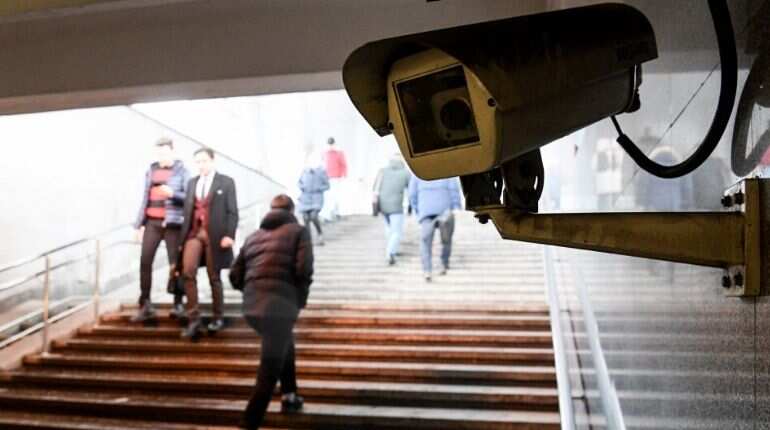
Camera spotted in Moscow
Amid the coronavirus crisis which has now infected over 700,000 people worldwide, Russia is taking a different approach to deal with the pandemic.
Reports suggest that the country, under President Vladimir Putin’s leadership, is pushing the limits of technology based surveillance to limit the spread of COVID-19.
Just last year, Putin had approved plans for a “Russian internet”, which can be firewalled from the rest of the world.
According to CNN, the Russian government is working rigorously on surveillance techniques to contain the pandemic. However, many analysts believe that this is a push for more state involvement in the civil society.
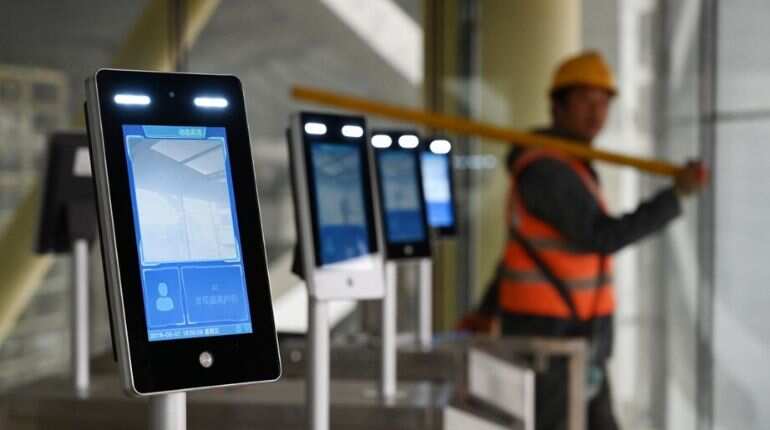
Moscow has come up with a massive facial-recognition system, which has triggered backlash from observers who viewed it as a means to keep citizens in check. Many have filed lawsuits citing unlawful surveillance.
The Russian government has effectively employed the technology to tackle the coronavirus pandemic.
As per official Moscow police data, 200 people who violated quarantine have been caught and fined. This was achieved using a 170,000 facial recognition camera system.
Many media reports indicated that many people had left their homes only for a minute before the camera had identified them.
"We want there to be even more cameras so that that there is no dark corner or side street left," Oleg Baranov, Moscow's police chief, said in a recent briefing.
The police force is planning to add 9,000 cameras to its face recognition arsenal.
Is it working?
Besides quarantine defiers, the tech has also helped in tracking people who may have come in contact with active patients of the virus. Just last month, Russian authorities were able to track a woman who had flown in from China.
Additionally, they were able to track the cab driver of the woman, a friend she had met, with potential contacts over 600 being taken into account.
Russia is also using geolocation to track potential carriers of the virus.
Russia has taken a distinctive approach, with Prime Minister Mikhail Mishustin rolling out a geolocation tracking system.
Based on the data gathered, potential carriers and contact points will be identified, warned, and public health officials will then quarantine them.
Even though such measures would have caused uproar in a normal setting, many analysts believe that a virus like COVID-19 warrants such surveillance.
Using credit cards?
Additionally, Russia is using credit card data alongside data from phones to track potential carriers of the virus. Based on this information, they’re warning people who may have come in contact with the carriers.
This programme has received backlash, and the High Court of Justice has said that the programme might be shut if not needed. However, it is effective, as more than 500 people with infections were tracked and isolated through this mechanism.
Russia is planning to extend this system nationally, for other places in the country have facial recognition systems in place only at airports and railways stations.