&imwidth=800&imheight=600&format=webp&quality=medium "PoK protests escalate: Clashes, 2 deaths, and massive marches across Pakistan-occupied Kashmir")
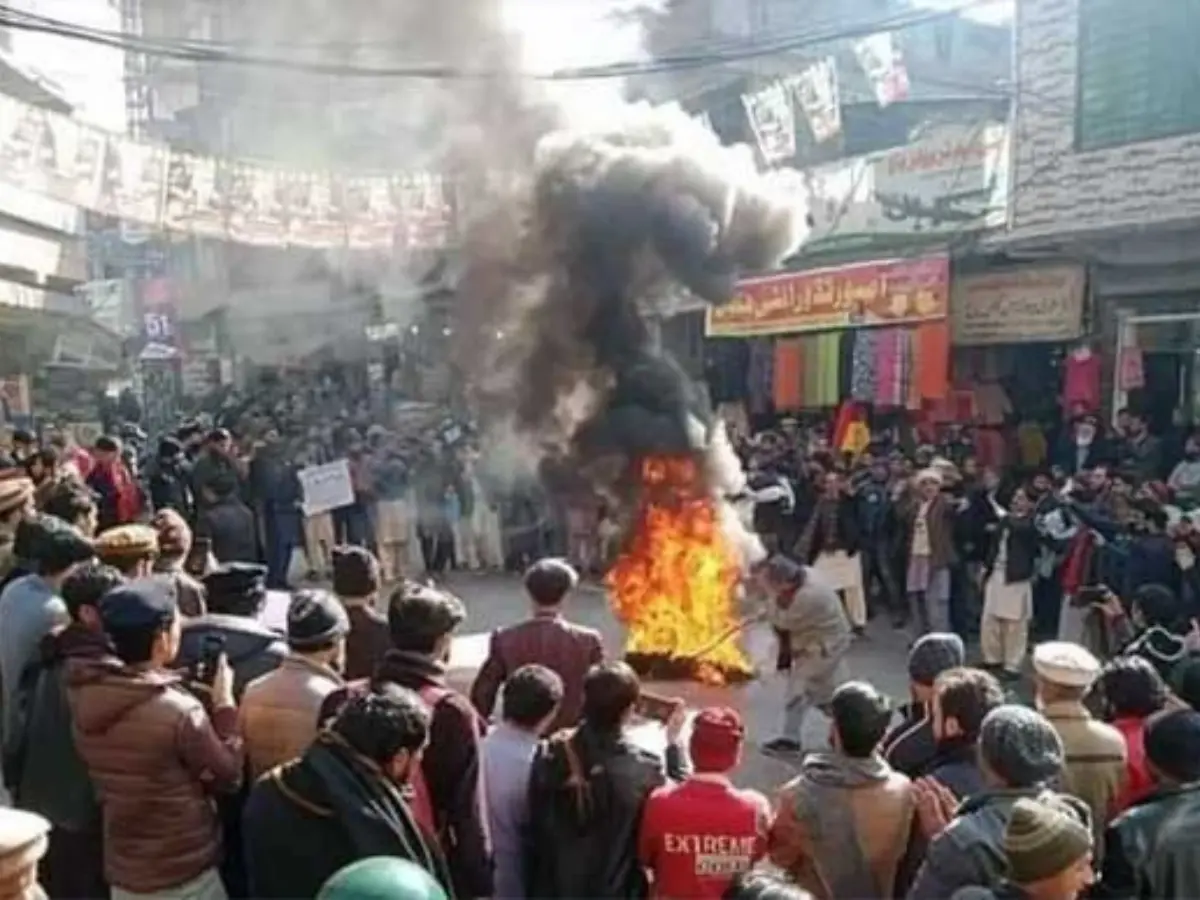
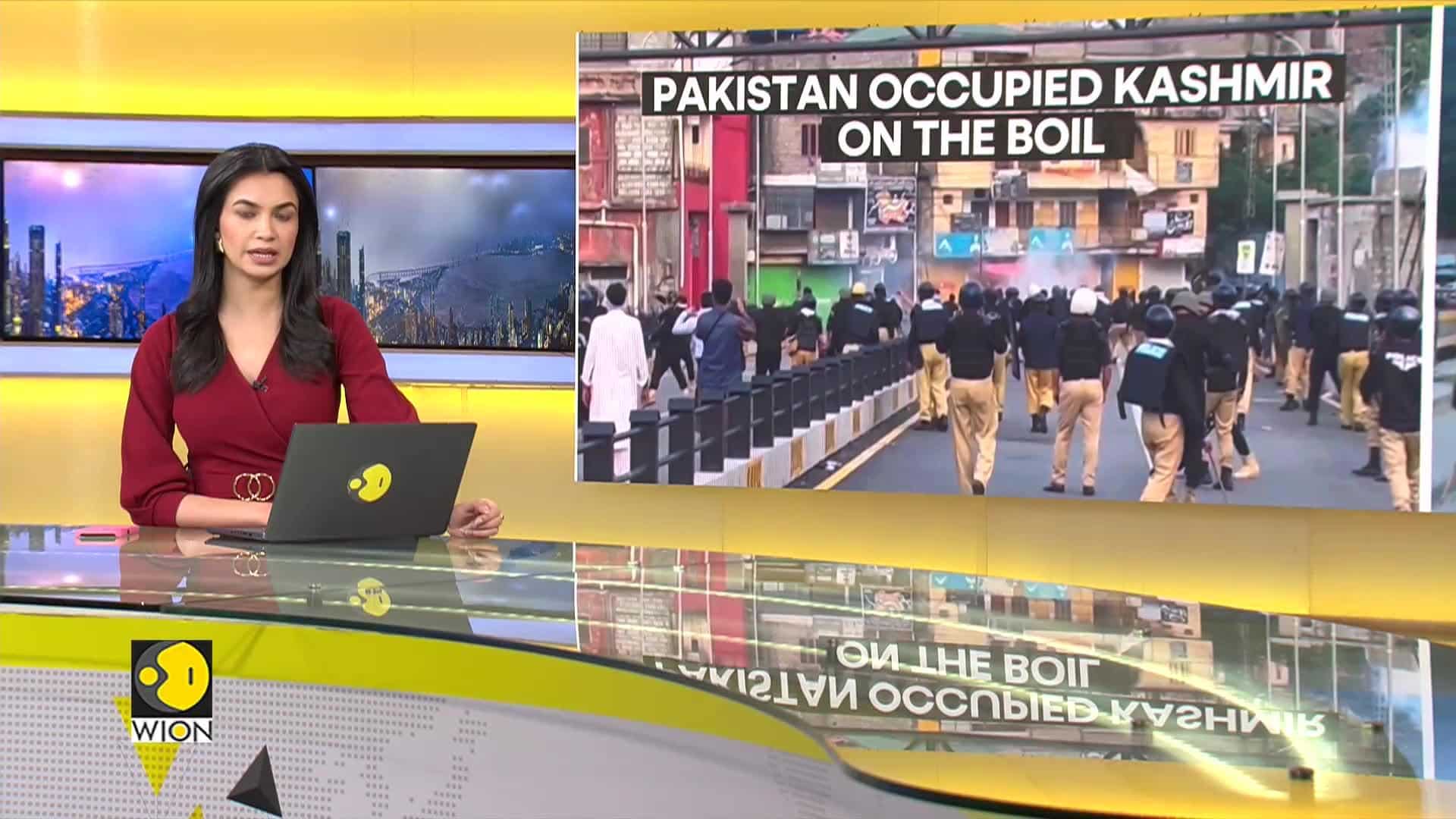
Protests intensified across Pakistan-occupied Kashmir (PoK) with reports emerging of , mobilisation, large gatherings, violent clashes and casualties across multiple districts. There had been reports of two deaths and several other injuries. Mobile and internet services remained patchy and discontinued. There had been a call for march towards Muzaffarabad on October 1.
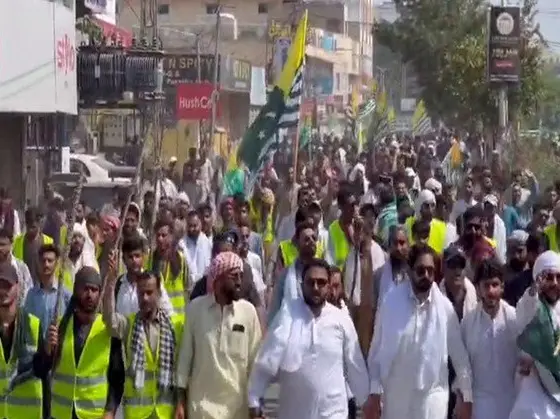
Security forces blocked the convoy of the Jammu & Kashmir Awami Action Committee (JKAAC), marching from Rawalakot and Mirpur. Authorities used containers to halt progress, and protesters removed the barriers and pressed ahead towards Muzaffarabad.
There were reports of an open fire at the Lal Chowk in Muzaffarabad, resulting in the death of two and dozens of injuries. The JKAAC has demanded immediate restoration of the mobile services and threatened to dismantle communication towers. Violent clashes were also reported in Bagh, where protestors allegedly detained personnel of the Punjab police.

In Rawalkot, thousands of protestors have emerged raising slogans over ownership of local resources and Kashmiri rights, reflecting frustration with Pakistan’s policies. This is a contrasting picture, as once a hub of the anti-India activity, now showing signs of dissent against the Pakistani establishment.
Why are these protests paradoxical?
At the outset, these protest seems like anti-establishment protests; yet they are not rejecting or questioning the legitimacy of the state apparatus, unlike the Kashmiri separatist movements in India. Instead, the disputed territory is seeking representation, political integration, and social welfare benefits. This creates a paradox: “We want better integration with Pakistan, but we are fighting Pakistan’s establishment to get it.” It challenges the decade-long narrative of Islamabad of contentment, painting PoK as the picture of 'freedom and loyalty'. The protest can both strengthen and weaken integration. If Islamabad offers concessions, they can result in deeper integration; if the crackdown is brutal, like shooting at Muzaffarabad, it has the potential to turn a rights protest into a secessionist cause.