More than 100 US troops diagnosed with brain injuries from Iran missile attack

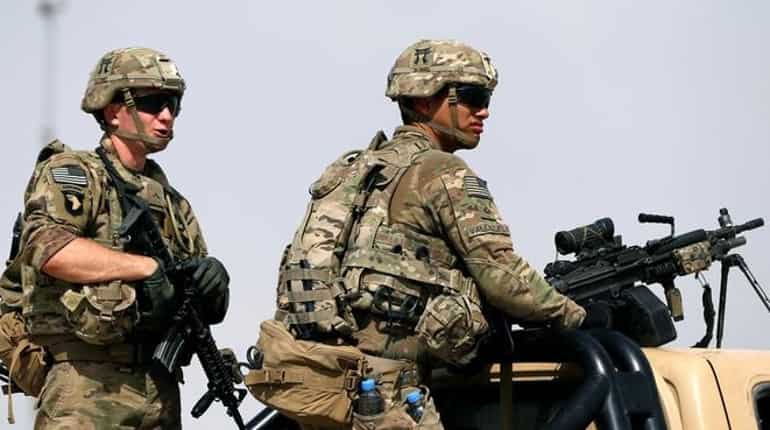
US troops
TheUSmilitary on Monday disclosed amorethan50 per centjump in cases of traumaticbraininjury stemmingfromIran's missileattackon a base in Iraq last month, with the number of service membersdiagnosedclimbing to over100.
NoUStroopswere killed or faced immediate bodily injury whenIranfired missiles at the Ain al-Asad base in Iraq in retaliation for theUSkilling of Revolutionary Guard General Qassem Soleimani in a drone strike at the Baghdad airport on January3.
The missileattacks capped a spiral of violence that had started in late December. Both sides have refrainedfromfurther military escalation, but the mounting number ofUScasualties could increase scrutiny on the Trump administration's approach toIran.
Reuters was first to report earlier on Monday that there were over100cases of TBI, upfromthe 64 previously reported last month.
The Pentagon, in a statement, confirmed that so far 109USservice members had beendiagnosedwith mild traumaticbraininjury. It added that 76 of them had returned to duty.
TheUSmilitary in the past had said to expect an increase in numbers in the weeks after theattackbecause symptoms can take time to manifest andtroopscan sometimes take longer to report them.
Army General Mark Milley, chairman of the Joint Chiefs of Staff, said last month that the service members sufferingfromtraumaticbraininjurieshad beendiagnosedwith mild cases. He added that the diagnosis could change as time passed.
Symptoms of concussiveinjuriesinclude headaches, dizziness, sensitivity to light and nausea.
Pentagon officials have repeatedly said there has been no effort to minimize or delay information on concussiveinjuries. But the disclosures following Tehran'sattackhave renewed questions over theUSmilitary's policy regarding how it internally reports suspectedbraininjuriesand whether they are treated publicly with the same urgency as loss of limb or life.
USRepublican Senator Joni Ernst saidmoreanswers were needed.
"I've called on the Pentagon to ensure the safety & care of our deployed forces who may be exposed to blastinjuriesin Iraq," Ernst said on Twitter.
USPresident Donald Trump appeared to play down thebraininjurieslast month, saying he "heard that they had headaches and a couple of other things" following theattack, prompting criticismfromlawmakers and aUSveterans group.
Various health and medical groupsfor years have been trying to raise awareness about the seriousness ofbraininjuries, including concussions.
Since 2000, about 408,000 service members have beendiagnosedwith traumaticbraininjury, according to Pentagon data.