Japan floods: Scientists warn climate change may cause erratic rain patterns worldwide

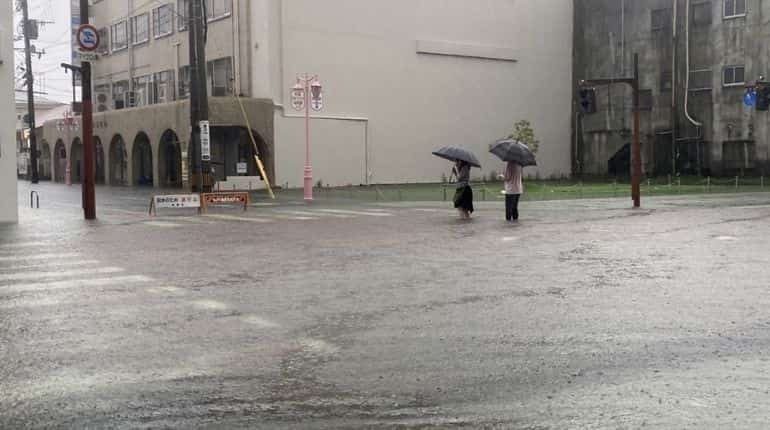
Pedestrians wade through a flooded street in Saga city on August 14, 2021, as torrential rain triggered floods and landslides in western Japan.
Japan braces for further downpours as rescuers sort through landslide and flood damage following record rainfall that killed at least six people,
In the Southwest, residents are returning to check on their mud-covered homes after dozens of rivers overflowed, forcing nearly two million to seek refuge.
Recent rainfall levels have been termed "unprecedented" by the Japan Meteorological Agency.
Scientists warn that in Japan and elsewhere, climate change increases the chance of heavy rains owing to a warmer atmosphere that holds more water.
The town of Ureshino, located in Saga prefecture, experienced about one metre (three feet) of rain during just four days. In the entire year 2020, the same town had 3.3 meters of rain, and in the year 2019, it had 2.3 metres.
There were fewer showers on Sunday in the hardest-hit region, with weather alerts downgradedfrom the top level, but more rain was predicted to fall late Sunday night.
"It is still possible that extreme, severe rain will continue in many areas across the nation," Prime Minister Yoshihide Suga said at an emergency cabinet meeting.
"Because it has been raining so much, ground soil in many areas is becoming looser, and large-scale disasters could happen at any time," he said, advising residents to exercise caution and stay in shelters.
Landslide warnings have been issued in 372 municipalities across Japan after 44 were detected, a quarter of them in Nagasaki,the land ministry said.
Last month, heavy rains triggered a devastating wave of landslides in the central resort town of Atami, killing 23 people. Four more are unaccounted for.
There were more than 200 fatalities from floods and landslides in western Japan during the annual rainy season of 2018.
(With inputs from agencies)