
&imwidth=800&imheight=600&format=webp&quality=medium "Iran's Araghchi says Switzerland talks delivered 'major progress' on sanctions, oil exports")
The first round of US-Iran talks in Switzerland on ending the Middle East war has concluded, said mediators Pakistan and Qatar in a joint statement on Monday (Jun 22). The vital talks concluded with cautious optimism, as negotiators agreed on a framework to keep discussions moving and laid out a roadmap aimed at reaching a broader agreement within the next 60 days. The discussions, held at the Lake Lucerne Summit, were described by mediators as "constructive" and "positive", despite weeks of tensions across the Middle East and lingering disagreements over key issues.
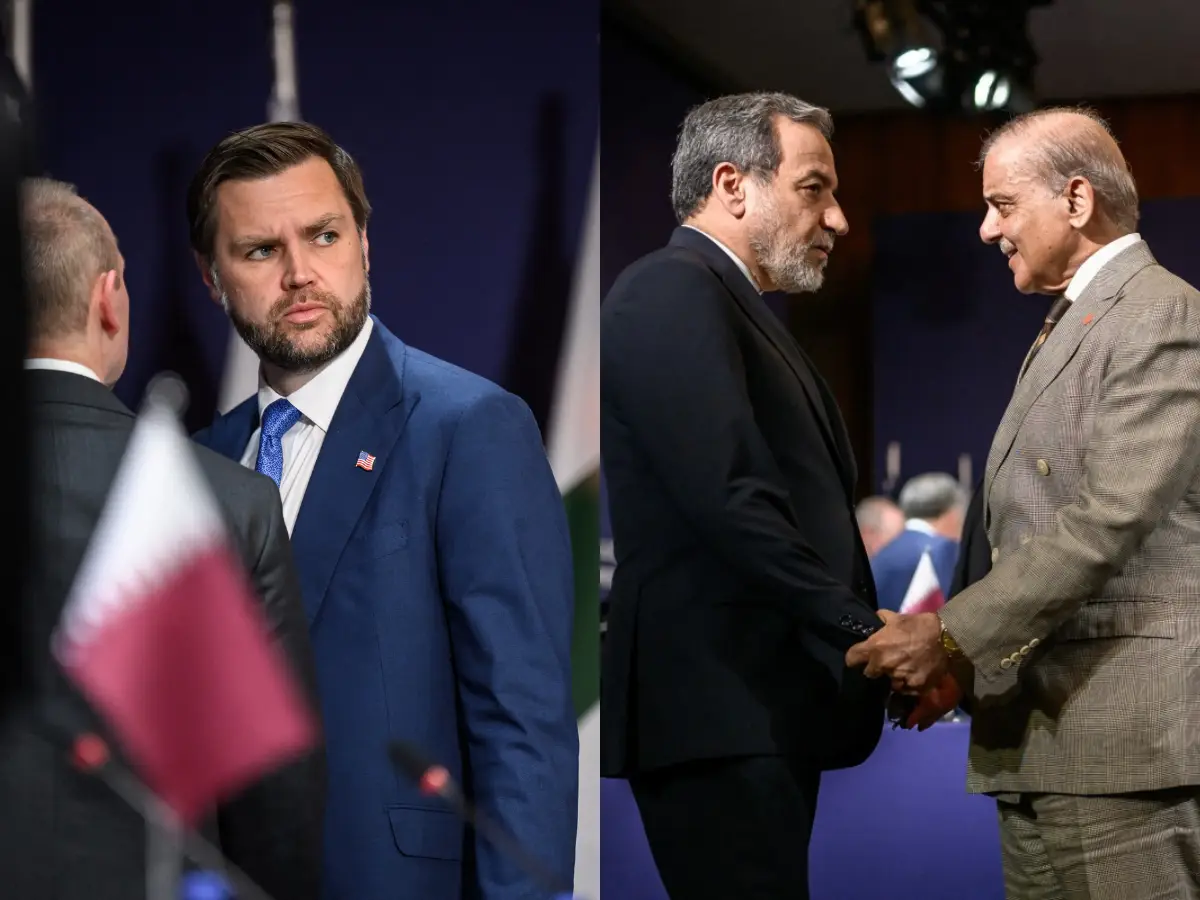
According to Iran's Foreign Minister Seyed Abbas Araghchi, "major progress" was achieved. He said the developments include waivers for Iranian oil and petrochemical exports.
Also read | US-Iran peace deal: Inside the 14-point MoU that ended over 108 days of war | WION Decodes

Major breakthroughs achieved
In a post on X, Araghchi said that "tireless" mediation of Qatar and Pakistan "has delivered major progress to end Lebanon War". According to him, restrictions on Iran's oil and petrochemical exports would be eased, the blockade affecting Iranian trade routes would be lifted, a portion of the country's frozen assets would be released, and a large-scale reconstruction and development programme would be launched for Iran.
Additionally, as per the joint statement posted on X by the Qatar Ministry of Foreign Affairs, the warring nations have agreed on the creation of a new High-Level Committee that will provide political oversight for the negotiations.
The committee will receive regular updates from chief negotiators and supervise a series of working groups tasked with tackling some of the most sensitive aspects of the talks, it said.
Those groups will focus on nuclear-related matters, sanctions relief, and the establishment of monitoring and dispute-resolution mechanisms designed to ensure both sides adhere to commitments already outlined in the memorandum of understanding (MoU).
Disclaimer: WION takes utmost care to accurately and responsibly report ongoing conflicts in West Asia involving Israel, Iran, US, Gulf nations and non-state actors like Hezbollah, Hamas, Houthis, Islamic State, and others. Claims and counterclaims, disinformation and misinformation are being made online and offline. Given this context, WION cannot independently verify the authenticity of all statements, social media posts, photos and videos.

