Explained | Honouring all who served, the evolution from Armistice Day to Veterans Day in US

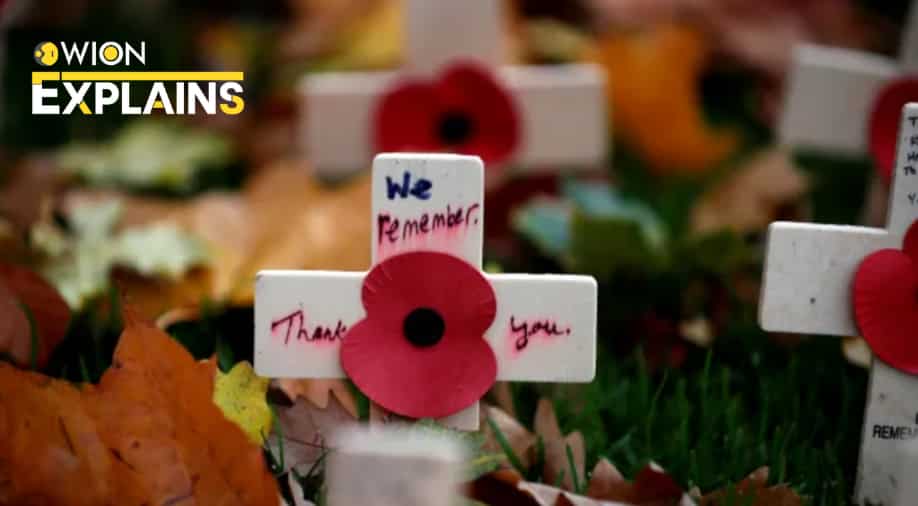
Commemorative crosses and poppies are seen at the Field of Remembrance in Saltwell Park in Gateshead
This Armistice Day has coincided with a period marked by two major conflicts — the Russia-Ukraine war and the Israel-Hamas war. Both conflicts have resulted in a substantial loss of lives, with civilians, including children and women, tragically among the casualties.
Originally instituted to mark the end of World War I, this day has evolved into a symbol of remembrance and gratitude for the sacrifices made by countless men and women in the name of peace.
WION in this explainer will elaborate on the evolution of Armistice day into Veterans Day.

Armistice Day, which initially marked the end of World War I, evolved into Veterans Day in the United States to honour all military veterans. The transformation is a broader recognition of the contributions of veterans from various conflicts.
Also Read |Pope Francis dismisses prominent US conservative bishop who was also his fierce critic
On November 11, 1918, the Allies and Germany signed an armistice,ending the hostilities emanating from World War I. However, the formal conclusion of World War I came with the signing of the Treaty of Versailles on June 28, 1919.
)
What’s in a name? Trump’s 'Lake America' move gets a tit-for-tat response from Canada
)
US judge questions Trump’s decision to ban CNN, MS NOW and Politico from White House
)
Trump and Xi Jinping: Timeline of key meetings and major agreements
)
Italy hit by floods in the north, drought in the south
)
'We would all be dead': Netanyahu defends decision to strike Iran's nuclear facilities in his UN speech
)
Mumbai Indians appoint Luke Williams as head coach for Women’s Premier League
)
'There will be elections': Venezuela's interim leader Delcy Rodriguez makes big announcement at UN
)
IIT Bombay CCTV footage emerges: Sahil Wakode seen looking at phone in examination hall
)
Welcome actor Mushtaq Khan dies at 56 after battling cancer
)
Shah Rukh Khan is India's richest actor, Amitabh Bachchan is second: Hurun List 2026
)
WION Iconic Tourism Summit 2026: Union Minister Shekhawat on 'experiential travel', peace diplomacy
)
250-pound WWII bomb found in Falmouth harbour in England
)
Property registration becomes faster, convenient as model sub-registrar offices open in Maharashtra
)
'AI got into my speech': Prince Harry jokes after teleprompter failure at event in New York
)
Scientists detect first radio signals directly from faraway planet
)
What’s on the menu? Inside Trump’s lavish White House state dinner for Xi
)
China to test supersonic jet that moves at Mach 2, double the speed of sound
)
Xi Jinping's 'special plane' vs Trump's Air Force One: What's the difference?
)
Forget the smartphone: This tiny gadget could be Meta’s answer to the post-smartphone era
)
Hours before Xi-Trump meeting, US announces visa curbs targeting birth tourism: What is it?
)
'Partners rather than rivals': Xi Jinping's first message after landing in US for Trump summit
)
WION Iconic Tourism Summit: Is India's travel boom outrunning its airports, airlines and hotels?
)
2,000-foot tube, laser tests and more: China builds towns to expand nuclear arsenal, satellite images show
)
Meet Adrian Abraham: 9-year-old Indian-origin guitar prodigy aiming for a Guinness World Record
)
Winter coat, gloves in September? Trump’s Xi welcome sparks social media buzz
)
Trump-Xi state dinner 2026: Who is invited? Full guest list of tech CEOs, business leaders and officials
)
Who is Peng Liyuan? Xi Jinping's singer wife and China's most visible First Lady
)
Australian PM Anthony Albanese calls OpenAI AI incident 'unacceptable' after restricted data access
)
'What kind of confession is this?': Pakistan PM Shehbaz Sharif’s 'terrorists would be roaming New York' remark goes viral, raises alarm online. Watch
&im=FitAndFill=(700,400))
Netanyahu at UN: Mass walkout, attack on Mamdani and Iran threats | In Pics
)
Russia likely to target Spain, France and Italy in drone attacks, warns CIA: Report
)
WION Iconic Tourism Summit: How local tourism MSMEs must upskill for AI integration
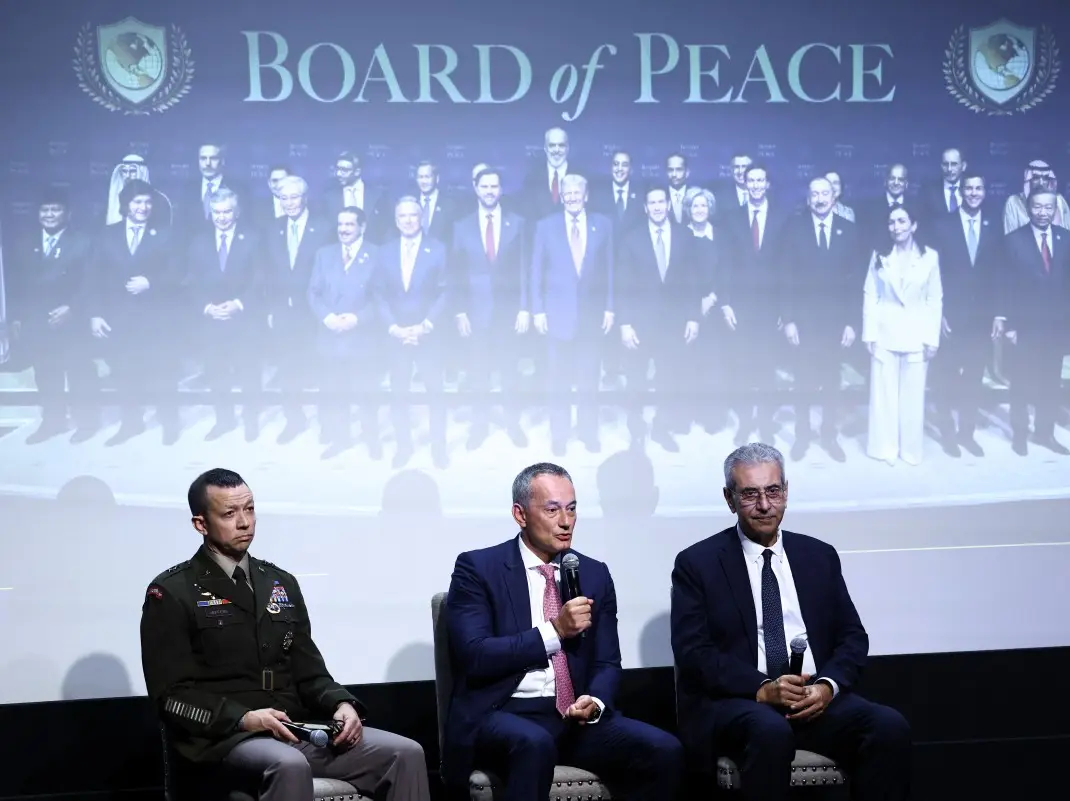)
Trump’s Board of Peace unveils $2.45bn Gaza plan,66 projects: But where’s the money?
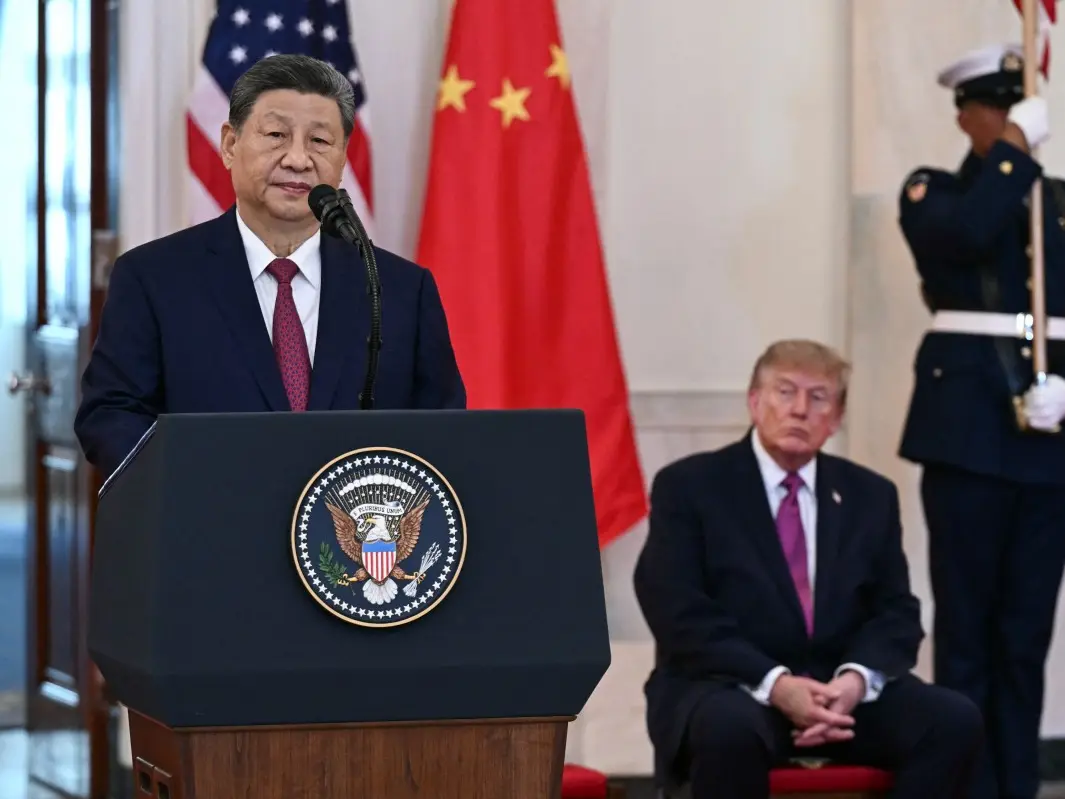)
‘Both will lose in confrontation’: Xi says US and China should ‘coexist in peace’
)
For the first time, the UN Security Council sat US and Chinese AI makers at the same table
)
EC appointment law: Why is the 2023 act controversial, and what happens next? WION explains
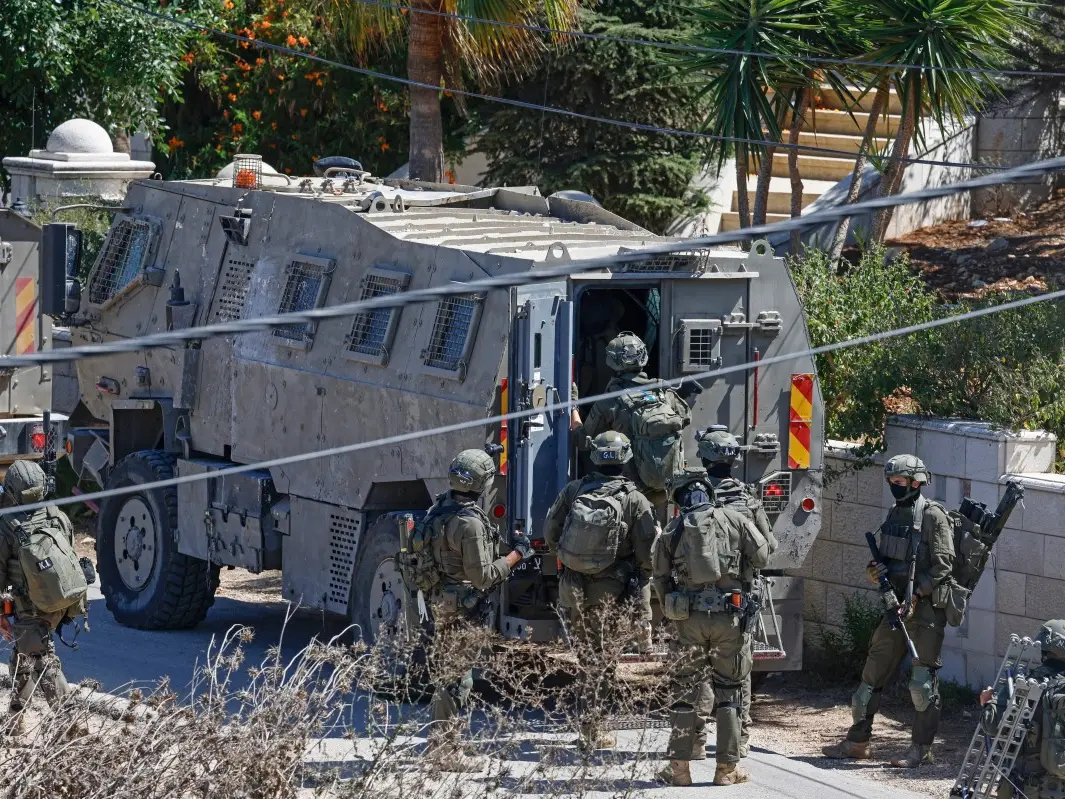)
Israeli envoy to US Yechiel Leiter’s son critically injured in West Bank ramming attack
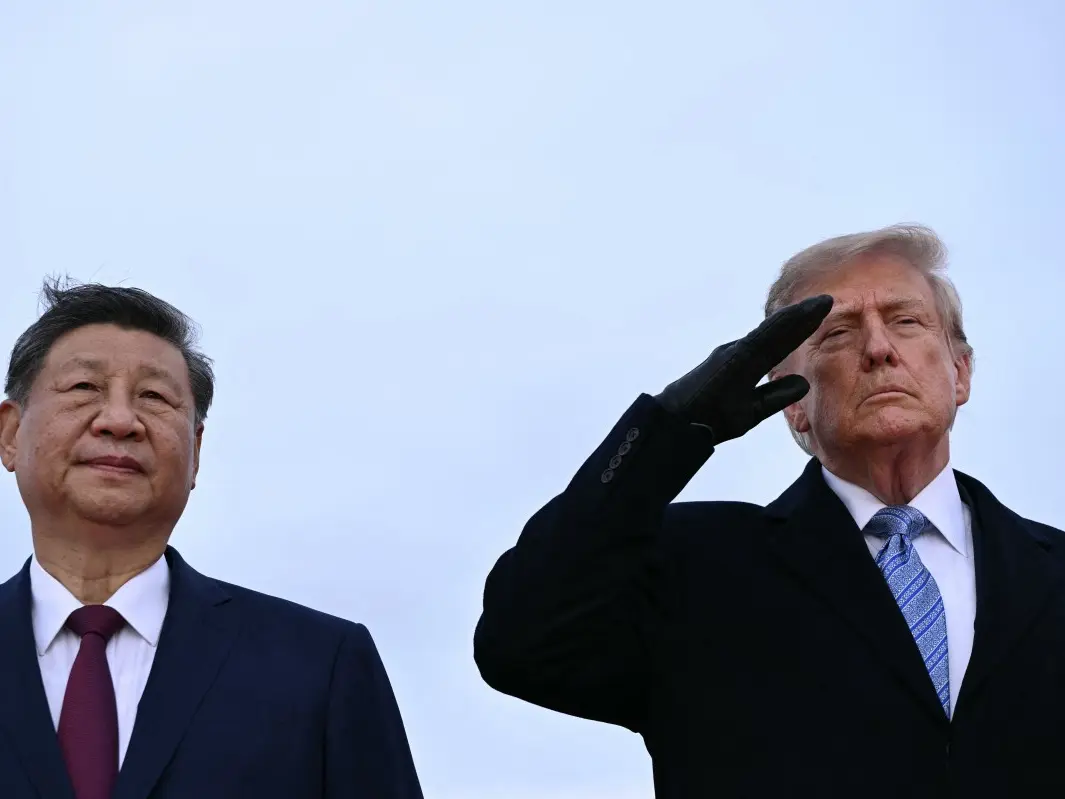)
WATCH | China President Xi Jinping lands in US as Trump greets him ahead of high-stakes summit
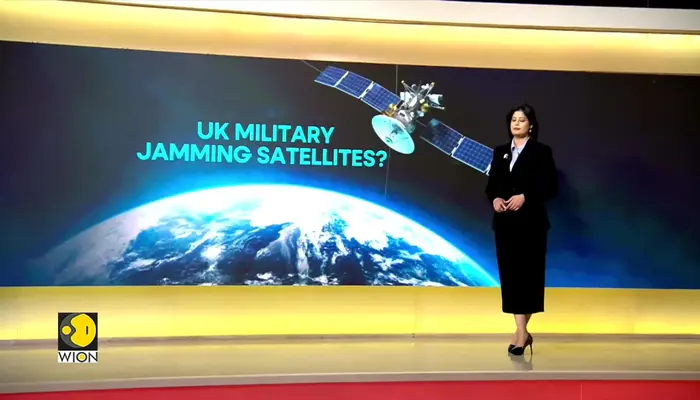)
Report: UK using ground-based system to jam hostile satellites
The war reportedly claimed the lives of more than 15 million people. King George V of England in 1919 proclaimed this date as Armistice Day. As the armistice took effect on the eleventh hour of the eleventh day of the eleventh month in 1918, the commemorative day was marked by two minutes of silence at 11 am.
In 1919, President Woodrow Wilson, in a special message to the nation, said,"With splendid forgetfulness of mere personal concerns, we remodeled our industries, concentrated our financial resources, increased our agricultural output, and assembled a great army, so that at the last our power was a decisive factor in the victory. … Out of this victory, there arose new possibilities of political freedom and economic concert. The war showed us the strength of great nations acting together for high purposes."
A transformation
It wasn't until the 1950s that the nature of the commemoration underwent a significant transformation.
Alvin J. King of Emporia, Kansas, proposed changing the name of Armistice Day to Veterans Day in 1953. He was seeking to broaden its scope to honour veterans from all wars and conflicts.
Also Read |'Gaza not an arena for words, should be for action,' says Iranian President Ebrahim Raisi
This proposal carried personal significance for King, as his stepson, John Cooper, whom he had raised, lost his life in combat during World War II.
In recognition of his efforts, a congressional resolution in 2003 acknowledged King's role in initiating the change, noting the grassroots celebration of the renamed holiday in Emporia.
The efforts of Alvin J. King received vital support from Representative Edward H. Rees from Emporia.
Subsequently, President Dwight D. Eisenhower officially changed Armistice Day to Veterans Day in 1954. He pointed out at the broader significance of honouring all veterans, not just those of World War I.
Watch |Israel-Palestine war: UN Special Rapporteur calls humanitarian pause 'cruel'
However, in 1968, a law moved the observance of Veterans Day to the fourth Monday in October, seeking to provide a consistent three-day weekend for federal employees.
Yet, this change faced public opposition, and in 1975, President Gerald Ford signed a law returning the holiday to its original date, November 11.
This adjustment became effective in 1978, solidifying November 11 as Veterans Day.
It's crucial to distinguish Veterans Day from Memorial Day, observed on the last Monday in May.
While Veterans Day honours all veterans, Memorial Day specifically pays tribute to those who sacrificed their lives for the United States.
Ceremonies overshadowed by protests this year
The tradition of honouring veterans on November 11 isn't unique to the United States. British Commonwealth nations and various European countries mark the armistice anniversary with ceremonies.
In London, a National Service of Remembrance is held at the Cenotaph, a war memorial, and the wearing of red poppies symbolises support for the armed forces. However, this year, against the backdrop of Israel-Hamas war, there are pro-Palestine protests and counter-protests which have erupted onArmistice day.
Palestine supporters gathered near the Cenotaph on Whitehall holding marches. There is a huge condemnation for UK's now-sacked home secretary Suella Braverman for calling the demonstrations "hate marches".
Segments of the crowd forcibly breached metal gates to approach the Cenotaph. Many counter-protesters are also also brandishing Israeli flags.
Braverman, after being fired by Sunak accused the British PM of "equivocation, disregard and a lack of interest" over several policies. She mentioned policies pertaining to immigration and the teaching of gender in schools."You have manifestly and repeatedly failed to deliver on every single one of these key policies," she wrote and added,"Either your distinctive style of government means you are incapable of doing so. Or, as I must surely conclude now, you never had any intention of keeping your promises."
(With inputs from agencies)