

&imwidth=800&imheight=600&format=webp&quality=medium "48 million barrels of cheap crude stranded at sea as US sanctions on Russian oil kicks in. How India will be hit")
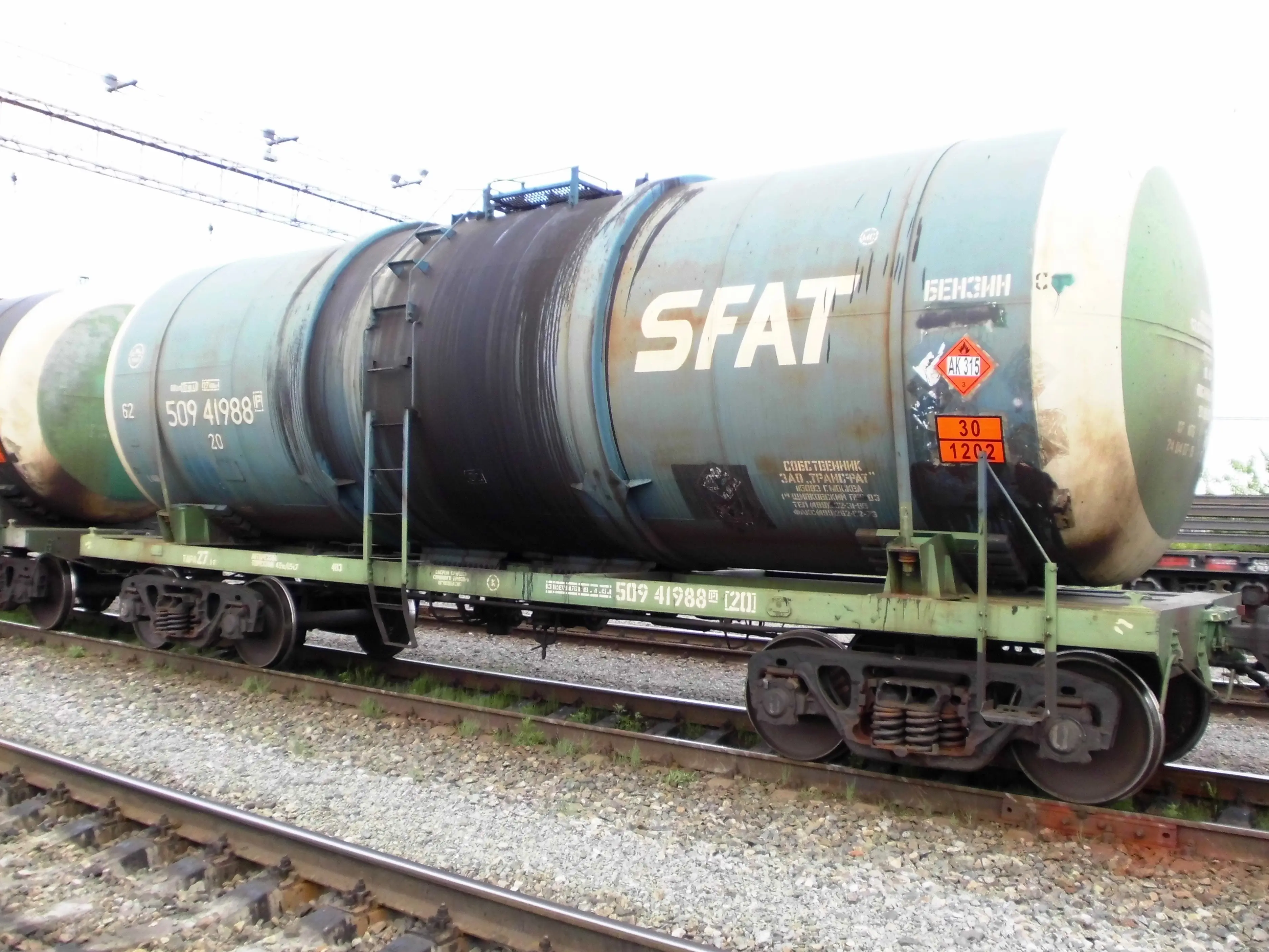
An estimated 48 million barrels of cheap crude – many originally headed to India or China – are stranded at sea as US sanctions on Russian oil linked to the Ukraine war take effect, reports said on Friday (Nov 21). The move will affect India, one of the key buyers of Russian crude. Here is why it matters.
US sanctions Russia’s biggest oil producers
The US sanctions on Rosneft and Lukoil took effect on Friday. These two Russian giants account for between 50 and 70 per cent of Russia’s seaborne crude exports, amounting to roughly 2.2 million barrels per day (bpd). The sanctions include full blocking, freezing US-linked assets of these companies, and barring transactions with US-linked firms. Global buyers such as India and China face secondary sanctions if they continue collecting these cargoes after the wind-down deadline.
Stranded cargoes, the immediate fallout visible at sea
According to analytics firm Kpler, nearly 48 million barrels of Rosneft and Lukoil crude across around 50 tankers are now loaded, in transit, or delayed, Bloomberg reported. This equals almost two weeks of exports from the sanctioned firms. The oil is stranded in regions ranging from the Baltic and Black Sea to the Pacific. Many ports and refiners have refused to unload the cargoes after the sanctions deadline passed. Possible outcomes now include rerouting, ship-to-ship transfers, or extended floating storage.
Trending Stories
&imwidth=180&imheight=135&format=webp&quality=medium)
Punjab CM Bhagwant Mann allegedly detained for three hours at Delhi airport, fined ₹50,000: AAP
&imwidth=180&imheight=135&format=webp&quality=medium)
France protests: 'Block everything' movement escalates as public fury over austerity grows; over 200 arrested. Here's all you to need to know
&imwidth=180&imheight=135&format=webp&quality=medium)
Far-left parties, global networks among 54 groups linked to France protests, only 16 are youth outfits: Report
&imwidth=180&imheight=135&format=webp&quality=medium)
After France unrest, Italy tightens security amid violent protests in Milan
&imwidth=180&imheight=135&format=webp&quality=medium)
US midterms 2026: Red seats once deemed safe now appear shaky as Republicans spend big on ads
&imwidth=180&imheight=135&format=webp&quality=medium)
Musk ordered Starlink restrictions that caught Ukraine off guard amid escalating tensions: Report
&imwidth=180&imheight=135&format=webp&quality=medium)
Boeing 737 MAX10 gets FAA certification, deliveries expected to begin in 2027
&imwidth=180&imheight=135&format=webp&quality=medium)
Trump says he wants Zelensky to 'make a deal' with Russia, asks Putin to release American prisoner Stephen Hubbard
&imwidth=180&imheight=135&format=webp&quality=medium)
Rubio asks India to raise purchases of US energy, tech for security, prosperity
&imwidth=180&imheight=135&format=webp&quality=medium)
Man marries off wife of 17 years to her lover in Uttar Pradesh
&imwidth=180&imheight=135&format=webp&quality=medium)
'What's wrong with you? Are you a sick person?': Trump at it again as he snaps at reporters, faces backlash
&imwidth=180&imheight=135&format=webp&quality=medium)
Ramayana advance booking: Ranbir Kapoor, Yash's film cross $500K ahead of Diwali release
&imwidth=180&imheight=135&format=webp&quality=medium)
Iran rejects US talks until demands are met, rules out moving enriched uranium out of the country
&imwidth=180&imheight=135&format=webp&quality=medium)
Over 100 US lawmakers urge FBI to probe foiled Hindu temple shooting as hate crime
&imwidth=180&imheight=135&format=webp&quality=medium)
PAK vs ENG: Arafat Minhas, Hasan Nawaz shine as Pakistan beat England by 87 runs
&im=FitAndFill=(700,400)&imwidth=180&imheight=135&format=webp&quality=medium)
What is the real meaning behind Pete Hegseth's tattoos?
&imwidth=180&imheight=135&format=webp&quality=medium)
WATCH | Albania protesters set Supreme Court on fire as anti-Rama riots escalate
&imwidth=180&imheight=135&format=webp&quality=medium)
Feds obtain DNA evidence that could prove Ilhan Omar married her brother: Report
&imwidth=180&imheight=135&format=webp&quality=medium)
RAF Fairford security scare: UK re-arrests two men over suspected Iran links
&imwidth=180&imheight=135&format=webp&quality=medium)
US midterms 2026: With Republicans spending big, Bloomberg opens his wallet for Democrats. Here's how much he is pouring
&imwidth=180&imheight=135&format=webp&quality=medium)
India calls for formal migration agreement with Cyprus to protect Indian workers, students
&im=FitAndFill=(700,400)&imwidth=180&imheight=135&format=webp&quality=medium)
Priyanka Chopra to Shilpa Shetty: 6 Bollywood actresses and their fitness secrets
&imwidth=180&imheight=135&format=webp&quality=medium)
Elon Musk will give away one SpaceX share to each American child. That comes to $10.5bn
&imwidth=180&imheight=135&format=webp&quality=medium)
Iranian woman, 23, handed death sentence for ‘blasphemy’ in social media post; appeals for help
&imwidth=180&imheight=135&format=webp&quality=medium)
Dandiya Nite ’26: Indian High Commissioner hails diaspora as bridge between India and Nigeria
&imwidth=180&imheight=135&format=webp&quality=medium)
Tiger Shroff firing incident: Four arrested in arms supply probe, two women allegedly sent weapons to Mumbai
&imwidth=180&imheight=135&format=webp&quality=medium)
'They are not even telling us' - Mysterious metallic object discovered in Minnesota field
&imwidth=180&imheight=135&format=webp&quality=medium)
Pujara says 'Samson and Vaibhav cannot be in Playing XI' for India on NZ tour
&imwidth=180&imheight=135&format=webp&quality=medium)
Asian Para Games 2026: India adds 24 medals on Day 2, remains sixth in standings
&imwidth=180&imheight=135&format=webp&quality=medium)
Shastri backs Shami comeback; lauds Bhuvi and warns Bumrah on format workload ahead of World Cup
&im=FitAndFill=(700,400)&imwidth=180&imheight=135&format=webp&quality=medium)
New OTT releases this week (October 19-25, 2026): Gajab Raat to Chaar Yaar-8 titles to watch during Dussehra week on Netflix, Prime Video and more
&imwidth=180&imheight=135&format=webp&quality=medium)
The Verdict | Trump, Putin and Xi: A superpower triangle that could reshape global diplomacy
&imwidth=180&imheight=135&format=webp&quality=medium)
India moves to buy 10,000 more AI chips for a national compute pool open to startups
&imwidth=180&imheight=135&format=webp&quality=medium)
US midterms 2026: Trump pledges $400 million for Republican candidates as election day nears
&imwidth=180&imheight=135&format=webp&quality=medium)
'US will never part with niche technology' former IAF assistant chief on India's fighter jet ambitions
Sanctions have hit Russian oil prices and revenue
Russian oil prices have struggled in recent months, with the Urals crude trading at a 19–30 dollar discount to Brent crude. Some Urals spot sales are now at 36–47 dollars per barrel, compared with 62–65 dollars for Brent. This has sharply squeezed Russia’s per-barrel revenue. Buyers willing to take the risk are demanding larger discounts because of the sanctions environment.
Russia has kept seaborne loadings near 3.4 million bpd, but unloading delays mean a growing share of exports is stuck offshore. As per a JPMorgan estimate, nearly 1.4 million bpd are effectively in floating storage. Prolonged delays could force Russia to cut production if storage fills beyond capacity. Oil and gas account for 40–50 per cent of Russia’s federal budget, and October energy-related tax revenues were already down more than 24 per cent on year.
Also read: Trump claims 'India halting Russian oil purchases completely,' days after speaking to PM Modi
Impact on India, the key buyer of Russian oil
Despite trimming some volumes, India remains among the most exposed buyers of Russian crude. In 2025, India is estimated to have imported 1.7–2 million bpd of Russian oil, accounting for as much as 40 per cent of its total crude imports. Cheap Russian supply helped India stabilise domestic fuel prices, but that advantage is now under strain.
Major refiners, including the state-run Indian Oil Corporation, have already halted or cancelled December and January purchases from Rosneft and Lukoil. Some of the currently stranded tankers were India-bound, but cannot unload. India is turning to Middle Eastern and US suppliers, pushing freight rates to five-year highs and increasing overall import costs for the country.
The shift could raise India’s import bill and narrow its refinery margins. Petrol and diesel prices may rise if higher costs persist. Some Russian flows might resume indirectly or via unsanctioned producers, but the period of reliably cheap Russian crude appears to be ending.

