

&imwidth=800&imheight=600&format=webp&quality=medium "Dutch cult site unearthed in the Netherlands revealed gold coins. They weren't meant to be taken")
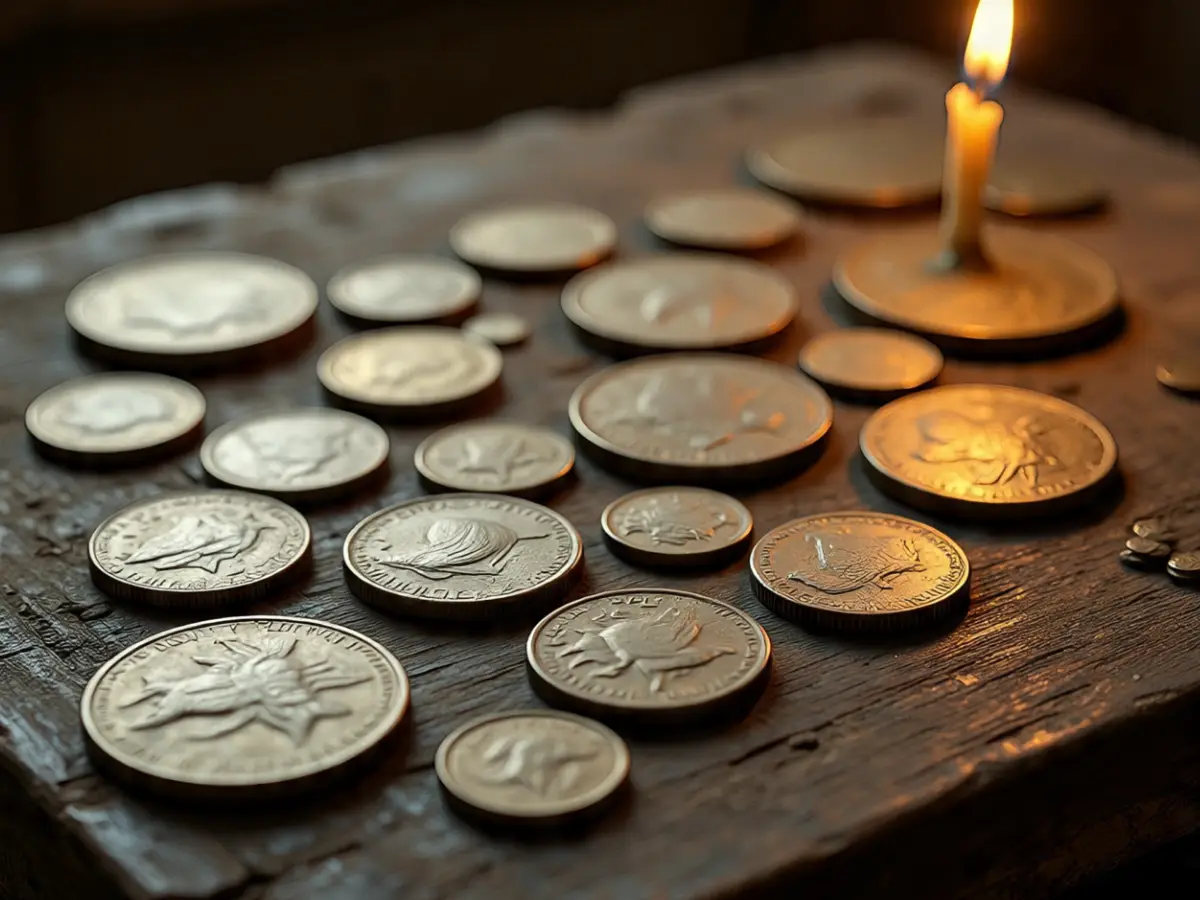
Some things should not be messed with, and a discovery in the Netherlands proves just that. A metal detectorist stumbled upon more than 100 gold and silver coins buried in the ground. He informed archaeologists about them, who promptly reached the site to investigate further. They found that the coins were buried 1,300 years ago and were actually "devil’s money", and the place was a seventh-century open-air cult site. The findings were published in the journal Medieval Archaeology. The researchers noted that the coins were from the mints of the Frankish Empire and were buried along with metal jewellery. “The cult site was probably linked to a nearby high-status settlement with an enclosed cult house or ceremonial building,” the study authors wrote.
Also Read: Scientists stumbled upon four pitch-black eggs 20,000 feet below ocean. They turned out to be...
Gold coins and jewellery linked to pagan cult rituals
The discovery was made in 2020 and 2021. After the archaeologists reached the site, they started digging. Slowly, the site unravelled itself, with several signs pointing to the fact that cult rituals were performed there around 700 AD. Devil's money is the coins left following rituals at pagan cult sites. The coins were found at three places: a single gold coin at one point, 24 fragmented or complete gold coins at another and silver and gold jewellery. The third site had gold coins and jewellery. One site had a single gold coin, while another had 24 fragmented or complete gold coins, along with silver and gold jewellery. The third site featured gold coins and jewellery. They also found remnants of animal sacrifices at the site, according to Popular Mechanics.
Digging up the place also revealed that the gold coins and jewellery were placed there at different times over 100 years. Animal sacrifices were also made over a period of time at separate intervals. All this hinted that the site was where cult rituals, such as sacrifices, were performed for pagan gods. The study was led by Jan-Willem de Kort of the Cultural Heritage Agency of the Netherlands. They found evidence of a large residence, an old structure from the sixth century. The 17 postholes discovered were likely meant for wooden posts, and they were found to be aligned with spring and autumn equinoxes. This sealed the theory that it was the site for seasonal harvest rituals. “The offerings may have been linked to fertility rites as the posts were aligned with the rising and setting of the sun during the spring and autumn equinoxes.”

