Bizarre finding shows airplanes are triggering rain and snow. Here's how

&imwidth=600&imheight=450&format=webp&quality=medium "Bizarre finding shows airplanes are triggering rain and snow. Here's how")
Planes fly through clouds and trigger rainfall and snowfall.
Clouds with holes are not a natural occurrence but are being created by aeroplanes that fly through them. The punch-hold clouds have been seen in many regions. The science behind this also leads to rainfall and snowfall.
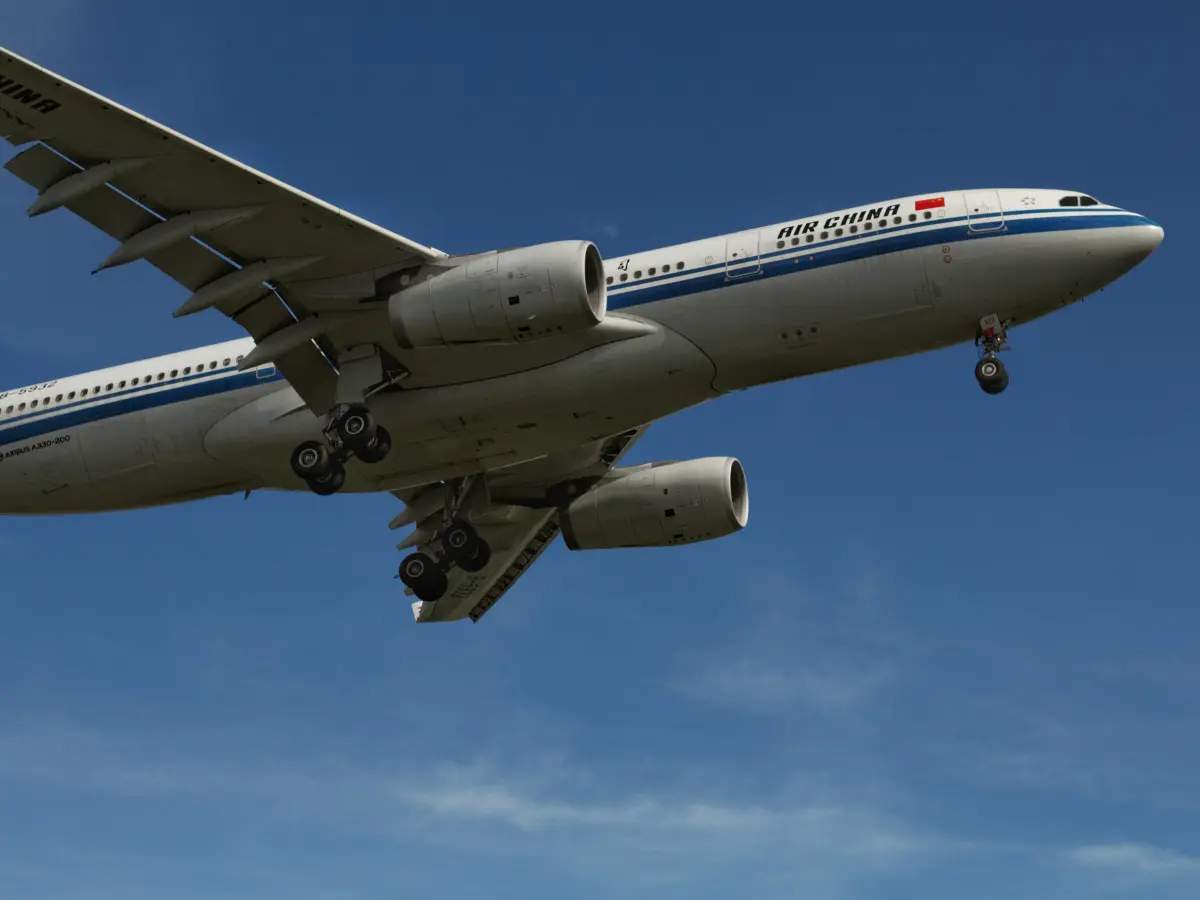
All kinds of clouds can be seen in the sky. The regular white ones, the dark black ones signalling the advent of a thunderstorm, roll clouds that look like a wave of a tsunami and are formed in some places during hot weather, and shelf cloud, another weather-related phenomenon. But there is one type of cloud in the sky that is not fully linked to natural occurrences. They are formed by aeroplanes flying through them. Known as fallstreak holes or hole-punch clouds, they are true to their name and look like someone made an opening in the cloud. Some people also describe them as having the appearance of "portals." They begin as altocumulus cloud layer, "composed of small water droplets that are below freezing called ‘supercooled water droplets'." Ice crystals in the layer of supercooled droplets lead them to grow rapidly and shrink or possibly evaporate the droplets completely, EarthSky reported. The heavier ice crystals in these clouds are formed because of aeroplanes. When an aircraft pierces through the clouds, heavy ice crystals are formed, which fall to Earth, leaving behind a circular void inside the clouds. Also Read: 5,500-year-old 'beds of giants' discovered in Europe are nothing but trapezoid-shaped...
Andrew Heymsfield of the National Center for Atmospheric Research and his team analysed these clouds as part of a new study. They found that aircraft propellers and wings are responsible for the formation of initial ice crystals in the clouds. The air expands and cools in the zones with locally low pressure, typically along the wing and propeller tips. It falls far below the original temperature of the cloud layer, triggering ice crystals.
Airplanes freeze water and create snowfall
This process has also been linked to creating rain and snow. Heymsfield's team found that this could happen at lower altitudes where jets can punch holes in clouds. Explaining the process, he said that when a plane flies through mid-level clouds, the expansion and cooling of air happens. Some of them can fall down as water droplets, creating rain, while others in the cloud freeze into ice and then turn to snow. This leaves behind a gap in the cloud, creating hole-punch clouds.
Scientists found these holes in the clouds over Texas in places where planes had been flying regularly through the same region. In fact, there were hundreds of them, satellite imagery revealed. The researchers used a weather forecast model developed at NCAR and radar images of clouds from NASA’s CloudSat satellite to explain the science behind them. They saw that all kinds of aircraft - a commercial jet, a private jet or a military jet - were creating these holes. The hole-punch clouds continue to expand for hours after they have been pierced. Heymsfield says that people on the plane also witness this from inside, especially in humid, tropical areas, where "a little veil of clouds over the wings of the aircraft" can be seen. Here, the cooling is producing a super-cooled cloud.