Taliban vow to address 'all concerns' of China as Wang visits

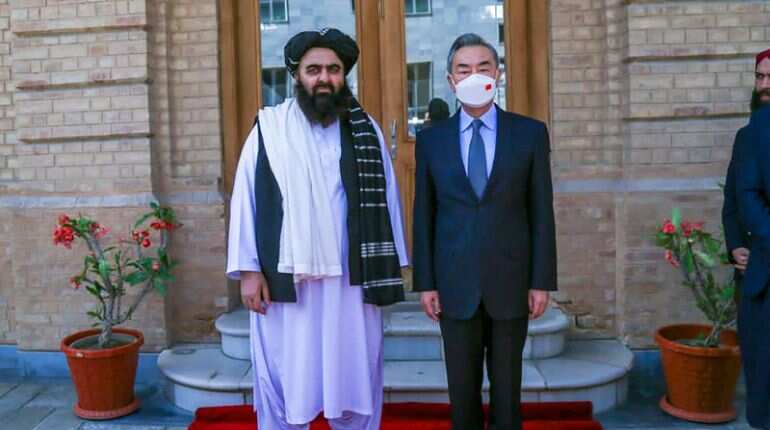
Wang Yi in Afghanistan
TheTalibansaid Thursday they had assured Beijing's most senior diplomat about anyconcernsChinathinks may "emerge from Afghan soil", ahead of a key meeting with their neighbours next week.
Chinashares only a sliver of a border with Afghanistan, but Beijing has long feared its conflict-plagued neighbour could become a staging point for Muslim Uyghur separatists from Xinjiang.
China's Foreign MinisterWangYi arrived in Kabul Thursday on his first trip to Afghanistan since theTalibanseized power, meeting Deputy Prime Minister Abdul Ghani Baradar and Foreign Minister Amir Khan Muttaqi.

Without specifically mentioning the Uyghurs, Baradar's office said in a statement thatWanghad been assured over allconcernsBeijing "thinks emerge from the soil of Afghanistan".
Since returning to power in August, theTalibanhave repeatedly pledged not to allow Afghan soil to be used as a base for foreign terror groups.
)
‘Kill all in the name of...’: FBI arrests 21-year-old over alleged ISIS-inspired mass-casualty attack plot
)
Space mines, lasers & robotic arms: Lt Gen Pannu decodes US disclosure of weapons in space
)
Bitter Zelensky snubs Trump for playing politics with Ukraine war | Gravitas
)
US fires up to 70 interceptors against Iran attack on Jordan, putting supplies under pressure
)
‘US military task force aiding Saudi Arabia forces with intel, planning support’: Official
)
OpenAI boss Sam Altman repeats AI 'slow down' call, says world 'right to be afraid'
)
Top military commanders from US, Israel, and 7 Arab nations held secret meeting on Iran War
)
Sydney Sweeney defends provocative ad choice, the internet is still not impressed
)
India to host IPL 2027 auction; WPL 2027 auction set for late October in Kochi
)
Shahzad Bhatti Network declared terrorist organisation under UAPA: Govt order
)
'Definitely feel bad for yourself': Kuldeep Yadav opens up on India Test snubs
)
US, China dominate global economy: Where does India rank among the world's biggest economies?
)
Ex-India all-rounder Yuvraj Singh wants India to avoid 'massive changes' before ODI World Cup 2027
)
Ed Sheeran’s US tour loses all support acts after Macklemore’s removal | Controversy explained
)
Ex-England footballer Raheem Sterling pleads guilty in reckless driving and crashing his Lamborghini
)
China's property crisis deepens as investment plunges nearly 20%
)
Alex Saab, ally of Venezuela's Maduro, pleads guilty in US corruption case
)
Messi set to play in farewell match on October 6 in Argentina vs Benin friendly
)
Who was Eliana Moreno? NBC LA aerial reporter killed in Chatsworth crash
)
Putin-linked Russian oligarch, Melania links: Why Trump skipped his son’s Bahamas wedding bash?
)
800 million years old - Scientists discover 'fingerprints' of supercontinent Gondwana in ancient rocks
)
Trump's name cannot return to Kennedy Center, US judge rules
)
Pakistan naval vessel returns to harbour with 'severe damage' after collision with Indian warship in Arabian Sea
)
Water equivalent to two Pacific Oceans could be stashed 2,900 km inside Earth
)
Ex-CIA officer caught with gold bars worth $40 million seeks plea deal | Gravitas
)
Pakistan: Imran Khan's sons Kasim & Sulaiman claim their father is 'tortured' in jail
)
Trump's Iran war faces fresh House rebuke; 7 Republicans join Democrats in push to end conflict ahead of midterms
)
US Treasury yields cross 5% as Scott Bessent warns of ‘global issues’ impacting bonds
&im=FitAndFill=(700,400))
New OTT releases this week (September 14-20, 2026): Lust Stories 3, Waiting Hai, Irumudi- 5 new titles coming on Netflix, Prime Video and more
)
Who is Kalyan Bainsla, accused in the Gurugram hit-and-run case involving woman biker?
)
Saudi Arabia discovers 110 million tonnes of Uranium-rich ore in Madinah region
)
Los Angeles helicopter crash: At least three dead, several injured; NTSB to investigate
)
India summons top Pakistan diplomat after Pak Navy ship collides with Indian warship at high seas
)
Saudi Arabia accuses Houthis of drone attack on Mecca, first-ever red alert in Islam's holiest site sparks panic
)
'Like a thug you are using agency to go after..': Kash Patel grilled by Senate Democrats over FBI firings, journalist investigations and hiring policy
)
Abhishek Sharma rises to No. 2 in T20Is; ENG’s Robinson 3rd after record Pakistan Tests
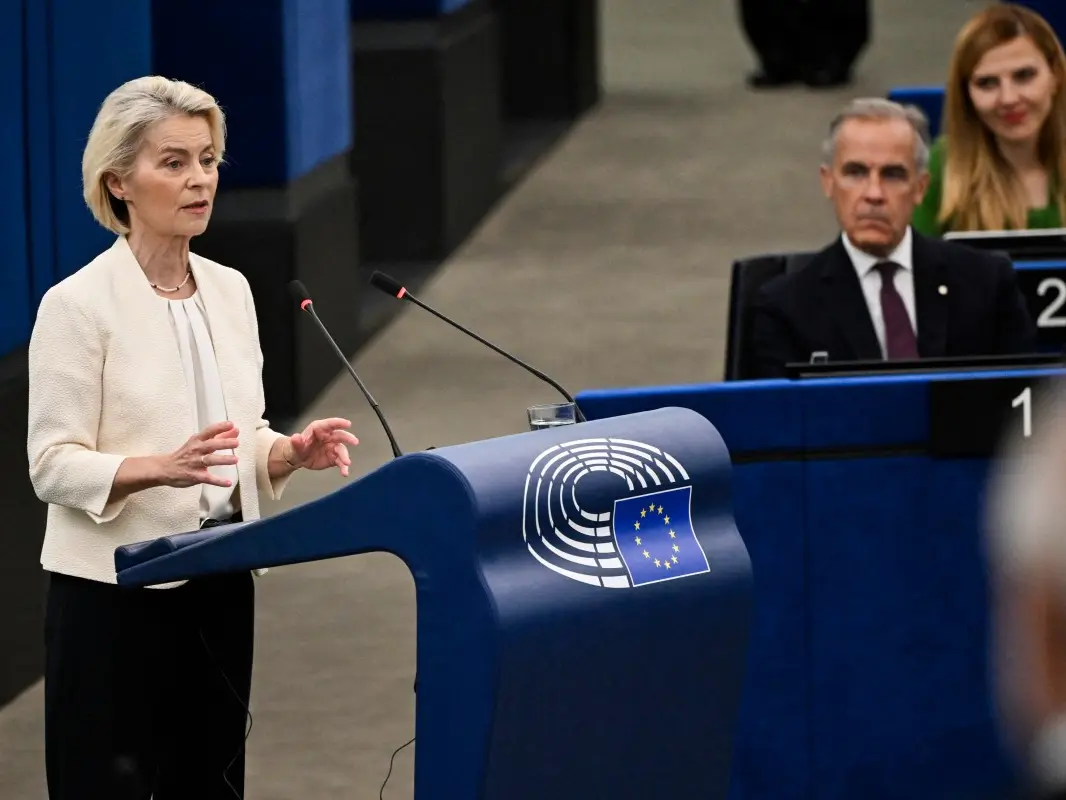)
Canada to become EU’s first ‘associate member’? Von der Leyen proposes move amid US tensions
Their harbouring of Osama bin Laden and other senior Al-Qaeda figures in the wake of the 9/11 attacks prompted the US-led invasion that ended their first stint in power.
Even before theTalibanseized control of the country in August, they forged ties withChinaas US-led foreign forces withdrew.
Beijing is hosting a meeting of Afghanistan's neighbours next week on how to assist the hardline Islamist government.
"The Islamic Emirate wants to expand ties further" withChina, Baradar's statement said.
Wangand Muttaqi also spoke of expanding "economic and political ties" between the two countries, the foreign ministry said in a tweet.
They also discussed commencing work in Afghanistan's mines sector.
Chinese mining groups are in talks with theTalibanon exploring Afghanistan's mining sector, media reports say.
AsWangvisited, Russia's special envoy to Afghanistan, Zamir Kabulov, also arrived in Kabul for talks withTalibanofficials, the foreign ministry said.
Afghanistan has plunged into financial and humanitarian crises since the exit of US-led foreign forces.
The meeting of Afghanistan's neighbours next week will allow theTalibanto present their own assessment of the latest situation in the country.
Media reports say Chinese and Pakistani officials are expected to discuss new economic projects in Afghanistan.
Maintaining stability after decades of war in Afghanistan is Beijing's main consideration as it seeks to secure its borders and strategic infrastructure investments in neighbouring Pakistan, home to theChina-Pakistan Economic Corridor.
For Beijing, a stable and cooperative administration in Kabul would also pave the way for an expansion of its Belt and Road Initiative into Afghanistan and through the Central Asian republics, analysts say.
TheTalibanconsiderChinaa crucial source of investment and economic support, either directly or via Pakistan.
During the chaotic takeover of power by the hardline Islamists, Beijing kept its embassy open in Kabul even as it evacuated many citizens from the country.
Watch |Taliban reverses decision to allow girls to attend secondary schools in Afghanistan