India-China resetting ties amid Trump's tariff pressure? Here's what Wang Yi told Jaishankar about US trade war

&imwidth=600&imheight=450&format=webp&quality=medium "India-China resetting ties amid Trump's tariff pressure? Here's what Wang Yi told Jaishankar about US trade war")
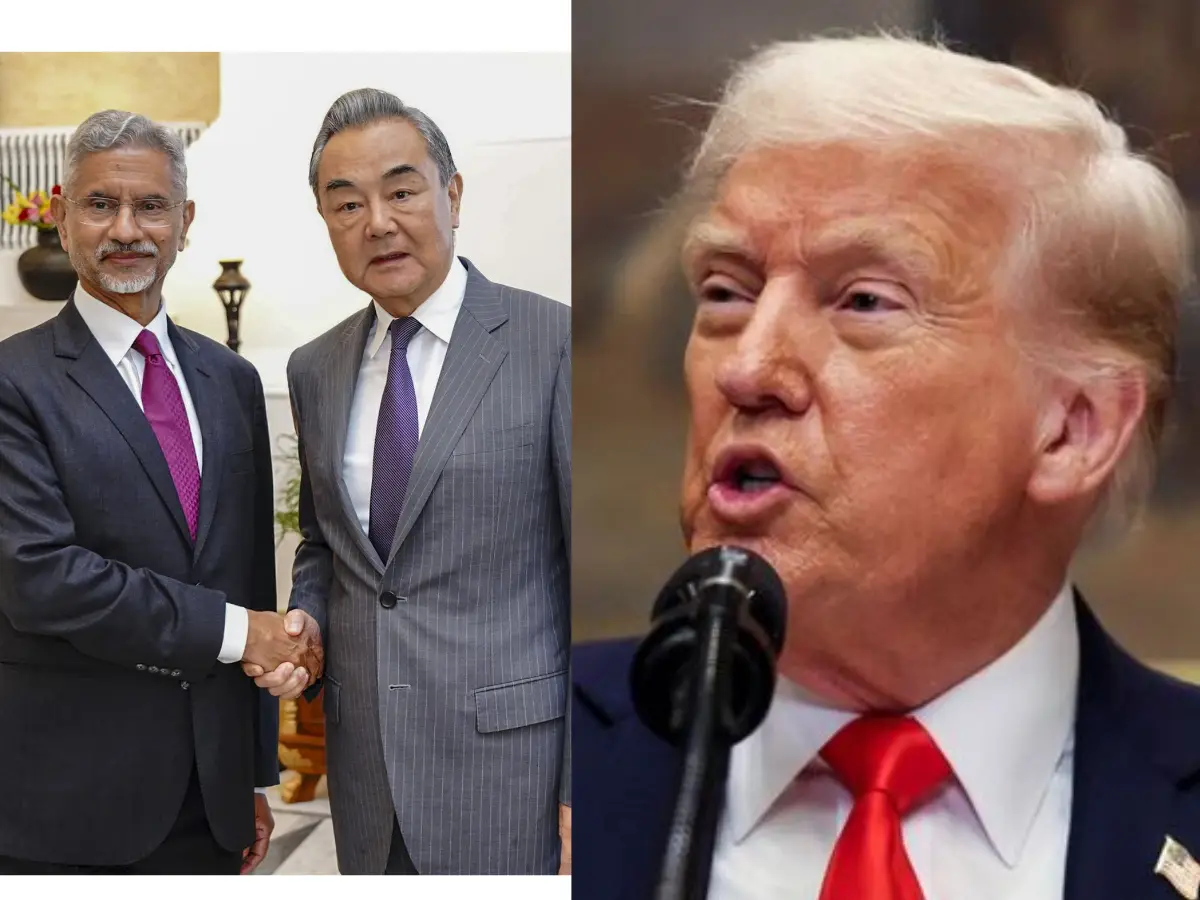
Chinese foreign minsiter Wang Yi, Indian counterpart S Jaishankar and US President Donald Trump Photograph: (Reuters, PTI)
Amid ongoing tariff war in the world, China's foreign minister Wang Yi, who is visiting India, has called out the ‘bullying’ tactics of Washington. New Delhi and Beijing are aiming to reset ties amid tense relations with the US
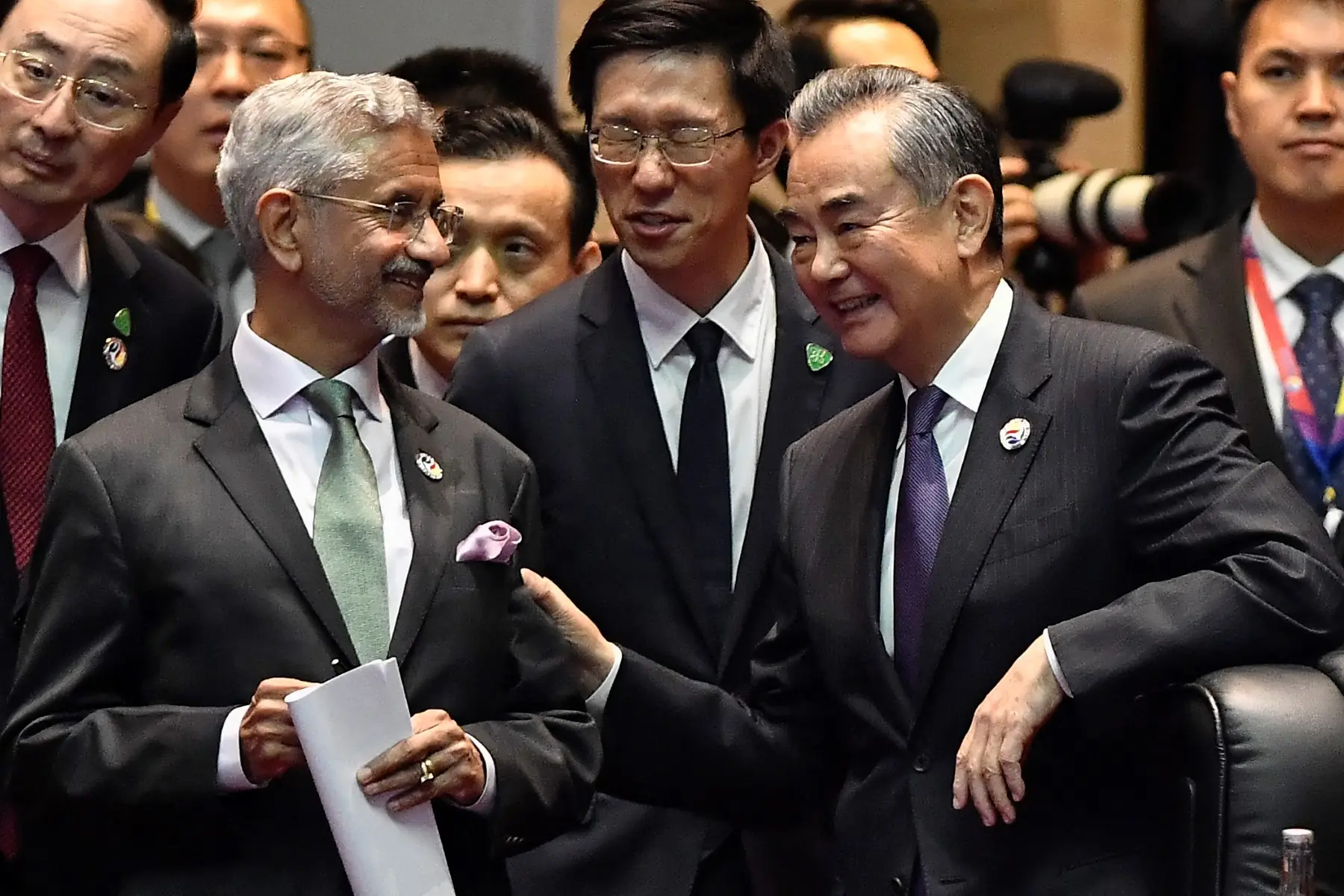
China's foreign minister Wang Yi is visiting India and his visit is seen as an attempt by New Delhi and Beijing to reset the ties marred by border clashes after 2020 and amid uncertainties in the world due to the tariff regime. While the US has accused India of getting closer to China amid the ongoing tariff war, the Chinese statement on the meeting between Wang Yi and Indian foreign minister S Jaishankar criticised the tariff and trade war. As per the statement from the Chinese side, Wang Yi told Jaishankar that the world is undergoing a ‘once-in-a-century transformation at an accelerating pace’ and dealing with ‘bullying.’
In an apparent reference to Washington's pressure, he said "unilateral bullying is rampant" and free trade and the international order face severe challenges. "As the two largest developing countries with a combined population of over 2.8 billion, China and India should demonstrate a sense of global concern and responsibility as major countries, set an example for the vast majority of developing countries to unite and strengthen themselves, and contribute to promoting a multipolar world and the democratization of international relations," he said. Meanwhile, one of the most important outcomes of the meeting between the two leaders was out when China informed India that it has lifted export restrictions on fertilisers, rare earth magnets and minerals, and tunnel boring machines, according to sources.
Read More | China lifts export ban on fertilisers, rare earths, tunnel machines as Wang Yi visits India:Report
What Jaishankar said after meeting the Chinese counterpart
External Affairs Minister S Jaishankar met the Chinese Foreign Minister Wang Yi, visiting India for bilateral talks, and said in his opening remarks that both nations now seek to move ahead after a “difficult period” in the bilateral ties. While emphasising that differences must not become disputes, Jaishankar said, “Having seen a difficult period in our relationship, our two nations now seek to move ahead. This requires a candid and constructive approach from both sides.” The EAM also highlighted the need for enhancing stability in the global economy in the current environment. Jaishankar also brought up the issue of terrorism with his Chinese counterpart and said, “The fight against terrorism in all its forms and manifestations is another major priority. I look forward to our exchange of views. Overall, it is our expectation that our discussions would contribute to building a stable, cooperative, and forward-looking relationship between India and China, one that serves both our interests and addresses our concerns.”