Will AI satellites in space make better decisions than humans by 2035?

Many experts believe by 2035, powerful AI satellites could outthink humans in many tasks. Experts predict artificial superintelligence might even be 10,000 times smarter than a human brain, changing how we manage space and data. Will AI truly overtake us?
What does 'smarter than humans' mean?
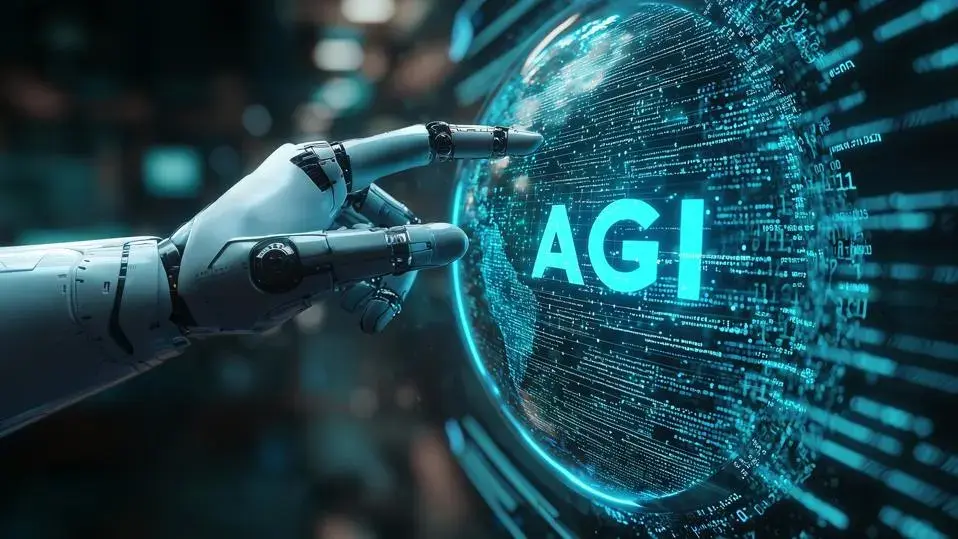
Most AI today is good at specific tasks like sorting images or predicting weather. To be smarter than humans, satellites would need AI that understands, plans, and learns across many areas, not just one. Experts call this Artificial General Intelligence (AGI) and, above that, Artificial Superintelligence (ASI).
How close are we in 2025?
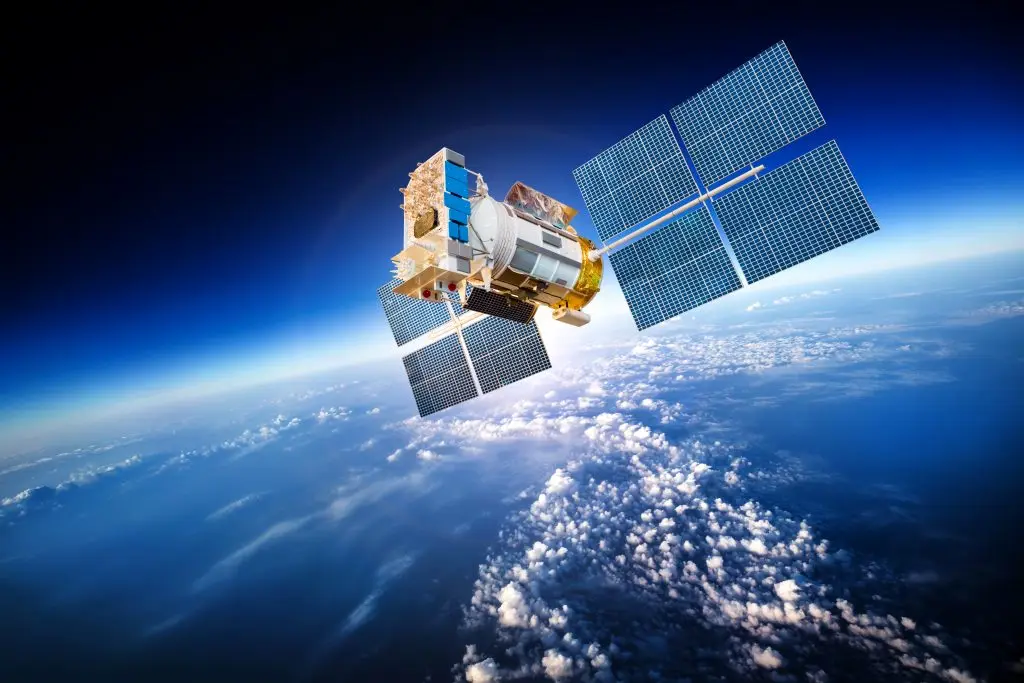
AI is already better than us at handling vast data, pattern recognition, and speed. AI tools now manage satellites, monitor Earth, and warn about dangers quicker than humans. Large language models and decision engines have become essential for complex missions and vast communications networks.
2035 predictions - Will ASI exist?
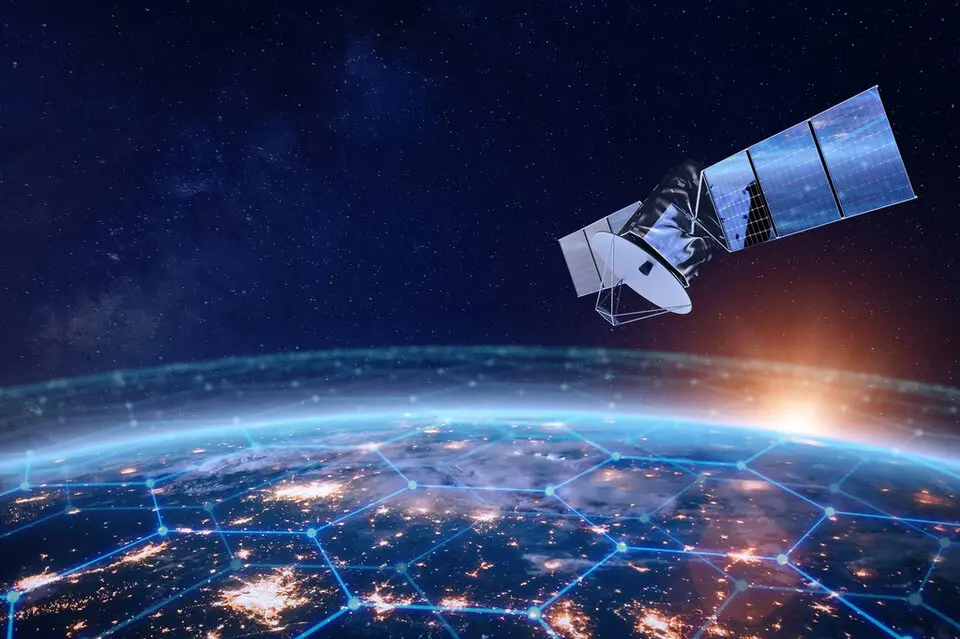
Many people, including Elon Musk, SoftBank’s Masayoshi Son and experts from OpenAI, Anthropic, and global AI think tanks, expect artificial superintelligence could appear by 2035 or even earlier. Predictions say ASI will be able to solve scientific challenges, manage global data, and make decisions with little or no human help.
What could smarter AI satellites do?
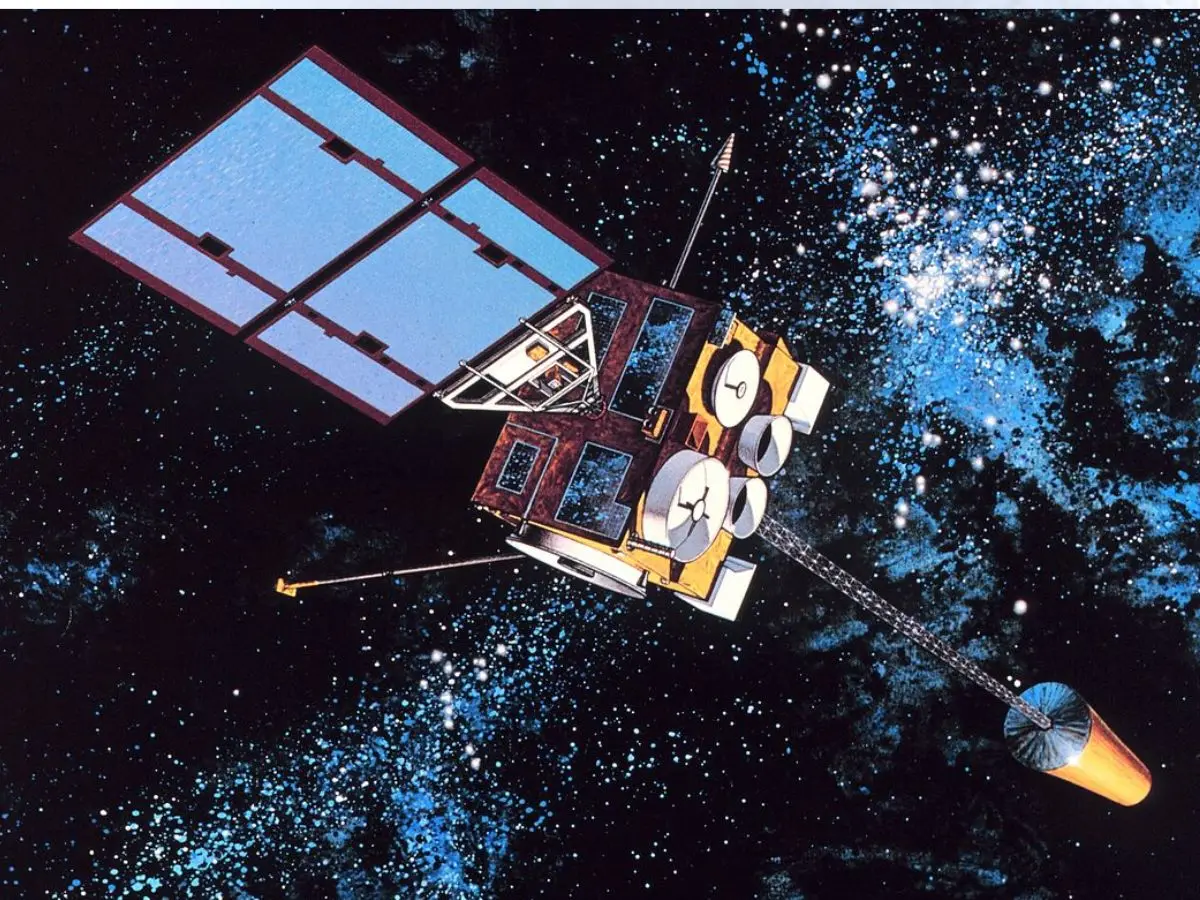
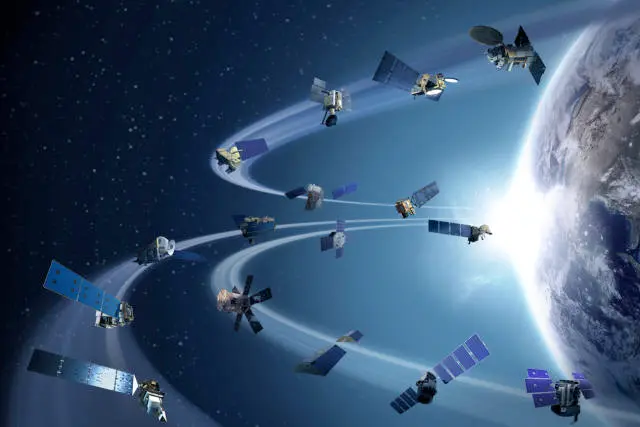
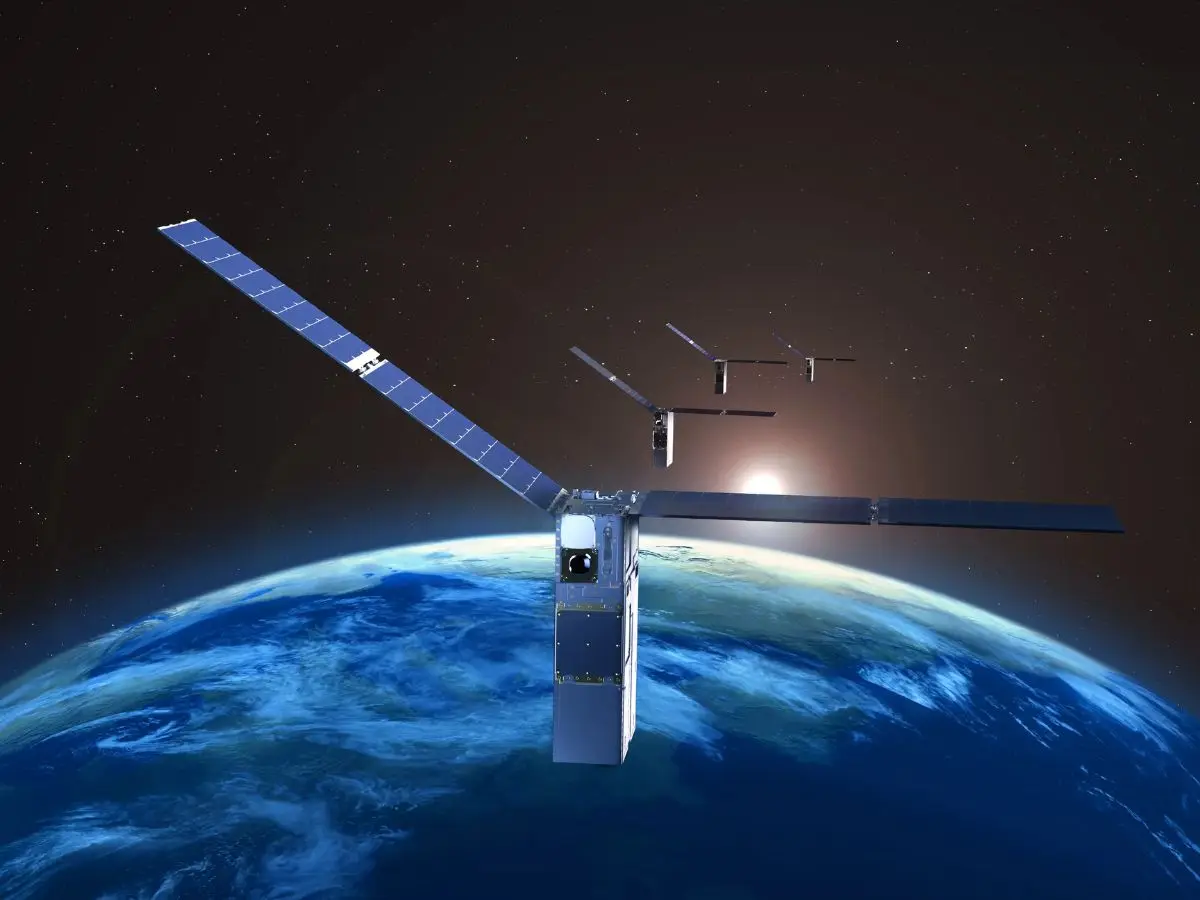
With AGI or ASI, satellites might plan their own missions, repair each other, predict disasters before they happen, and even manage space traffic. They could run data centres in orbit, provide internet to remote places, or discover new patterns in Earth's systems that humans would miss.
Are there limits or challenges?
AI may surpass humans in raw power or accuracy, but still struggle with ethics, creativity, or big-picture judgment. There are worries about mistakes, hacking, and losing human control. Some reports stress the need for watchful laws and clear human oversight even if AI gets much smarter.
What do scientists say about risks?
If we let AI satellites make big decisions alone, there could be issues: accidental faults, bad actors taking over systems, or choices that go against human interests. Many researchers say AGI or ASI must be built with strong safety frameworks to stay on the side of people.
Future forecasts
Many forecasts agree that by 2035, some AI in satellites will be much smarter than us at analysis, managing networks and even solving problems. But for now, experts predict the best results will come from humans and AI working together, not one replacing the other completely.
)
)
)
)
)