Why the world’s fastest fighter jets are built to be unstable

Fighter jets are built to be unstable to allow quick, sharp movements in battle. This instability, called relaxed static stability, improves agility and control. Fly-by-wire systems help pilots safely manage jets. Know more.
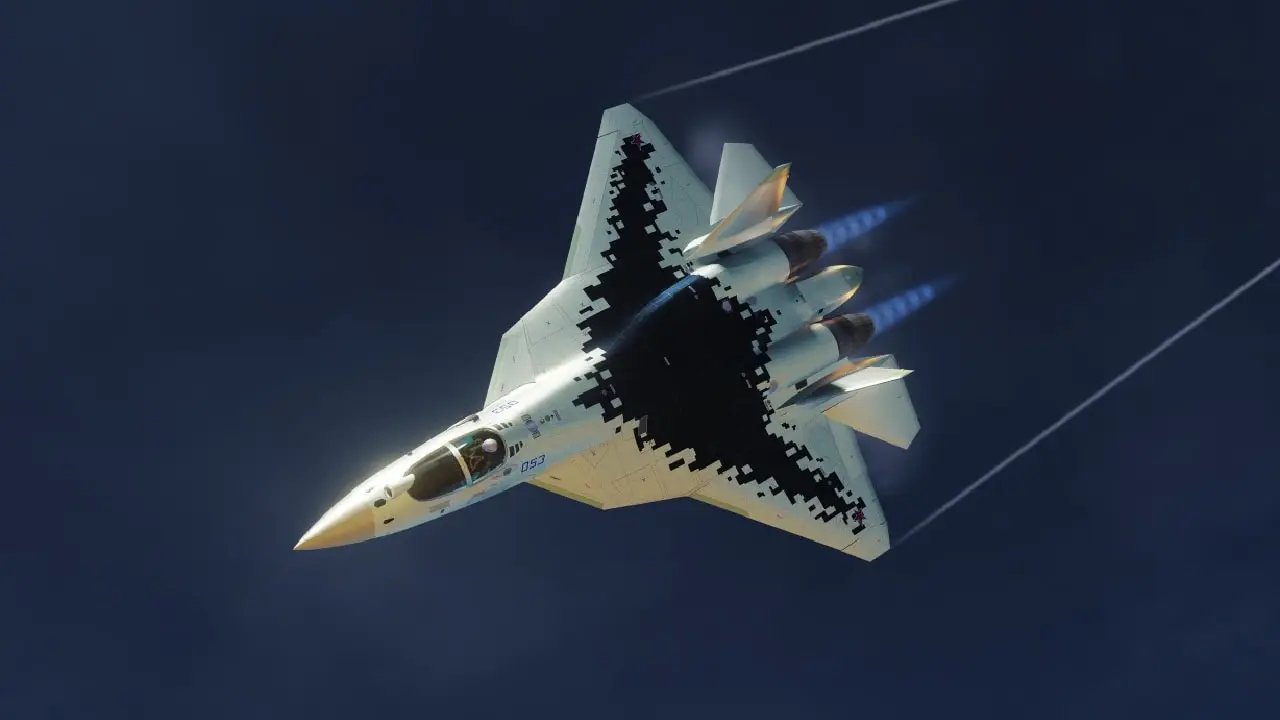
Easier and Faster Control
With instability, less force is needed for the pilot to change direction. This means pilots can react faster to threats and move the plane quickly to avoid attacks or position for a strike. It makes flying very responsive and precise.
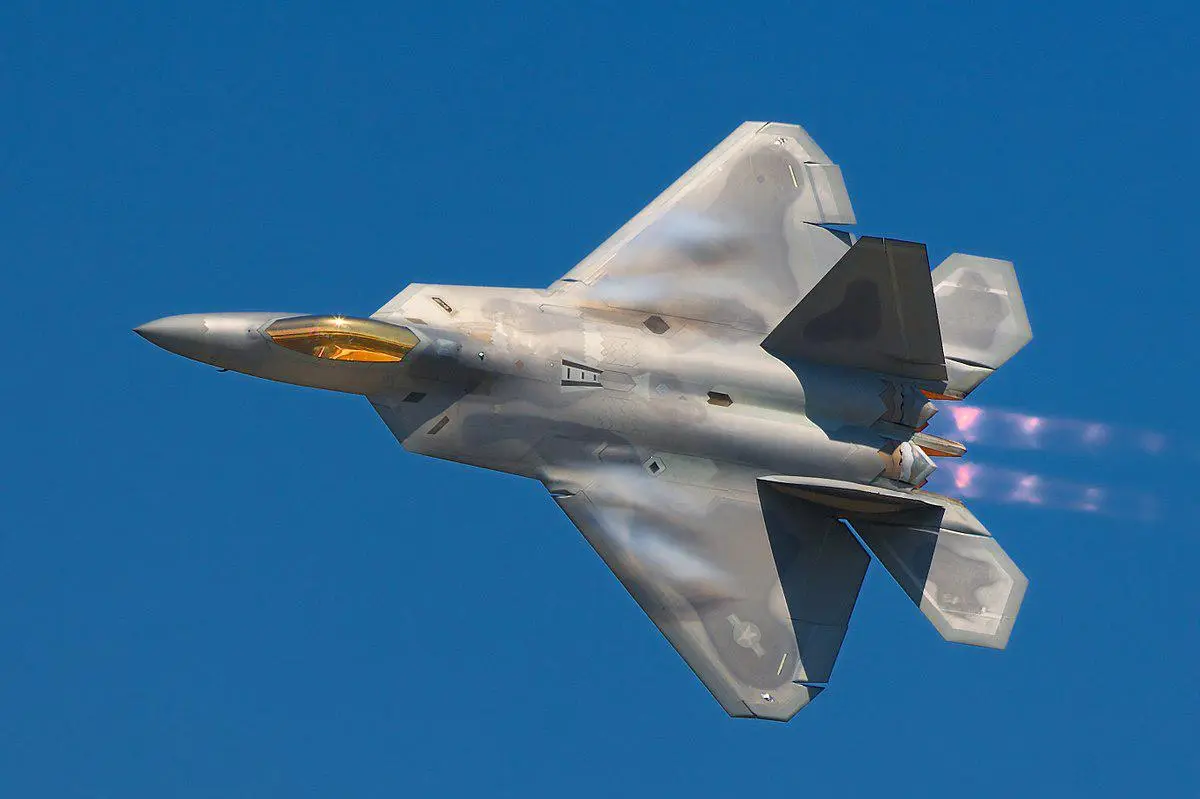
Greater Agility in the Air
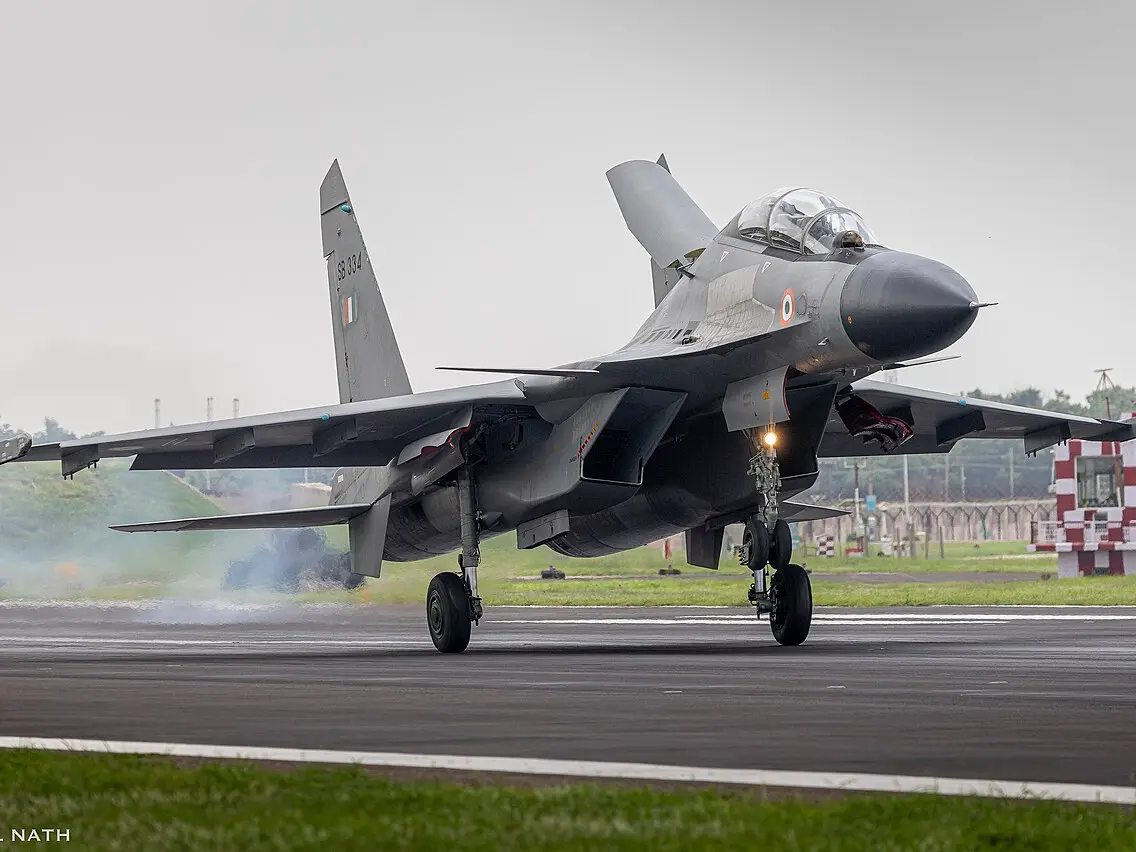
Because of RSS, fighter jets perform complex aerobatic moves with ease. They can roll, pitch, and yaw sharply in ways stable planes cannot. This lets pilots outmanoeuvre opponents in dogfights, gaining an edge in battle.
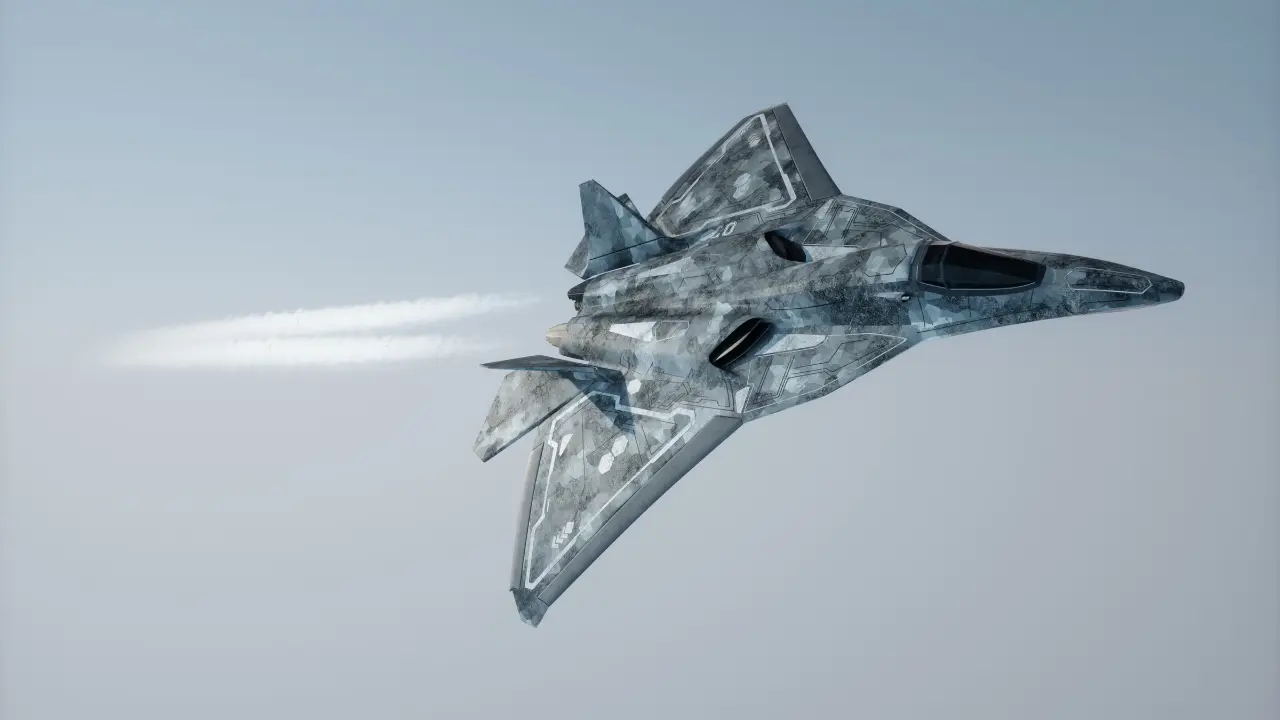
Less Strain on the Jet
Jets with instability require smaller movements of the control surfaces to turn. This reduces drag and lessens stress on the jet’s structure. It helps keep the aircraft in better shape and more fuel efficient during combat.
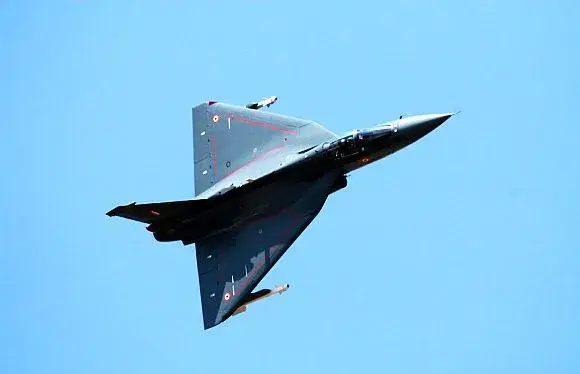
Fly-by-Wire Systems Keep Jets Safe
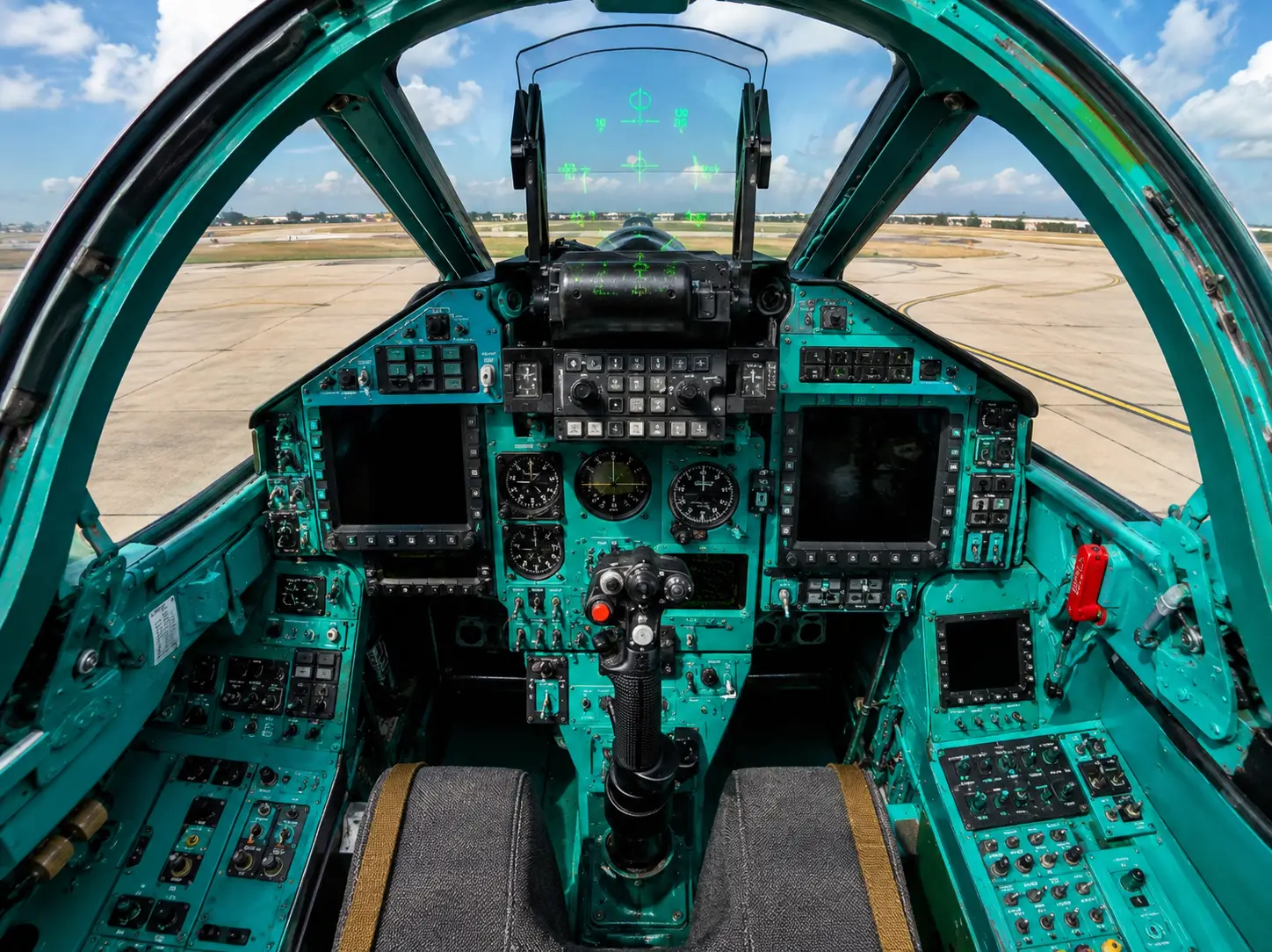
Since unstable planes would be very hard for humans to control alone, modern fighter jets use fly-by-wire technology. Computers quickly adjust the controls many times every second, making tiny corrections to keep the plane steady while still allowing freedom to move.
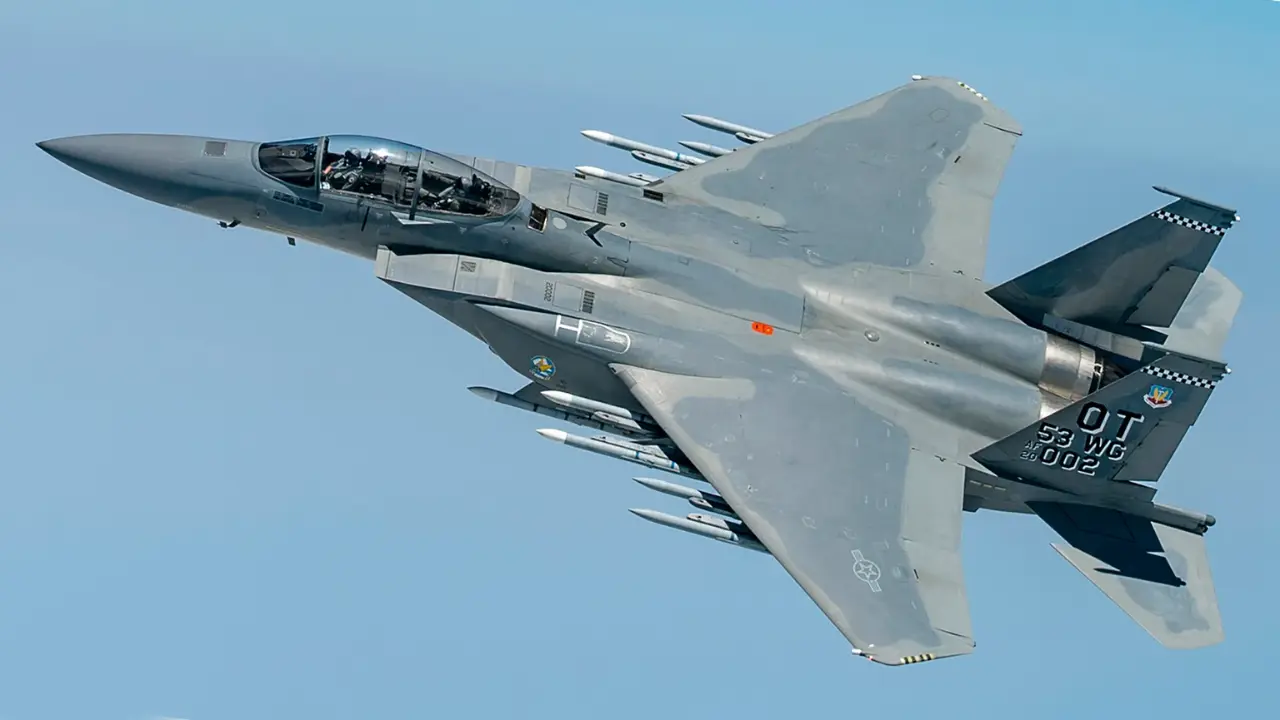
Fly-by-wire computers
Fly-by-wire computers interpret pilot commands and instantly correct the jet’s instability. This partnership lets fighter jets reach speeds and manoeuvrability humans alone could never manage. It’s like having a smart assistant making flying safer and more effective.
)
)
)
)
)