SM-6 missile defence system: 6 features behind the US Navy’s maritime shield

The SM-6 combines three distinct roles in one weapon: anti-air warfare, anti-surface warfare and sea-based terminal ballistic missile defence.
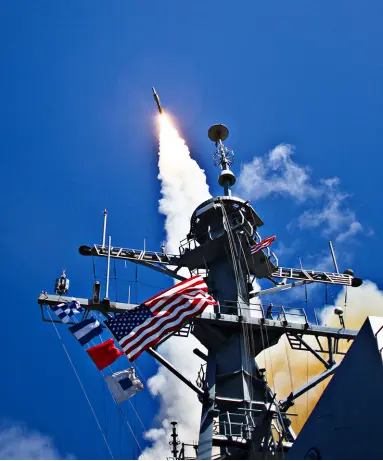
A key pillar of modern naval defence
The Standard Missile-6 (SM-6) has become a central component of the United States Navy’s layered defence posture at sea. Built by Raytheon and deployed aboard Aegis-equipped ships, this multi-mission interceptor provides capability against a wide spectrum of threats, from hostile aircraft to ballistic missiles in their terminal phase, making it vital to both US’ national security and it’s allied maritime defence. Here are the six top features of the missile:
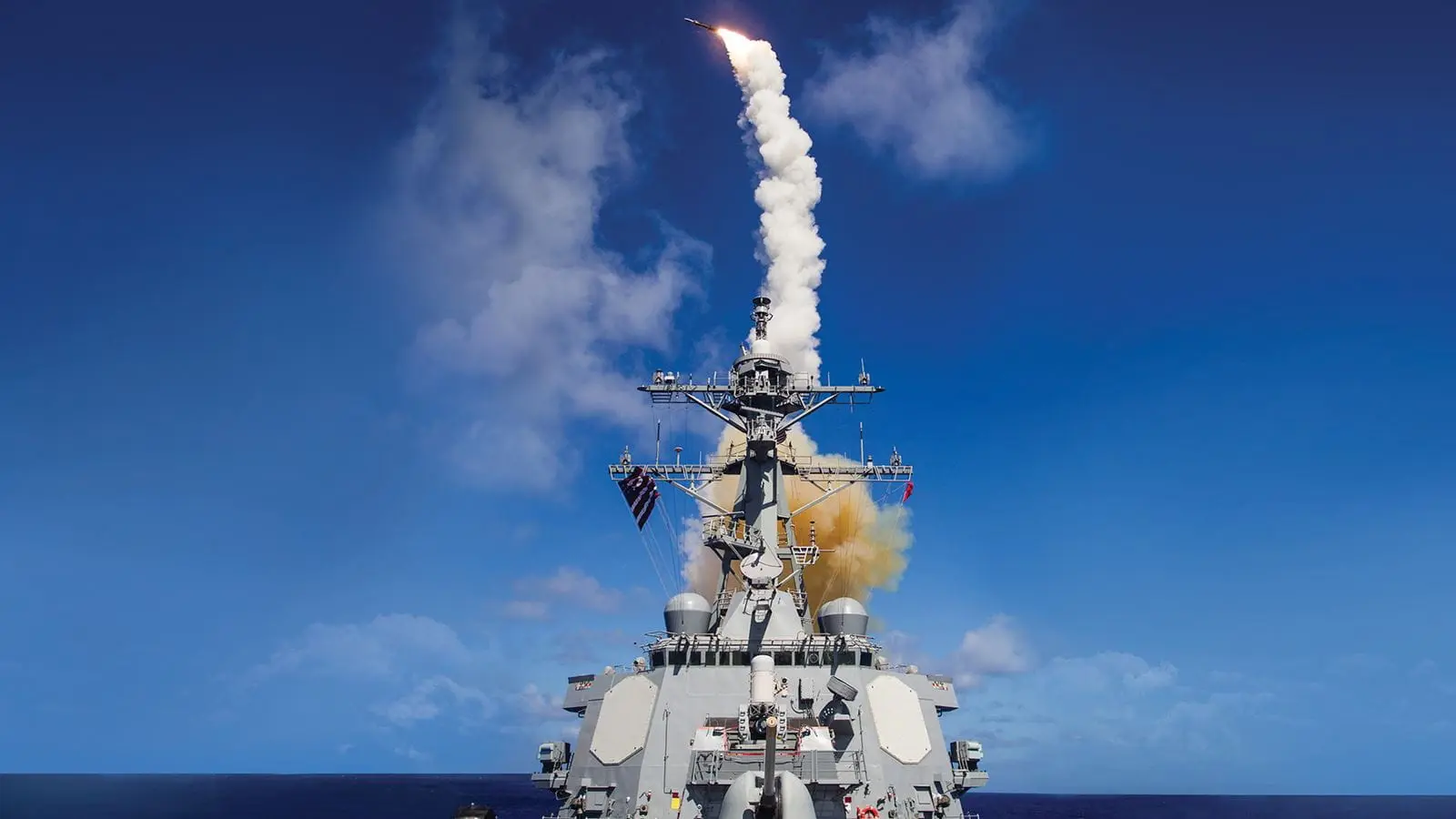
1. Multi-mission capability
The SM-6 combines three distinct roles in one weapon: anti-air warfare, anti-surface warfare and sea-based terminal ballistic missile defence. This versatility allows a single missile family to engage aircraft, cruise missiles, surface ships and ballistic missiles during their final descent. It is unique among naval interceptors for this breadth of capability.
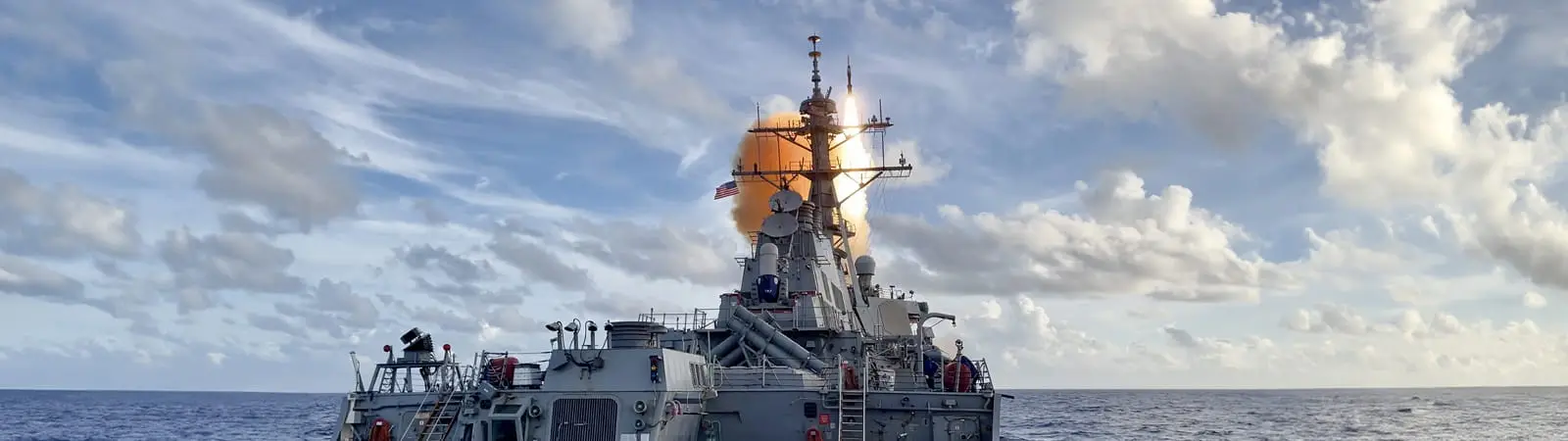
2. Advanced guidance system
Unlike earlier Standard Missiles, the SM-6 is equipped with an active radar seeker derived from the AIM-120 AMRAAM. The SM-6 weapon is deployable on 60 surface ships, and the company has already delivered more than 500 missiles to the US Navy, according to Raytheon’s official website.
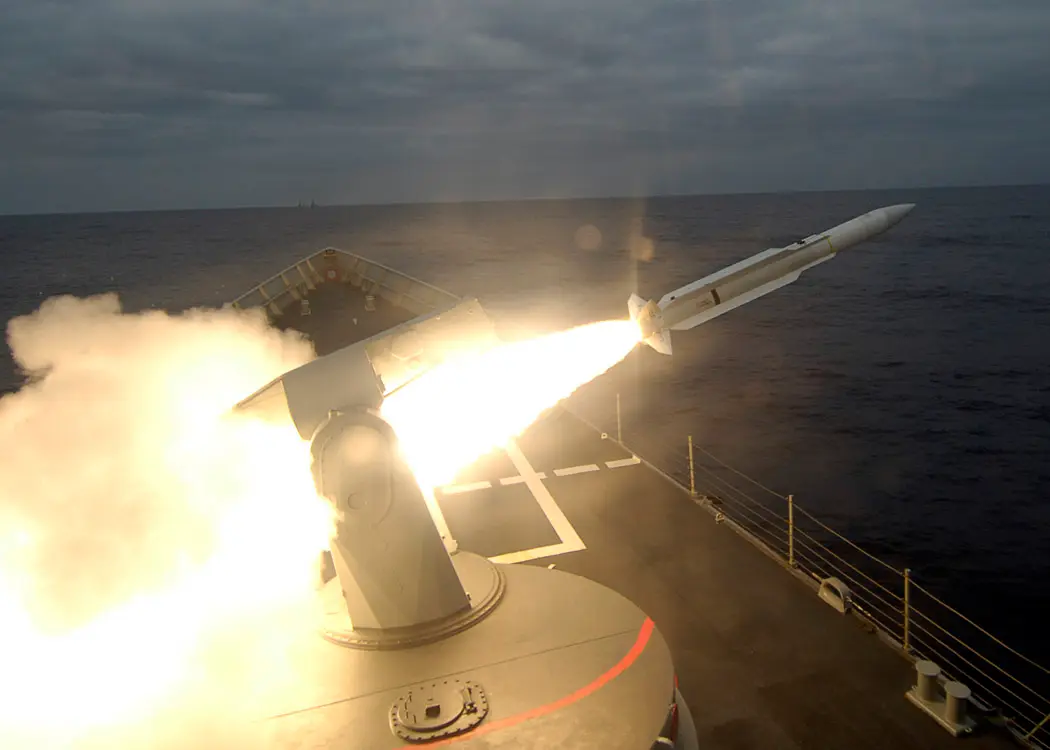
3. Ballistic missile interception at sea
In a series of flight tests, including FTM-32, the SM-6 Dual II version successfully intercepted medium-range ballistic missile targets at sea, demonstrating its ability to destroy advanced threats in the terminal phase of flight. This capability extends Aegis Ballistic Missile Defence to surface ships.
4. Integration with Aegis Combat System
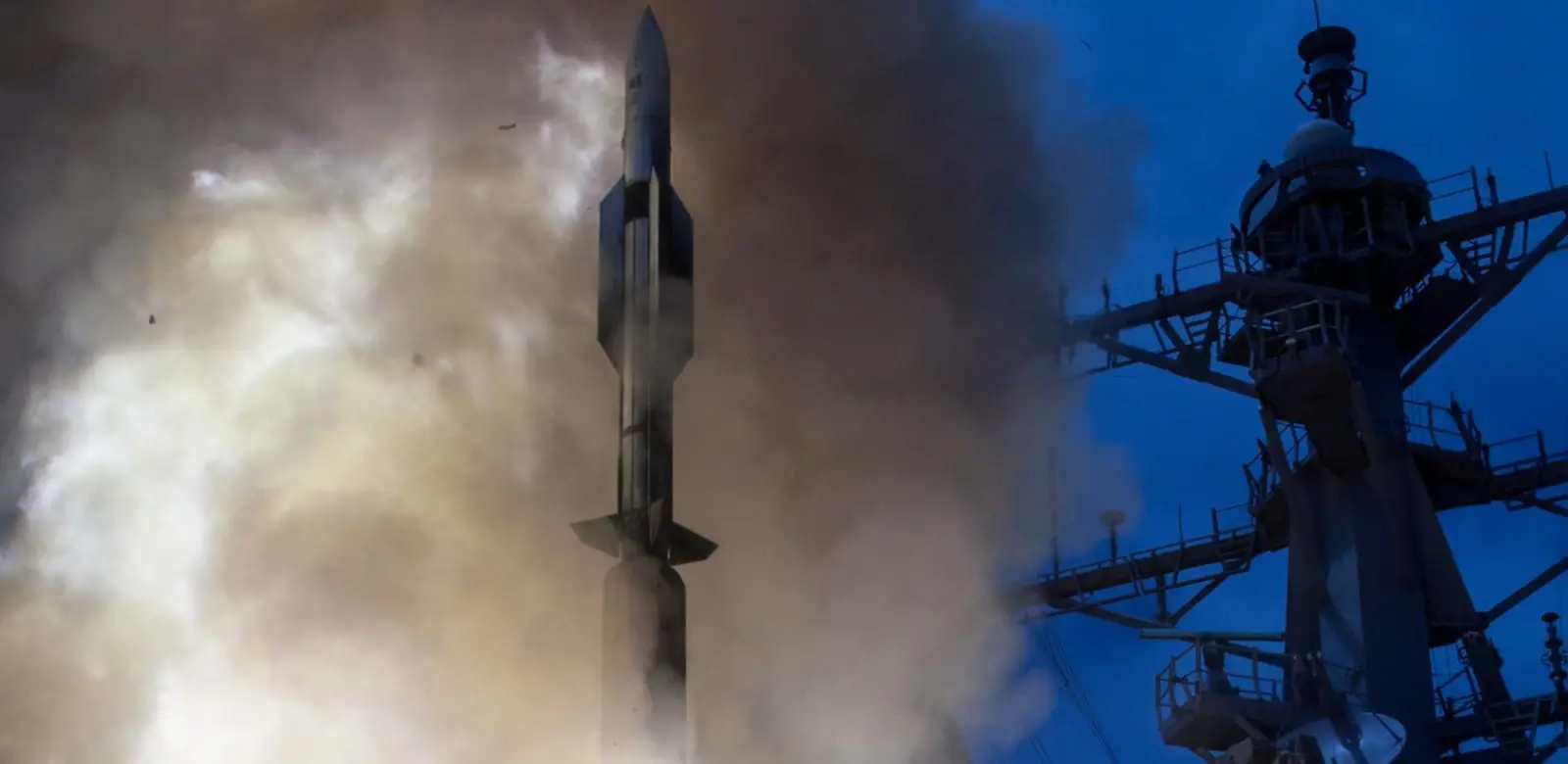
SM-6 receives midcourse flight control from the Aegis Weapon System (AWS) via ship’s radar; terminal flight control is autonomous via the missile’s active seeker or supported by the AWS via the ship’s illuminator. Its integration ensures a coordinated defence shield encompassing other missiles like SM-2 and ESSM. SM-6 retains the legacy Standard Missile semi-active radar homing capability.
5. Long range and high speed
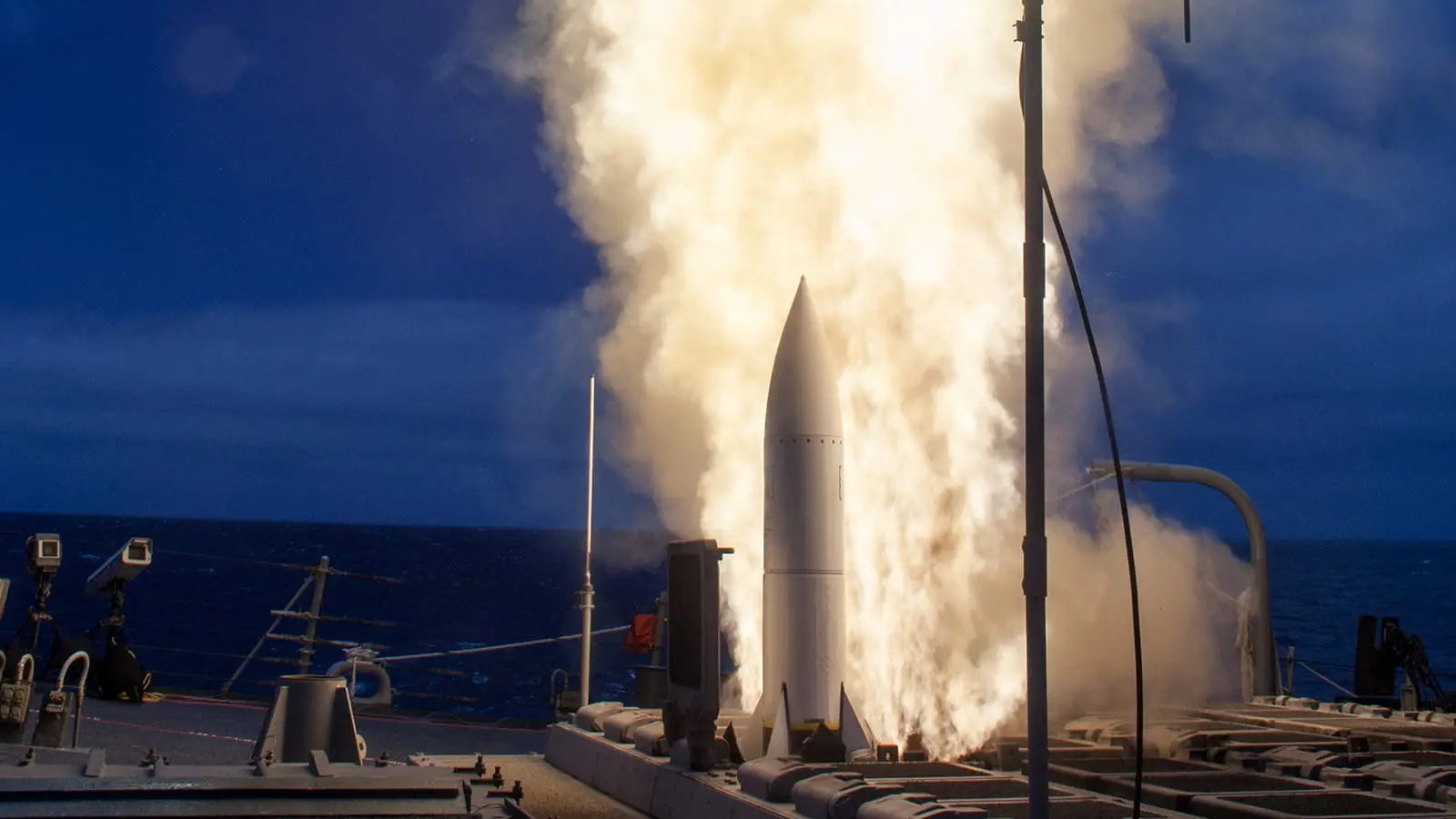
The SM-6 achieves speeds in excess of Mach 3 and has a range of approximately 370 km (200 nautical miles), according to various media reports. This gives the engaged vessels the ability to counter threats at extended distances. This reach improves fleet protection and contributes to deterrence.
6. Evolving production and allied use
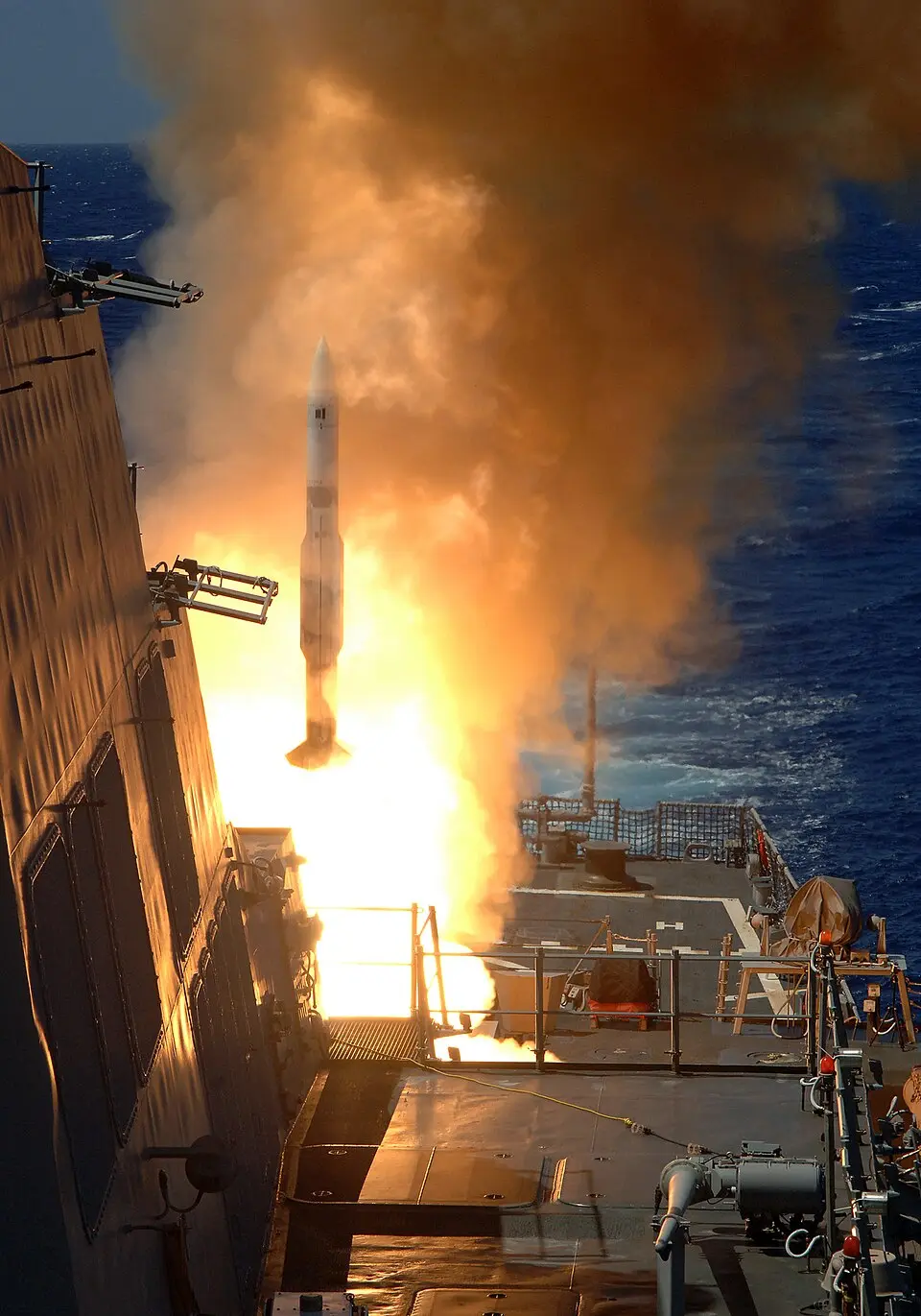
To meet rising demand, the US Navy issued a contract modification worth nearly $29.2 million to expand tooling and test equipment for SM-6 production, reflecting both domestic requirements and growing foreign military sales to allies such as Japan and Germany.
)
)
)
)
)