Why the F-22's nose cone is a different shade of grey

The F-22 Raptor's nose cone uses radar-transparent paint to prevent blocking its own radar signals. This non-metallic coating results in a noticeably lighter grey shade than the main fuselage.
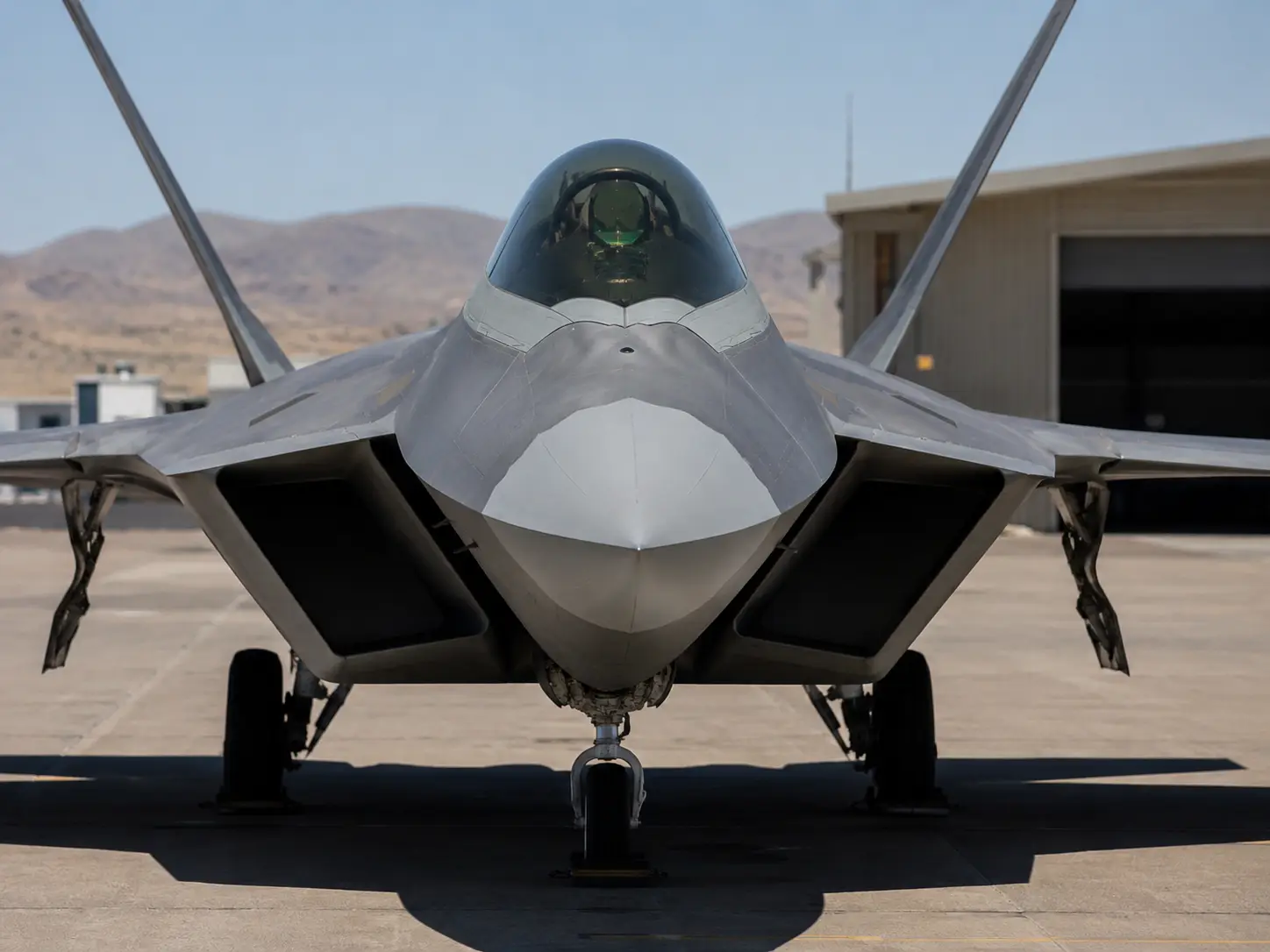
Housing 1 Advanced Radar
The nose cone of the F-22 Raptor is specifically designed to house the aircraft's highly advanced radar system. This critical piece of electronic equipment allows the fighter jet to detect and track multiple enemy targets long before it is ever seen.
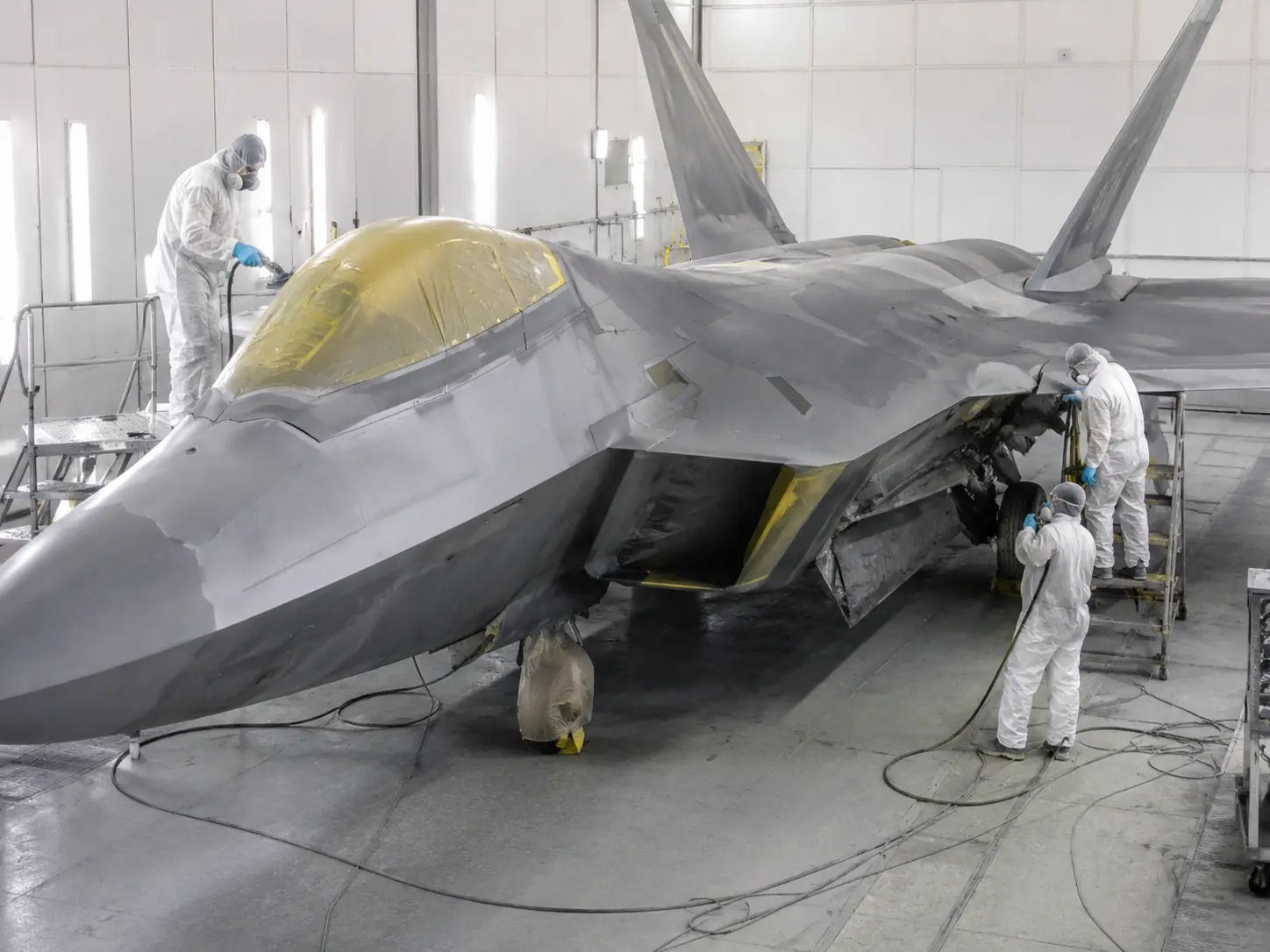
100 Per Cent Radar Absorption
To remain invisible to enemy sensors, the vast majority of the F-22's fuselage is coated in thick, radar-absorbent materials. These secretive stealth coatings contain metallic and conductive particles designed specifically to trap, absorb, and scatter incoming electromagnetic radar waves.
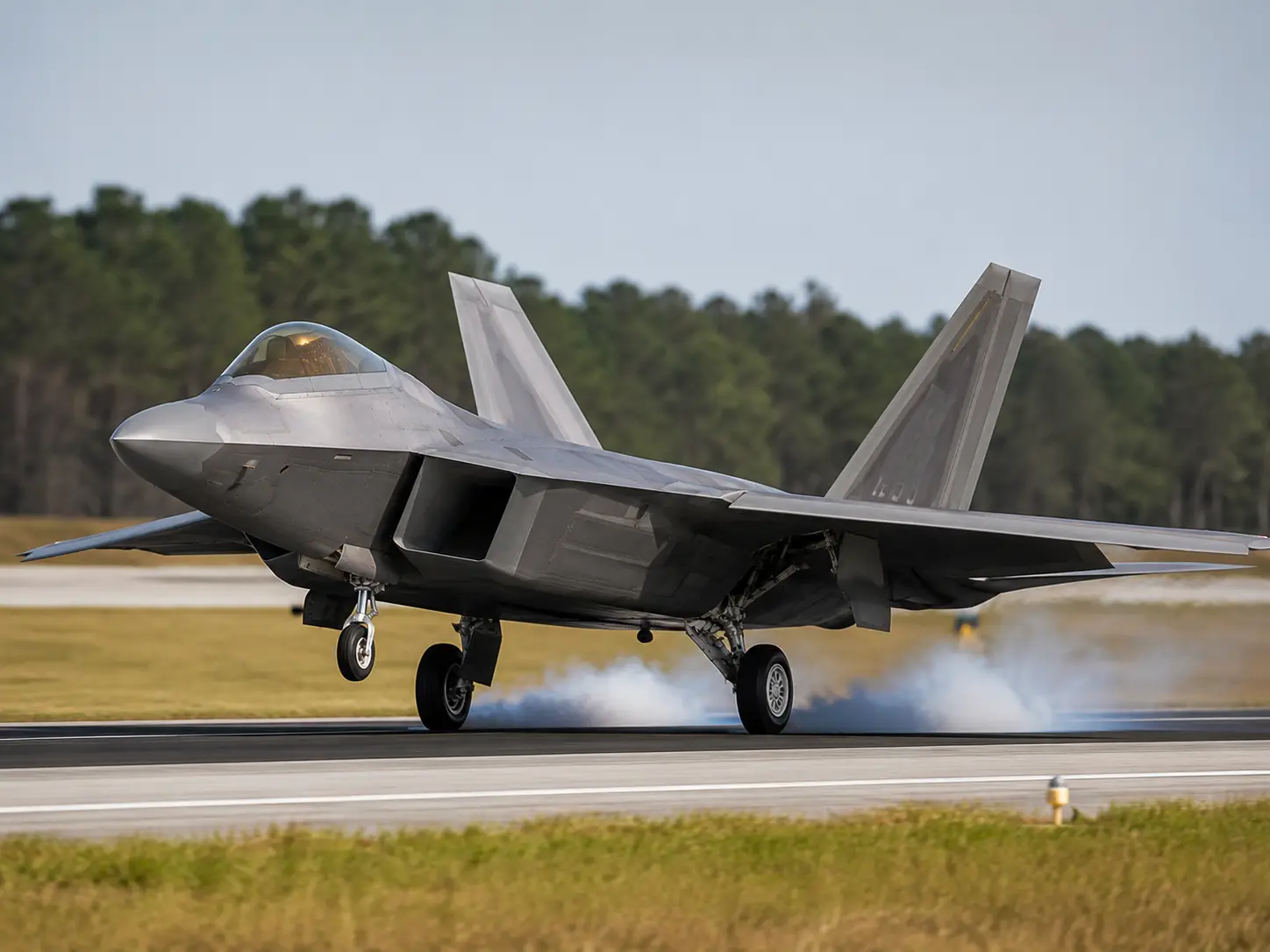
Blinding The 5th Gen Jet
If engineers applied this exact same radar-absorbing coating over the nose cone, the metallic particles would block the aircraft's own radar signals. The stealth material would absorb the outgoing pulses, effectively blinding the fifth-generation F-22 Raptor during combat missions.
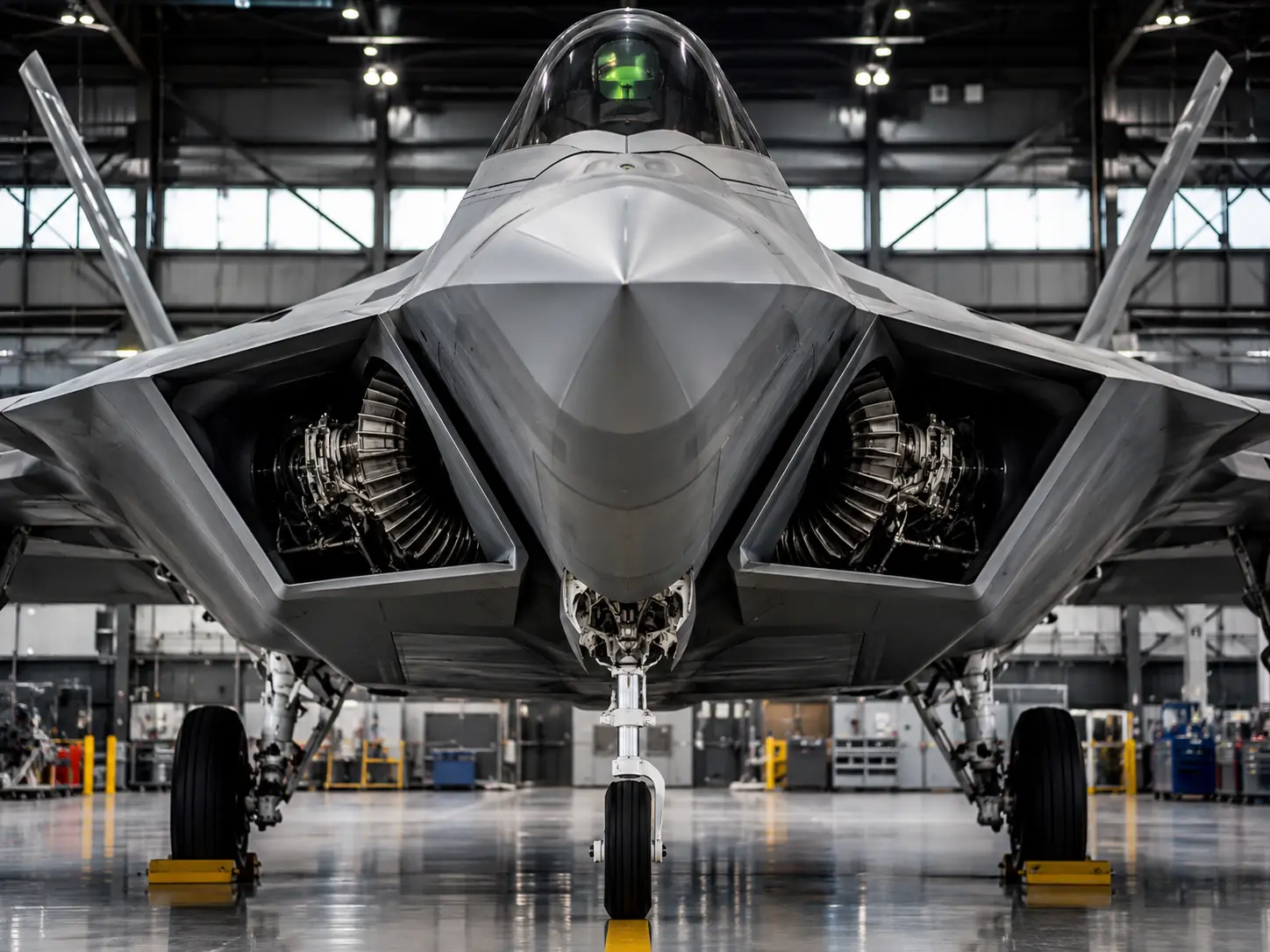
0 Metallic Paint Particles
To solve this issue, the radome is manufactured from composite materials and painted with a specially formulated, radar-transparent coating. This unique paint must not contain metallic or carbon particles, allowing the jet's radar frequencies to pass through the nose cone without signal distortion.
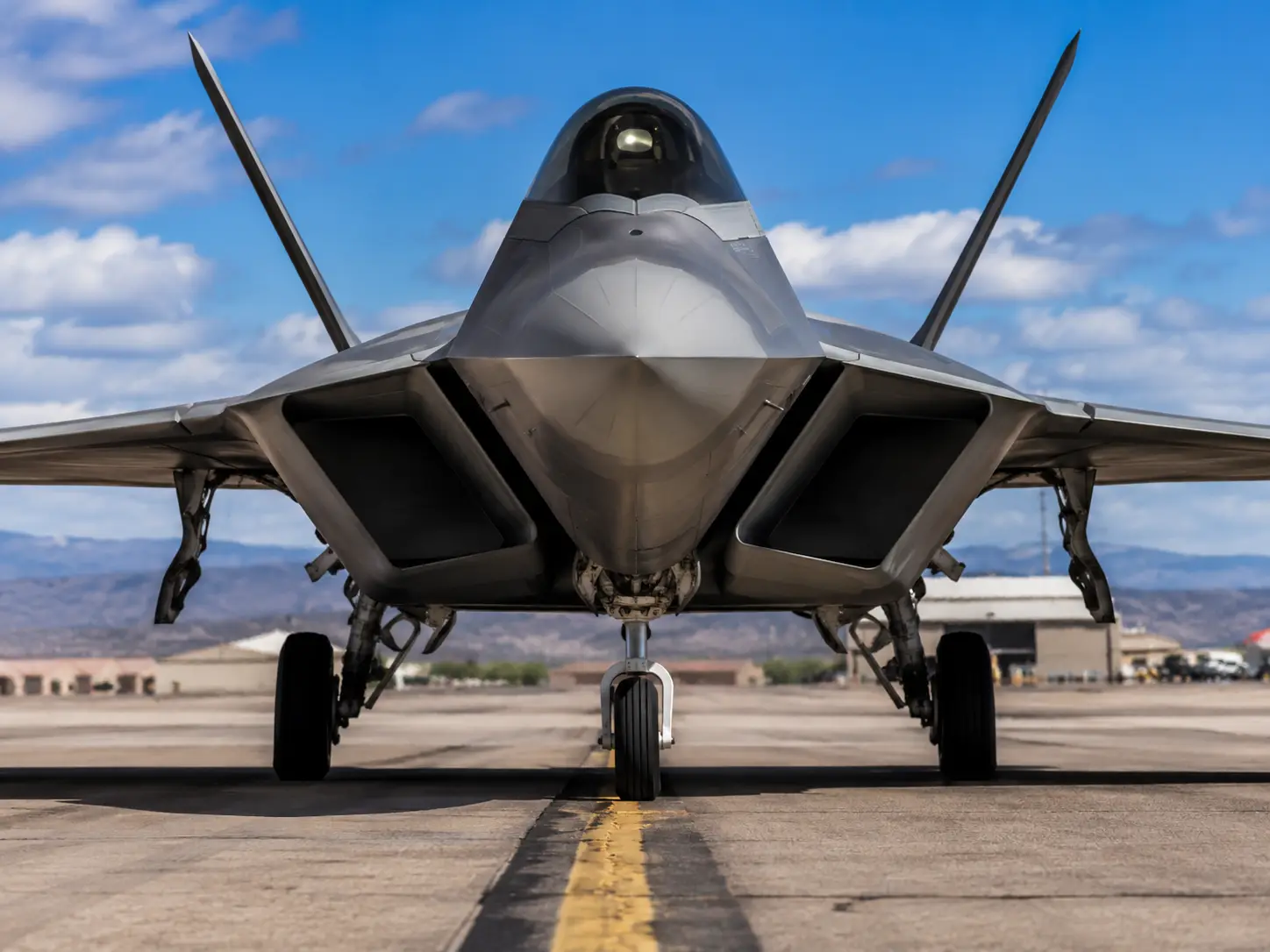
The FS-36375 Grey Contrast
Because this radar-transparent paint lacks the specific metallic and radar-absorbing compounds found on the main fuselage, it reflects sunlight differently. This technical constraint naturally results in the radome appearing as a lighter FS-36375 grey colour compared to the darker metallic sheen of the rest of the jet.
)
)
)
)
)