Why the F-22 cockpit is much smaller than you might expect

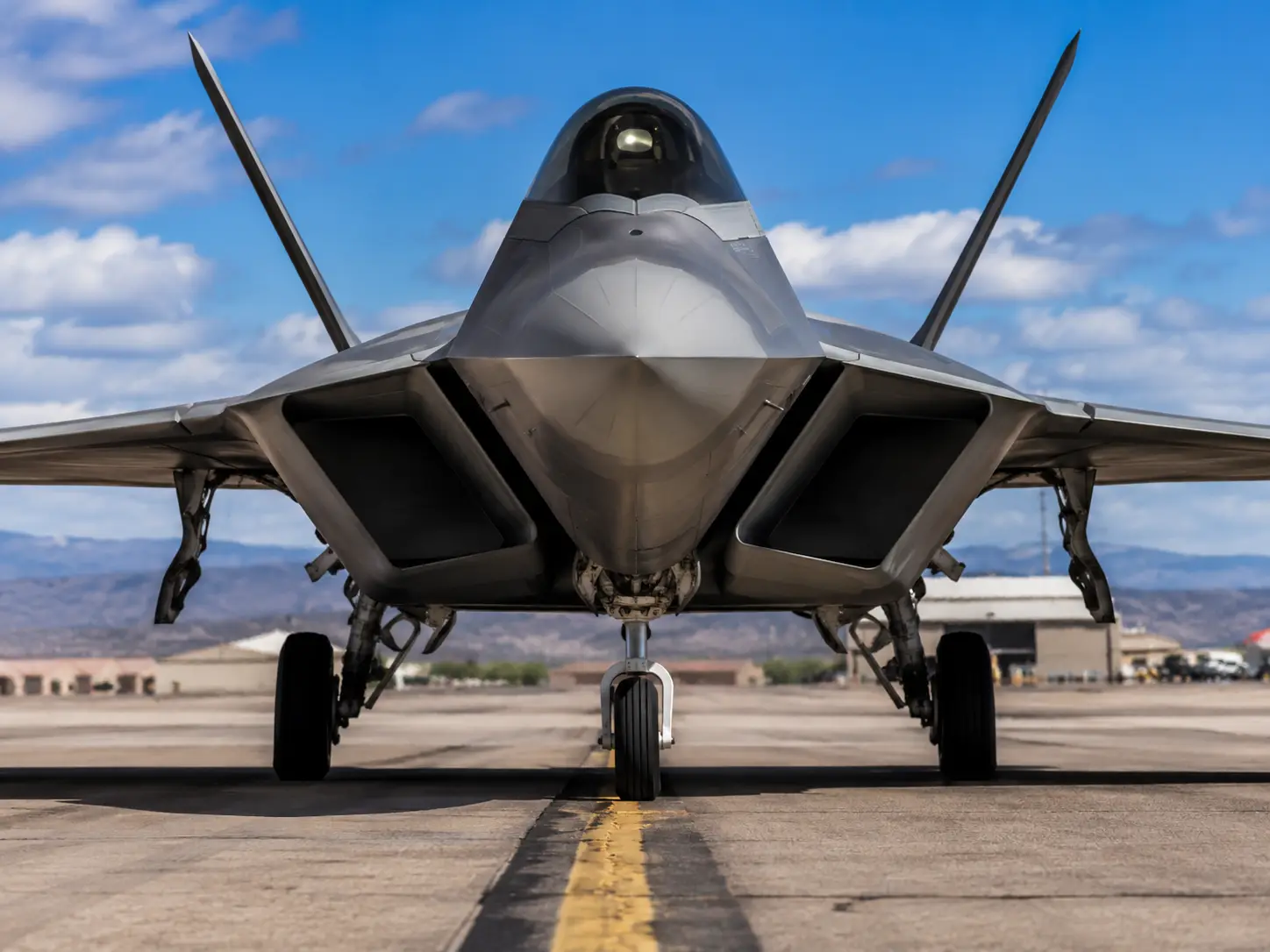
The F-22 Raptor's cockpit is small due to its 1.5-metre wide forward fuselage and 114-centimetre canopy. This compact design minimises radar cross-section and makes room for internal weapons bays.
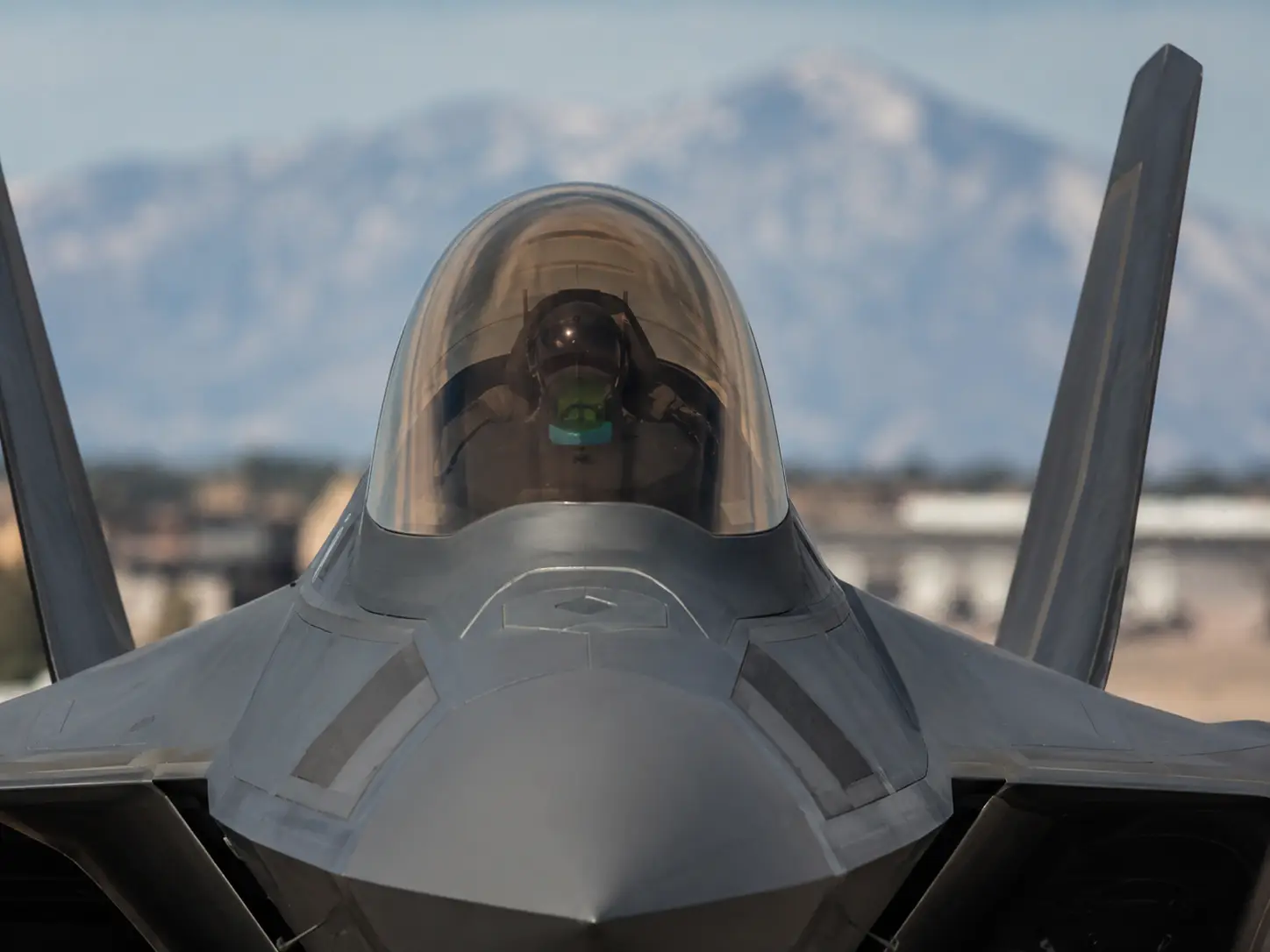
A 1.5-Metre Wide Profile
The F-22 Raptor's forward fuselage measures just over 1.5 metres wide at its widest point. This remarkably narrow structural design fundamentally limits the internal space available for the pilot. It ensures the aircraft maintains a very low frontal radar cross-section to evade enemy detection.
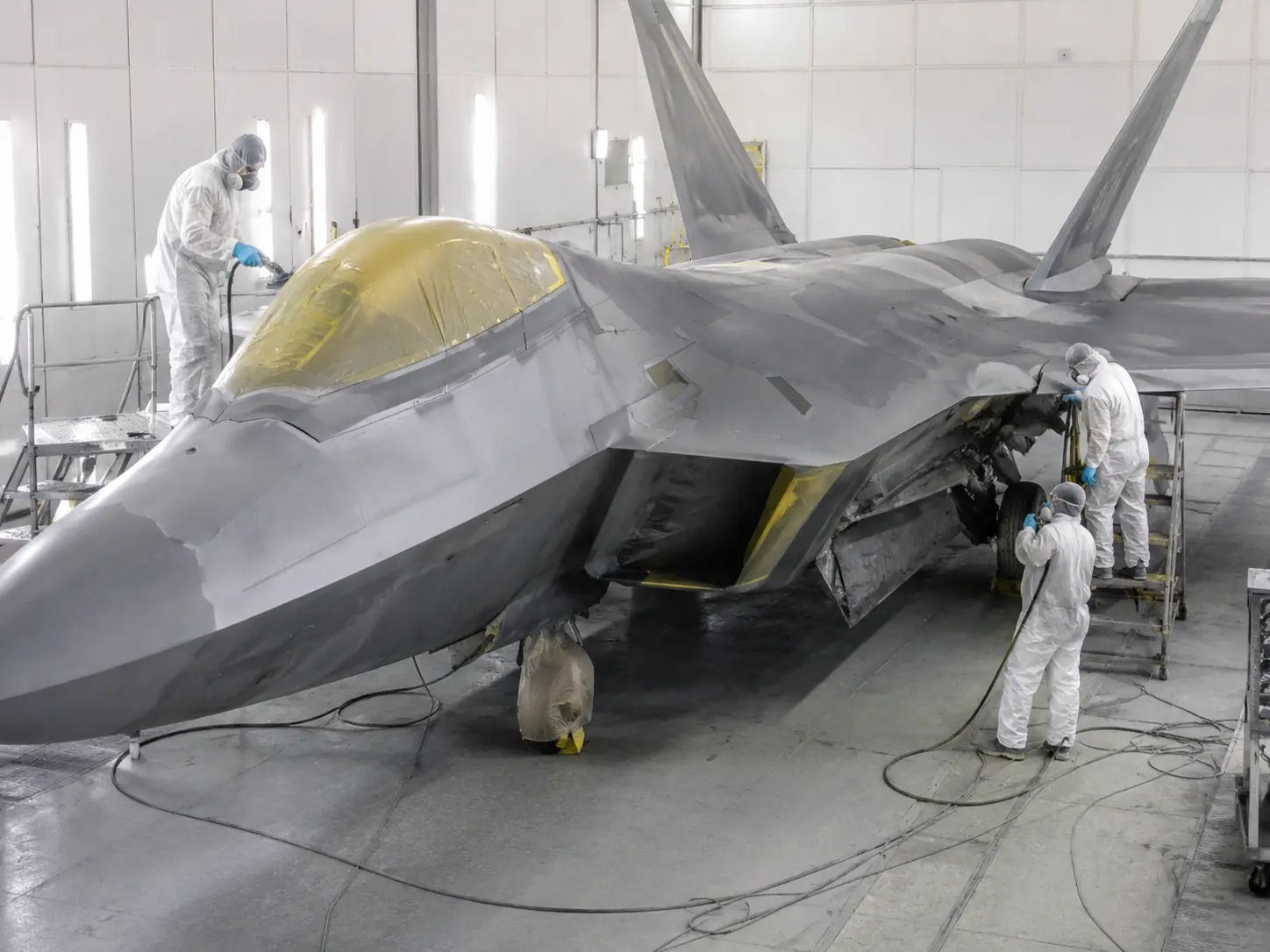
114-Centimetre Canopy Width
The cockpit is covered by a monolithic polycarbonate canopy that measures exactly 114 centimetres wide. Keeping this transparent dome as small as possible reduces the surface area where incoming radar waves can enter. A metallic coating on the canopy reflects radar away from the cockpit internals.
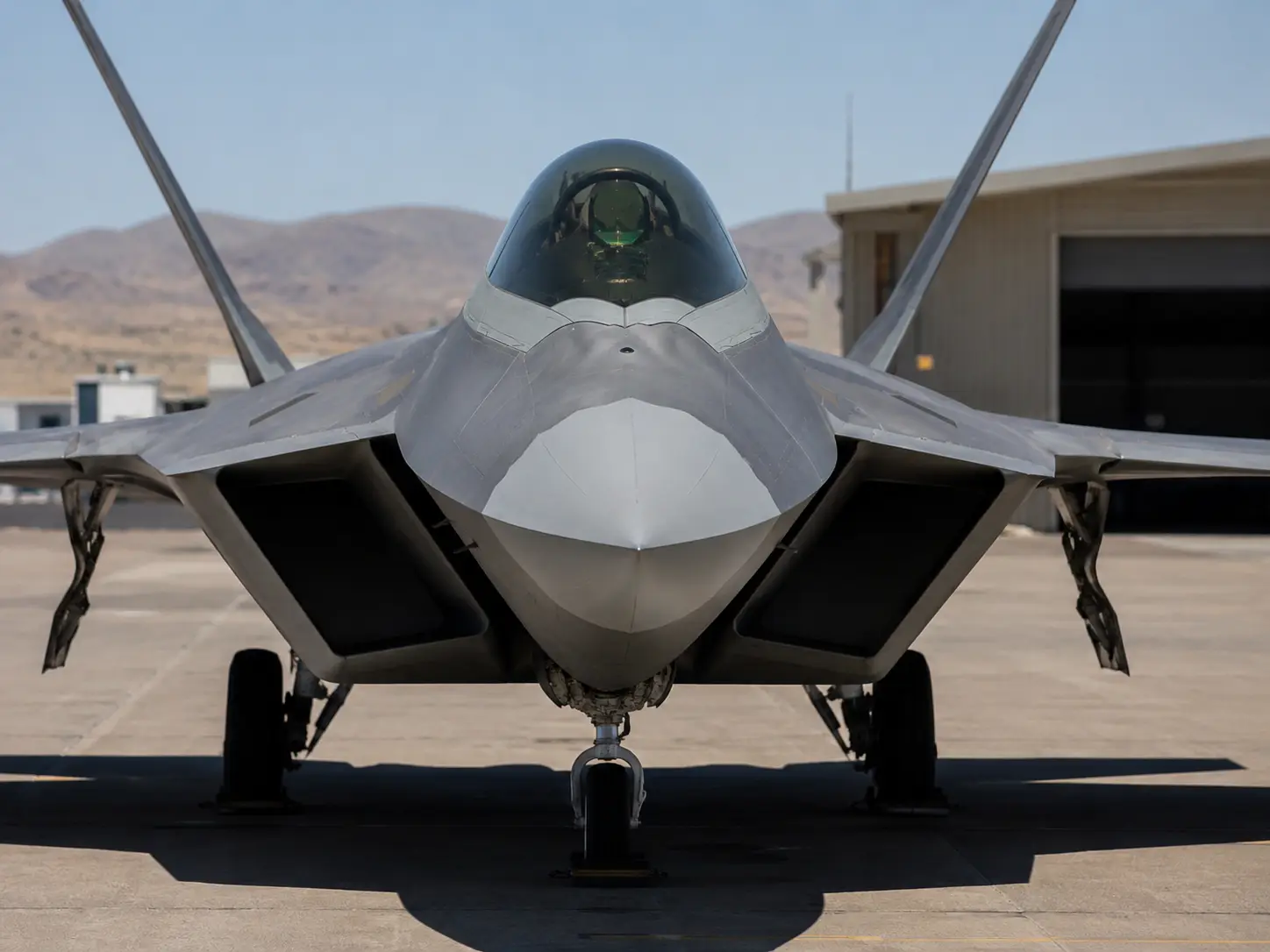
4 Internal Weapons Bays
To completely avoid reflecting radar, the aircraft must carry its missiles inside four internal weapons bays located in the mid-fuselage. Housing heavy weapons like the 1,000-pound GBU-32 JDAM internally consumes a massive amount of the jet's overall internal volume. This leaves very little room for a spacious flight deck.
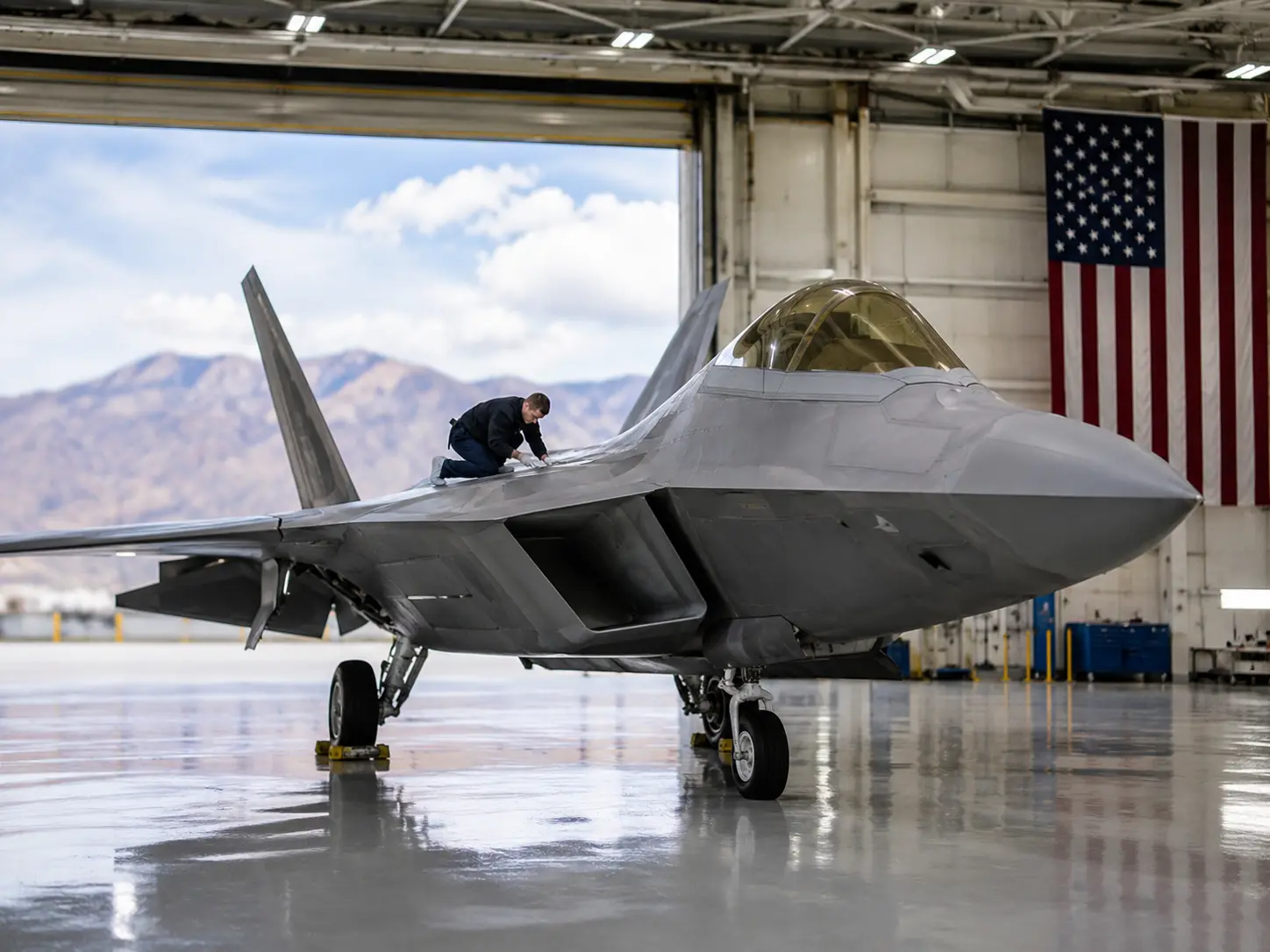
9-G Combat Ergonomics
Because the cockpit space is physically restricted, all essential combat functions are condensed into a Hands-On Throttle and Stick interface. This highly ergonomic layout means the pilot never has to reach far during intense 9-G dogfights. The design prioritises combat efficiency over excess movement.
Rs 1,190 Crore Stealth Priorities
The F-22 Raptor costs approximately Rs 1,190 crore per unit, with every inch engineered purely for survivability. The designers prioritised advanced stealth characteristics and sensor fusion over providing a spacious cockpit environment for the pilot. The tight dimensions are a strict necessity for remaining undetected.
)
)
)
)
)