Why the F-22 cockpit has almost no blind spots

The F-22 Raptor offers pilots a 360-degree view using a frameless, 0.75-inch thick canopy. A golden Indium Tin Oxide coating reflects radar waves, keeping the massive cockpit completely stealthy.
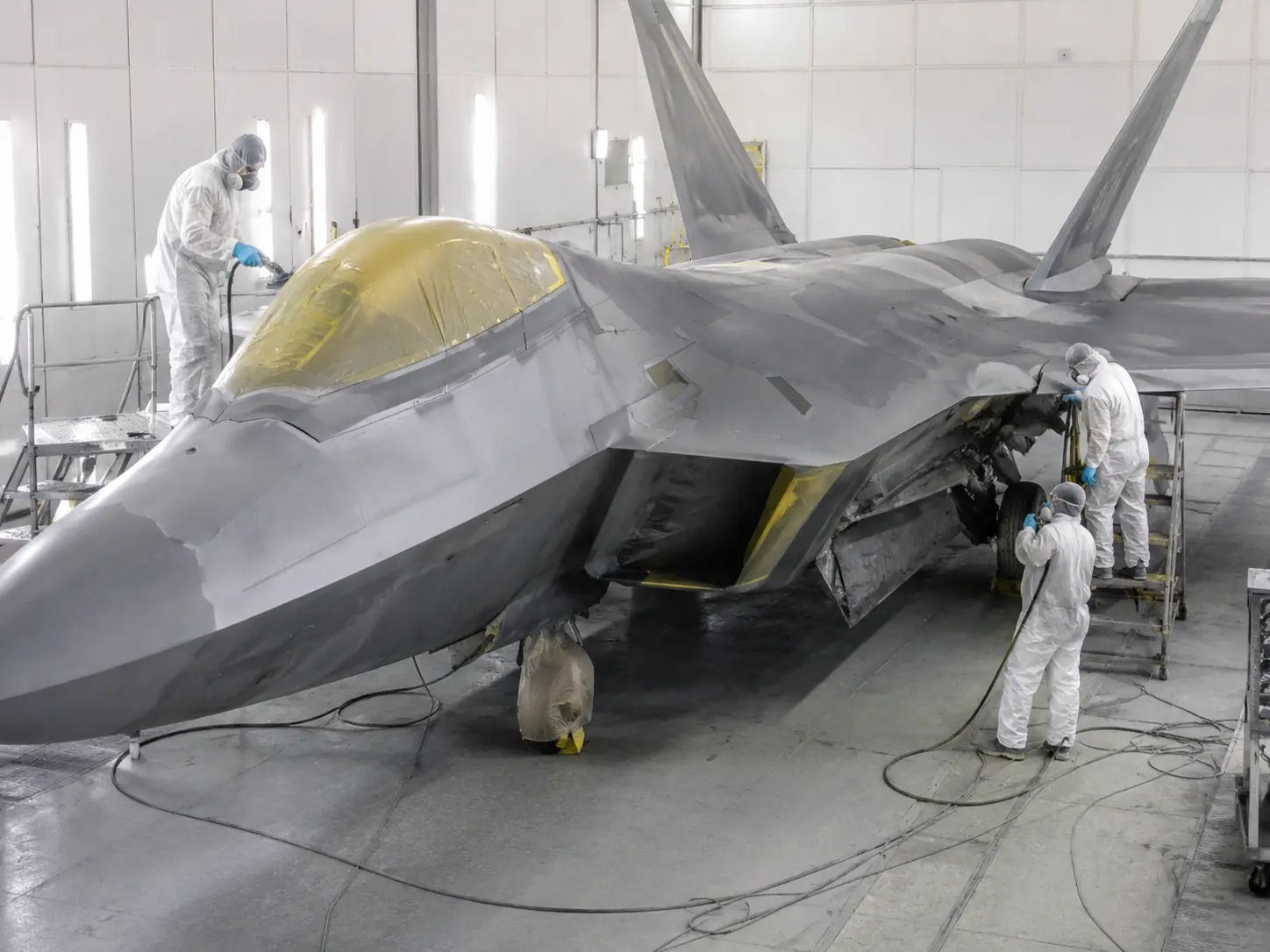
1 Single-Piece Canopy
The F-22 Raptor features a massive, single-piece bubble canopy without any forward metal frames. This seamless design completely eliminates the traditional forward blind spots found in older combat aircraft. According to Lockheed Martin, it provides the pilot with an unobstructed view of the surrounding airspace during intense dogfights.
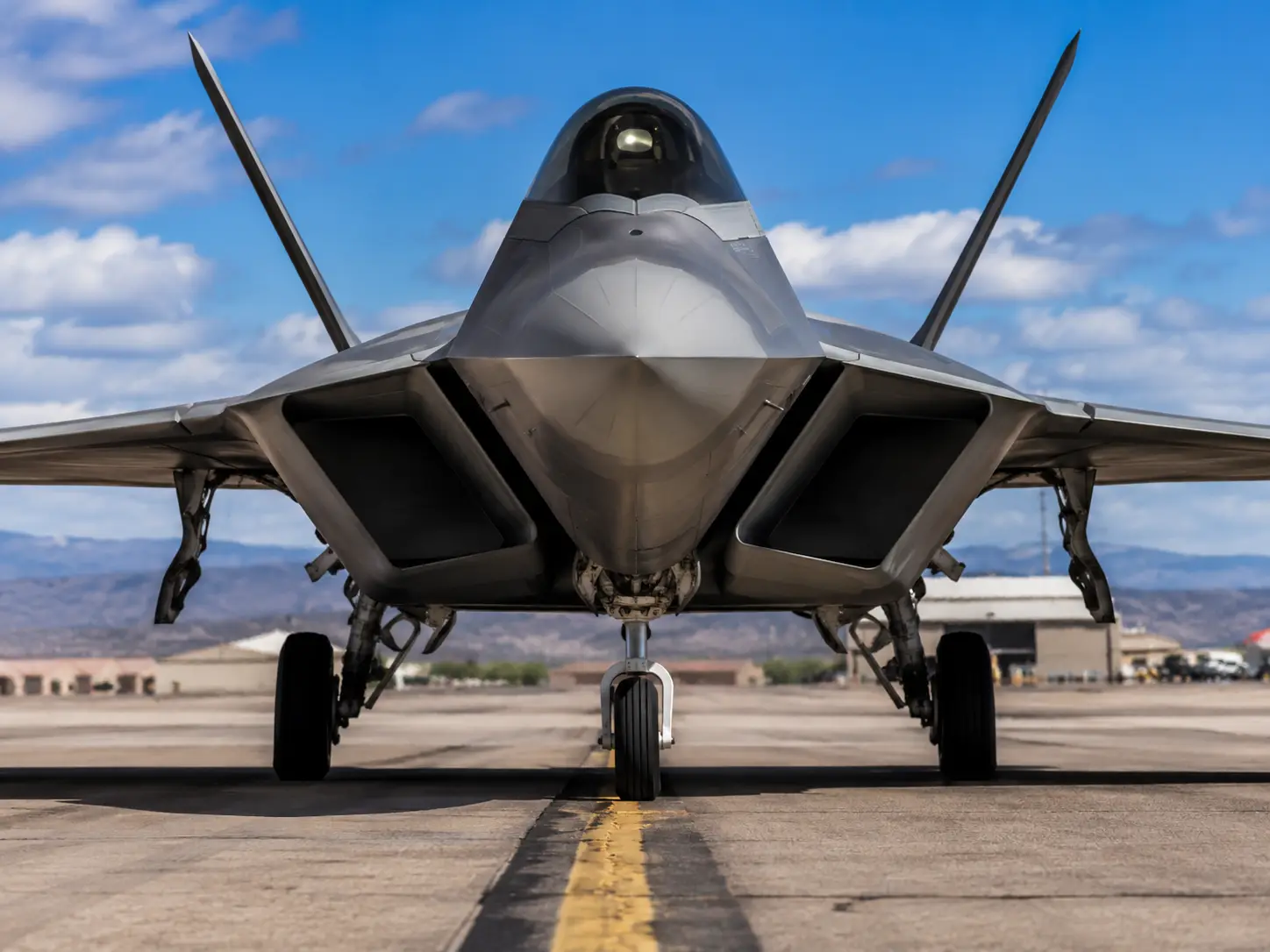
360-Degree Field View
Older stealth aircraft like the F-117 used tiny windows to minimise radar reflections, severely limiting pilot visibility. Engineers designed the F-22 to provide a full 360-degree field of view to maximise situational awareness. This large transparent dome maintains a continuous curve to smoothly deflect incoming radar waves away from receivers.
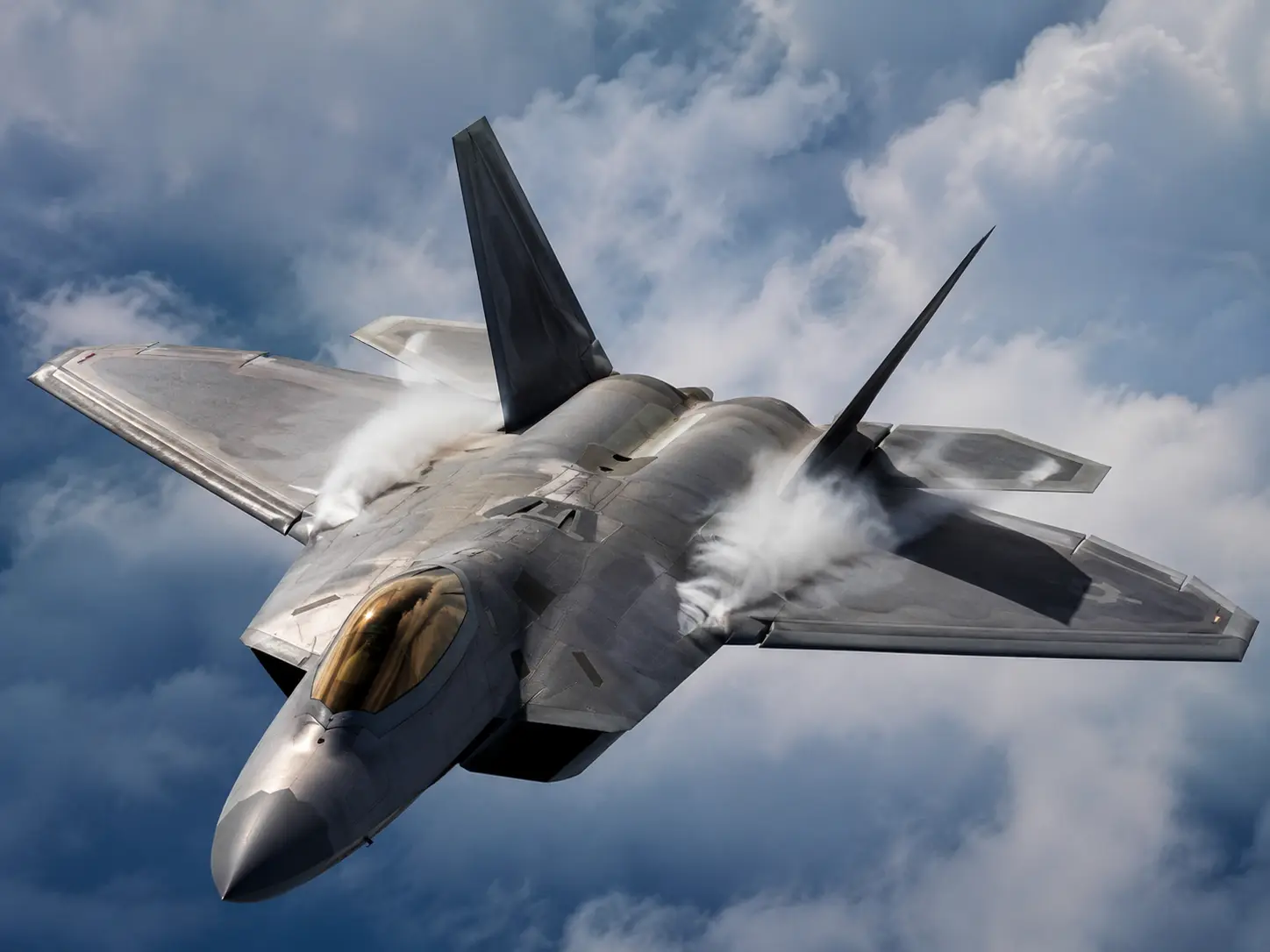
0.75-Inch Thick Protection
Removing structural metal frames usually leaves a pilot vulnerable to dangerous bird strikes at high speeds. To compensate, the Raptor's canopy is crafted from a 0.75-inch thick sandwich of tough polycarbonate and optical glass. This incredibly strong construction provides essential physical protection without blocking the pilot's sight.
1 Secondary HUD Shield
Because the canopy lacks a reinforcing front bow, the cockpit relies on a reinforced Head-Up Display (HUD). The display is built with a heavy-duty metal frame and extremely thick glass elements to act as a secondary blast shield. It effectively protects the pilot from incoming debris if an object manages to penetrate the main canopy.
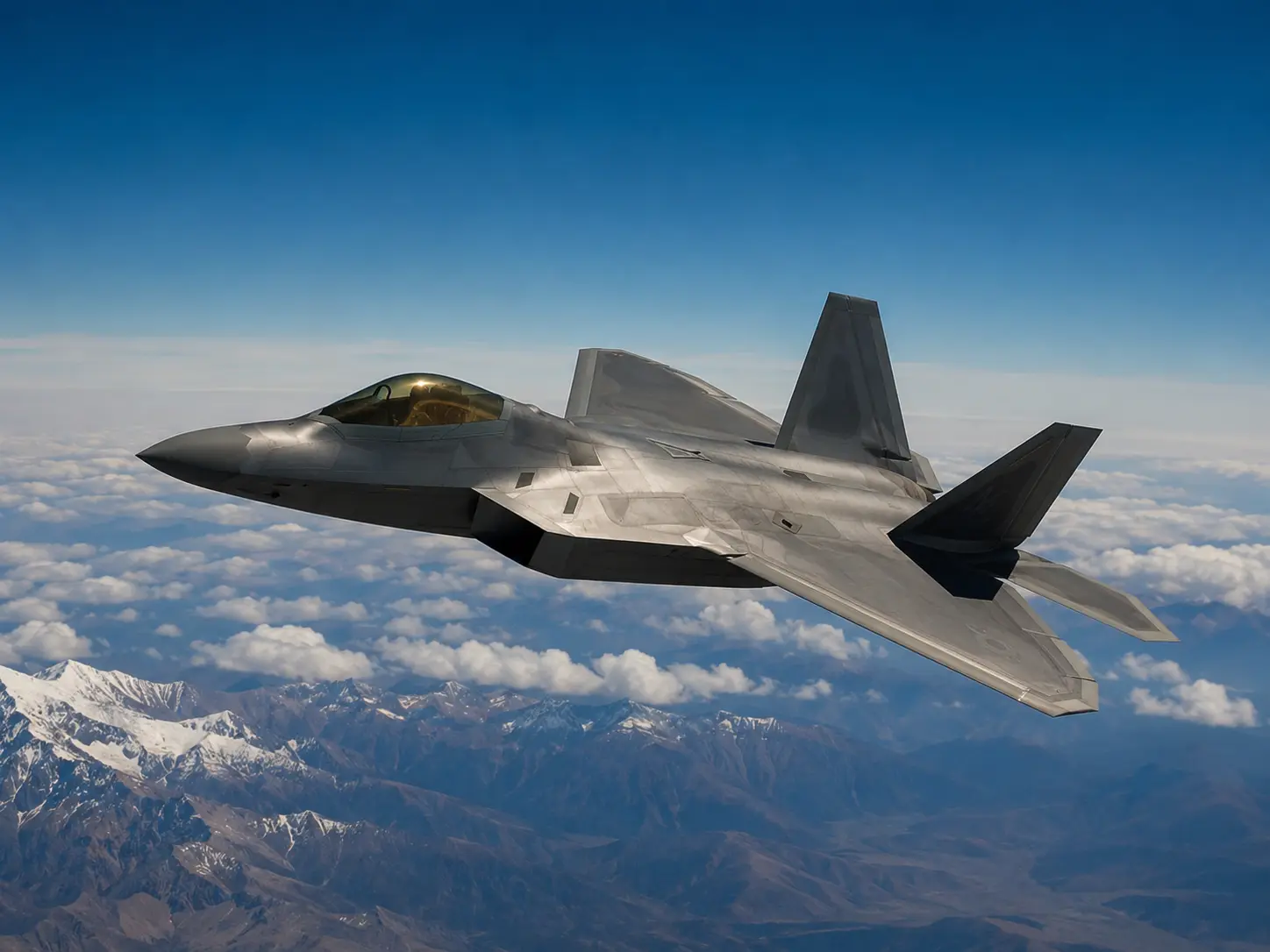
1 Microscopic Golden Coating
A massive clear canopy normally allows enemy radar waves to enter the cockpit and bounce off internal equipment. To prevent this, the F-22 canopy is coated with a microscopic layer of Indium Tin Oxide. This conductive golden tint reflects radar signals away while remaining perfectly transparent, and it costs thousands of dollars to manufacture.
)
)
)
)
)