Why the B-52 bomber is outliving newer bombers

The B-52 bomber will outlive the newer B-1B and B-2 bombers because of its simple, over-engineered frame and low maintenance costs. With a USD 48.6 billion upgrade adding new Rolls-Royce engines and AESA radar, it will serve into the 2060s.
The Centenarian Bomber
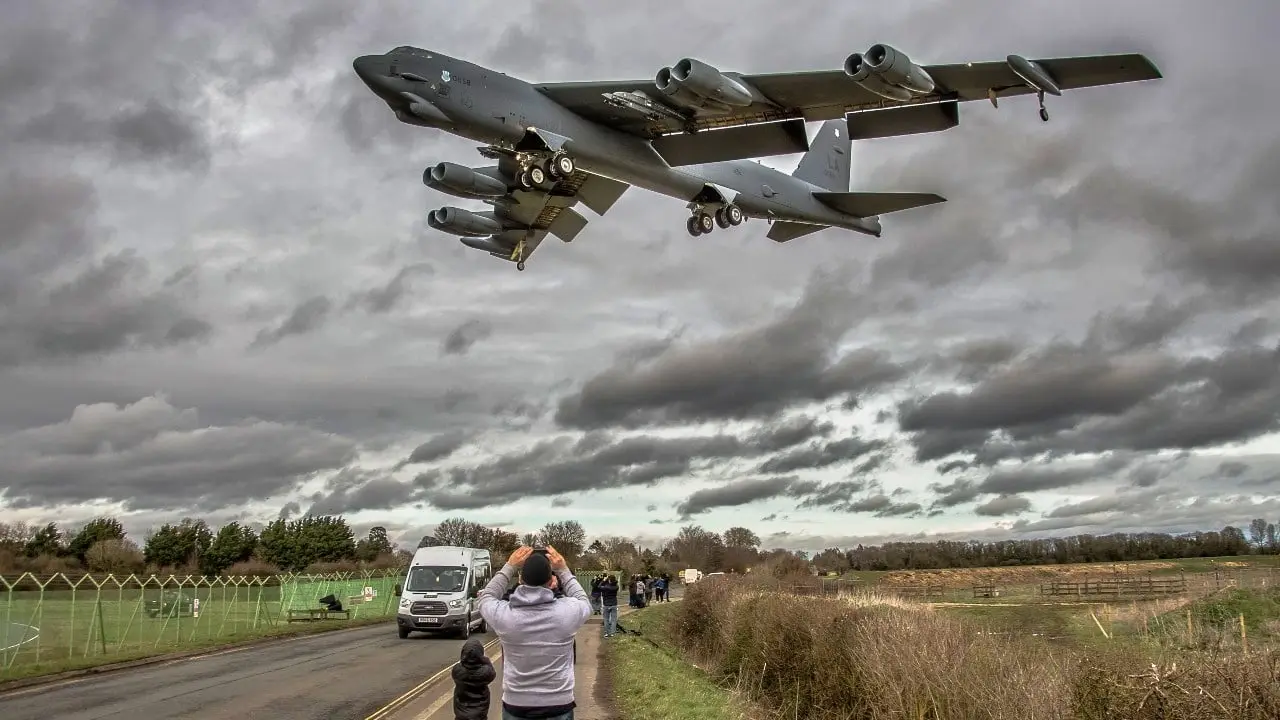
Despite taking its maiden flight in 1952, the Boeing B-52 Stratofortress is officially scheduled to remain in United States Air Force service into the 2060s. This unprecedented lifespan means the Cold War giant will easily outlive both the B-1B Lancer and B-2 Spirit bombers originally built to replace it.
A Spacious, Simple Frame
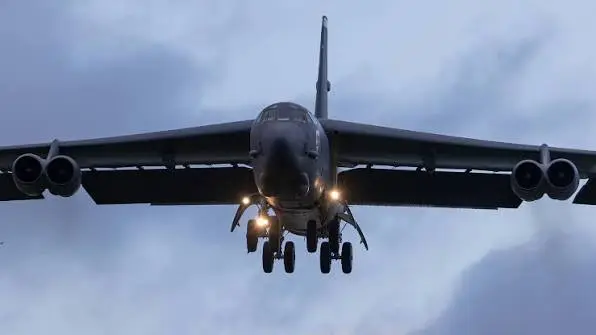
The vintage bomber survives because its massive, over-engineered airframe provides immense internal space for constant electronic and weapons upgrades. Unlike the fatigue-prone swing-wings of the B-1B or the delicate stealth surfaces of the B-2, the simple B-52 design proves significantly cheaper and easier to sustain over decades.
The Standoff Missile Truck
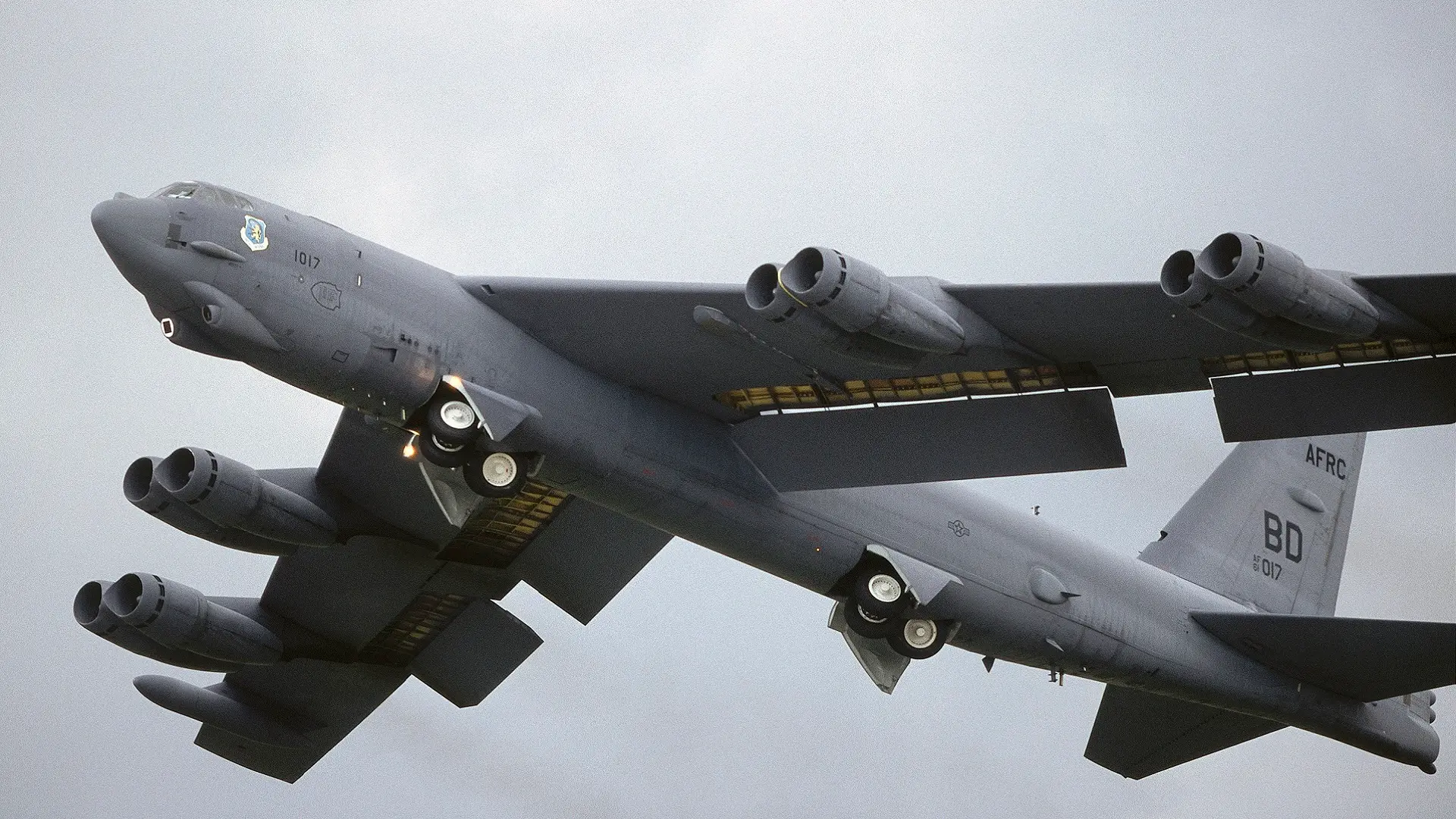
In modern combat, the subsonic B-52 no longer needs to physically penetrate heavily defended, contested airspace to destroy enemy targets. Instead, it operates as a high-altitude missile truck, using its 70,000-pound payload capacity to launch stealthy AGM-158B JASSM-ER cruise missiles from safe, standoff distances.

Maintenance and Operating Costs
According to official military data, the highly complex B-1B Lancer demands up to 150 maintenance hours for every single hour of flight. In stark contrast, the B-52 remains structurally robust and exceptionally cheap to operate, avoiding the astronomical climate-controlled hangar costs required by the B-2 Spirit.

The USD 48.6 Billion Rebirth
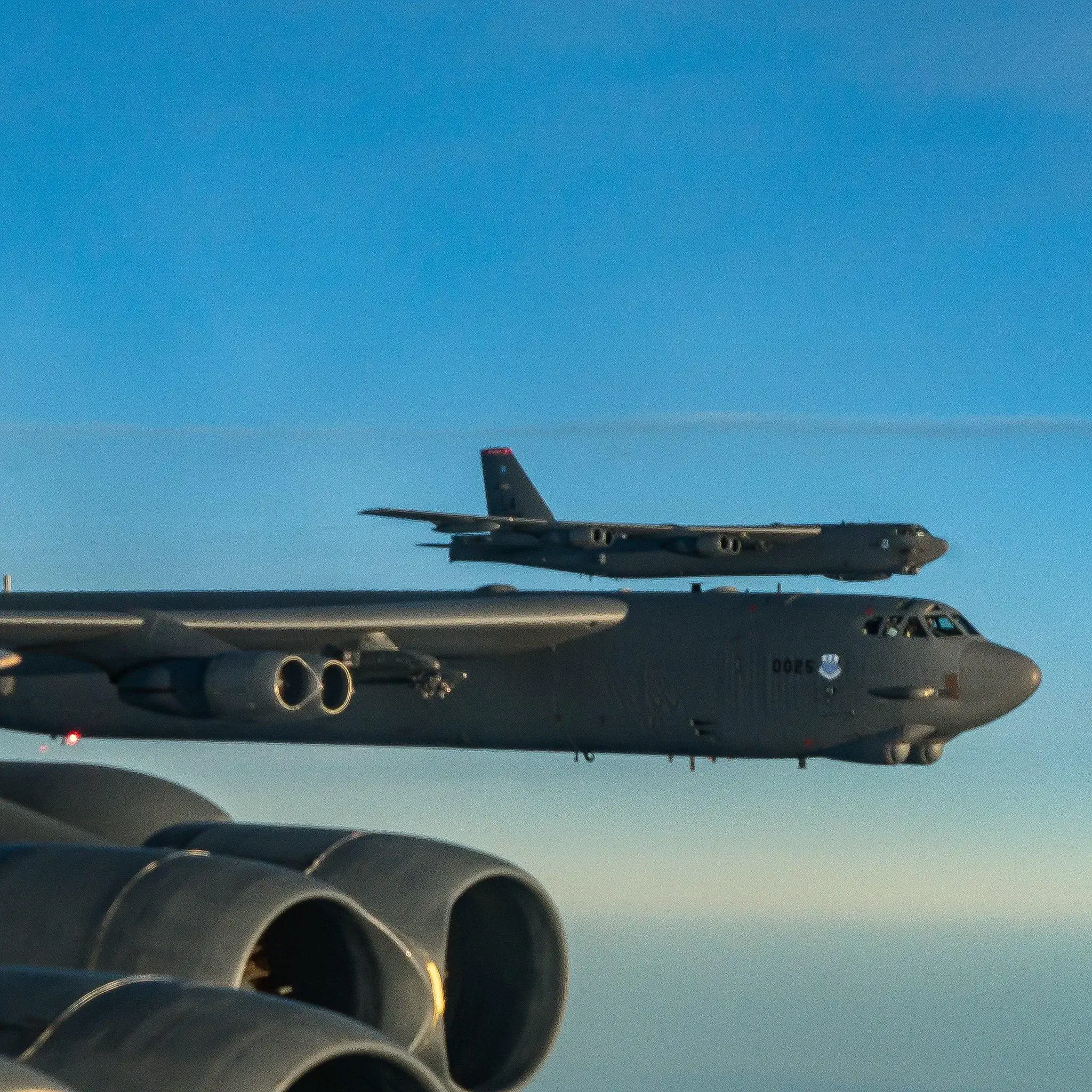
To guarantee its combat relevance, the Pentagon is currently executing a massive USD 48.6 billion B-52J modernisation programme across the 76-aircraft fleet. By replacing the archaic 1960s turbofans with eight modern Rolls-Royce F130 engines, military planners expect to boost the aircraft's fuel efficiency by 30 per cent.
A Digital Transformation
The upcoming B-52J variant completely discards its Cold War analogue instruments for a state-of-the-art digital glass cockpit and advanced tactical data links. According to Air & Space Forces Magazine, the integration of a powerful AN/APQ-188 AESA radar ensures the vintage aircraft seamlessly networks with modern stealth fighters.

The Future Two-Bomber Force
As the military eventually phases out the mechanically exhausted B-1B and the prohibitively expensive B-2, a highly calculated strategic shift will occur. The heavily upgraded, non-stealthy B-52J will actively serve alongside the newly developed B-21 Raider stealth bomber, dominating global skies well into the mid-21st century.
)
)
)
)
)