Why radar cross-section matters in fighter jet design?

In a fighter jet Radar cross-section (RCS) decides how easily a fighter jet can be detected by enemy radar. Lower RCS helps jets fly hidden and strike first. Know why RCS is vital for modern jets.
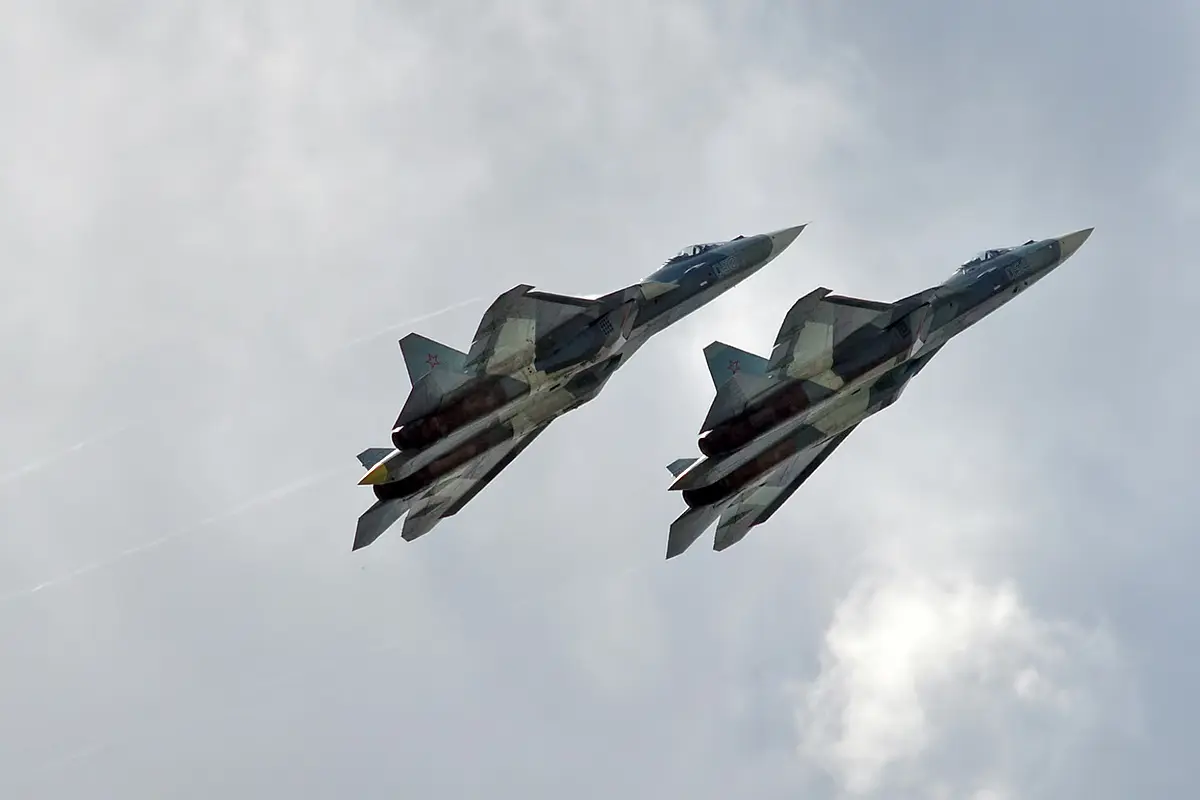
What is radar cross-section?
Radar cross-section measures how much radar energy a jet bounces back to the radar station. Smaller RCS means the jet is harder to spot.
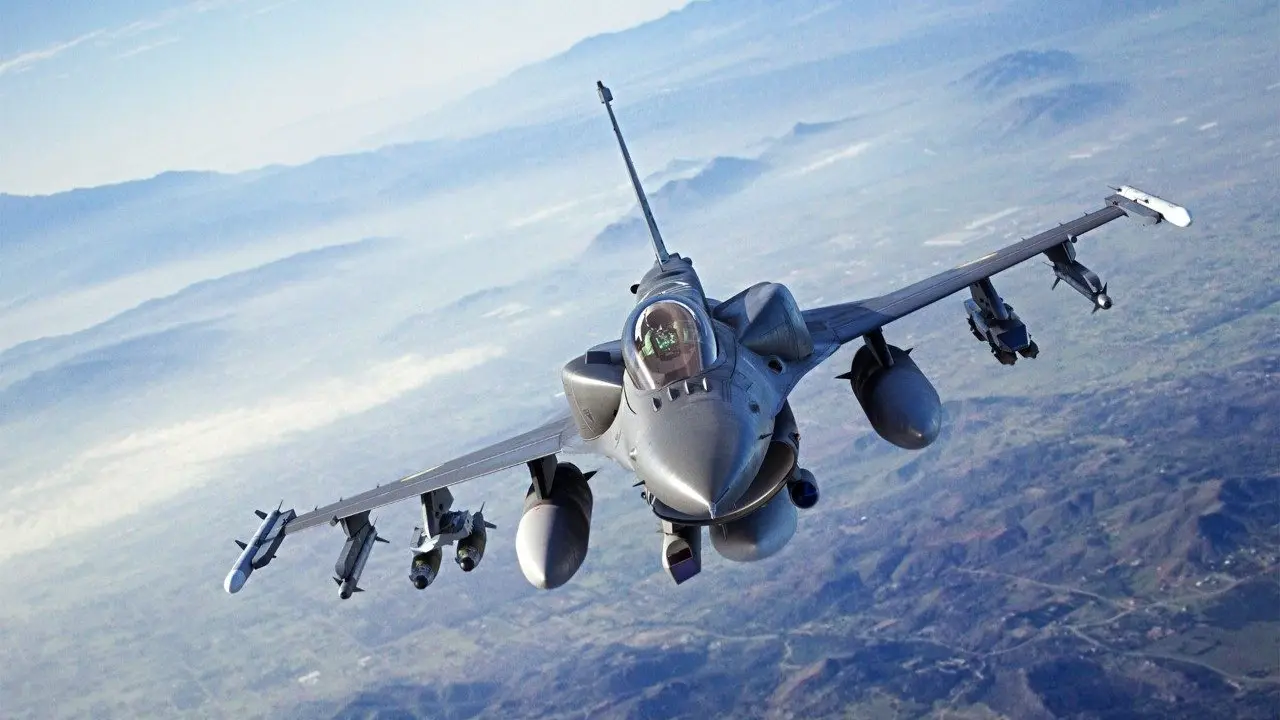
Shape and Material Are the Key
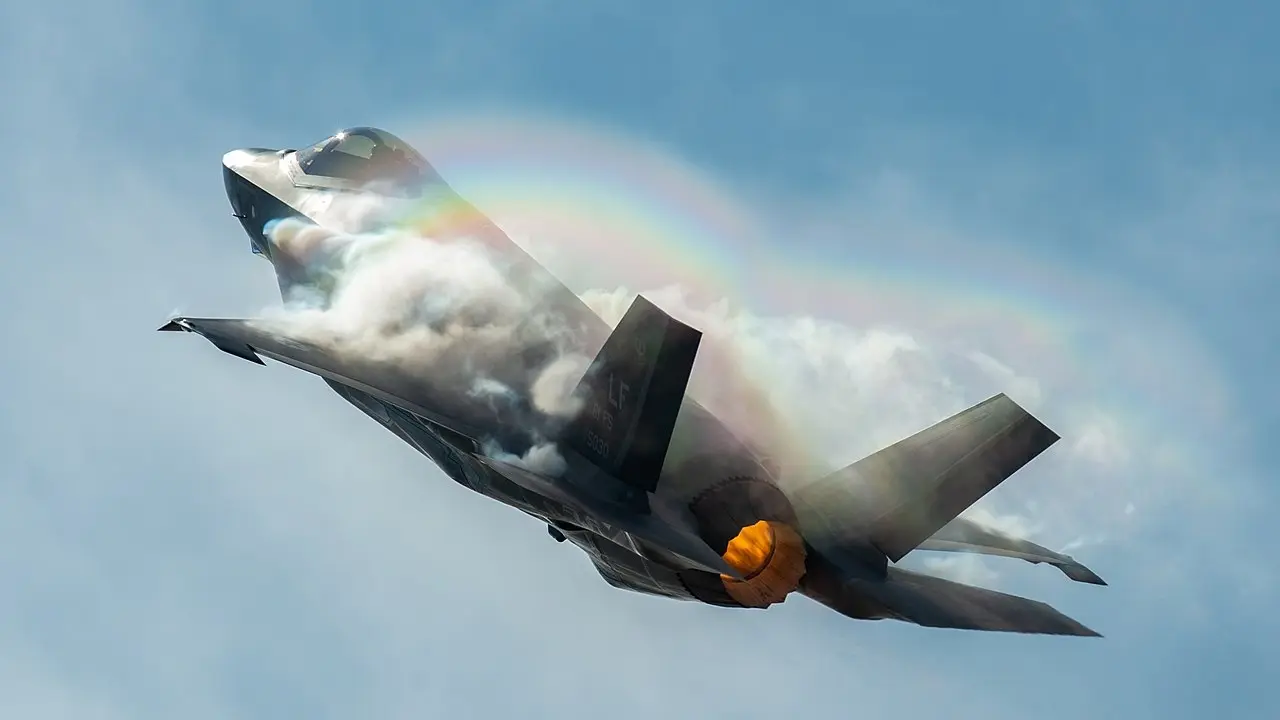
Jet designers use angled shapes and radar-absorbing materials to reduce RCS. Smooth curves and flat panels help deflect radar away from the source.
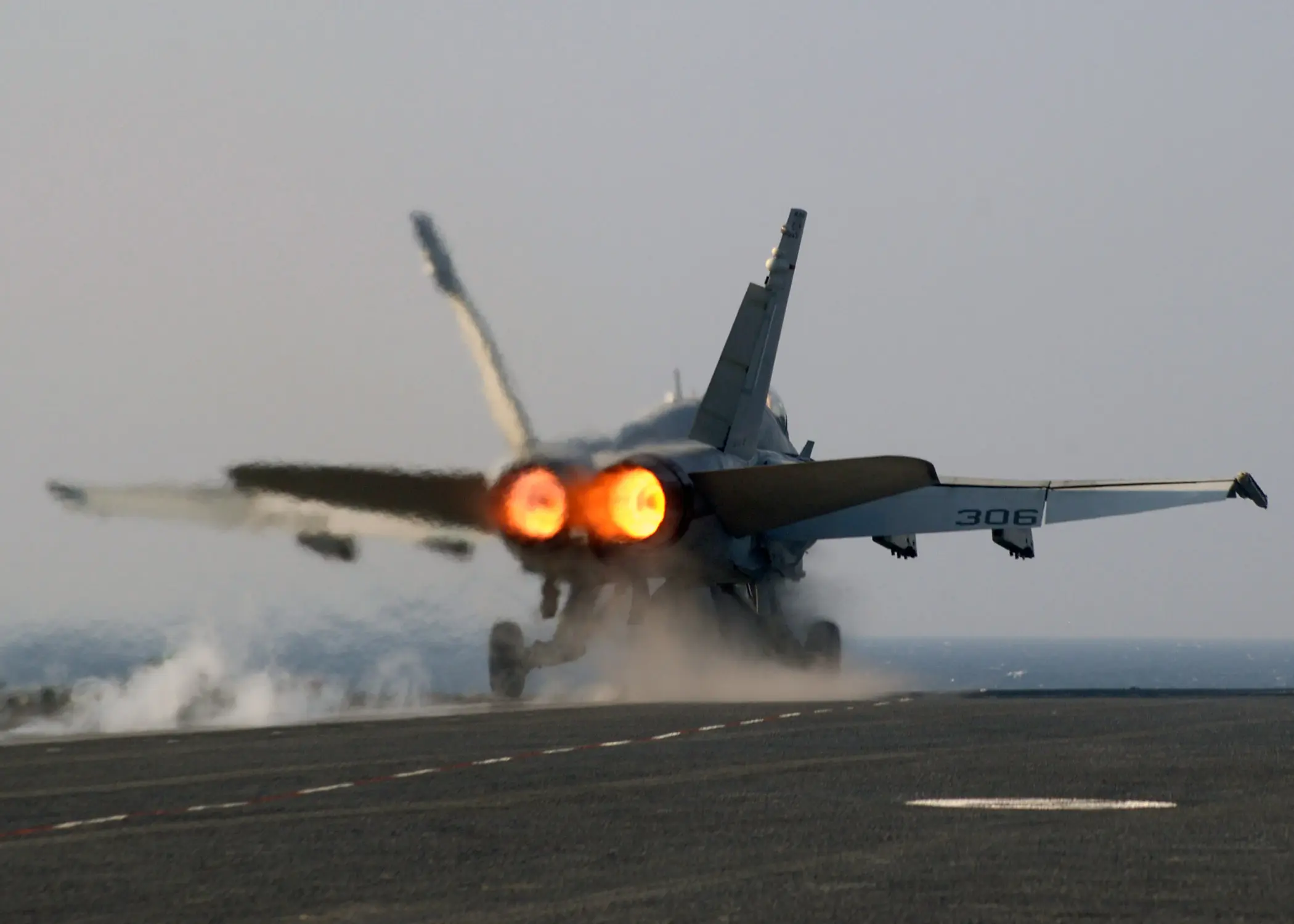
Why stealth matters in battle
A jet with low RCS can get closer to enemy defences without being tracked. This allows it to attack first or slip away safely, a big advantage in modern air battles.
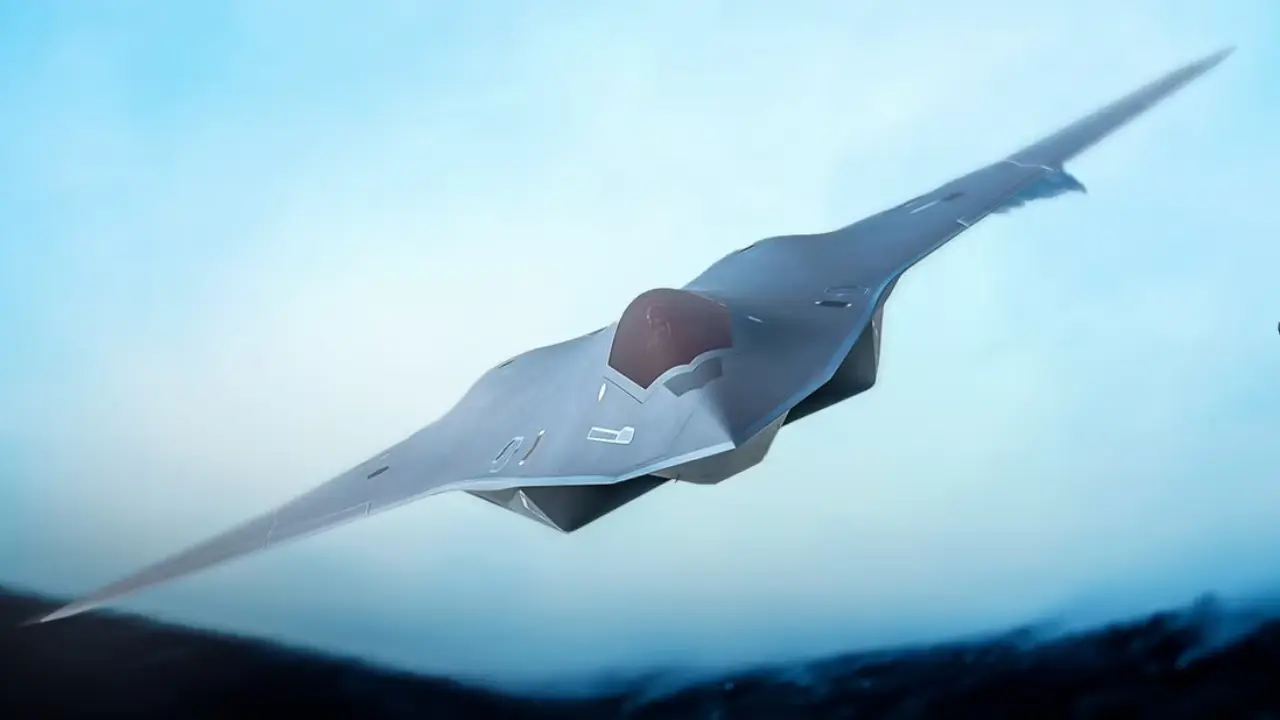
How RCS varies
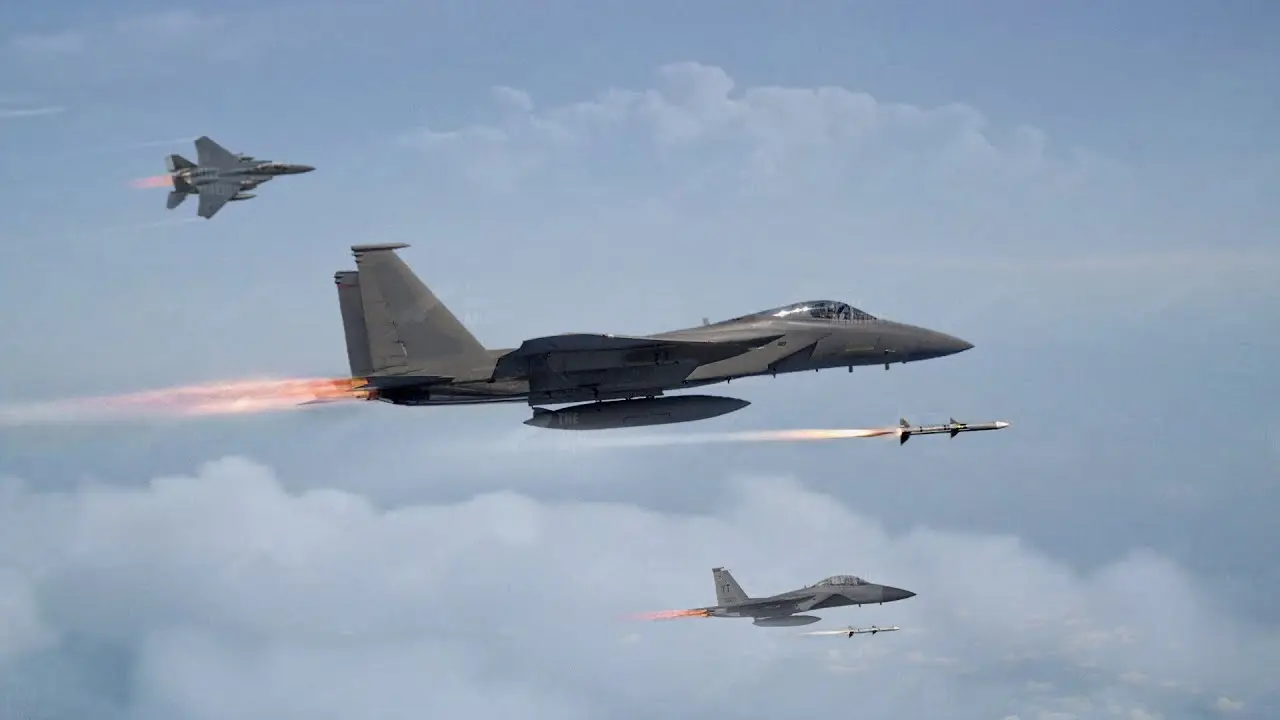
Older jets like the F-15 have RCS as big as a lorry, while stealth jets like the F-22 reflect radar like a marble. Lower RCS helps jets survive against advanced air defence systems.
Trade-offs in design
Jets built to be stealthy may need unusual shapes, which can affect speed or agility. Designers balance RCS, performance, and other needs during development.
Radar tricks and future threats
Some modern radars use new ways to find stealth aircraft, such as low-frequency or multiple stations. Even so, keeping RCS low remains a top goal for jet designers.
stealthier jet
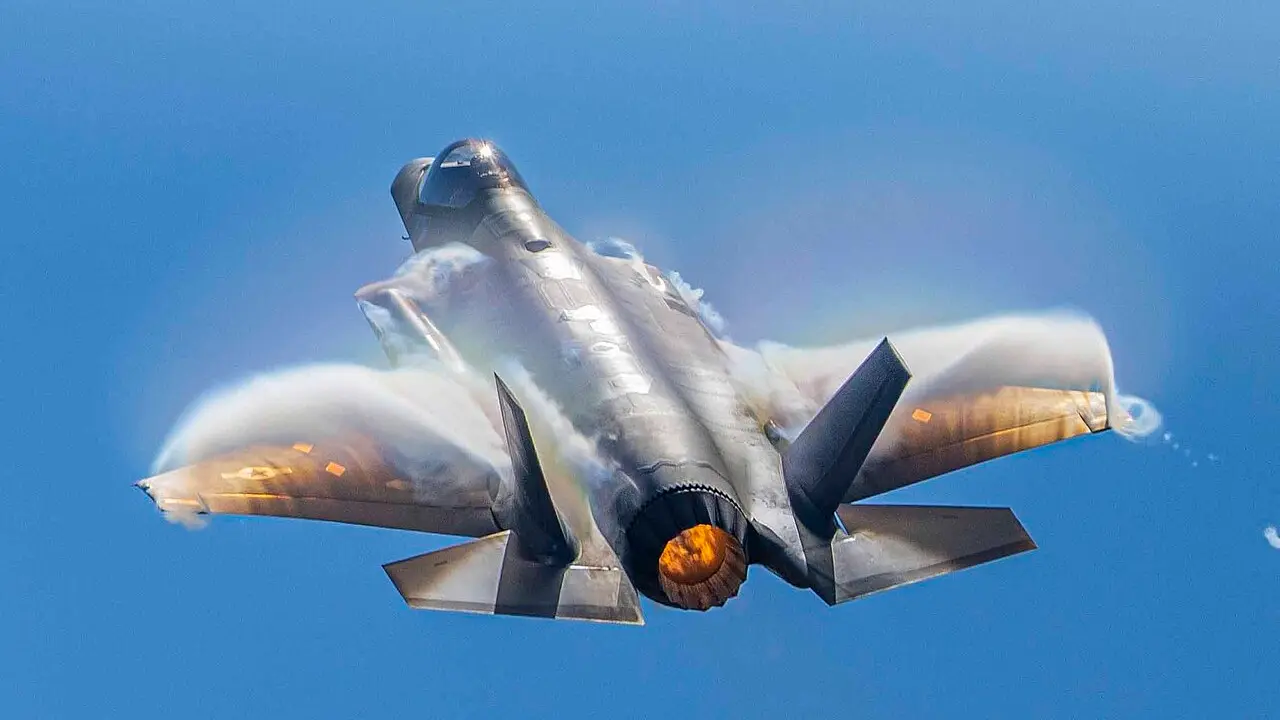
Most RCS figures for fighter jets are top secret. Countries protect this information to keep an edge in air combat, but experts agree smaller RCS means a stealthier jet.
)
)
)
)
)