Why Pakistan celebrates its Independence Day on 14th August

When British India was partitioned in 1947, the Indian Independence Act fixed 15 August 1947 as the date for both India and Pakistan to become independent. Officially, the power transfer for both dominions took effect at midnight between 14 and 15 August.
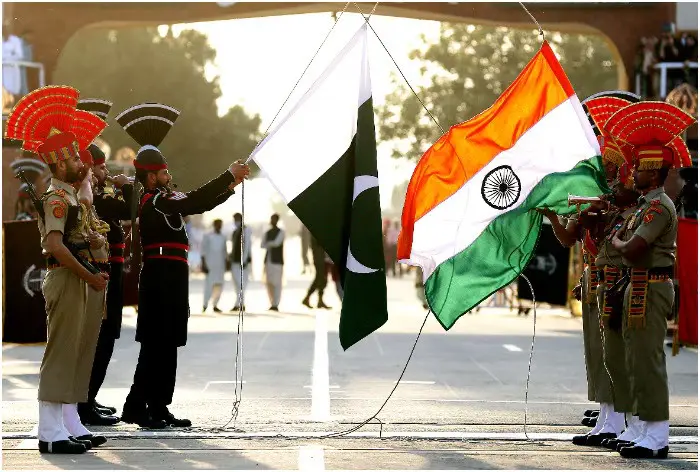
Original Transfer of Power Date
When British India was partitioned in 1947, the Indian Independence Act fixed 15 August 1947 as the date for both India and Pakistan to become independent. Officially, the power transfer for both dominions took effect at midnight between 14 and 15 August.
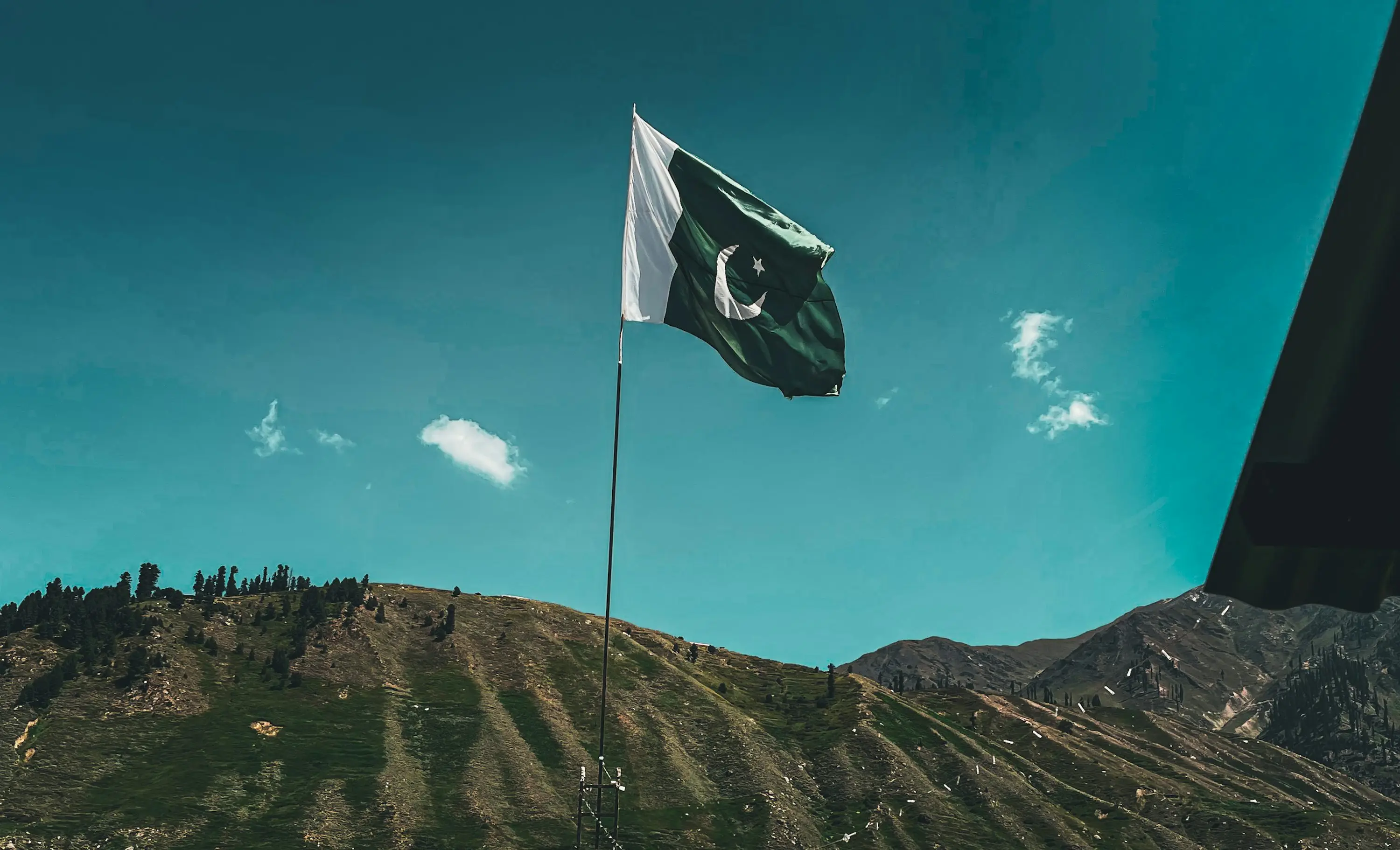
Pakistan’s First Independence Anniversary
In 1947, Pakistan marked its first Independence Day on 15 August, not 14 August. Muhammad Ali Jinnah delivered his first speech as Governor‑General on that date, and the first stamps issued by Pakistan also mentioned 15 August 1947 as the country’s independence date.
Shift to 14 August in 1948
In 1948, Pakistan formally shifted its Independence Day to 14 August. One of the main reasons was that 27th Ramadan in the Islamic calendar, considered highly auspicious, coincided with 14 August 1947. Aligning the national day with that date was seen as significant for the new Islamic republic.
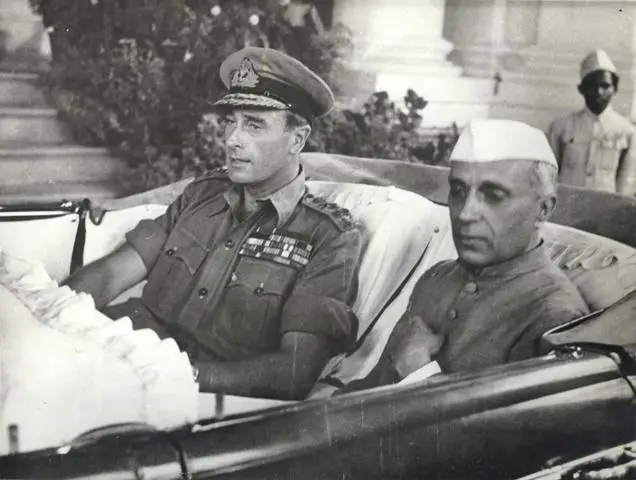
Administrative Convenience
Another practical reason was the ceremonial schedule of 1947. Lord Mountbatten, the last Viceroy of India, needed to attend the transfer of power ceremonies in both countries. The Pakistan ceremony was held in Karachi on 14 August so he could return to Delhi for India’s ceremony on the midnight of 14–15 August.
Distinguishing National Identity
Shifting the date to 14 August also helped Pakistan create a separate national identity from India. Having a different Independence Day reinforced the notion of a new state with its own cultural and religious foundation, separate from the Indian dominion.
Present-Day Observance
Since 1948, Pakistan has consistently observed 14 August as its national day, while India observes 15 August. Historical documents such as the Government of India Act, partition orders, and early postage stamps serve as evidence that both countries originally shared the same date of independence.
)
)
)
)
)