Why NASA blew up its own rocket in 1962

NASA's 1962 mission to Venus went wildly off course all because of a tiny software mistake. What really happened to Mariner 1, and how did one missing symbol become one of the most expensive typos in history?
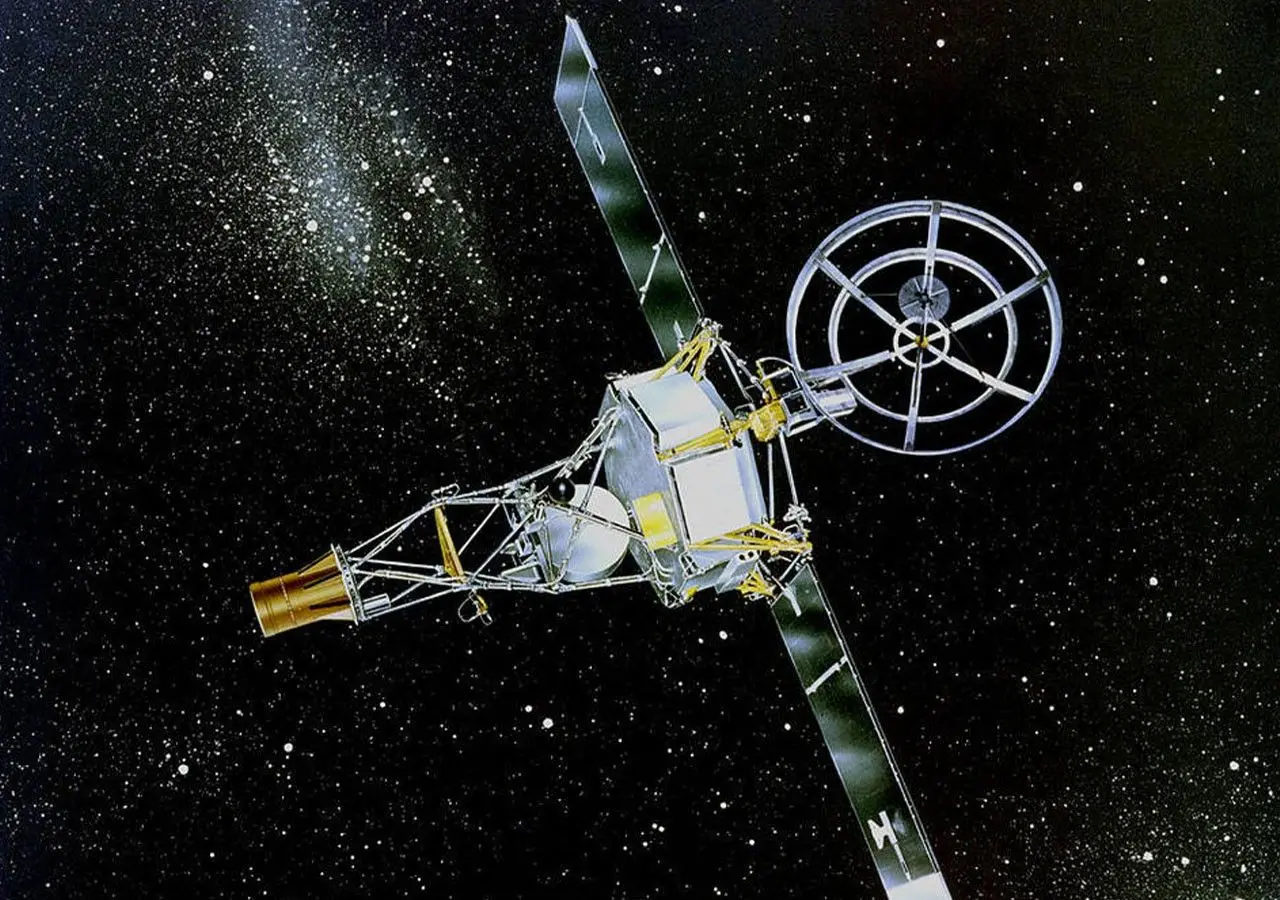
NASA launched Mariner 1
In 1962, NASA launched Mariner 1, a spacecraft meant to explore Venus and send back scientific data. But shortly after liftoff, it went off course and was destroyed by a safety command, ending the mission in failure.
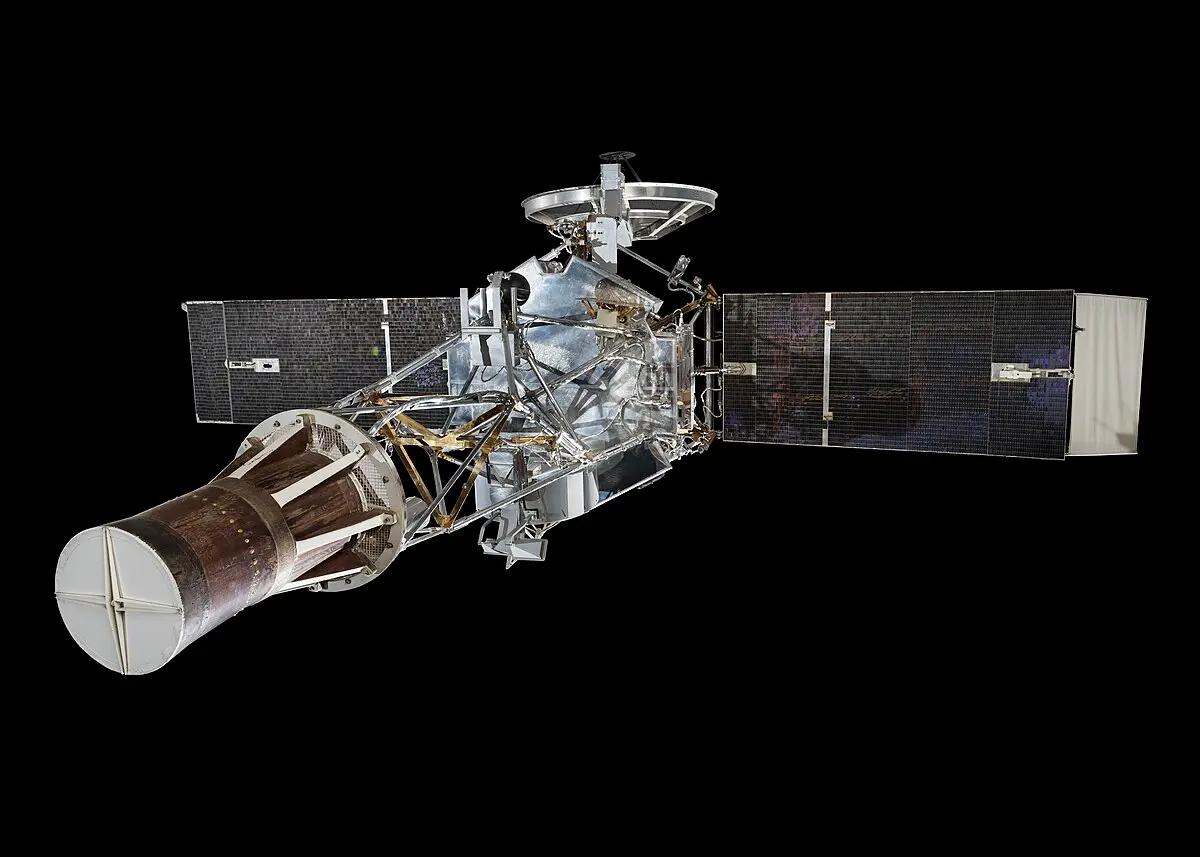
What caused the disaster?
NASA traced it to a tiny mistake in the guidance software a missing mathematical symbol, not actually a hyphen as often said which made the rocket respond wrongly to its motions.
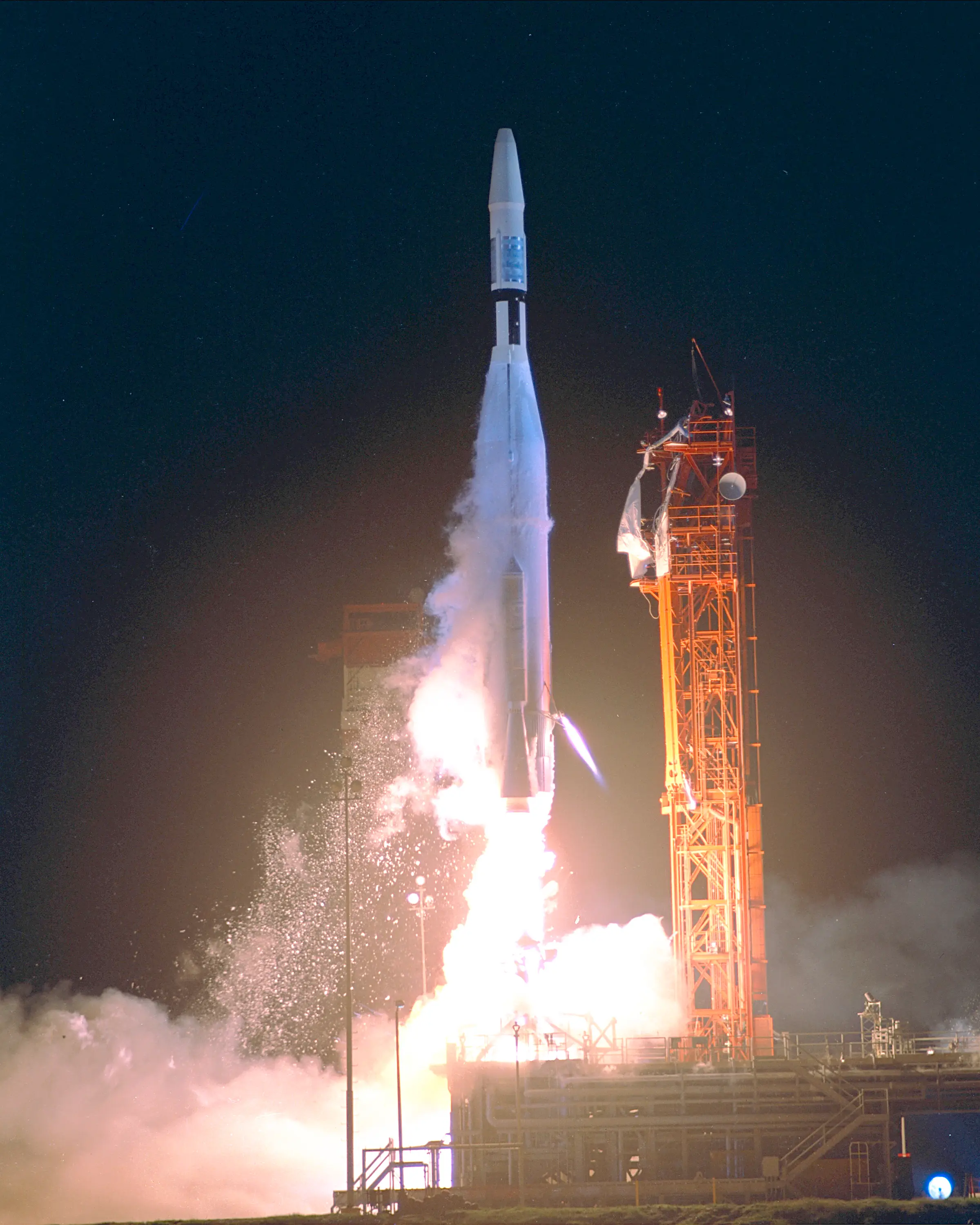
The rocket lost signal from its radar during launch
The rocket lost signal from its radar during launch. The guidance system tried to correct minor changes, but the coding error made it interpret normal movements as dangerous ones, causing wild steering commands.
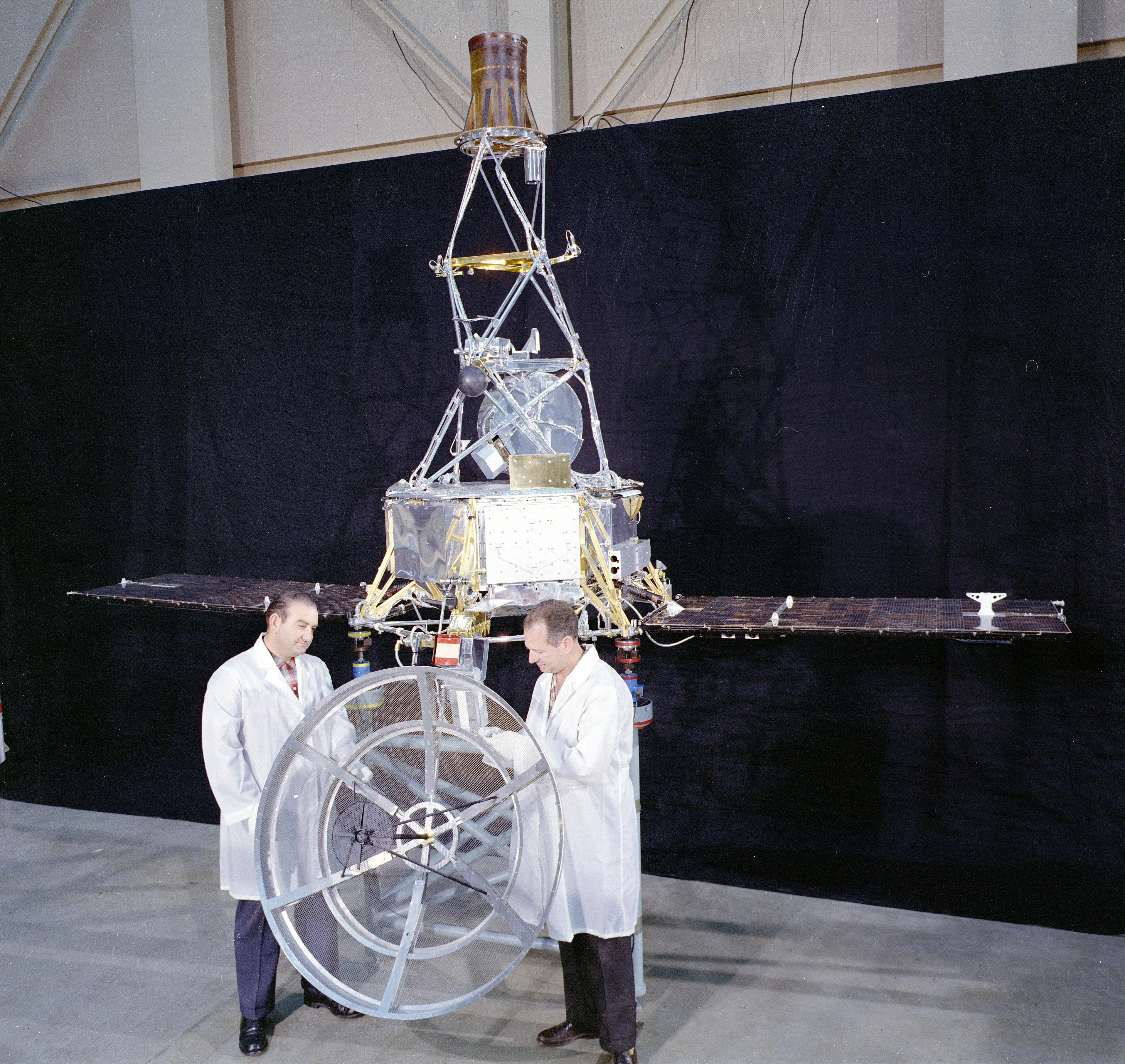
About five minutes after launch
As a result, the booster swayed unpredictably. About five minutes after launch, the Range Safety Officer ordered it to be destroyed over the Atlantic Ocean to protect populated areas.
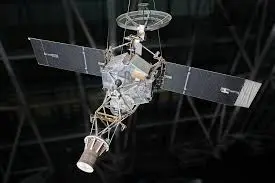
NASA Mariner 2
NASA quickly fixed the software mistake and launched Mariner 2 a month later. That mission successfully flew by Venus and collected valuable data, marking a major achievement in planetary exploration.
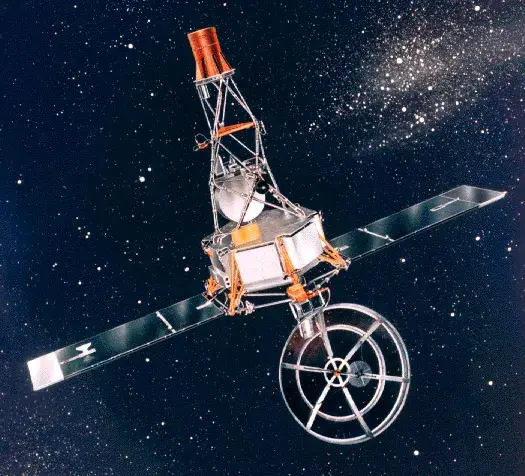
Cost $18 million at the time
This incident cost NASA around $18 million at the time, over $150 million in today’s money. It remains one of the most costly and infamous errors in space exploration history caused by a single code typo.
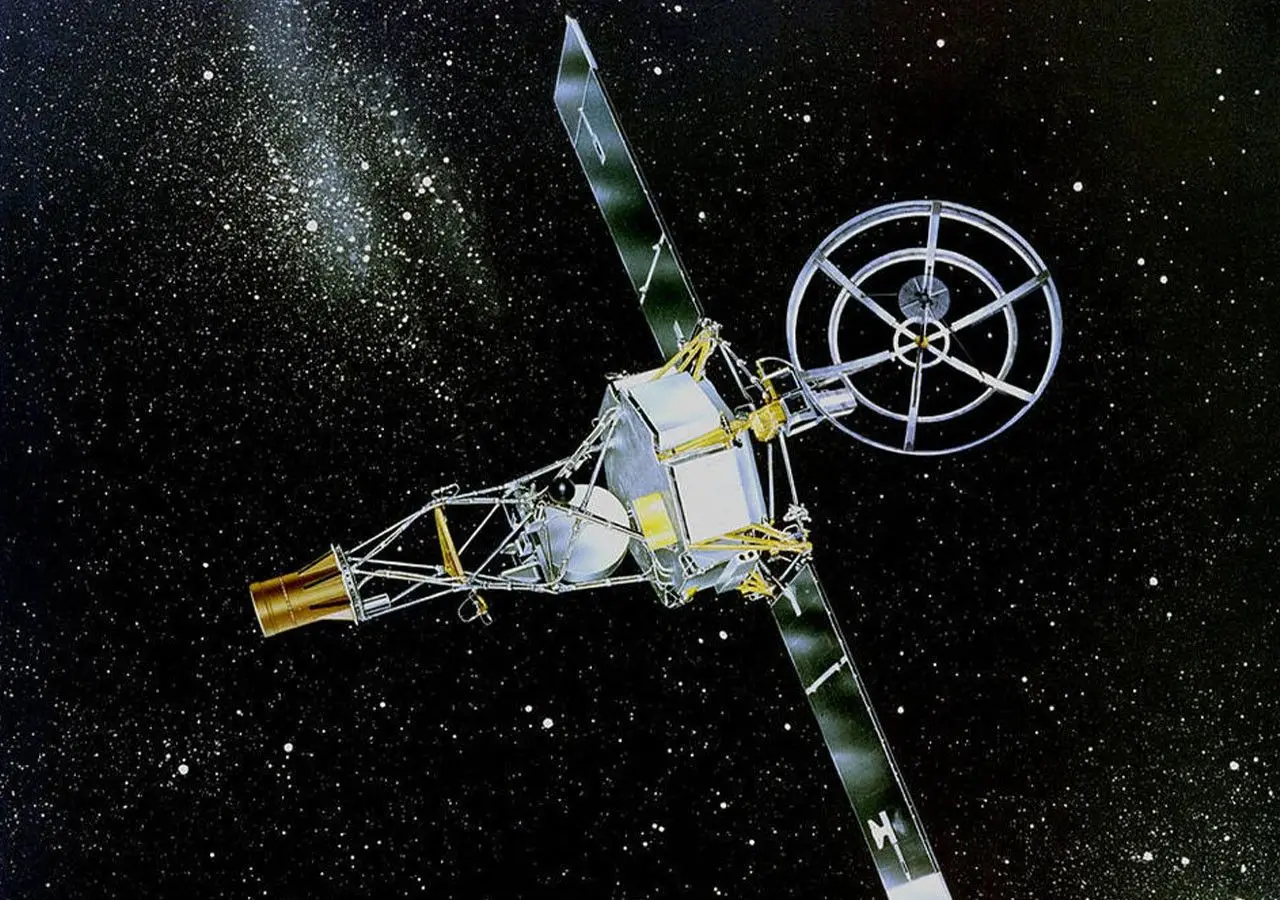
Mariner 1
Mariner 1's story teaches how even tiny errors in programming can have huge consequences in space missions. NASA now uses advanced checks to avoid such mistakes, ensuring safer and more reliable explorations.
)
)
)
)
)