Why Ladakh’s case is unique and how other union territories in India compare

UTs in the Northeast are covered by the Sixth Schedule, which protects tribal rights, land ownership, and culture. Ladakh, despite being majority tribal, was left out of this framework. Protesters argue this omission makes Ladakh’s case unique compared to other regions.
1. Union Territories in India: A Mixed Bag
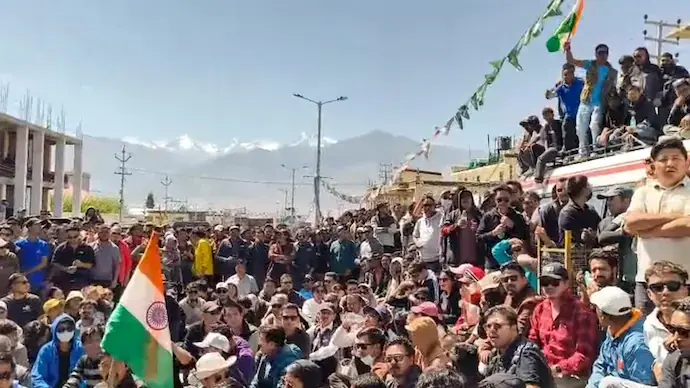
India has eight Union Territories, each with different powers and governance models. While some like Delhi and Puducherry have legislatures, others such as Lakshadweep and Andaman & Nicobar Islands are run directly by the Centre. Ladakh currently falls in the latter category, without its own assembly.

2. Delhi & Puducherry: Greater Autonomy
Delhi and Puducherry are unique among UTs because they have elected assemblies and partial state-like powers. Citizens there can directly influence local laws and development. Ladakhis argue that their region deserves at least the same level of political representation, especially given its size and strategic importance.
3. J&K vs. Ladakh: Different Outcomes Post-2019
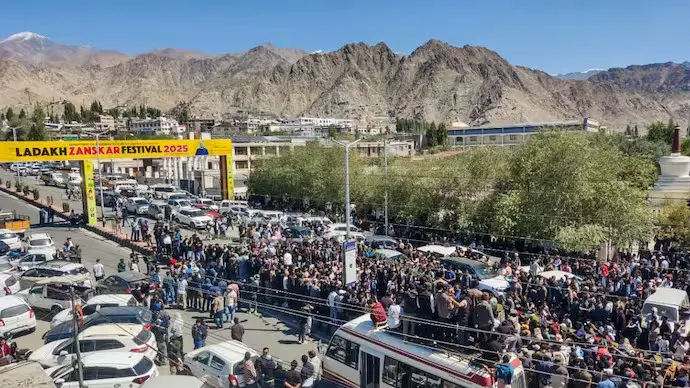
When Jammu & Kashmir was split in 2019, J&K became a UT with a legislature, while Ladakh was carved out without one. This difference has fuelled resentment in Leh and Kargil, where residents feel politically voiceless compared to their former counterparts in J&K.

4. Lakshadweep & Andaman: Direct Rule Models
Smaller UTs like Lakshadweep and Andaman are directly governed by the Centre through an administrator. However, these territories have far smaller populations and less strategic importance than Ladakh, making Ladakhis feel their situation cannot be equated with them.

5. Ladakh’s Strategic Location
Unlike other UTs, Ladakh shares sensitive borders with both China and Pakistan. This makes governance not just a local issue but also a national security concern. The Centre has been reluctant to grant too much autonomy here, fearing it might complicate defence and border policies.

6. Tribal & Cultural Safeguards Missing
UTs in the Northeast are covered by the Sixth Schedule, which protects tribal rights, land ownership, and culture. Ladakh, despite being majority tribal, was left out of this framework. Protesters argue this omission makes Ladakh’s case unique compared to other regions.
7. Why Ladakh Stands Apart
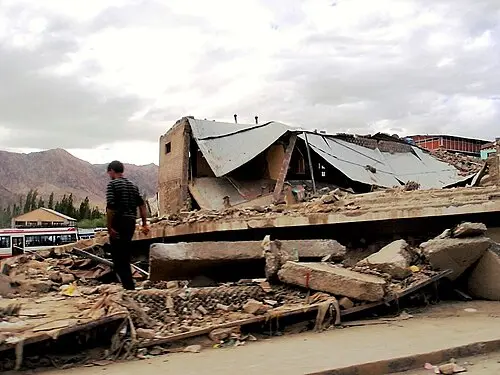
In essence, Ladakh combines multiple unique factors: a large tribal population, a fragile ecosystem, a demand for constitutional safeguards, and high strategic value. No other Union Territory faces this same combination of challenges, which is why its protests are seen as different from those in other regions.
)
)
)
)
)